Premium functional barrier materials and high-precision packaging rolls engineered to meet stringent global standards.
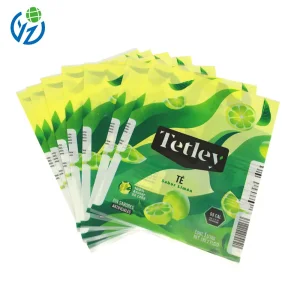
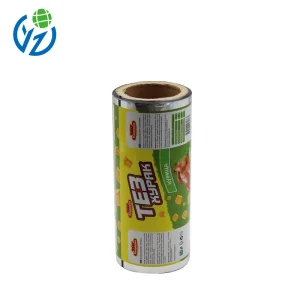
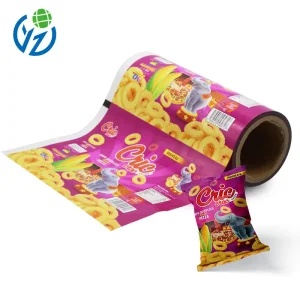
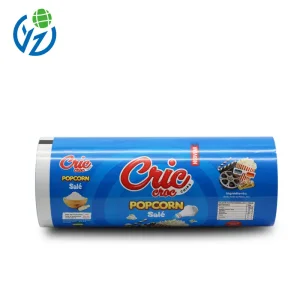
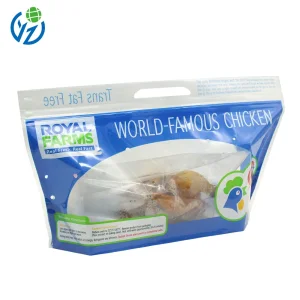
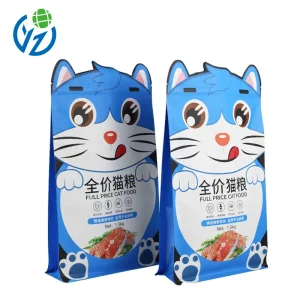
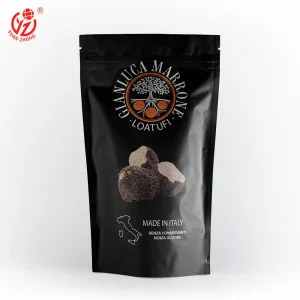
Comprehensive technical whitepaper exploring material engineering, print methodology, and strategic supply chain execution.
In the modern, highly visual FMCG (Fast-Moving Consumer Goods) landscape, the labeling and packaging on a product container play a pivotal role. They are not merely regulatory placeholders; they serve as critical brand assets that drive consumer choice at the point of sale. Over the past two decades, Polyvinyl Chloride (PVC) shrink sleeves and label structures have emerged as the dominant technologies for 360-degree contour container decoration. As packaging engineers and global sourcing directors evaluate strategic relationships with a PVC label manufacturer, they must look beyond unit economics. Sourcing teams need to closely assess polymer performance characteristics, compliance metrics, and industrial supply chain integration.
Polyvinyl Chloride (PVC) shrink film is highly valued for its predictable shrinkage curves, optical clarity, mechanical strength, and printability. During formulation, PVC polymers are stretched and oriented in the Transverse Direction (TD) and Machine Direction (MD). This process creates a locked-in mechanical memory that responds predictably to heat.
From a performance perspective, PVC remains the material of choice for many applications. This is due to its low processing temperature window and excellent scuff resistance. Sourcing managers frequently specify PVC shrink film for applications ranging from high-speed beverage bottling lines to tamper-evident pharmaceutical closures.
B2B buyers operating in international markets face complex compliance requirements. Leading manufacturers, like Jieyang Yuanzhong Printing Co., Ltd., use sophisticated engineering processes to align their output with global market requirements.
When assessing chemical compliance, procurement agents must ensure that PVC materials comply with heavy metal regulations, RoHS directives, and REACH requirements. Particularly in the food and beverage industry, materials must meet FDA-approved standards for indirect food contact. This includes using low-migration inks to prevent components from leaching through the polymer substrate into the contents.
Supply chain resilience is another critical factor. Global companies are increasingly moving away from spot-market ordering. Instead, they are prioritizing manufacturing partners that offer structured material forecasting, reliable raw polymer access, and transparent logistics. Selecting a supplier with established import-export capabilities in over 30 countries provides a key buffer against localized logistics bottlenecks.
Jieyang Yuanzhong Printing Co., Ltd. (Yuanzhong Pack) exemplifies the advancements in China's Factory 4.0 infrastructure. Founded in 2001 in the Jiedong District of Jieyang City, Guangdong Province, the company has spent over twenty years refining its manufacturing and decoration processes.
The company's facility features imported Japanese Komori fully automatic printing production lines. This hardware is supported by closed-loop gravure printing technology, delivering consistent registration accuracy down to ±0.1mm. High automation minimizes operator error and boosts production efficiency, enabling a stable monthly output exceeding 240 metric tons.
By consolidating material extrusion, gravure cylinder preparation, printing, high-speed slitting, and solvent-welding into a single facility, the manufacturer minimizes structural lead times. In an era of shorter product lifecycles and seasonal variations, this vertically integrated production model allows brand owners to reduce time-to-market.
Modern packaging needs vary significantly depending on the target market and local retail landscape:
The global packaging industry is undergoing a significant transition toward circular economies. In response, PVC manufacturers are refining thin-gauge film options and investing in alternative substrates such as PETG (Polyethylene Terephthalate Glycol) and PLA (Polylactic Acid). Thin-gauge labels help brands reduce plastic consumption at the source without sacrificing performance on high-speed application lines.
As a type of printing technology, gravure printing occupies an extremely important position in the field of printing and packaging due to its advantages such as thick ink layer, bright colors, high saturation, high plate durability, stable print quality, and fast printing speed.
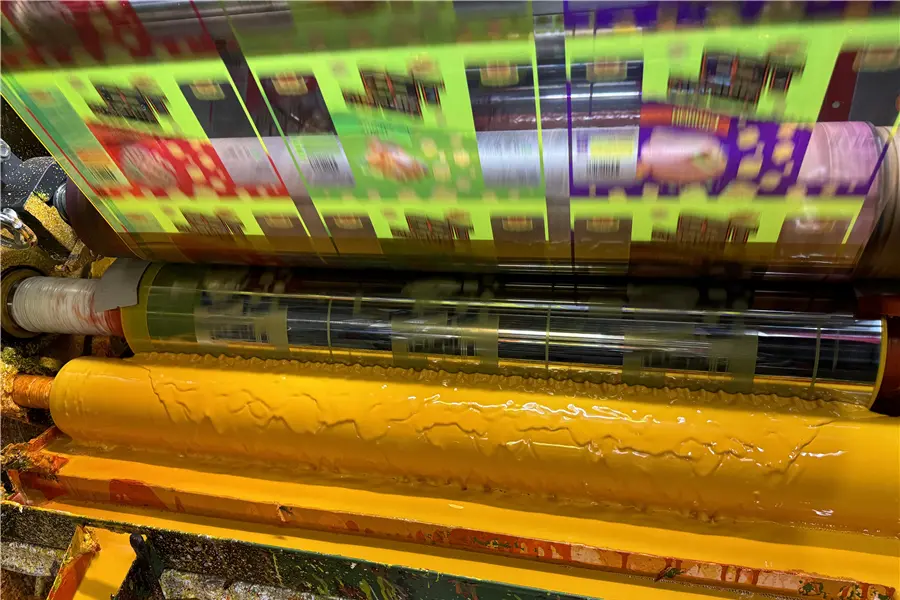
High-precision color registration utilizing state-of-the-art gravure presses with computerized tension controls.
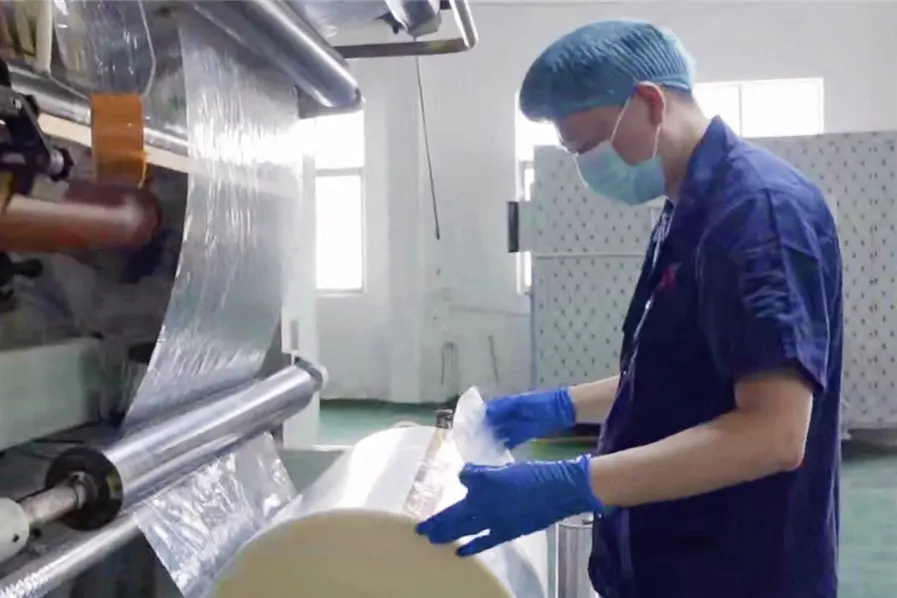
Multi-layer adhesive lamination designed for high barrier properties and structural integrity.
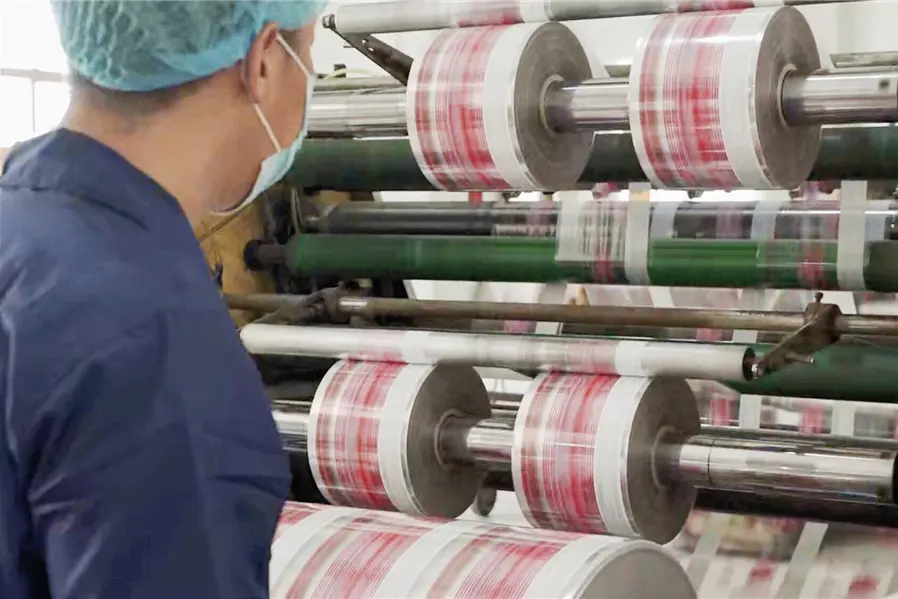
Precision longitudinal cutting to achieve exact roll width configurations for high-speed applicators.
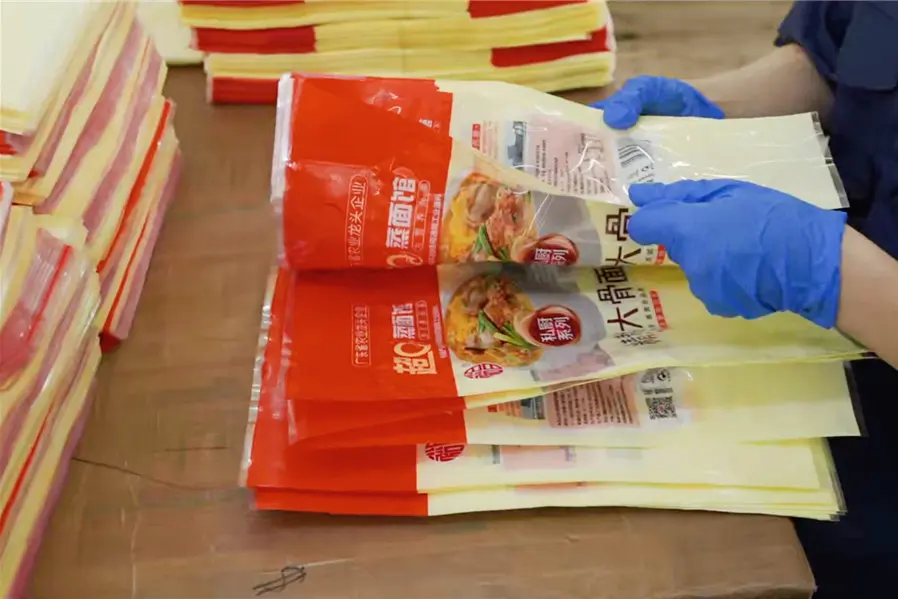
Forming flat bottom, stand-up, or side-gusset styles with precision heating and sealing profiles.
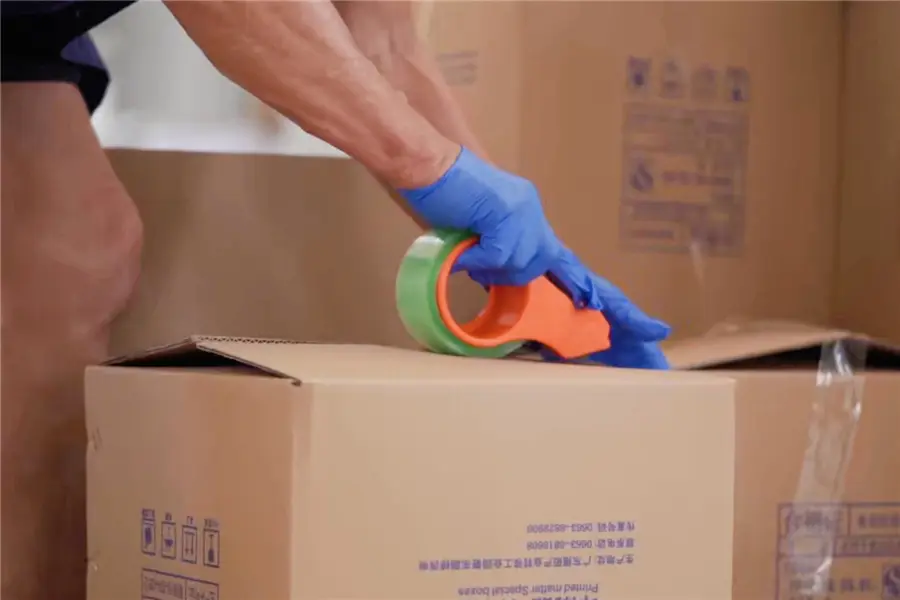
Protective palletization and moisture-proof outer wraps designed to maintain stability during transport.
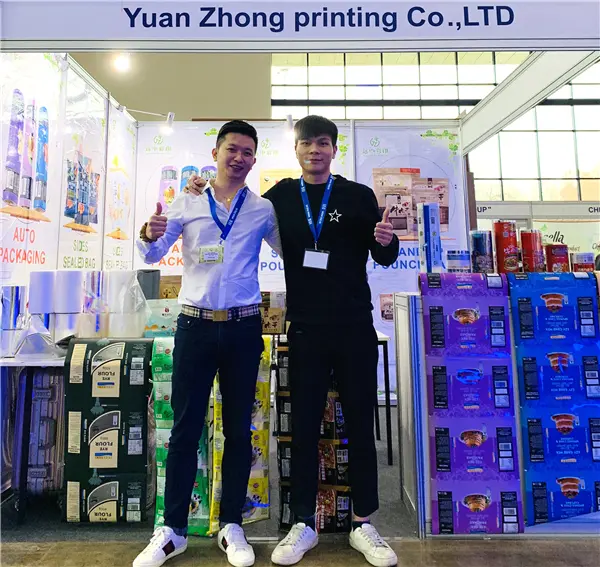
Exploring the World Through Exhibitions: A Journey Across More Than 10 Countries, Building Long-term Global Alliances.
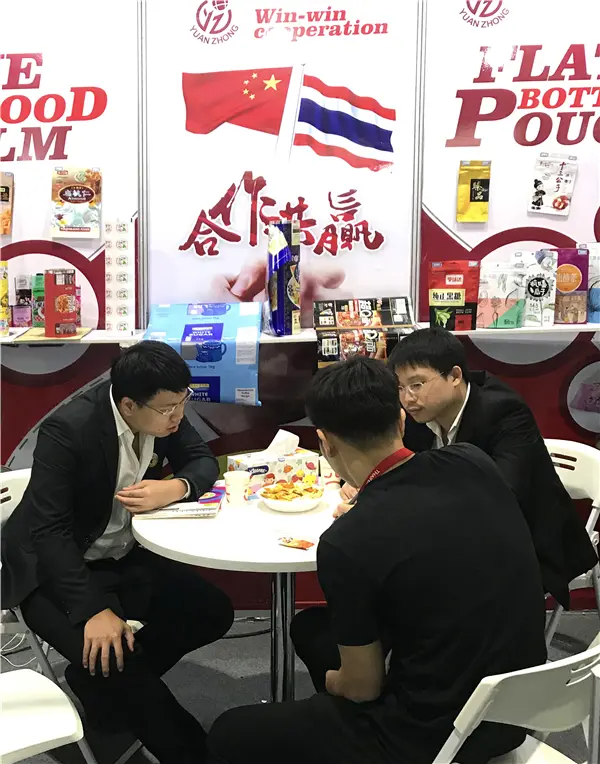
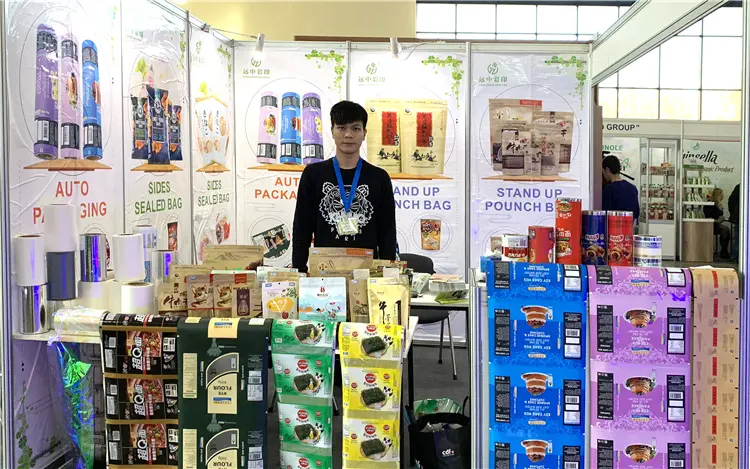
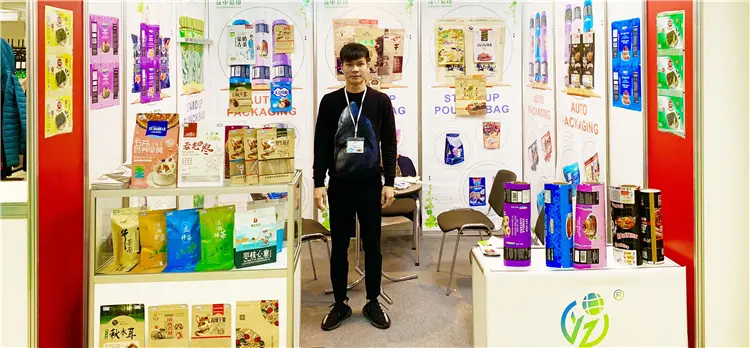
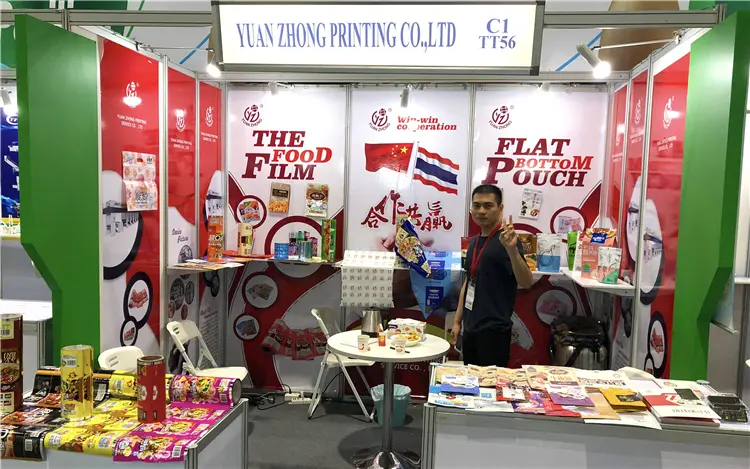
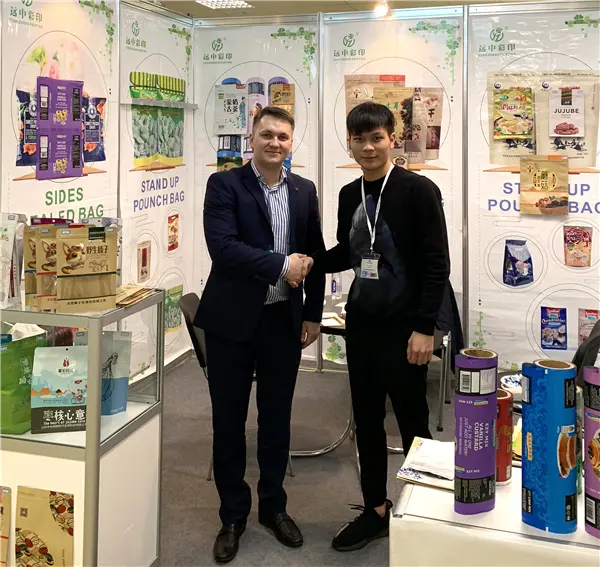
Cooperating with More Than 20 Brands: A Testament to Our Commitment to Excellence and Global Supply Chain Integration.


Expert answers addressing the material specifications, application metrics, and logistics of PVC labels.
High-performance PVC shrink labels are engineered to achieve a Transverse Direction (TD) shrinkage rate between 58% and 65%. Conversely, the Machine Direction (MD) shrinkage rate is controlled under 3% to 5%. This prevents vertical warping, smiling, or pulling along the longitudinal axis of the bottle.
We maintain thickness consistency through strict inline scanning technologies and precision manufacturing. By monitoring tolerances at ±5% across custom gauges (ranging from 30 to 50 microns), we ensure smooth label feeding in high-speed, automated packaging systems.
All of our materials undergo heavy metal screening to ensure compliance with RoHS, REACH, and California Proposition 65 directives. For food-contact applications, we utilize FDA-compliant, low-migration ink systems to prevent food contamination.
Yes, our PVC labels are designed for use with both steam and electric air-circulation heat tunnels. Because of the material's stable shrinkage window (typically 90°C to 130°C), it shrinks uniformly without burning or splitting.
Standard production runs, including cylinder preparation and proofing, are completed within 14 to 21 business days. Our integrated production process minimizes transit bottlenecks, enabling consistent delivery timelines for international shipments.
Gravure printing excels in B2B packaging because of its thick ink layers, bright colors, and high saturation. It maintains precise color consistency across long runs of 100,000+ units, outperforming flexographic methods in registration accuracy and durability.
High-barrier structures and flexible roll stock materials engineered for diverse global consumer sectors.
 Yuanzhong Printing