 Yuanzhong Printing
Mexican Packaging Industry Landscape & Market Dynamics
An in-depth analysis of regulatory shifts, material demands, and supply chain strategies for corporate sourcing managers.
1. The Strategic Shift in Mexican FMCG Packaging
Mexico's flexible packaging market is undergoing a seismic transition. Driven by structural shifts in urban centers such as Mexico City (CDMX), Guadalajara, Monterrey, and the Bajío industrial corridor, consumers and brands alike are moving away from heavy, rigid packaging like glass and tin. Stand-up pouches (SUP) have emerged as the dominant structural layout due to their remarkable lightweight footprint, optimization of warehouse shelving, and significant reduction in transport emissions.
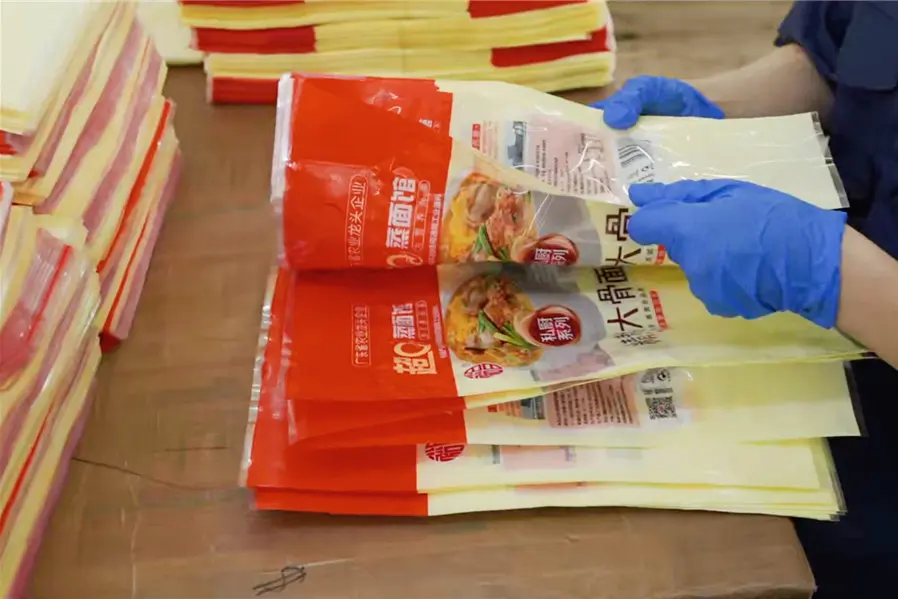
Crucially, the regulatory space in Mexico has tightened. The implementation of the updated NOM-051-SCFI/SSA1-2010 standard (front-of-pack warning labels for calories, sodium, sugars, and saturated fats) requires flexible packaging to support ultra-precise, high-fidelity rotogravure printing. Brands must accommodate bold octagonal warning seals while maintaining high-impact marketing imagery and product descriptions. Our advanced printing systems ensure that complex warning labels do not compromise branding space, providing sharp, clean margins even on textured films or kraft paper surfaces.
2. China's Industry 4.0 vs. Local Nearshoring in Mexico
While nearshoring to Mexican converters in industrial zones like Querétaro or Nuevo León is popular, local manufacturers often face severe bottlenecks: volatile raw material costs, limited access to high-barrier raw films (such as EVOH or high-purity Aluminum foil), and long queues for custom tooling.
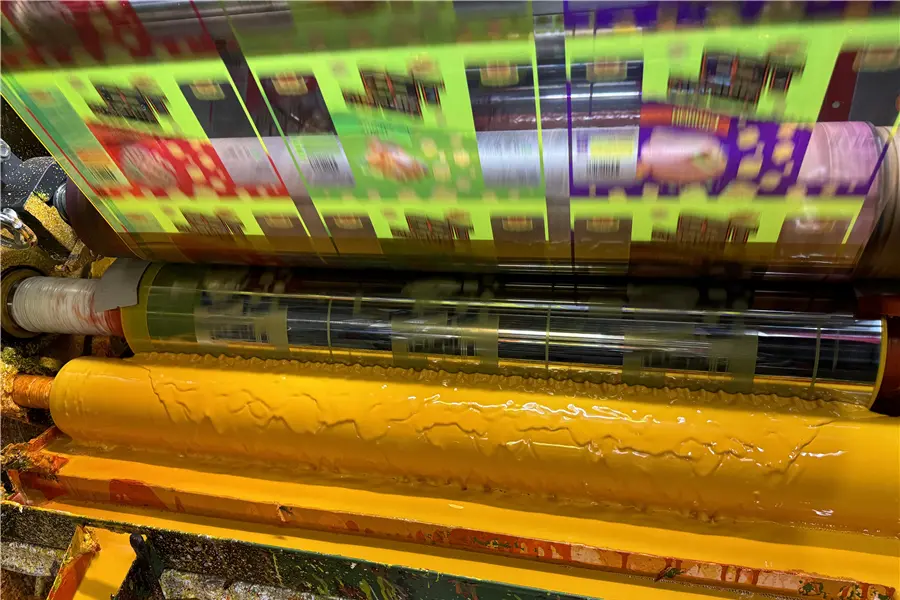
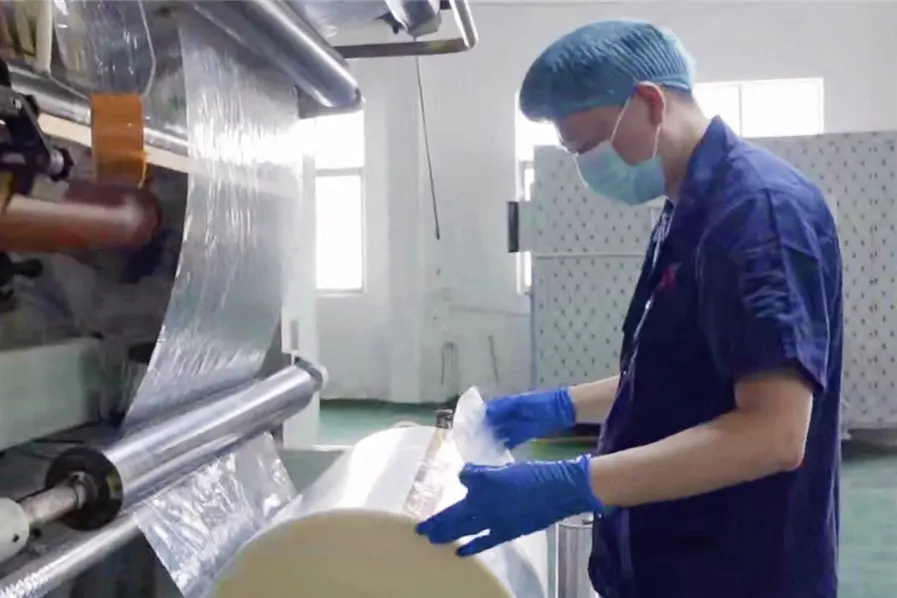
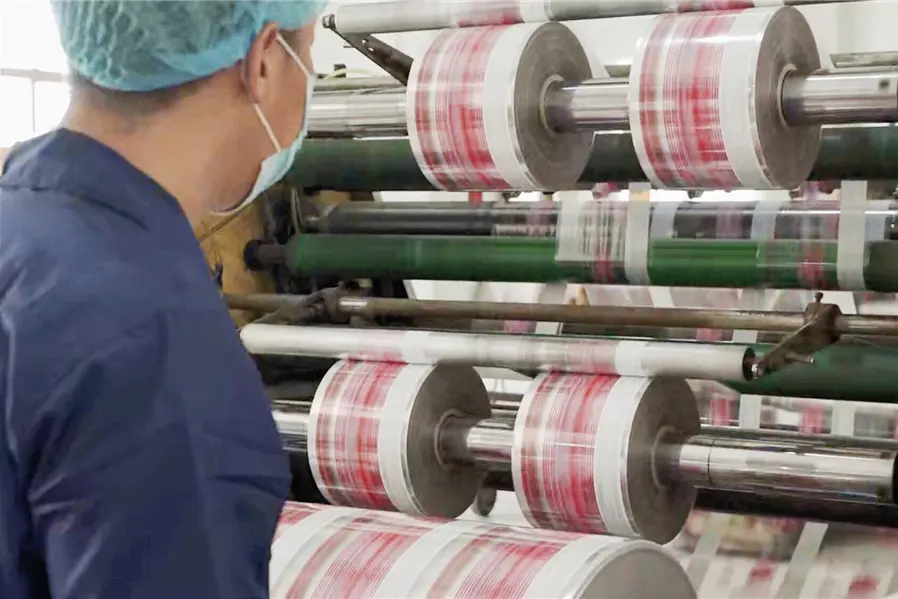
Jieyang Yuanzhong Printing Co., Ltd. bridges this gap by applying China's advanced Industry 4.0 smart manufacturing matrix to the Mexican market. Located in the high-tech Jiedong District of Jieyang City, Guangdong Province, we operate state-of-the-art facilities featuring imported Japanese Komori fully automatic printing lines. Our centralized supply chain enables a consistent monthly production output exceeding 240 tons. By utilizing automated lamination control, digital defect detection, and online gas-chromatography analysis for residual solvents, we guarantee that every batch meets the strict health standards enforced by both the FDA and COFEPRIS (Comisión Federal para la Protección contra Riesgos Sanitarios).
3. Technical Material Analysis for Dynamic Climates
Mexico's geography features radical climatic shifts: from the high arid plains of Chihuahua to the humid, tropical environments of Veracruz and Chiapas. Flexible packaging must prevent physical degradation caused by atmospheric elements.
| Pouch Configuration | Material Layer Breakdown | Typical Application Scenario | Barrier Performance level |
|---|---|---|---|
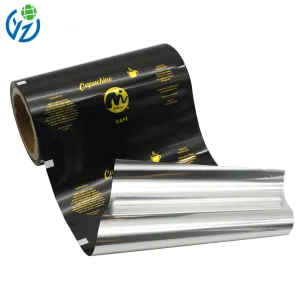
| High-Barrier Foil Pouches | PET / AL / PE or PET / VMPET / PE | Premium Coffee, Chili Powders, Milk Powder | Maximum: Total protection against UV, Oxygen, and Moisture |
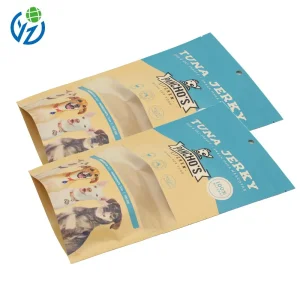
| Eco-Friendly Pouches | Kraft Paper / PLA or Mono-PE | Organic Cereals, Artisan Snacks, Seeds | Medium: Bio-degradable, highly sustainable, decent shelf-life |
| Clear Window Retort Pouches | BOPA / PVDC-PET / CPP or EVOH-PE | Wet Pet Food, Ready-to-Eat Stews, Sauces | High: Autoclave sterilization compatible, visible content |
By utilizing multi-layer co-extrusion technology, we prevent moisture absorption and product oxidation, ensuring long-term shelf stability without the need for excessive synthetic preservatives.