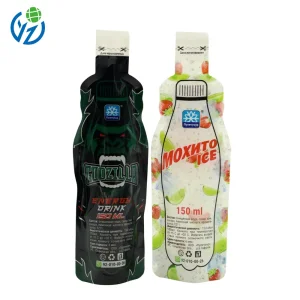
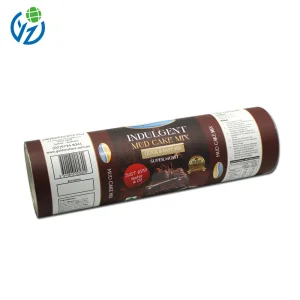
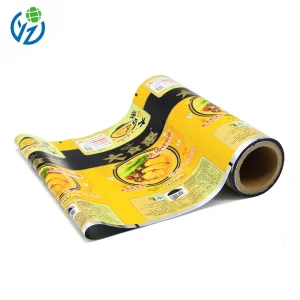
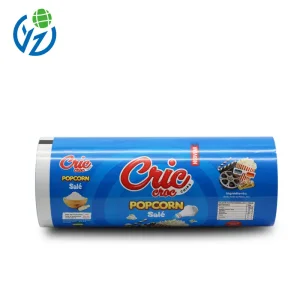
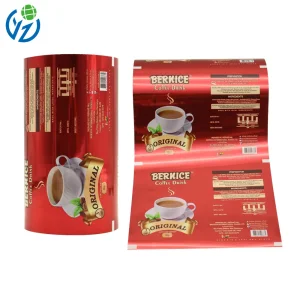
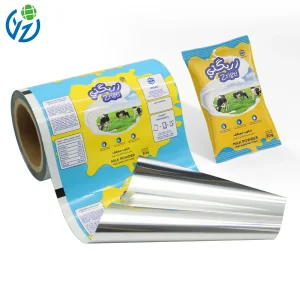
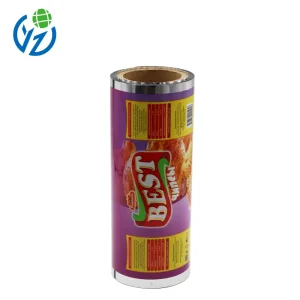
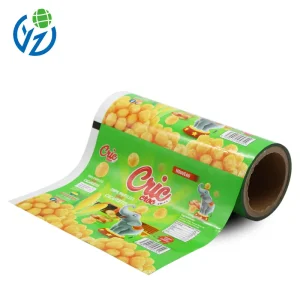
Engineered to withstand Gulf thermal demands, optimized for shelf appeal and barrier preservation
Industrial dynamics driving the adoption of custom shaped pouches in the GCC region
Under the national transformation framework of Saudi Vision 2030, the Kingdom is aggressively pivoting towards domestic downstream industrialization, food security, and localized manufacturing. The transition from rigid containers (plastic jars, metal tins) to flexible pouches reduces carbon emissions in logistics, saves warehouse space, and lowers overall costs. Custom shaped packaging offers manufacturers in Riyadh, Jeddah, and Dammam a strategic tool to differentiate local brands against international imports, achieving modern shelf layouts in Hyperone, Panda, and Lulu supermarkets.
Food grade safety compliance is non-negotiable for importing into KSA. The Saudi Food and Drug Authority (SFDA) enforces strict guidelines concerning material migration limits, plasticizers, and direct food contact layers. Our shaped bags and laminates utilize FDA and SFDA certified resins, ensuring that products preserve organoleptic properties without any toxicological risk. Every batch undergoes comprehensive testing for volatile organic compounds and thermal migration, meeting the demanding local conditions of 45°C+ summer logistical operations.
The Middle East presents unique storage environment challenges. High ambient temperatures combined with varying coastal humidity (e.g., in Jeddah or Dammam) demand packaging materials with exceptionally low Water Vapor Transmission Rates (WVTR) and Oxygen Transmission Rates (OTR). Our multilayer metallized aluminum foil laminates provide an absolute barrier, blocking light, gas, and moisture, preventing rancidity in snacks and preventing dates from drying out or fermenting prematurely.
Bridging global technological innovations with localized GCC supply chain networks
The global shift is towards mono-material PE (Polyethylene) or PP (Polypropylene) laminates that match the barrier levels of traditional PET/Alu/PE composites. Our technical roadmap supports Saudi manufacturing plants transition towards fully recyclable bags while sustaining high performance on standard filling machines.
Consumer interaction starts with texture. Incorporating tactile finishes such as soft-touch coatings, paper-feel textures, and spot UV varnishes enables products to convey premium positioning, reflecting the high purchasing power of Saudi consumers.
Integrating oxygen scavengers, anti-microbial coatings, and QR codes for tracking and anti-counterfeiting is changing the retail ecosystem. Smart integration protects brand equity in regional distribution networks.
Globally, the flexible packaging market is expected to reach over USD 370 billion by 2030, with shaped pouches showing the highest CAGR among design configurations. The physical design flexibility allows brand owners to construct distinct silhouettes that mimic the shapes of bottles, fruits, or custom brand icons. This design strategy leverages human visual cognitive processing, driving immediate consumer recognition on shelves where thousands of SKUs compete for attention.
Engineered layers for structural integrity and high-speed filling line performance
Shaped bags are subject to asymmetric physical stress, especially along die-cut corners. Traditional structural layers may suffer from delamination or stress-cracking. To solve this, our materials engineering department deploys specific multi-ply systems designed for durability:
| Layer Order | Material Layer | Functionality | Thickness Range |
|---|---|---|---|
| Outer Layer | BOPA / PET (PET-PVDC) | Print reception layer, high mechanical strength, puncture resistance, thermal tolerance during sealing. | 12 - 15 microns |
| Barrier Layer | AL (Pure Aluminum) / VMPET / EVOH | Complete block against oxygen, moisture, UV, preserving aromas of Saudi coffee (Kahwa) and dates. | 7 - 12 microns |
| Laminating Adhesive | Solvent-Free Polyurethane | Bonds structural layers together, ensuring zero delamination at temperatures up to 121°C (Retort grade). | 2 - 3.5 g/m² |
| Inner Sealant Layer | CPP / LLDPE (Metallocene catalyst) | Direct food contact seal layer, low-temperature seal initiation, structural shape retention, oil resistance. | 50 - 120 microns |
Irregular profiles and customized bag edges can cause structural stress, leading to leaks or tears during distribution. Jieyang Yuanzhong Printing utilizes automated, high-precision laser-guided die-cutting units. By maintaining a clean edge finish with radius corner profiles, we minimize packaging fatigue, drop-test failures, and micro-pinhole leaks.
We calibrate our production to suit modern, high-speed automated packaging machines. By tuning the heat seal initiation temperatures (SIT) and ensuring wide seal temperature windows, our shaped films and pre-made pouches perform at high efficiency on both rotary fill-seal and horizontal form-fill-seal (HFFS) lines.
Empowering local industries to meet changing consumer habits across the GCC region
Dates (Khalas, Ajwa, Sukkari) represent KSA cultural heritage and agricultural exports. Our custom shaped pouches featuring transparent windows, resealable zippers, and high-barrier metallized structures preserve dates' moisture balance and chewiness while attracting international buyers.
Preserving the aromatic profiles of roasted Arabic coffee and cardamom is a key technical requirement. Our multi-layer aluminum packaging utilizes degassing valves and structured gusset shapes to ensure freshness and long-term shelf storage under typical GCC summer climates.
Replacing heavy plastic bottles, our ergonomic shaped spout pouches are widely adopted by juice, sauce, and beverage producers in Al Khobar, Riyadh, and Jeddah. Liquid-packaging safety, anti-spill spouts, and drop-proof sealing support urban consumer convenience.
Take an inside look at Jieyang Yuanzhong Printing's step-by-step production line
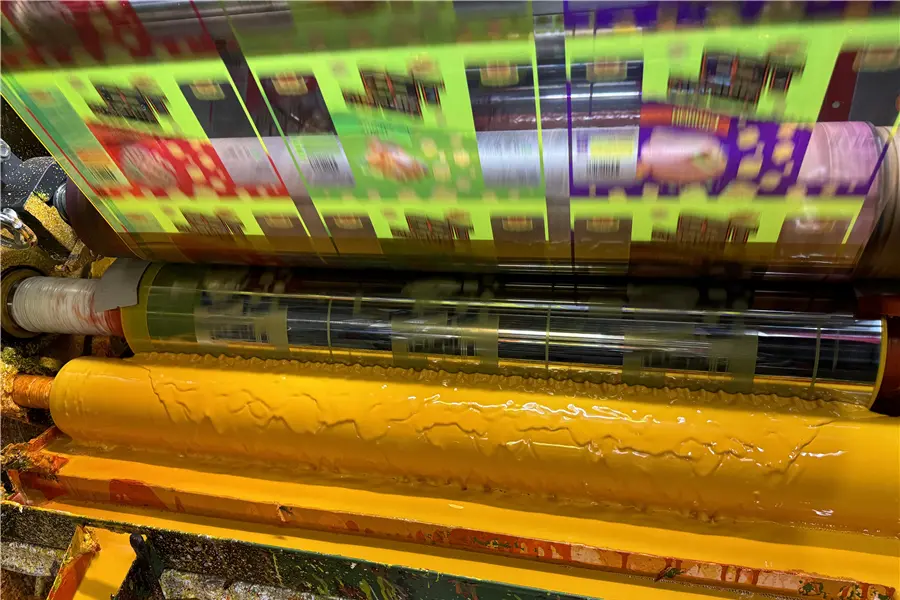
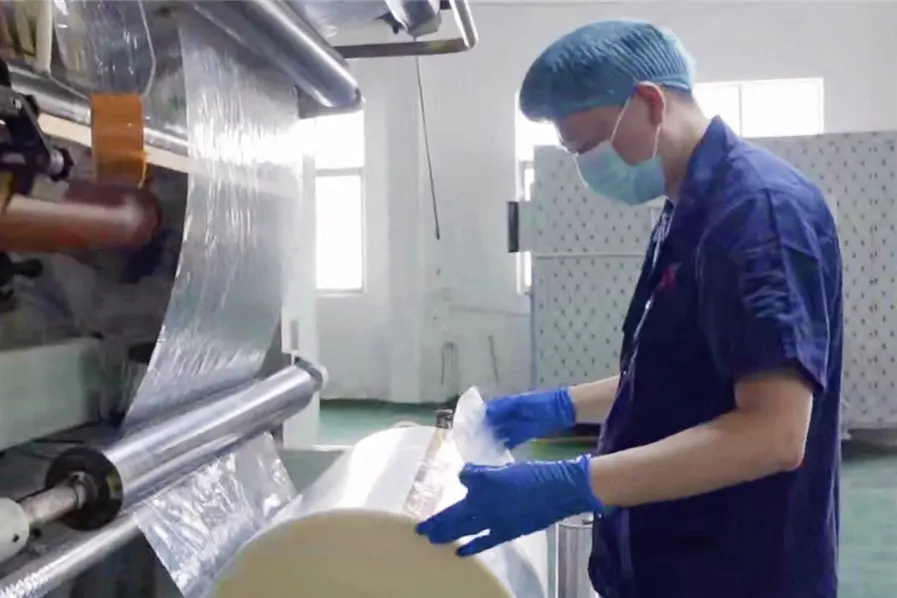
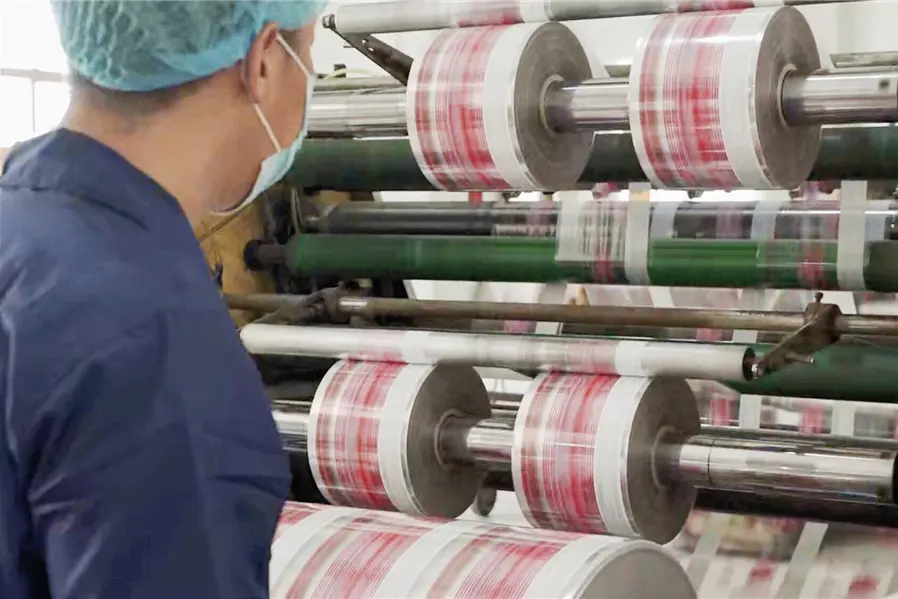
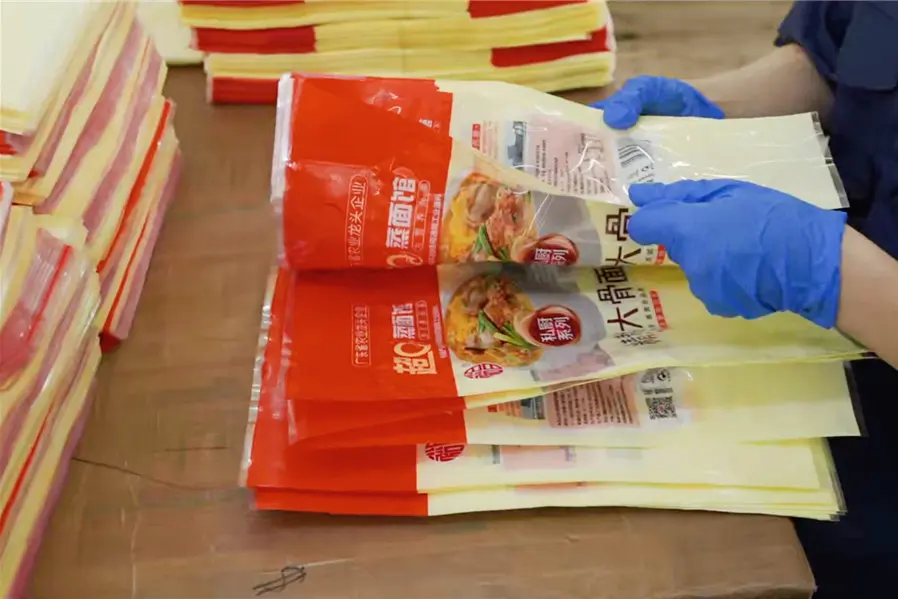
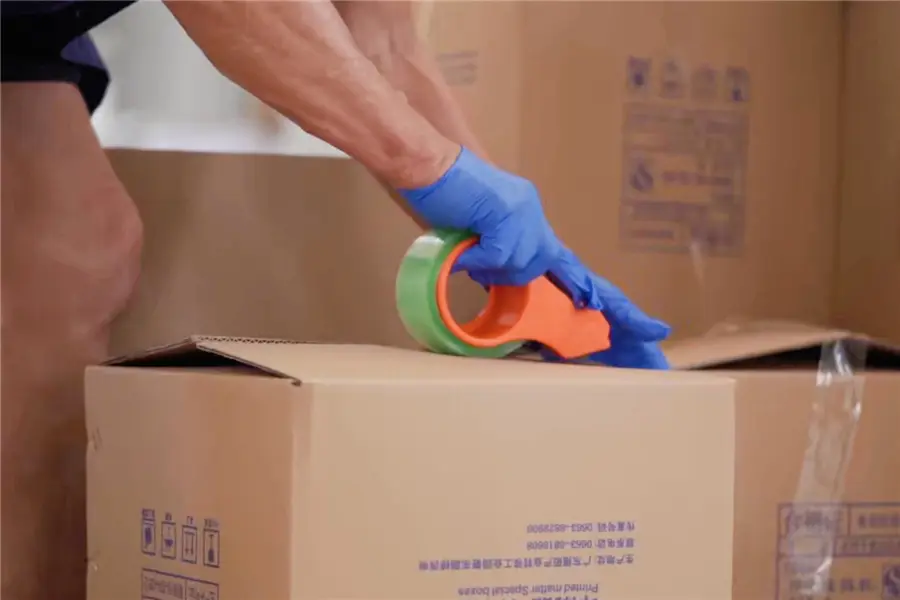
Utilizing high-speed gravure technology, imported Japanese Komori automatic production lines, and solvent-free composite machines, our plant delivers an output exceeding 240 metric tons monthly, ensuring consistent supply schedules for large KSA operations.
Participating in packaging expos worldwide to highlight flexible bag innovation and material safety
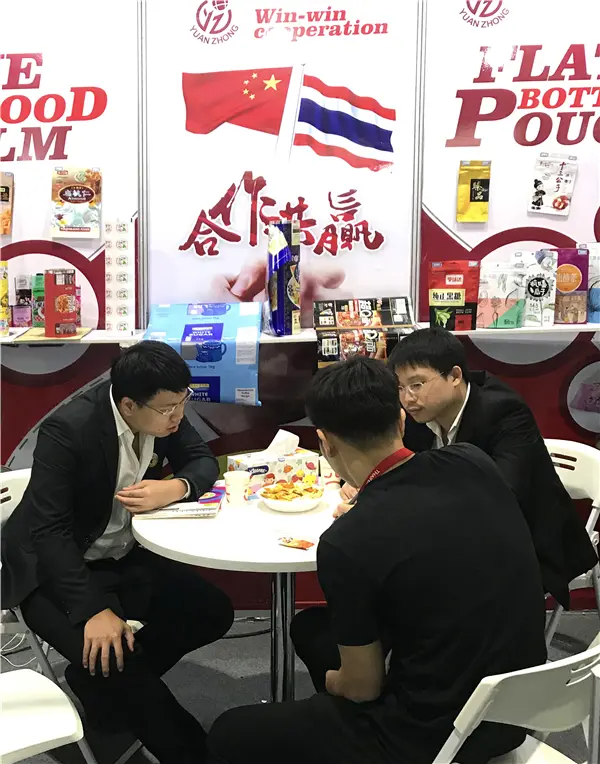
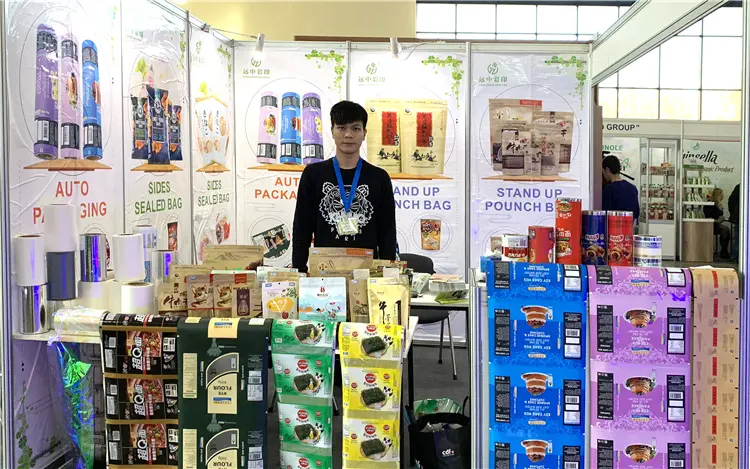
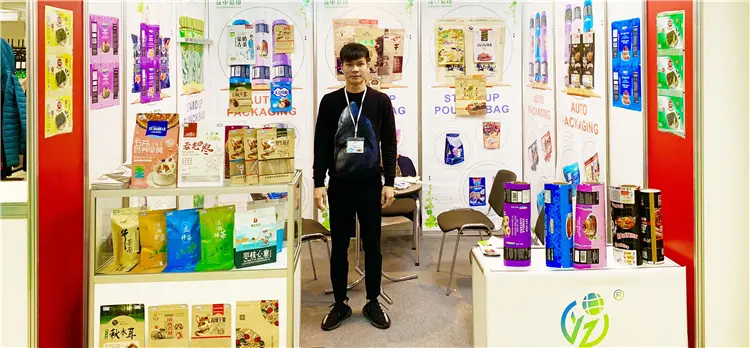
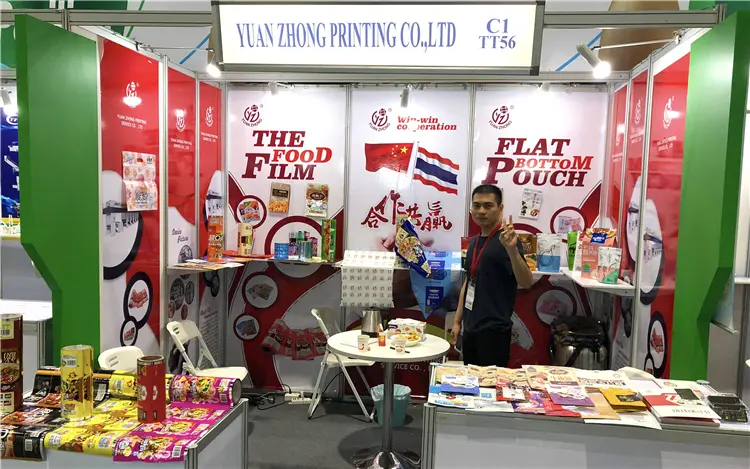
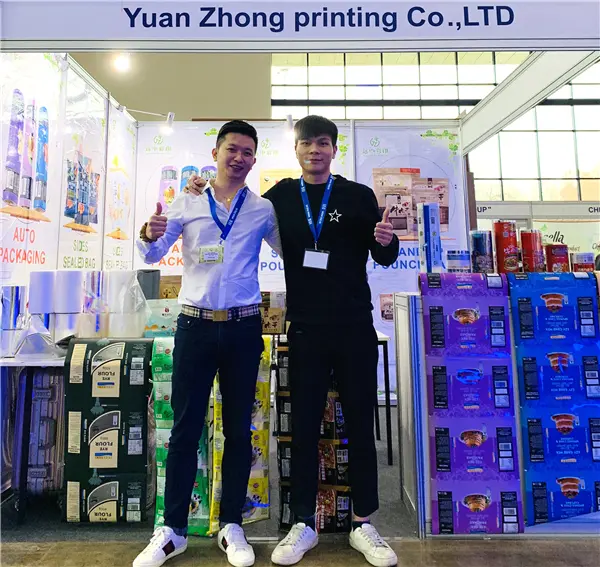
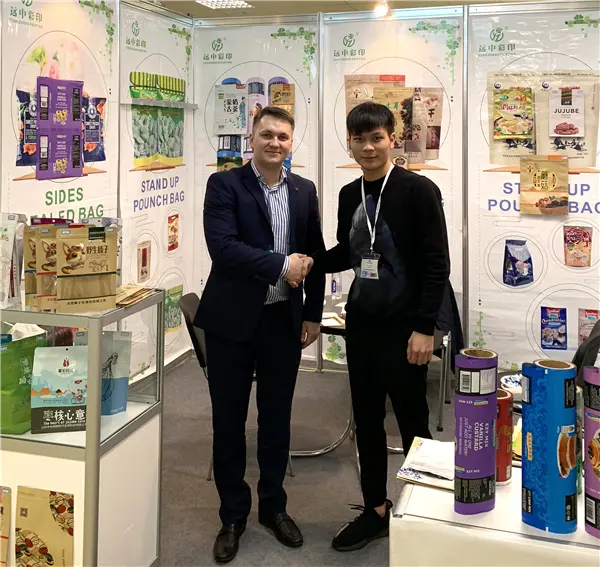
Strict quality and technical criteria trusted by over 20 global partners




Resolving key design, regulatory, and logistics queries for KSA commercial procurement
A: We provide complete Food Contact Declarations of Compliance (DoC) and test certificates showing migration rates are within SFDA standards. Our raw resin components are sourced from globally recognized suppliers to guarantee the absence of heavy metals or harmful plasticizers.
A: Yes. We use specific retort-grade materials (including Cast Polypropylene - CPP, high-temp adhesives, and nylon laminates) designed to withstand steam sterilization processes up to 121°C for 30 minutes without risk of delamination or bursting.
A: We coordinate directly with global logistics partners to manage import paperwork for primary Saudi ports, including Jeddah Islamic Port and King Abdulaziz Port in Dammam. Consignments are packed on export-certified pallets and sealed with desiccant systems to protect the film from moisture during sea transit.
A: Our typical lead time is 18 to 25 days from plate approval to shipment, depending on order size and structure complexity. Re-orders feature accelerated turnaround cycles due to stored cylinder gravure tooling.
High-barrier structures and flexible films for custom filling operations
 Yuanzhong Printing