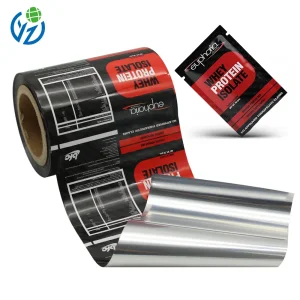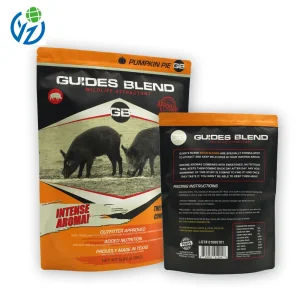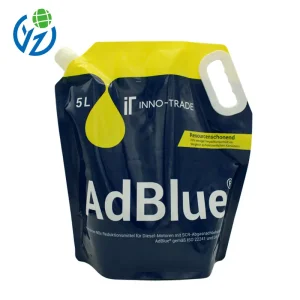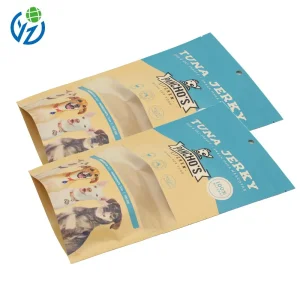
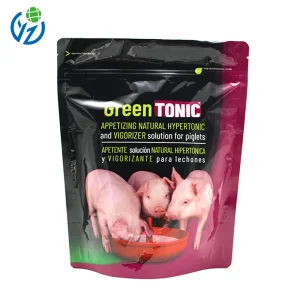
Modern commercial and industrial models operate on ultra-optimized, international supply chains. Packaging is no longer merely a shell to contain products; it is a complex, high-engineered preservation system. As a leading OEM Printing Pack Supplier, we recognize the shifts in global consumption behavior. Driven by retail modernization, fast-moving consumer goods (FMCG) expansion, and pharmaceutical packaging standards, manufacturers demand customizable and robust packaging materials.
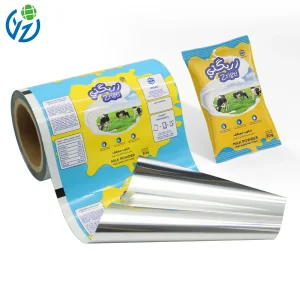
Utilizing gas, moisture, and UV light blocking layers. Excellent preservation capabilities (Oxygen Transmission Rate close to 0 in aluminum-foil-laminated formats) crucial for milk powders, sterile pads, and delicate snack foods.
FDA-approved materials combined with clean-room pouch converting operations. Our production lines conform to chemical composition, bisphenol-A (BPA) exclusion, and heavy metal testing requirements across EU and US markets.
Optimal Coefficient of Friction (COF) properties that prevent slippage on high-speed industrial vertical form fill seal (VFFS) and horizontal form fill seal (HFFS) packaging machines.
The global flexible packaging sector is undergoing a massive regulatory and mechanical overhaul. Supply chain managers are actively seeking to reconcile durability demands with eco-responsibility initiatives.
Traditional multi-material laminates (e.g., PET/PE) are difficult to recycle. Modern trends focus heavily on Mono-Material PE (Polyethylene) or PP (Polypropylene) structures that deliver identical barrier properties with EVOH coatings while remaining completely recyclable within standard post-consumer waste streams.
Incorporation of PLA (Polylactic Acid) and PBAT bio-resins has shifted from experimental to mass production. This is highly suitable for quick-turnaround food pack options, dry grains, and single-use hygienic wrappers.
Leveraging high-resolution rotogravure and digital printing to incorporate trace-and-track serialized QR codes. These connect consumers directly to batch origin data, carbon offset reports, and product authentication protocols.
Procurement directors globally do not just buy materials; they buy risk mitigation. Global shipping bottlenecks, rising raw polymer costs, and tightening regulatory frameworks highlight the value of sourcing from an integrated, capital-heavy manufacturing region.
Guangdong province's packaging clusters deliver unparalleled structural resilience. By combining polymer raw material extraction, compounding, film blowing, multi-color rotogravure printing, dry/solventless lamination, curing, and automated pouch conversion within a single geographic region, we drastically minimize freight, coordination, and processing times.
Our facility at Jieyang Yuanzhong Printing Co., Ltd. serves as a reliable node in this industrial matrix. Under strict ISO protocols, we utilize advanced automated processing technologies, reducing raw materials waste, maximizing printing registration precision, and avoiding common post-conversion packaging errors (such as delamination, chemical smell migration, and sealing leaks).
A recognized leader in the flexible packaging printing industry. Established as a private enterprise in 2001 in Jiedong District, Jieyang City, Guangdong Province, we possess over two decades of highly specialized manufacturing experience.
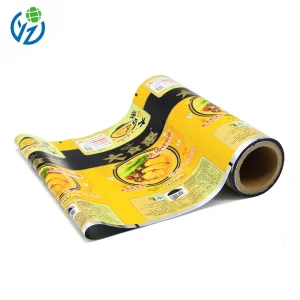
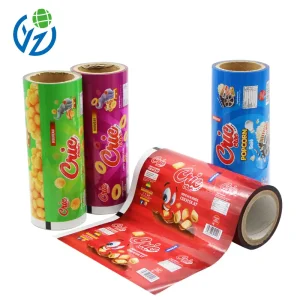
Yuanzhong Pack specializes in packaging decoration printing and the automated conversion of high-quality plastic packaging bags. Our production facilities include imported equipment such as Japan Komori fully automatic printing lines. This enables us to achieve a monthly production capacity of over 240 tons, supporting a growing international client base.
Customization is the core of our business model. We recognize that each product requires unique structural barriers, physical properties, and aesthetics. Our technical engineering division handles requests for unique material layers, customized barrier films, and specific structural shapes to align with your design ideas.
With a comprehensive shipping network, we export our packaging solutions to more than 30 countries globally. Our products are recognized for reliability, meeting safety and durability requirements for various regional markets.
Gravure printing is key to high-volume commercial and industrial packaging due to its performance qualities: thick ink laydown, color intensity, high durability, consistent runs, and fast production speeds.
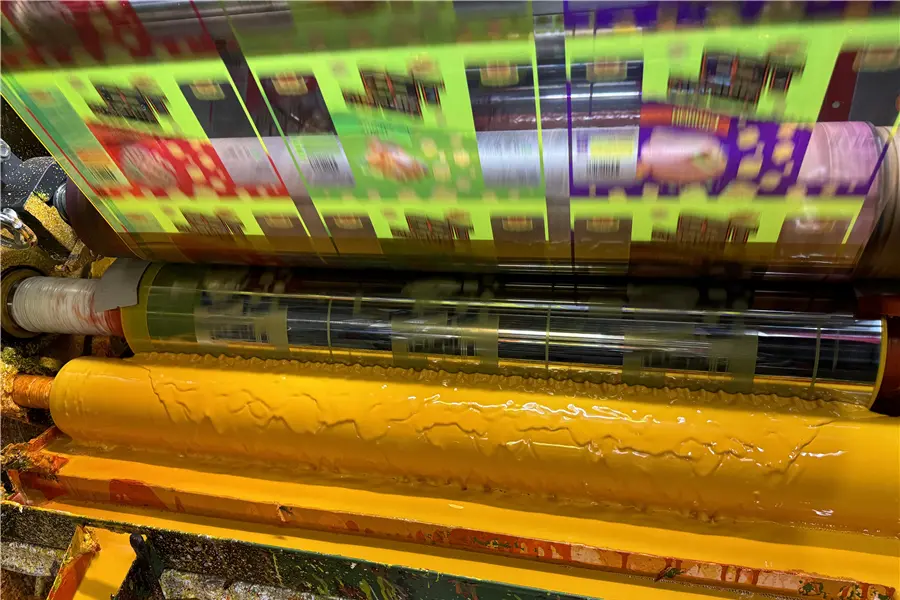
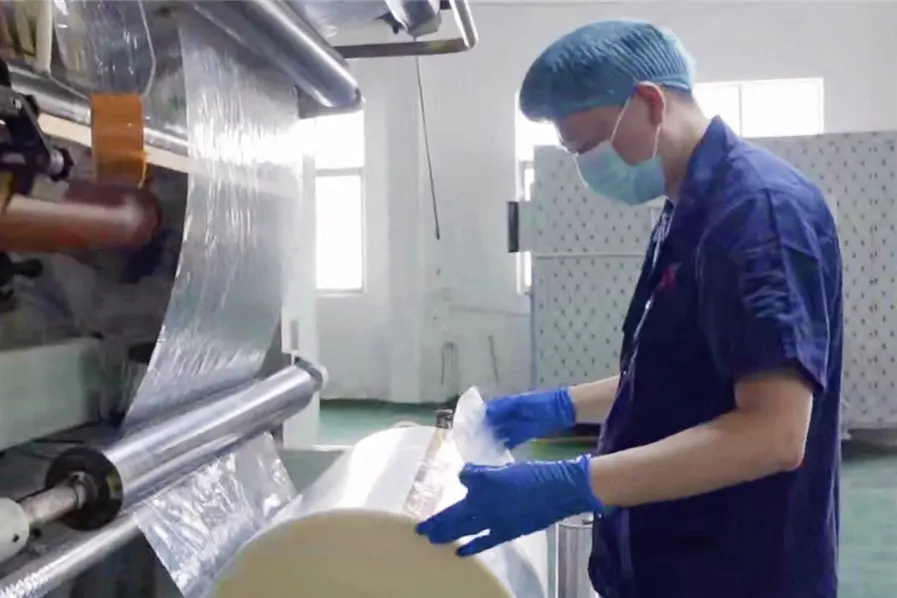
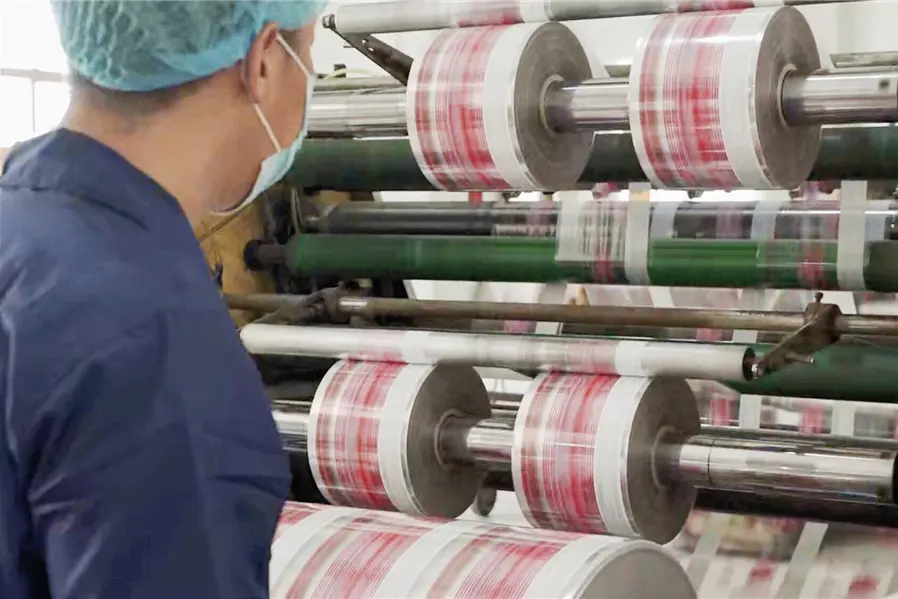
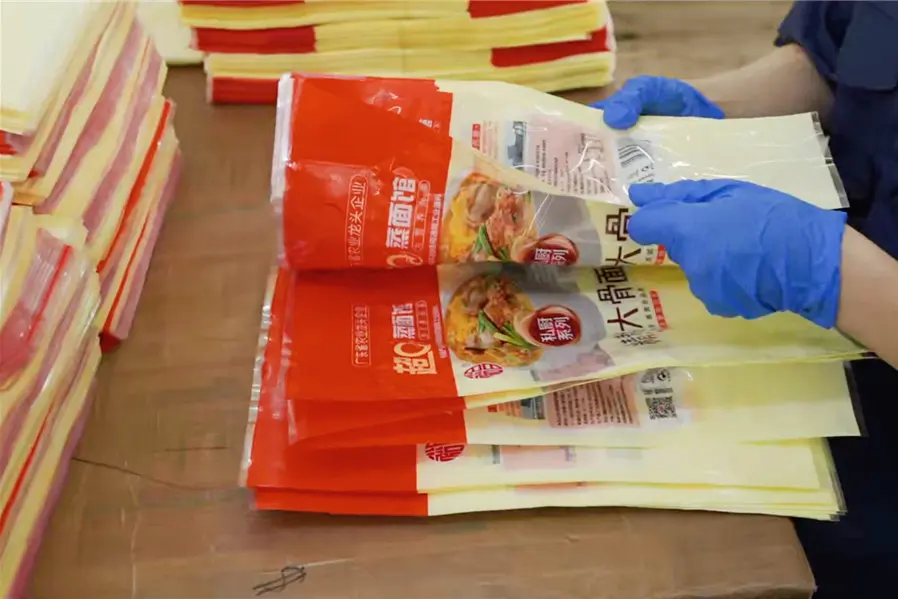
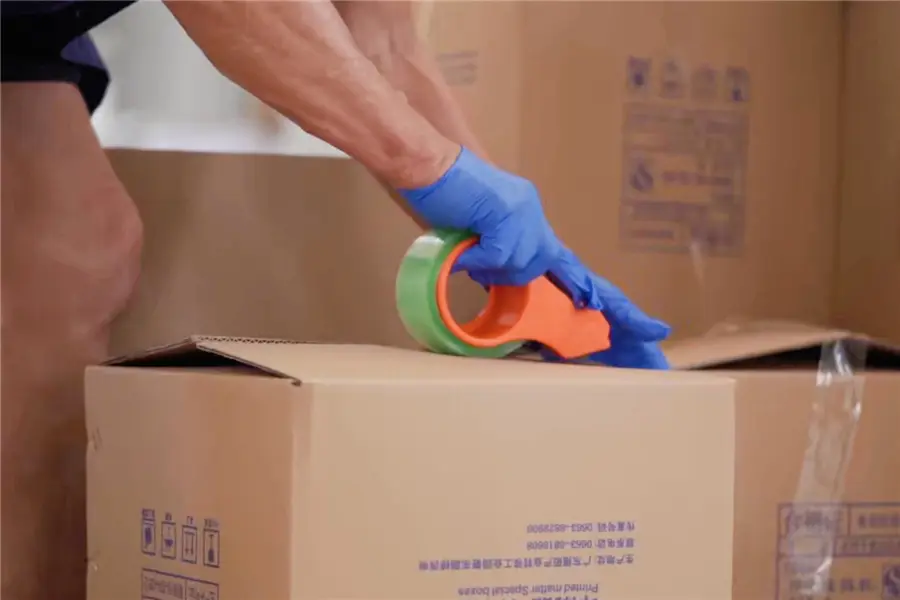
Every market and sector has specific structural demands. Below is an overview of standard market requests and the structural configurations we implement to address them:
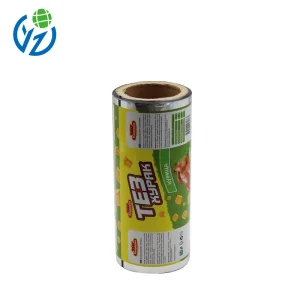
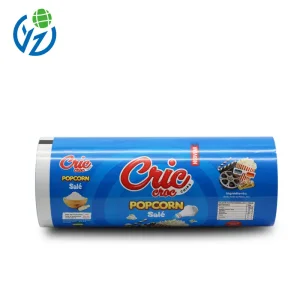
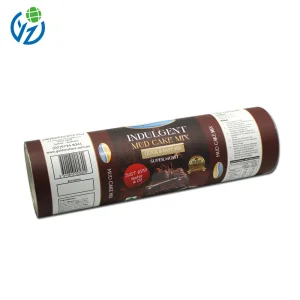
Products like puffed snacks and cake mixes require high grease resistance and moisture barriers. We utilize BOPP/VMPET/PE co-extrusions to block oxygen, prevent light degradation, and retain interior gas mixes (such as Nitrogen flushing) to extend product shelf life.
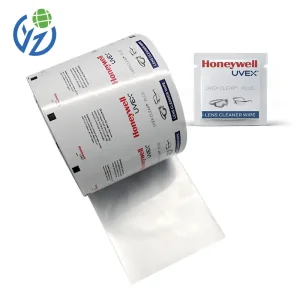
Products such as alcohol disinfection pads require chemical resistance and hermetic seals. We use specialized polyester films laminated to soft foil and linear low-density polyethylene (LLDPE) to prevent isopropyl alcohol evaporation through the film.
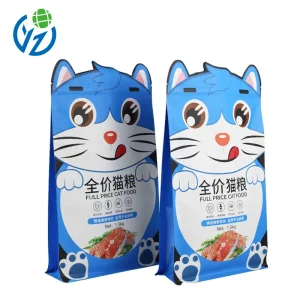
Heavy bags (flat-bottom, side-gusseted) require puncture resistance. We incorporate biaxially-oriented nylon (BOPA) to prevent punctures from dry kibble and utilize puncture-resistant resins to ensure package integrity during shipping.
Participating in major international industry trade fairs allows us to connect with partners worldwide, track emerging standards, and share packaging developments across over 10 countries.
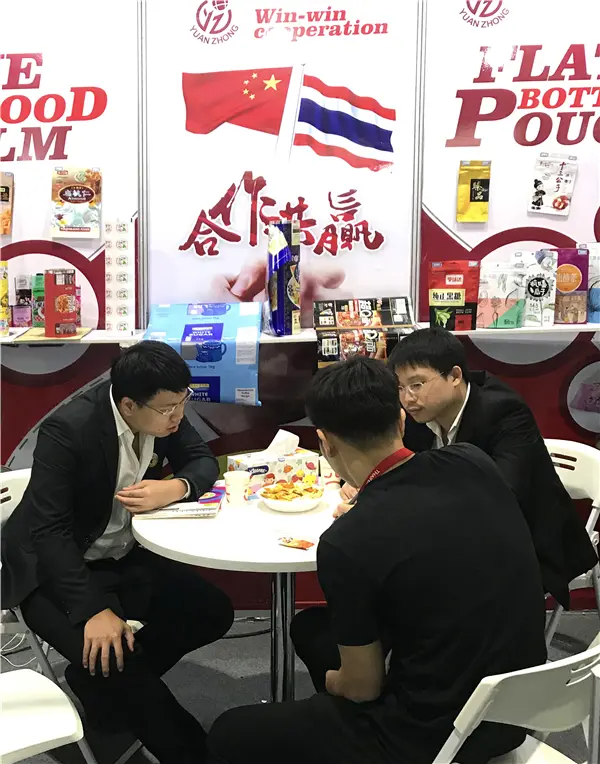
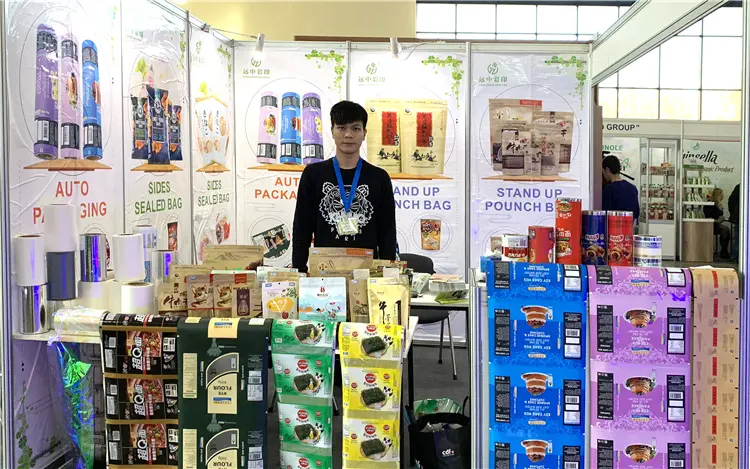
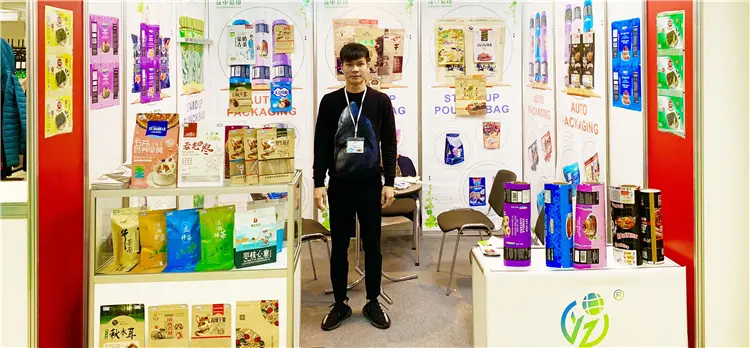
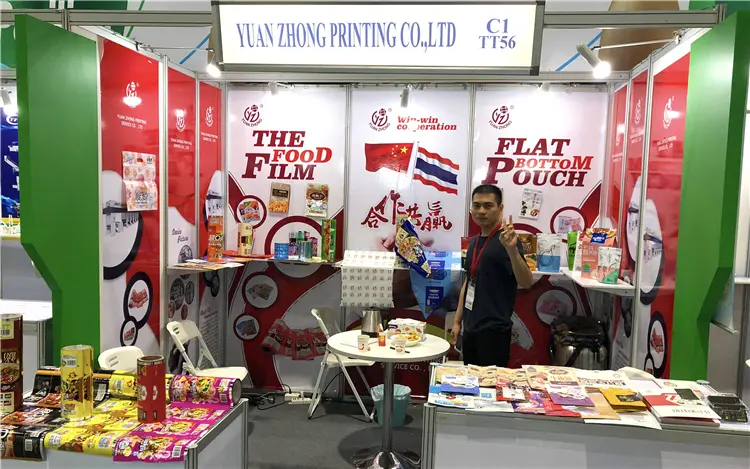
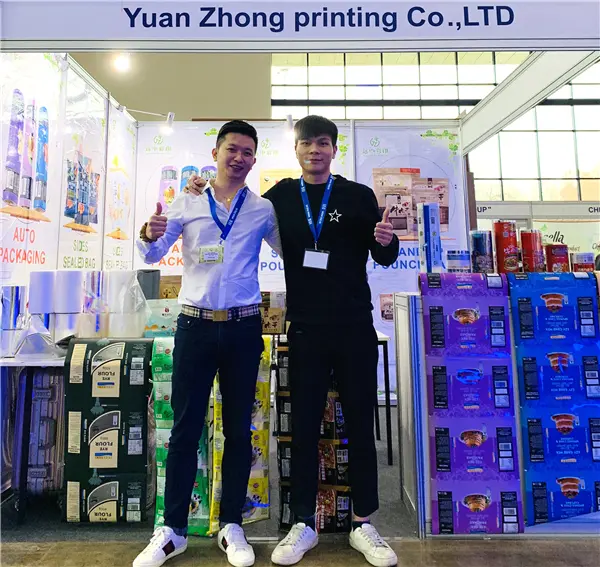
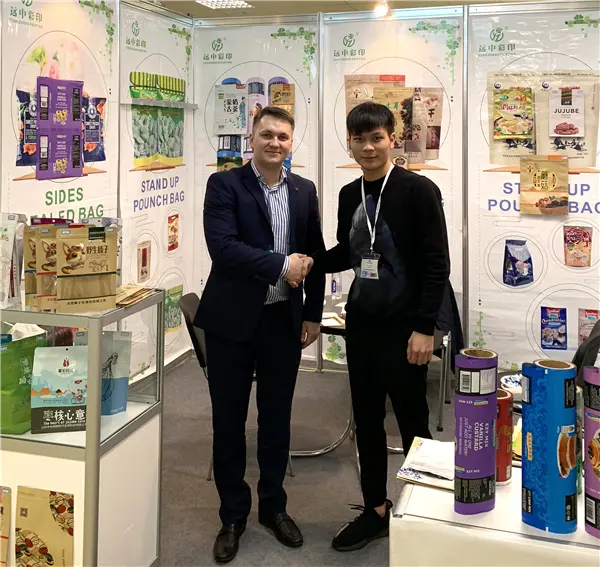
We supply and collaborate with more than 20 global brands, providing consistent material quality and reliable supply schedules.


Answers to key technical questions regarding materials sourcing, barrier specs, and custom rotogravure printing:
 Yuanzhong Printing