Engineered roll films and custom pouches featuring exceptional oxygen, vapor, and aroma barrier qualities.
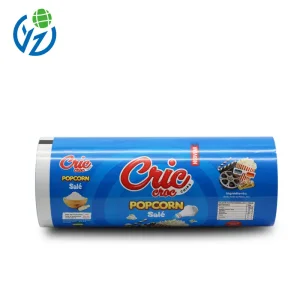
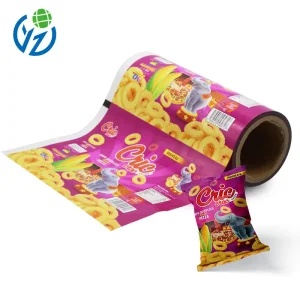
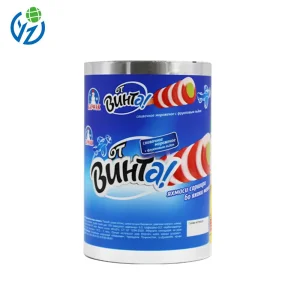
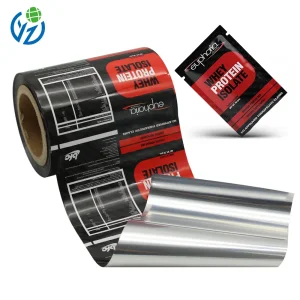
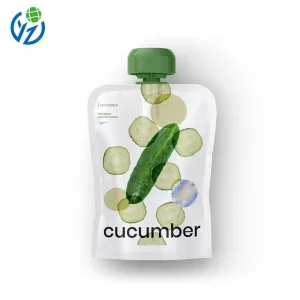
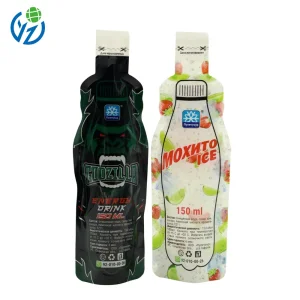
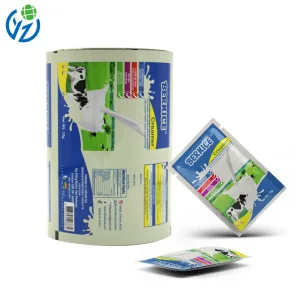
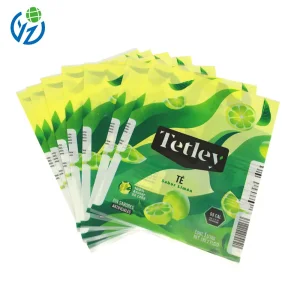
In modern Fast-Moving Consumer Goods (FMCG) and industrial markets, flexible packaging has progressed from standard protection to a primary touchpoint for brand expression and sustainability. Selecting a capable manufacturer for OEM plastic printed pouches involves evaluating polymer chemistry, barrier engineering, regulatory compliance, and print calibration. This report examines the technical criteria for global procurement managers seeking to align with high-performance suppliers.
“Flexible packaging reduces greenhouse gas emissions, uses less material than rigid formats, and optimizes transportation logistics. Strategic sourcing from established production hubs remains essential for supply chain resilience.”
This resource details the manufacturing processes, material selections, compliance protocols, and sourcing dynamics that define reliable flexible packaging manufacturing.
Established in 2001 in the Jiedong District of Jieyang City, Guangdong Province, Jieyang Yuanzhong Printing Co., Ltd. has developed into a specialist in packaging decoration printing and the custom processing of plastic packaging pouches. With over two decades of operation, we support global brands with structured manufacturing systems and reliable quality control.
Our facility houses modern production systems, including the Japan Komori fully automatic printing lines, designed to handle complex orders. By maintaining stable printing speeds and uniform ink layers, we achieve a consistent monthly output of more than 240 tons, serving custom orders for various markets.
As a direct manufacturer, our capabilities span custom structural design, material lamination, high-definition printing, and structural conversion, allowing us to supply tailored packaging solutions that align with client specifications.
Our rotogravure printing and composite lamination workflow is structured to produce consistent, protective packaging barriers.
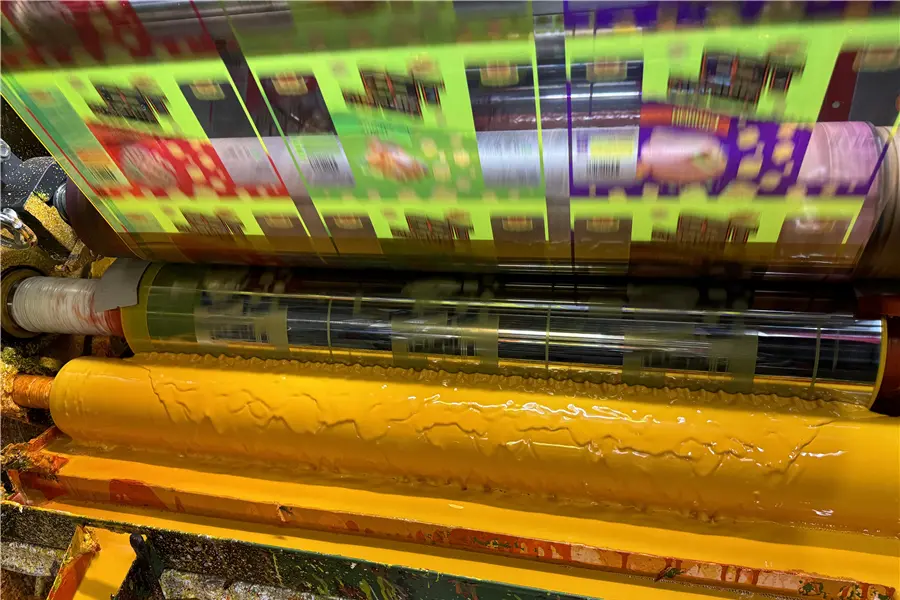
High-speed cylinders apply ink layers to the base substrate film, achieving detailed resolution and color saturation.
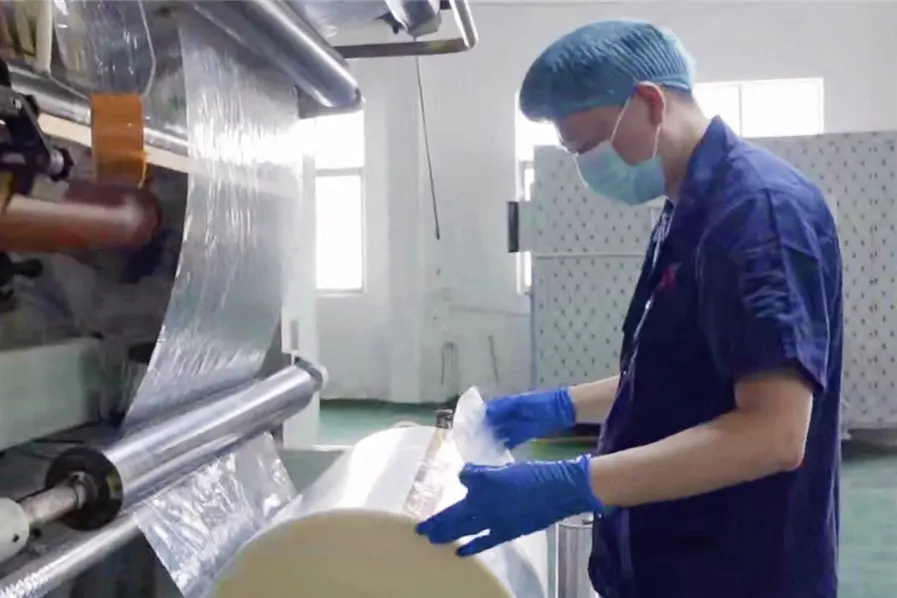
Multiple material layers (PET, AL, PE, etc.) are bonded using solvent-free adhesives to establish required barrier properties.
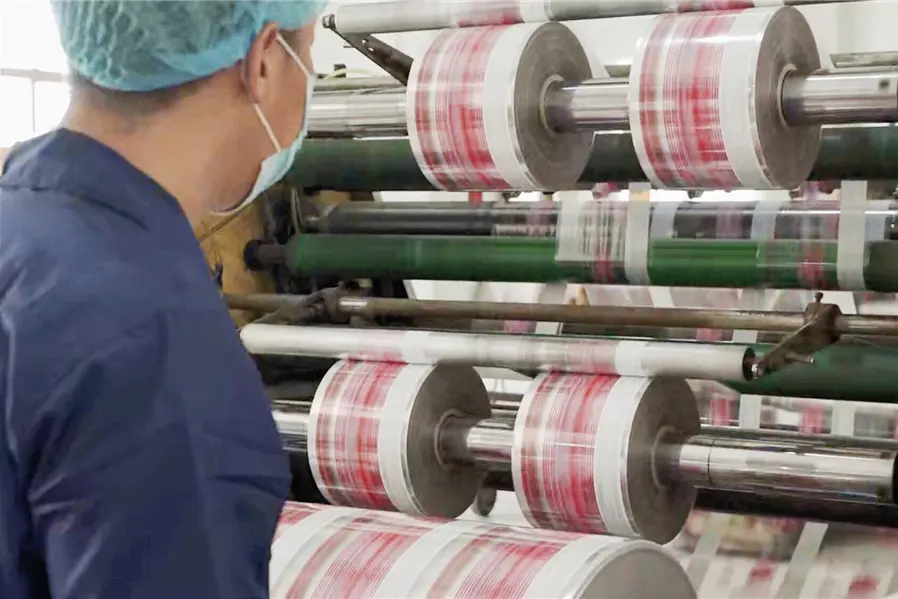
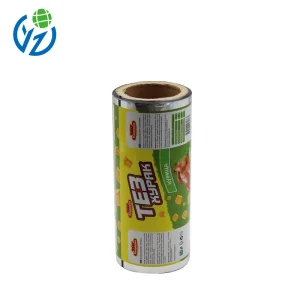
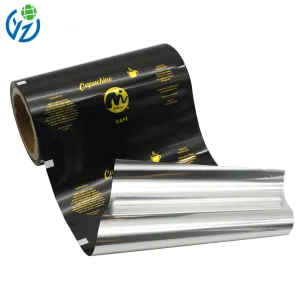
The laminated master roll is cut to the exact width needed for downstream pouch fabrication or rollstock applications.
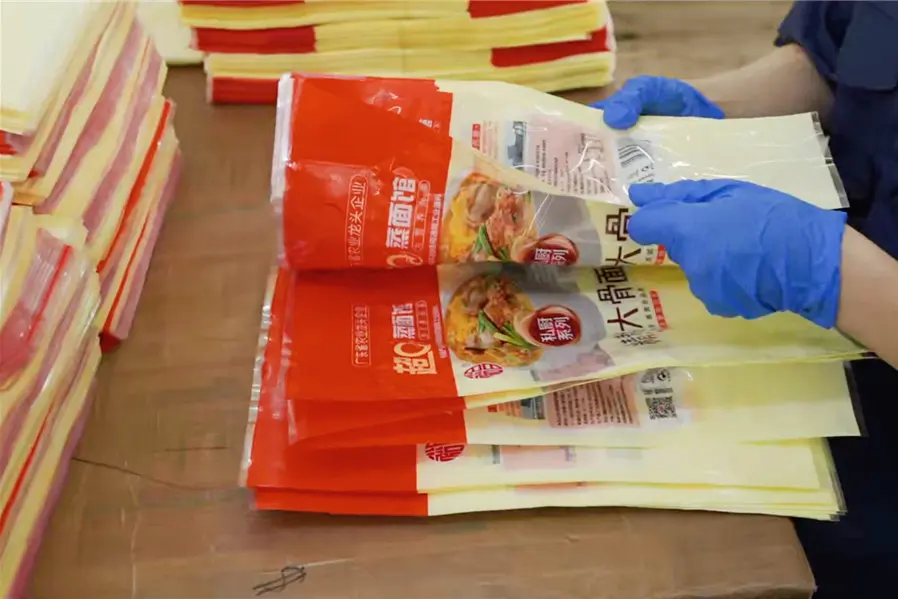
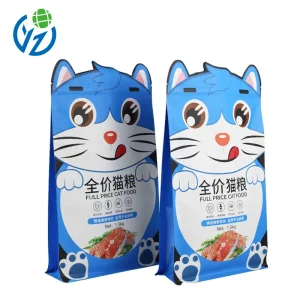
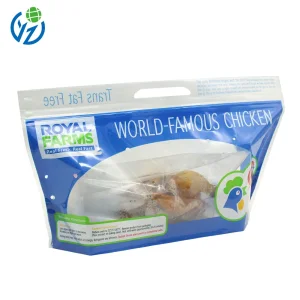
Films are folded, sealed, and formed into stand-up, spouted, or flat-bottom pouches with fitments added.
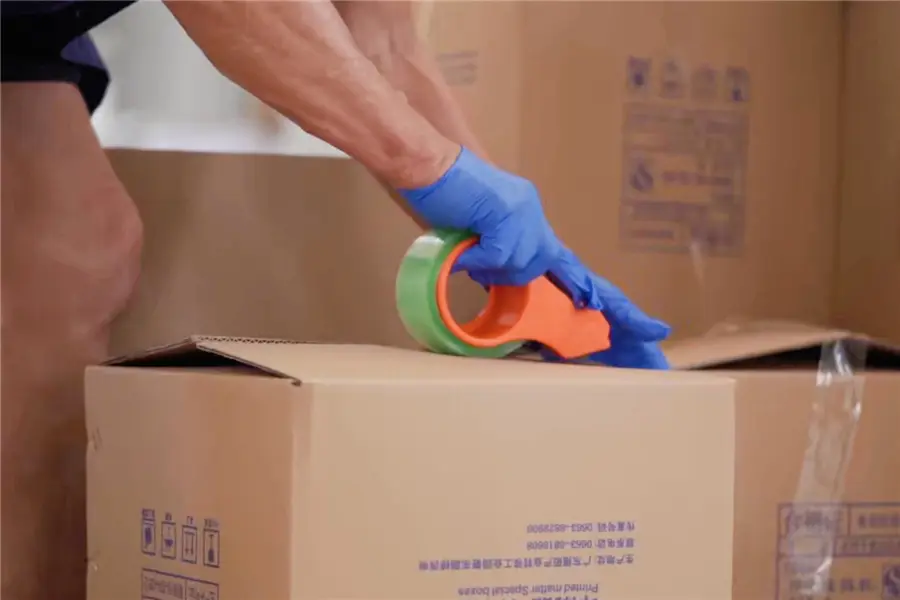
Completed batches undergo seal integrity testing, visual inspection, and secure packing for international transit.
For applications in food products, pet food, and chemical packaging, compliance with regulatory standards is essential. We select and test our polymers, additives, and inks to ensure they conform to food-safety and chemical-compatibility requirements.
Our raw materials comply with food contact regulations, including the FDA Code of Federal Regulations (CFR 21) and EU Regulation 10/2011. Quality control testing is applied throughout the production process, verifying seal strength and trace chemical residue levels.
By engineering multi-layer laminates with barrier films (such as BOPA, EVOH, and Pure Aluminum foil), we achieve low Oxygen Transmission Rates (OTR) and Water Vapor Transmission Rates (WVTR), supporting shelf-life requirements for packaged goods.
Standard barrier formulations for specific product applications:
| Laminate Structure | OTR (cc/m²/day) | WVTR (g/m²/day) | Primary Use Cases |
|---|---|---|---|
| PET / AL / PE | < 0.1 | < 0.1 | Coffee, Milk Powder, Dehydrated Foods |
| PET / VMPET / PE | < 1.5 | < 1.0 | Snacks, Confectionery, Pet Foods |
| PET / NY / PE | < 30 | < 3.5 | Liquid Pouches, Frozen Food, Retort |
| Mono-PE / EVOH-PE | < 2.0 | < 1.2 | Recyclable Food Packaging |
How sourcing from a dedicated cluster in Guangdong optimizes costs while maintaining quality.
Our location in Southern China provides access to high-quality raw material suppliers (polymers, foils, functional coatings). This industrial proximity supports cost-effective sourcing and stable pricing structures for large orders.
Operating with Japanese Komori printing equipment and digital defect scanners allows us to maintain tight color registry (±0.1mm) and minimize lamination delamination, securing batch-to-batch product quality.
With direct proximity to major ports (Shenzhen, Guangzhou, Shantou), we coordinate container shipping logistics to more than 30 destination countries. We manage customs compliance, export documentation, and transport tracking.
Selecting the appropriate flexible packaging configuration requires matching film properties to the targeted application. Below are standard packaging strategies for key product categories:
Retort sterilization processes subject packaging to high heat (typically 121°C or above) and high pressure. Materials must withstand thermal expansion without seal failure or delamination. Standard structures utilize BOPA (nylon) and cast polypropylene (CPP) to maintain physical integrity and barrier properties post-retort.
Packaging liquids and semi-liquids (beverages, sauces, chemicals, cosmetics) requires leak-proof seals, drop resistance, and functional dispensing fitments. Spouted stand-up pouches must have a robust heat-seal zone to secure the flange of the plastic spout, preventing leakage under transit compression.
Products with active volatile oils require barrier layers that prevent oil migration and aroma loss. Laminated structures with pure aluminum foil (AL) or ethylene vinyl alcohol (EVOH) are used to block light, oxygen ingress, and flavor loss, extending the product's shelf life.
Recent developments focus on reducing packaging waste. This includes mono-material polyolefin laminates (PE/PE or PP/PP) that can be recycled in traditional plastic streams, as well as bio-based or compostable films that offer alternative disposal pathways.
Sharing packaging insights and building relationships with clients in over 10 countries.
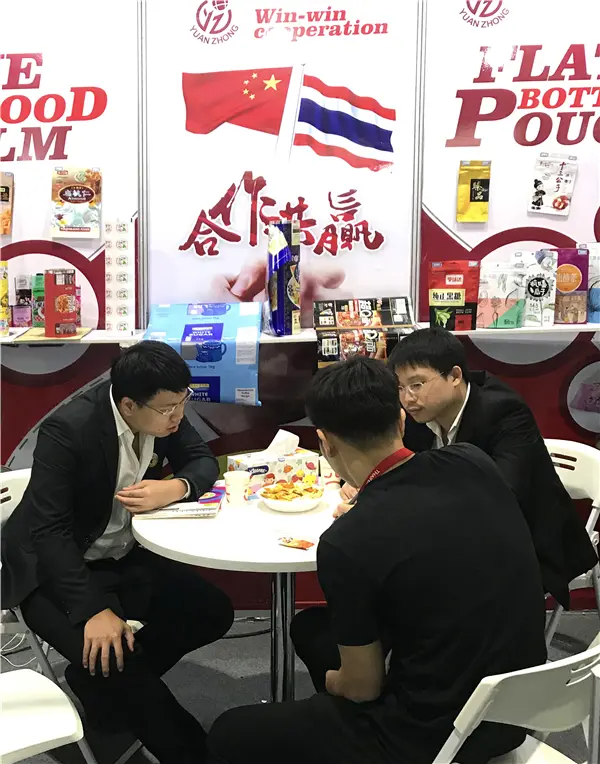
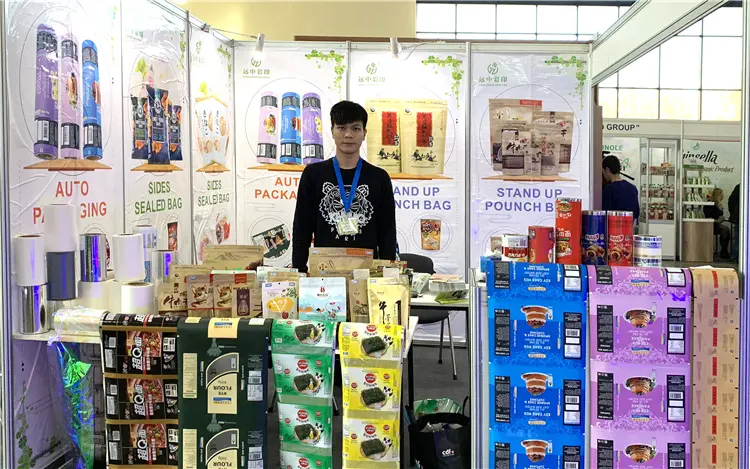
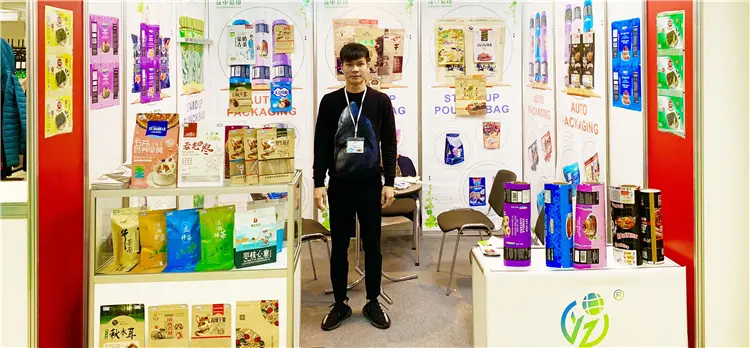
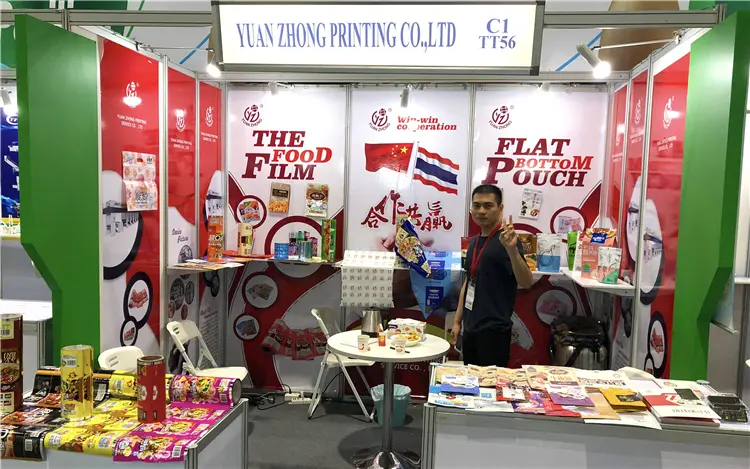
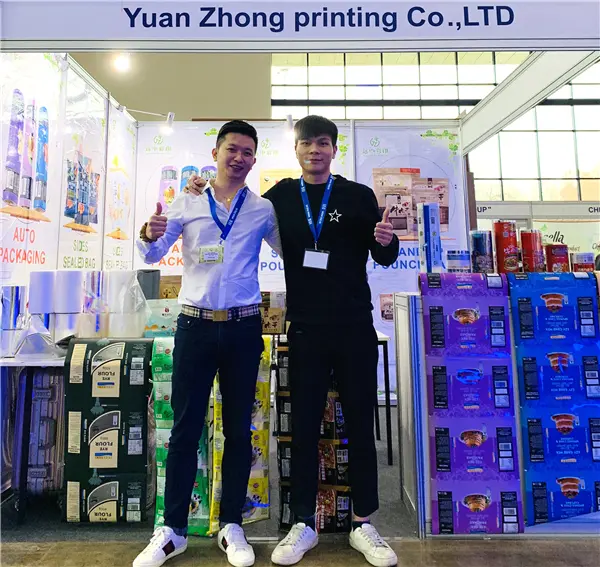
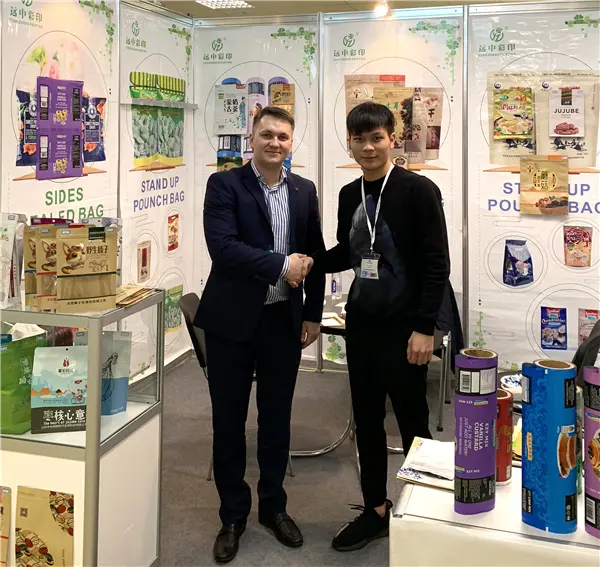
We work with more than 20 brands globally to develop packaging that meets their requirements.




Key information regarding material characteristics, manufacturing limitations, and logistics.
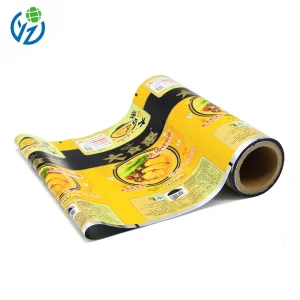
High-barrier laminations and structured shapes designed for heavy-duty, food-grade, and retail shelf applications.
 Yuanzhong Printing