 Yuanzhong Printing
The Evolution of Plastic Pouch Packaging: Global Sourcing Analysis & Supply Chain Strategies
A professional guide on flexible packaging substrates, barriers, and OEM manufacturing practices.
1. The Global Shift from Rigid to Flexible Plastic Pouch Packaging
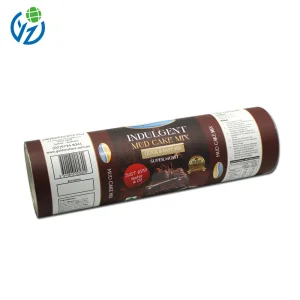
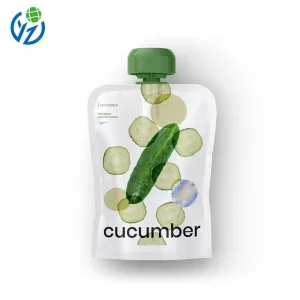
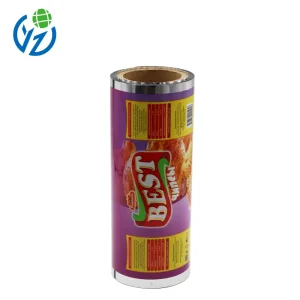
In modern industrial and consumer packaging contexts, the transition from rigid containers (glass jars, tin cans, heavy plastic tubs) to flexible laminate structures has emerged as one of the most prominent packaging trends. Driven by efficiency goals, environmental pressures, and changes in consumer behavior, manufacturers worldwide are utilizing OEM plastic pouch packaging to streamline logistics and enhance market competitiveness.
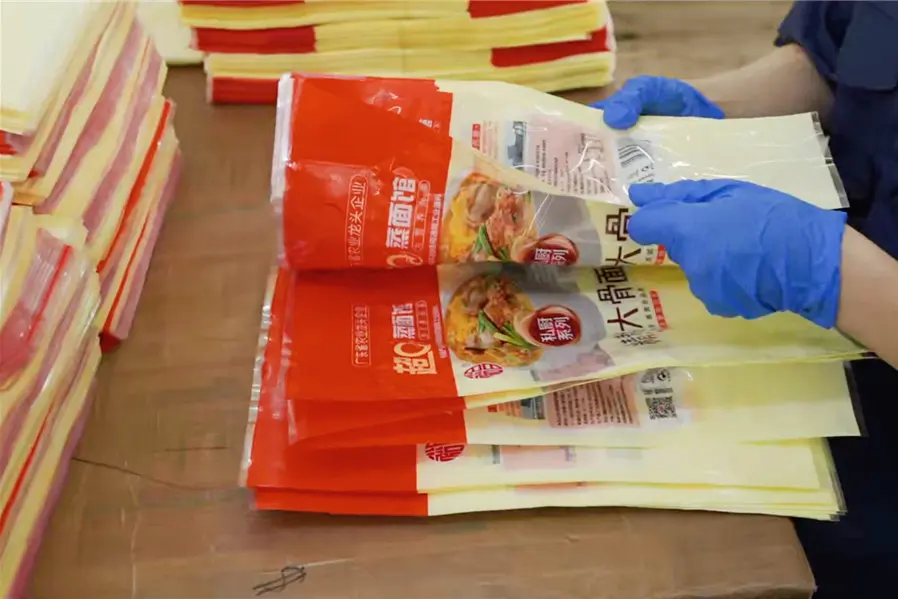
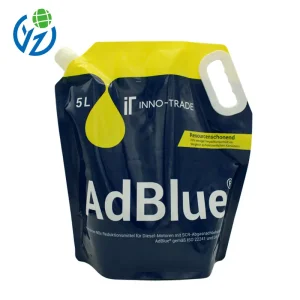
From an analytical standpoint, flexible pouches reduce overall packaging weight by up to 70% compared to rigid alternatives. This weight reduction directly translates to a lower carbon footprint during transport, optimized warehouse utilization, and reduced waste disposal fees in markets with Extended Producer Responsibility (EPR) programs. For global brand owners, opting for an experienced plastic pouch packaging manufacturer provides access to structural innovations—ranging from high-barrier multi-layer films to advanced spout and zipper enclosures.
2. Deep Dive: Material Science & Barrier Specifications
To establish true product shelf-stability and maintain organoleptic profiles, selecting the proper composite material structure is critical. As a specialized OEM manufacturer, Jieyang Yuanzhong Printing Co., Ltd. customizes film laminations according to target food safety parameters, oxygen transmission rates (OTR), and water vapor transmission rates (WVTR):
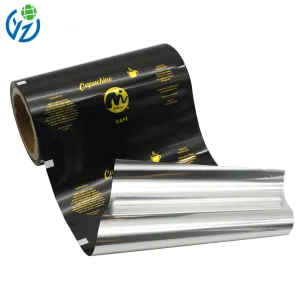
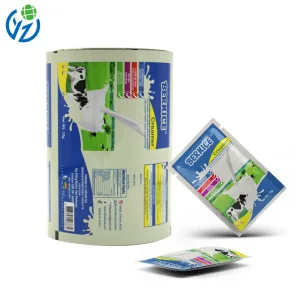
- PET / AL / PE (Aluminum Foil Laminates): Offering an absolute barrier against light, oxygen, and moisture. These structures are ideal for long-shelf-life foods, powder formulations (like milk powder), and sensitive chemical substances.
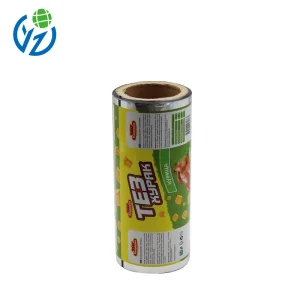
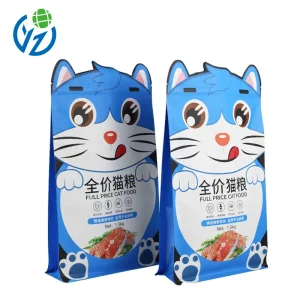
- PET / VMPET / PE (Metallized Films): Provides an excellent moisture barrier with high reflective properties, balancing shelf appeal with cost efficiency for snacks, pet food, and dry goods.
- PET / LLDPE (Clear Structures): Delivers structural clarity and puncture resistance. These are frequently used for products where visual transparency is essential, or coupled with nylon (PA) for liquid storage to withstand drops and mechanical stress.
- Mono-Material Recyclable Structures (PE/PE or PP/PP): The current gold standard for sustainable brand initiatives, meeting global circular economy standards without compromising barrier integrity.
3. China Factory 4.0: Jieyang Yuanzhong Printing's Advanced Supply Chain Resilience
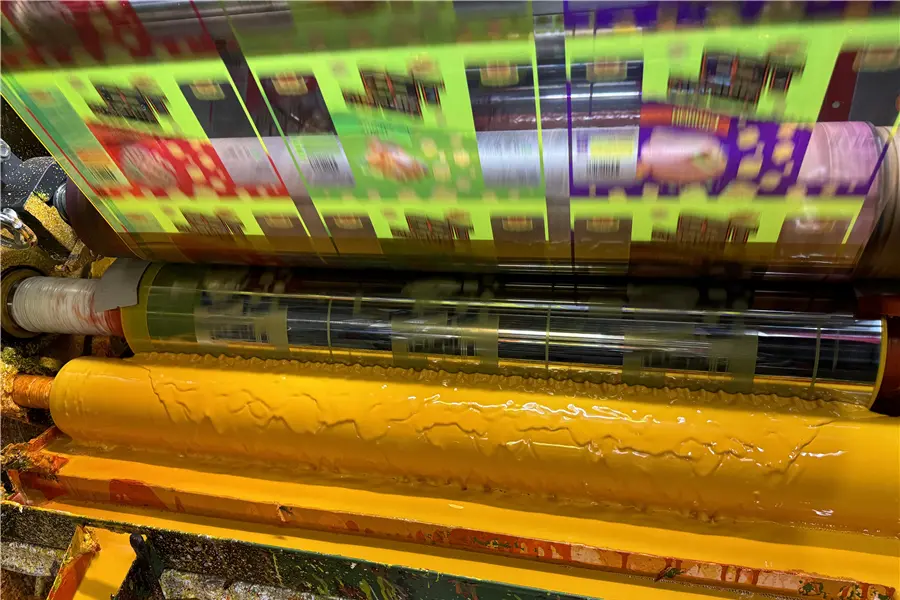
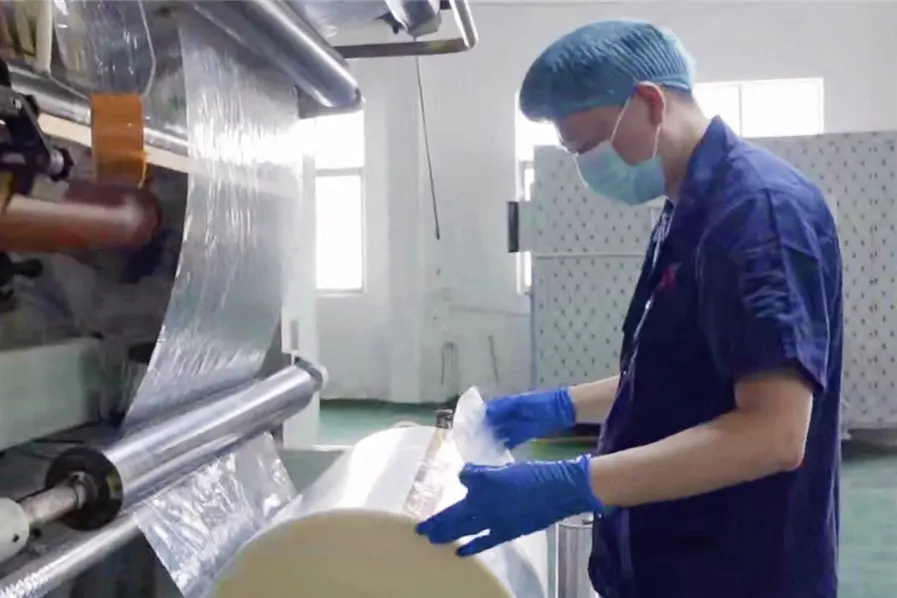
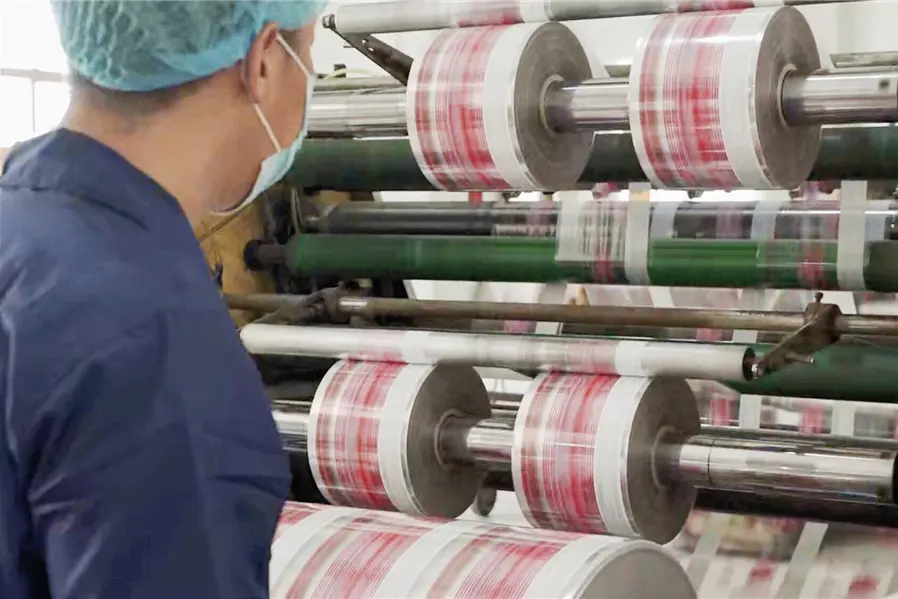
As a private enterprise established in 2001 in Jiedong District, Jieyang City, Guangdong Province, Jieyang Yuanzhong Printing Co., Ltd. has developed over two decades of localized expertise and built robust global supply chain systems. Utilizing advanced manufacturing systems, including high-speed Japanese Komori printing production lines, the factory ensures precision registration, consistent color control, and structural consistency across large production runs.
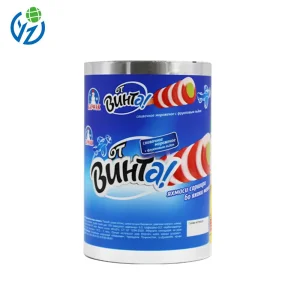
With a monthly output exceeding 240 tons, Yuanzhong Pack utilizes high-speed gravure printing technologies capable of running complex, multi-color packaging designs. Our automated production setup mitigates human error, optimizes resin utilization, and delivers consistent seal strengths across long runs. Our robust local material sourcing networks insulate clients from raw material price volatility, maintaining pricing stability and dependable lead times.