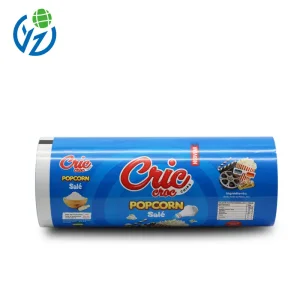
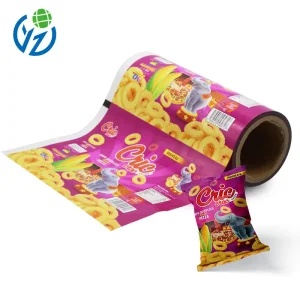
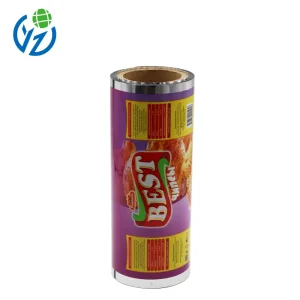
Premium grade laminate structures engineered for barrier consistency, high-speed automated vertical form-fill-seal (VFFS) systems, and brand shelf appeal.
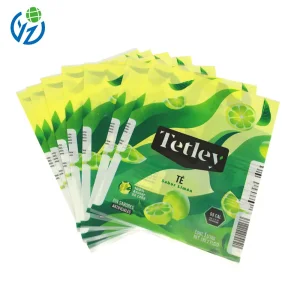
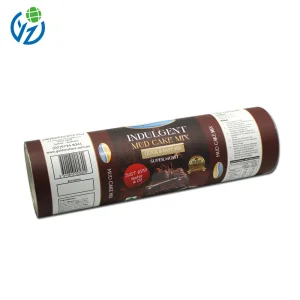
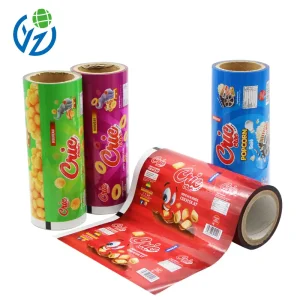
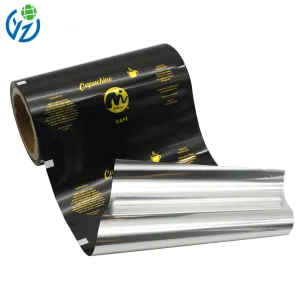
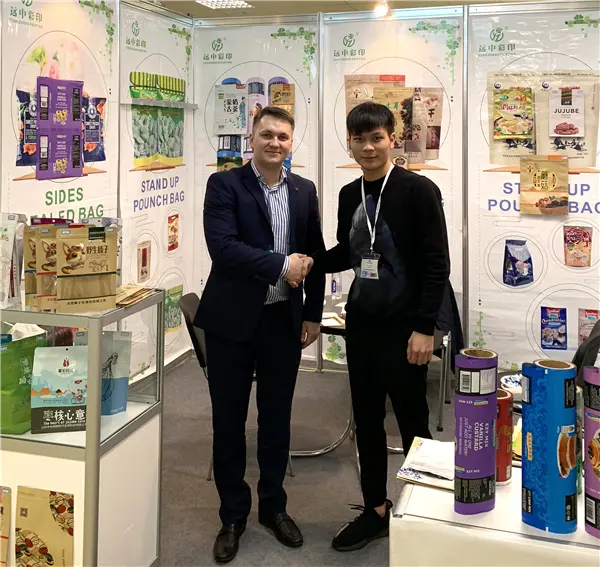
Founded in 2001 in the Jiedong District of Jieyang City, Guangdong Province, Jieyang Yuanzhong Printing Co., Ltd. has evolved over more than two decades into a leading integrated enterprise specializing in high-barrier composite materials, packaging decoration, and custom pouch conversion.
By incorporating state-of-the-art Japanese Komori fully automatic printing production lines, we achieve an impressive monthly packaging production volume exceeding 240 metric tons. Our dedicated R&D division focuses on customized material formulations, ensuring compliance with international regulations such as FDA, EU food contact safety standards, and various ASTM testing directives.
Every batch of raw film resin (BOPP, PET, AL, PE, CPP) undergoes inbound mechanical tests, surface energy inspection (dyne levels), and layer uniformity profiling to maintain structural reliability under strict processing criteria.
Developing lighter, thinner high-performance structures that minimize plastic raw material footprint while maximizing Oxygen Transmission Rates (OTR) and Water Vapor Transmission Rates (WVTR) protection margins.
Analyzing key shifts in flexible packaging configurations, polymers, and regulatory dynamics across global markets.
The international consumer packaged goods (CPG) sector is undergoing a rapid transition toward flexible laminate structures. OEM plastic pack packaging suppliers are currently tasked with resolving two contrasting requirements: maintaining optimal shelf preservation and satisfying global environmental mandates. High-performance barrier polymers have become central to modern supply chains, replacing bulky glass and rigid metal alternatives to reduce transport emissions, warehouse space, and material handling costs.
To ensure compliance with global regulatory standards like FDA Title 21 CFR (for the United States) and EU Regulation No. 10/2011 (for food contact plastics), leading Chinese manufacturing facilities have updated their processing technologies. The emphasis has shifted from simple single-layer extrusions to sophisticated co-extrusion and adhesive lamination structures. By utilizing multiple functional layers, modern packaging designs effectively block oxygen, moisture, and light, while maintaining the flexibility, durability, and sealing strength required for high-speed filling equipment.
| Substrate Material | Primary Functional Role | Barrier Efficiency (OTR/WVTR) | Common Applications |
|---|---|---|---|
| BOPP (Biaxially Oriented Polypropylene) | Outer printing layer, high clarity and tensile strength | Moderate moisture, low oxygen barrier | Puffed snacks, clear confectionery wraps |
| PET (Polyethylene Terephthalate) | Core load-bearing layer, high heat resistance, mechanical stability | Excellent oxygen barrier, moderate moisture barrier | Coffee pouches, stand-up bag face-stocks |
| Aluminium Foil (AL) | Absolute barrier layer against external gases, light, and aroma loss | Near-zero transmission rates (<0.01 cc/m²/day) | Premium milk powder, high-grade coffee, medical pouching |
| VMPET (Metallized PET) | Cost-effective light and moisture barrier alternative to foil | High barrier properties (OTR < 0.5, WVTR < 0.5) | Medium shelf-life snacks, cookies, powdered mixes |
| PE / CPP (Polyethylene / Cast Polypropylene) | Inner sealing layer, high impact resistance and low-temp sealability | High moisture barrier, low oxygen barrier | Hermetic sealant layer for all laminated pouch configurations |
How Jieyang Yuanzhong ensures mechanical precision and graphic accuracy throughout the manufacturing lifecycle.
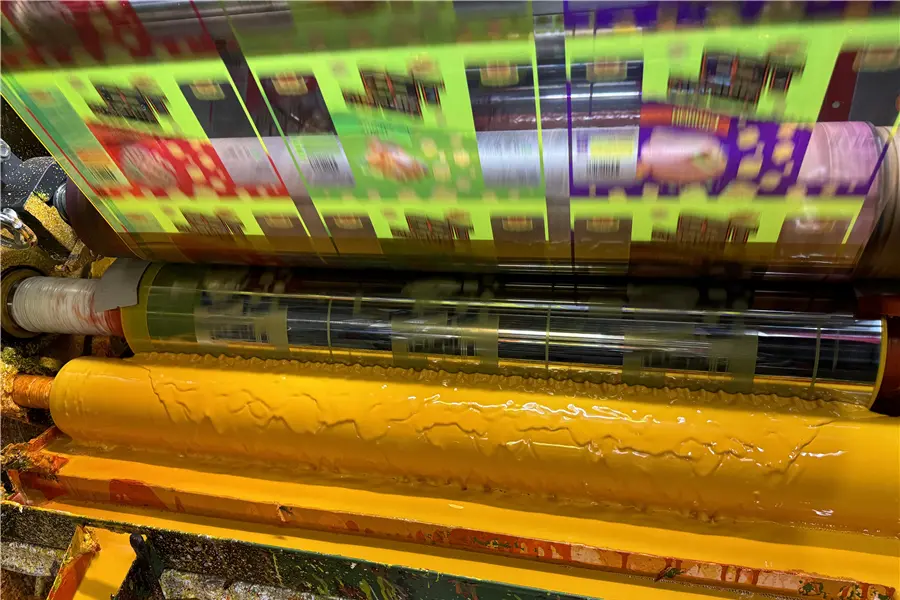
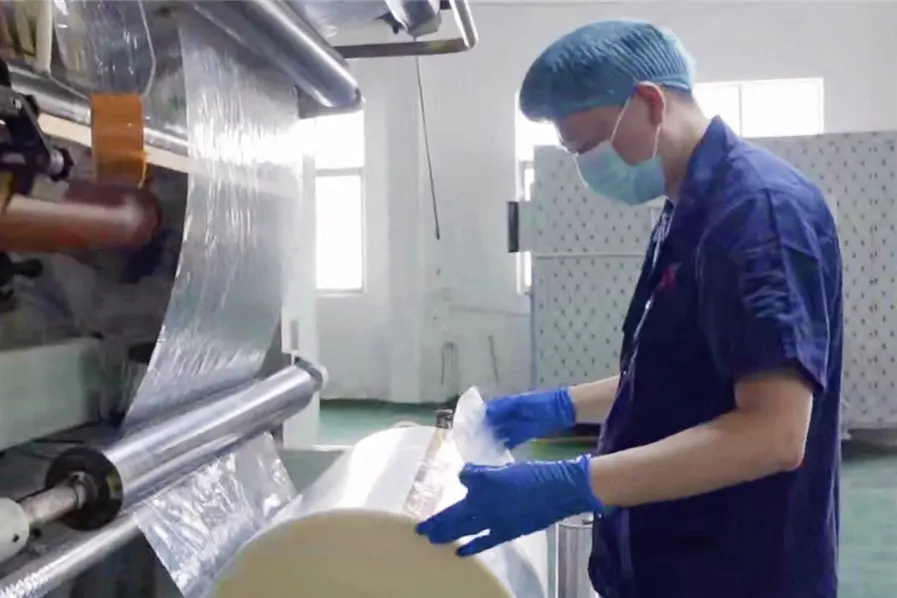
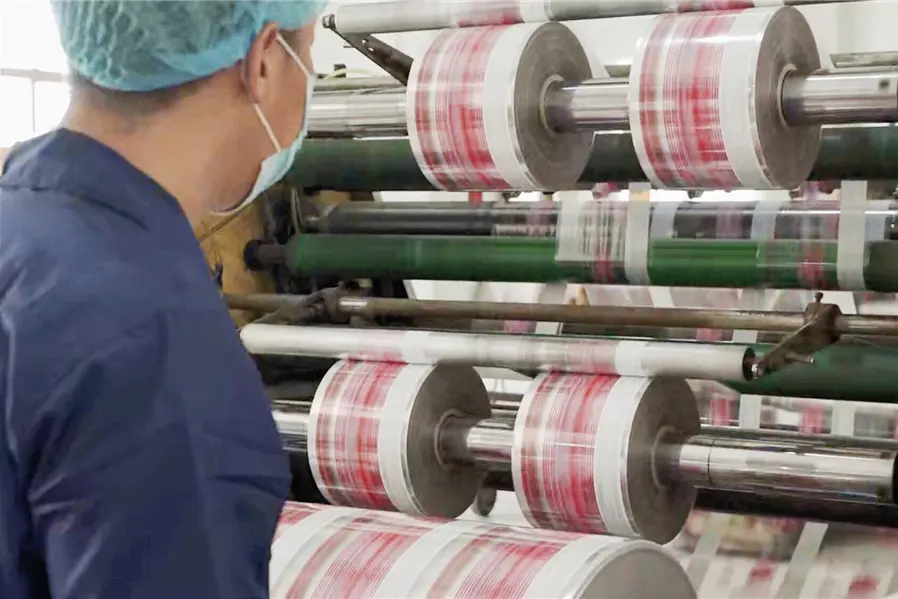
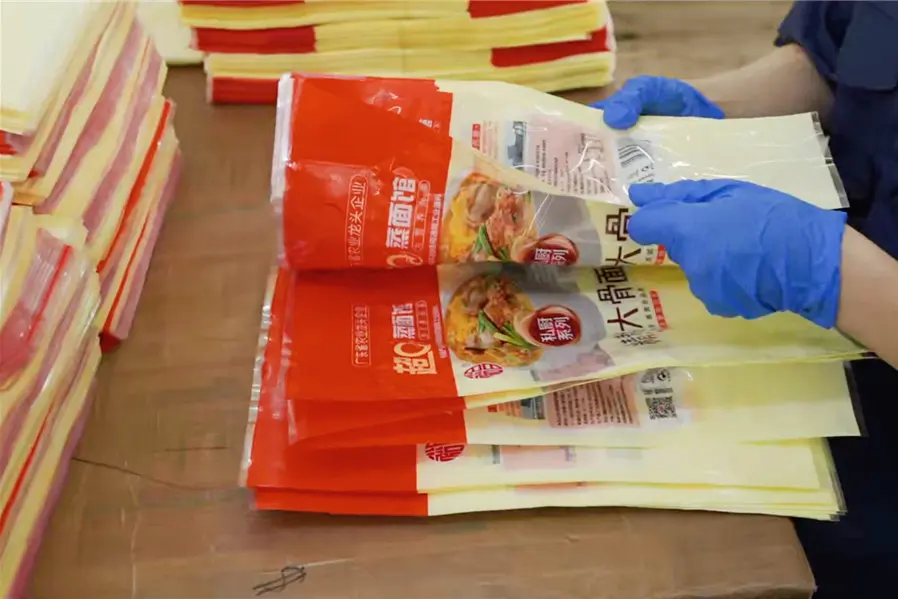
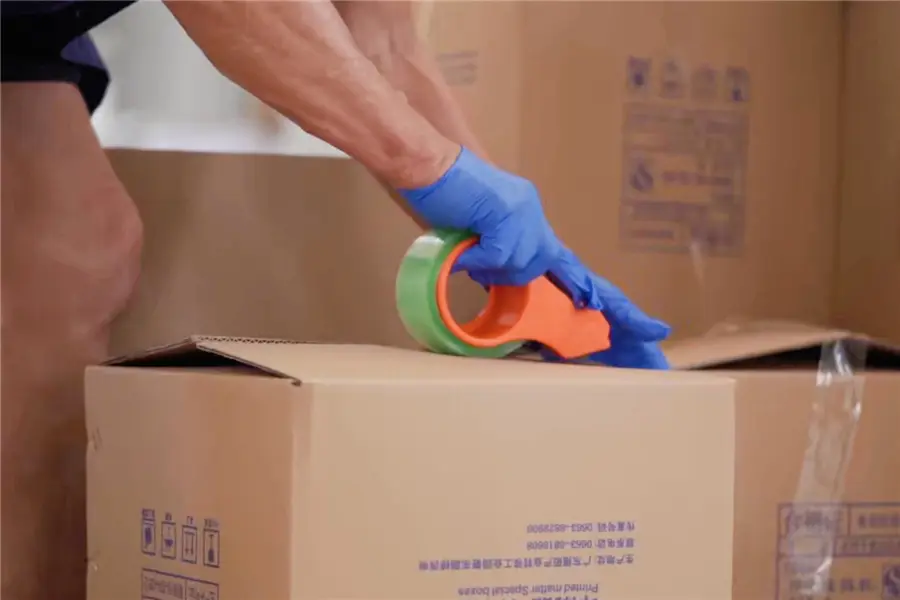
Our rotogravure machinery uses steel cylinders engraved with micro-cells. This method delivers thick ink layers, bright colors, and high saturation. It maintains print quality at high speeds, which is ideal for large OEM volume productions.
This process bonds individual material layers using solvent-free or high-performance polyurethane adhesives. Curing is completed in temperature-controlled rooms (45-50°C) for 48 to 72 hours, ensuring high bond strength and preventing delamination.
Laminated rolls are slit to exact customer widths using shear blades. Tension-controlled rewind systems prevent film stretching, curl, and dimensional errors, ensuring smooth runnability on automated packaging machines.
Tailored barrier structures designed to solve functional challenges across diverse applications.
Sustainable Mono-Material Structures: Modern packaging design is shifting toward recyclable structures, such as mono-oriented PE or PP, which can be processed in standard recycling streams without separating individual layers.
Bio-Based Polymeric Alternatives: PLA, PBAT, and paper-based barriers are increasingly used to reduce fossil-fuel dependence while maintaining essential shelf preservation properties.
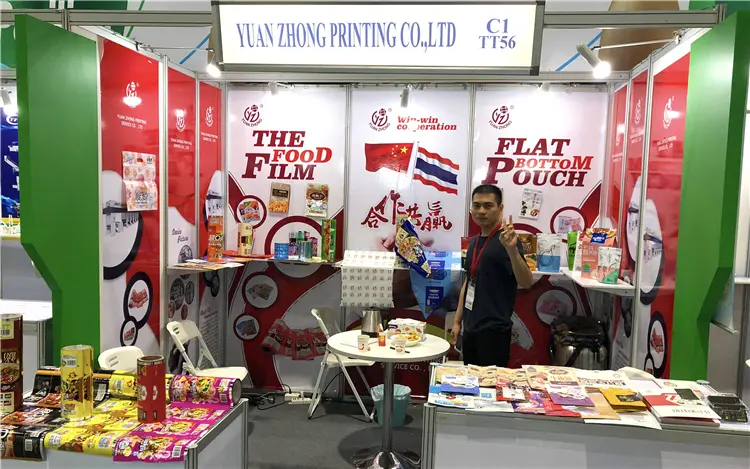
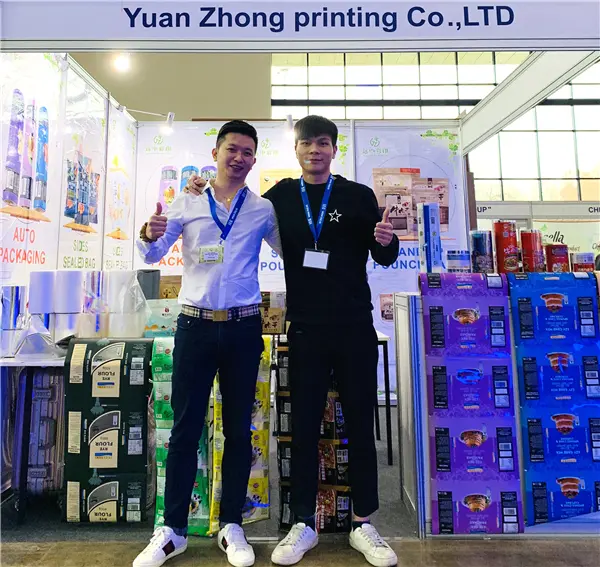
Demonstrating our export reach across more than 10 countries and long-term partnerships with leading consumer brands.
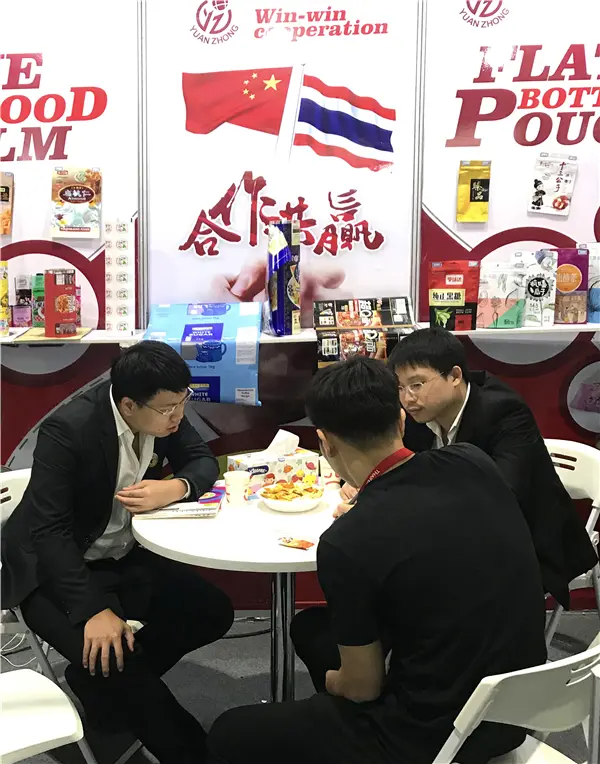
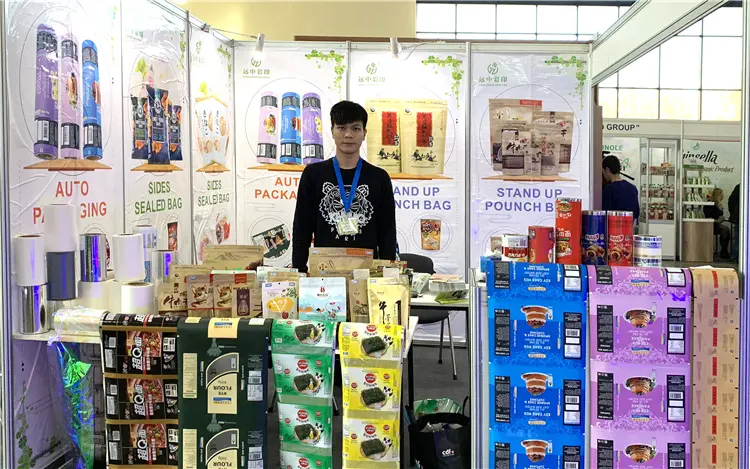
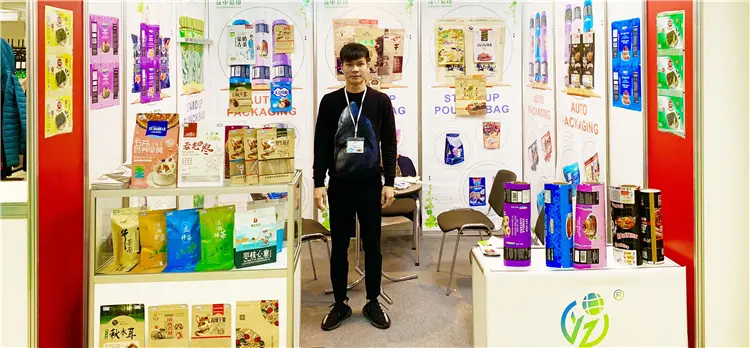




Addressing key technical and logistics questions for global procurement managers and packaging engineers.
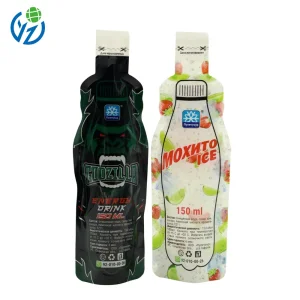
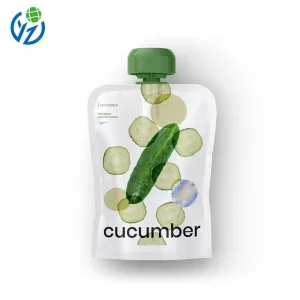
Explore our liquid-safe spout pouches, unique shaped configurations, and customized food-grade barrier films.
 Yuanzhong Printing