Engineered with multi-layer high barrier laminates for maximum shelf life, puncture resistance, and aesthetic market dominance.
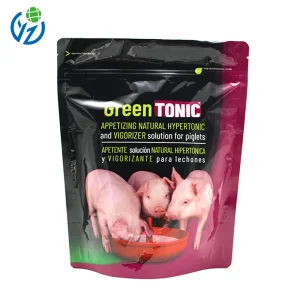
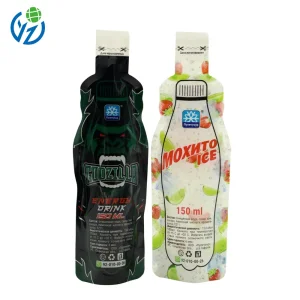
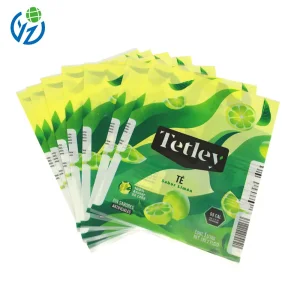
Analyzing the paradigm shift in consumer and industrial flexible packaging sectors.
In the modern packaging landscape, the Stand-Up Pouch (SUP), widely referred to as the Doypack, has evolved from a novel design option into an essential, mainstream standard across global retail and industrial channels. Driven by a global transition from heavy, rigid materials (such as glass jars and metal cans) toward flexible alternatives, the market value of stand-up pouches is expected to grow significantly over the next decade. Major industry drivers include its minimal weight, lower carbon footprint in transport, and high efficiency in raw material consumption.
Stand-up pouches offer a valuable combination of logistics savings and shelf-presence. The structure of these pouches allows them to stand upright on retail shelves, displaying brands clearly. Additionally, their lightweight nature means hundreds of empty pouches can be shipped in the space required for just a few glass bottles. This reduces freight costs, carbon emissions, and storage requirements before filling.
As an experienced ODM stand up pouch supplier, we recognize that our clients require more than simple bags. They need advanced barriers tailored to protect their products from oxygen, moisture, light, and aroma transfer. From food-grade laminate films for snacks and coffee to leak-proof spouted pouches for industrial liquids, modern flexible packaging demands specialized polymer engineering. Jieyang Yuanzhong Printing Co., Ltd. has spent over two decades developing high-barrier laminates that meet these requirements, ensuring product safety and freshness worldwide.
A Trusted Leader in High-Precision Packaging & Design Integration Since 2001
Founded in 2001 and located in Jiedong District, Jieyang City, Guangdong Province, Jieyang Yuanzhong Printing Co., Ltd. has established itself as an experienced manufacturer in the packaging printing industry. With over two decades of production experience, we specialize in high-quality decorative printing and custom plastic packaging bags, serving markets across the globe.
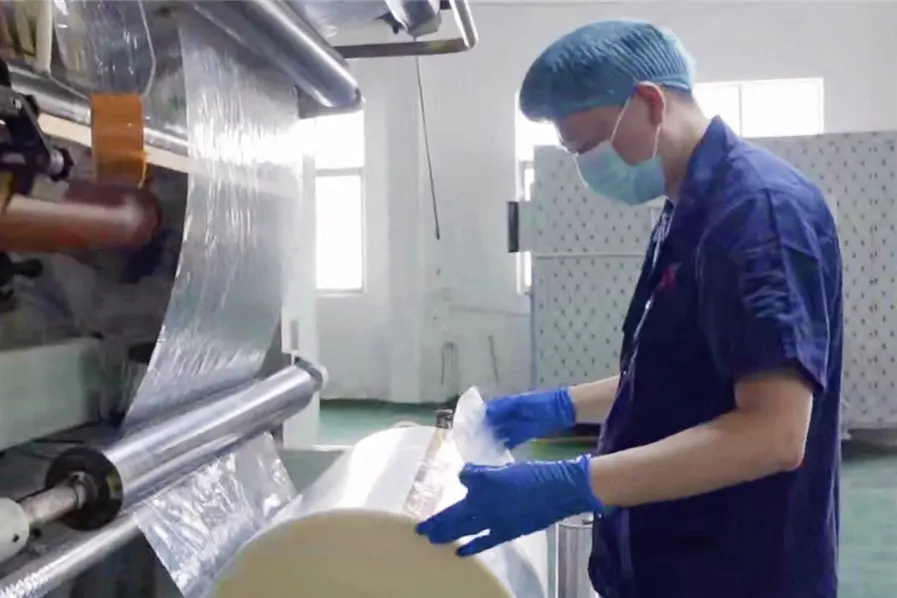
Our commitment to quality is supported by our advanced facility, which features high-precision machinery, including fully automatic printing production lines from Japan's Komori. These tools allow us to maintain a monthly production capacity of over 240 tons, enabling us to consistently meet large-scale global demands.
We focus on custom solutions to fit our clients' distinct needs. Whether you require specific barrier layers, a unique shape, or customized materials, our technical and design teams are ready to help design and produce packaging that aligns with your brand's vision.
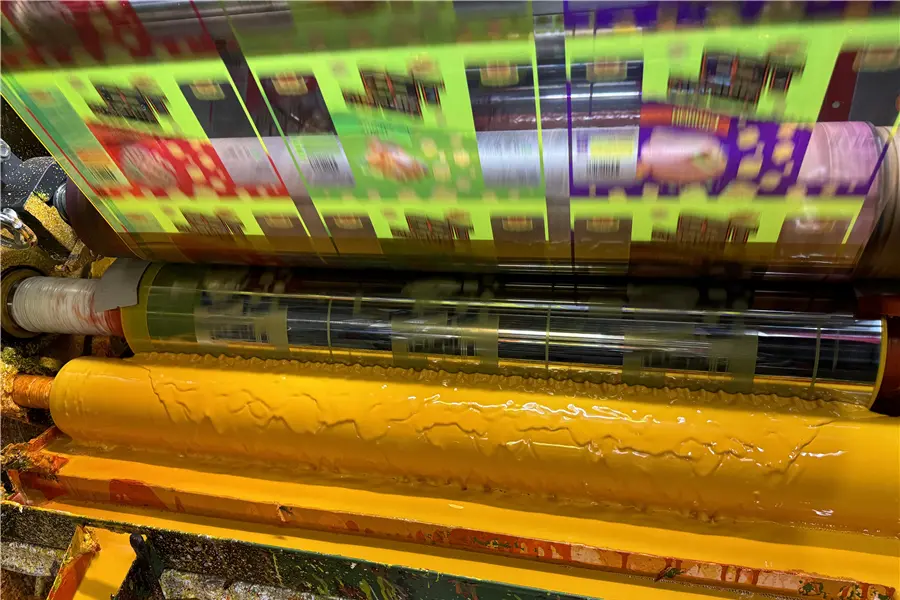
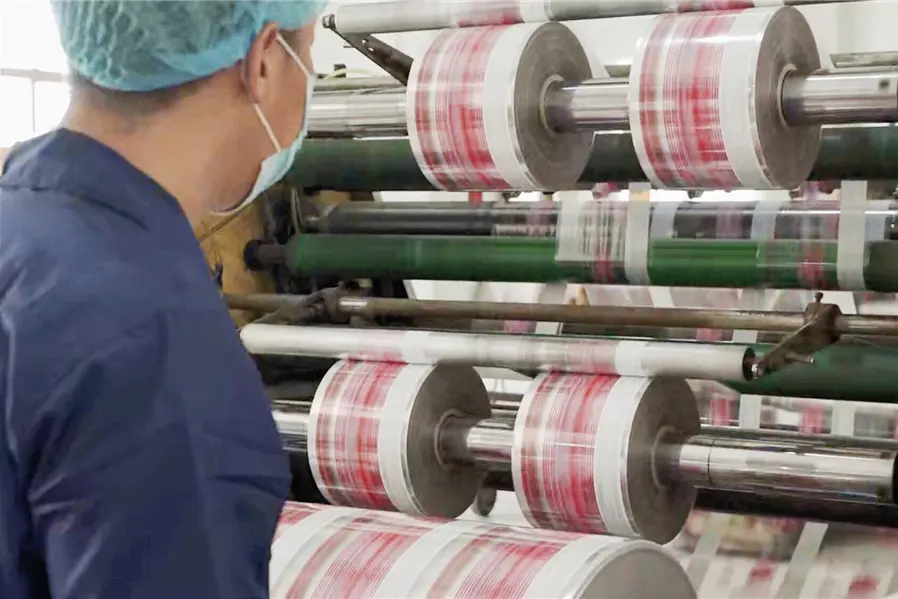
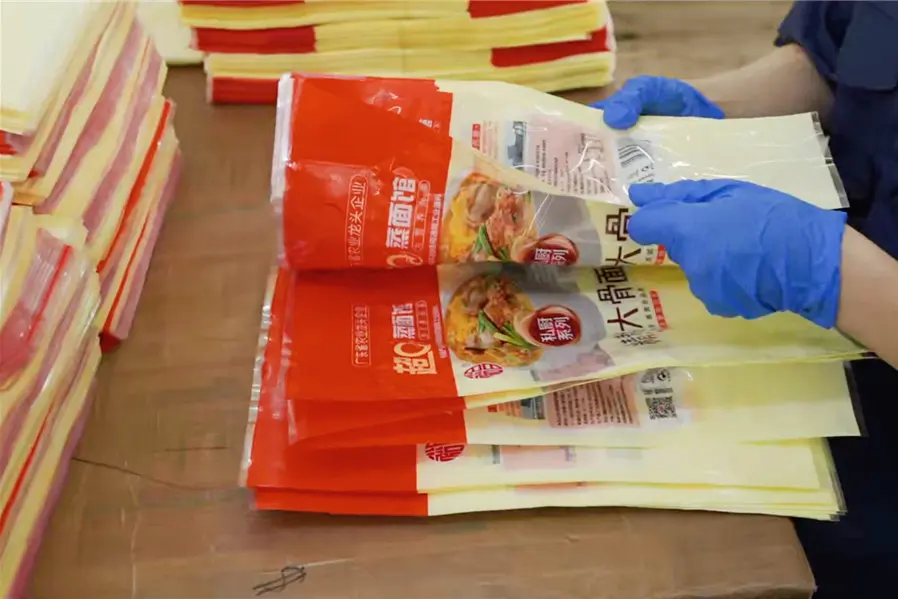
Our rotogravure printing technology utilizes advanced registration systems to achieve clear graphics and clean structural seals.
Gravure printing is highly valued in the flexible packaging industry for its thick ink laydown, vibrant color reproduction, high plate durability, and fast, stable production speeds. This technology is essential for reproducing complex designs on multilayer barrier films, where precise color registration and deep opacity are required.
Advancing from multi-layer mixed plastic compositions toward sustainable mono-material alternatives.
A primary focus of modern flexible packaging is optimizing barrier properties while addressing environmental concerns. Our material science team focuses on developing laminates that reduce environmental impact without compromising product protection. Below is an overview of how we design custom laminations:
Standard packaging structures are tailored to meet the needs of specific products. A typical setup includes:
• Outer Layer: Typically PET (Polyethylene Terephthalate) or BOPA (Biaxially Oriented Polyamide/Nylon), chosen for its printability, heat resistance, and structural stability.
• Core Barrier Layer: Often AL (Aluminum Foil), VMPET (Vacuum Metallized PET), or EVOH (Ethylene Vinyl Alcohol). This layer is designed to block oxygen, moisture, UV rays, and external odors.
• Sealant Layer: LLDPE (Linear Low-Density Polyethylene) or CPP (Cast Polypropylene), designed to form secure seals at appropriate temperatures.
To support circular economy goals, we produce recycle-ready mono-material pouches. By using oriented Polyethylene (MDO-PE) combined with low-temperature sealing PE resins, we create mono-PE pouches. These pouches can be processed in standard polyethylene recycling streams while maintaining the durability and appearance of conventional multi-material laminate alternatives.
Depending on the application, stand-up pouches can be customized with various functional elements:
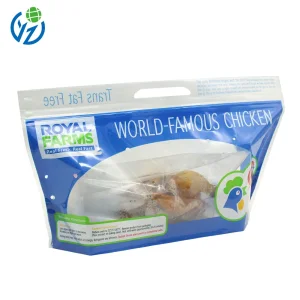
• Press-to-Close Zippers: Helps preserve food freshness after opening.
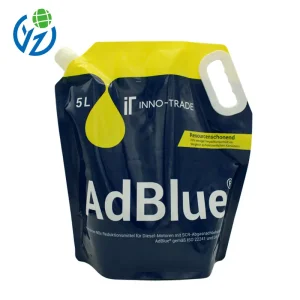
• Ergonomic Spouts: Designed for smooth pouring of liquids and pastes, avoiding spills.
• Degassing Valves: Allows carbon dioxide to escape from roasted coffee beans while preventing oxygen from entering.
• Laser Scoring: Creates a straight, consistent tear line for convenient opening.
We tailor our manufacturing and barrier levels to meet the specific requirements of various industries.
From coffee beans to snack mixes and cake flours, protecting food from humidity is critical to preventing spoilage. Our food-grade films are designed with low Moisture Vapor Transmission Rates (MVTR) to maintain product crispness, extend shelf life, and protect dry mixes from clumping.
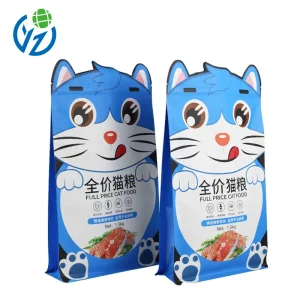
Pet foods contain fats and oils that can migrate through inadequate packaging. We utilize puncture-resistant co-extruded films with strong grease-resistant barrier layers. This prevents oil staining on the bag exterior and seals in aromas to keep the food appealing to pets.
Packaging liquids safely requires high seal integrity. Our spouted stand-up pouches undergo drop-testing and burst testing. These tests ensure they can withstand the stress of transport and handling without leaking, making them suitable for beverages, sauces, and industrial fluids.
Connecting with clients across more than 10 countries to drive flexible packaging design forward.
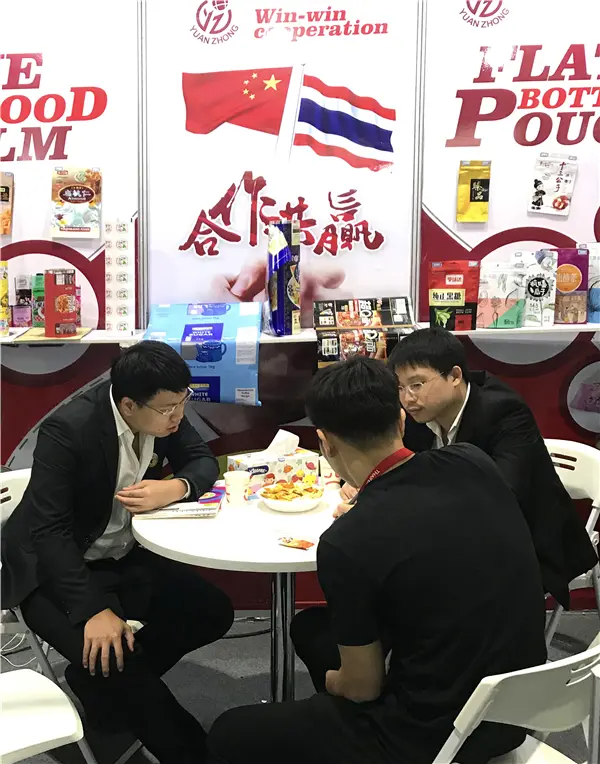
International Packaging Expo
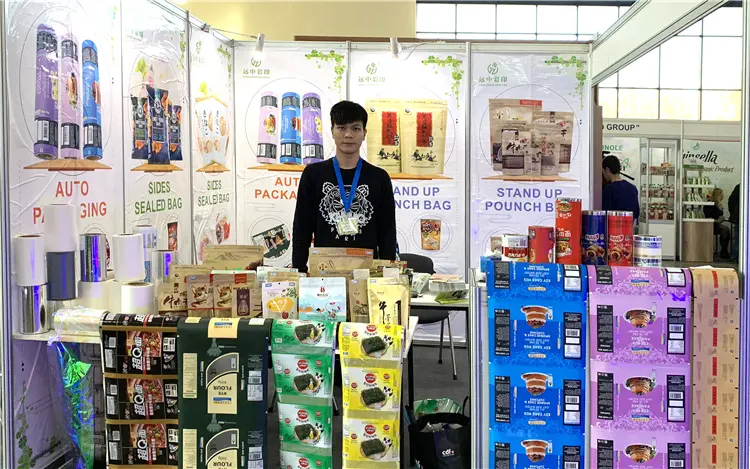
Food Machinery & Packaging Show
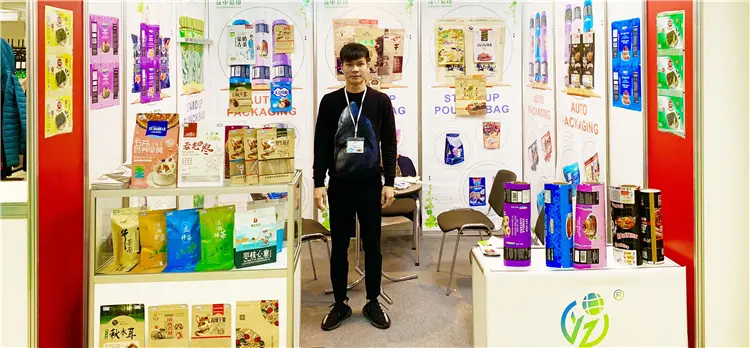
Industrial Tech Expo
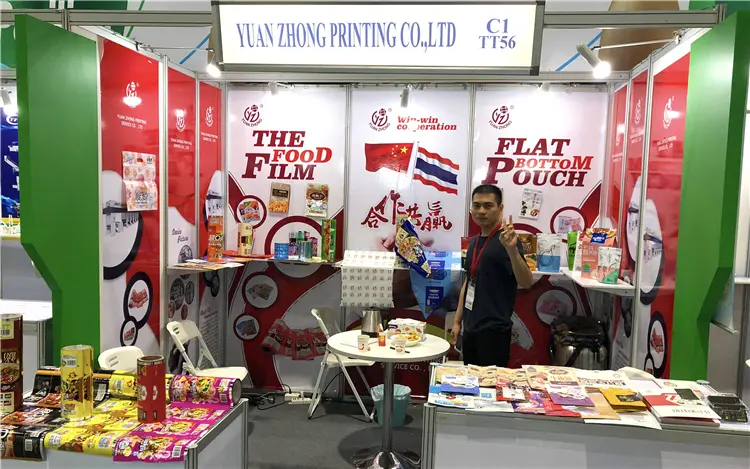
Eco-Packaging Forum
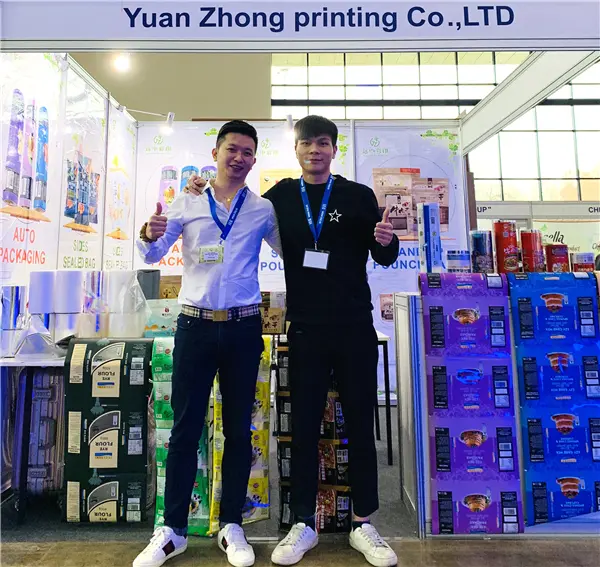
Flexible Film Trade Show
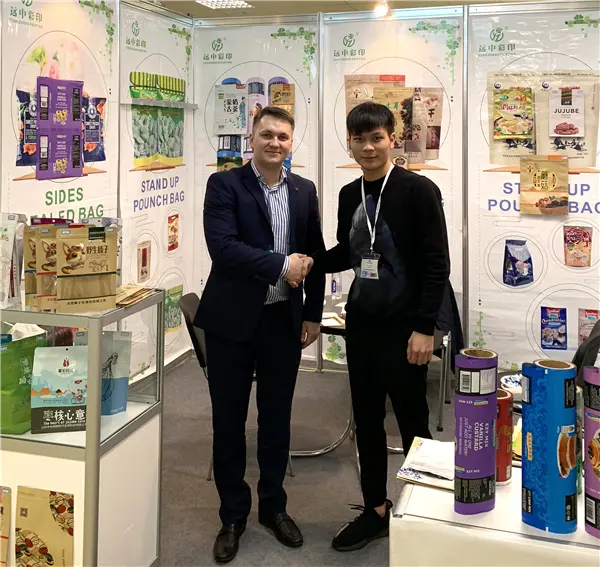
Exhibition Networking
Collaborating with more than 20 brands globally to deliver reliable packaging performance.



Expert insights on material selection, barrier engineering, and ordering requirements.
A: High barrier performance is usually achieved through multi-layer laminations. For standard options, we combine printing layers like PET or BOPA (Nylon) with core barriers like EVOH, Aluminum Foil, or Metallized PET (VMPET). The sealing layer is typically LLDPE or CPP. For eco-friendly packaging, we offer mono-PE laminate combinations that are designed for recycling streams while maintaining reliable barrier protection.
A: Rotogravure printing utilizes engraved metal cylinders, which provide precise ink volume control. This makes it well-suited for high-resolution graphics, smooth gradients, and deep colors. It is highly efficient for large production runs, ensuring consistent quality across hundreds of thousands of impressions.
A: The MOQ varies depending on the bag style, material structure, and printing dimensions. Generally, the minimum order ranges between 10,000 and 20,000 pieces per design. This volume aligns with the setup requirements for our high-speed rotogravure cylinders and ensures cost-effective production for our clients.
A: We use in-house testing equipment to verify quality. This includes pressure tests to check seal strength, bubble leak testing to identify microscopic pinholes, and drop testing for liquid packaging. Our raw materials are chosen for their heat-sealing window, ensuring consistent adhesion along the gussets and around spouts.
A: Yes. For products requiring pasteurization or hot-filling (such as fruit purees or ready-to-drink beverages), we design pouches using retort-grade polymers and specialized solvent-free lamination adhesives. These materials are engineered to maintain structural integrity under high temperatures without delaminating.
A: Yes. All raw plastic resins, barrier films, inks, and adhesives used in our manufacturing process meet food-contact safety standards, including FDA regulations and EU guidelines. Our production environment is managed to comply with strict hygiene and quality management regulations.
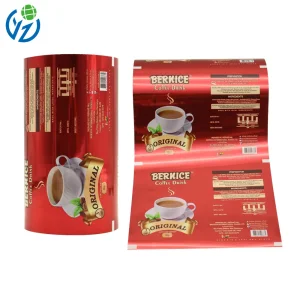
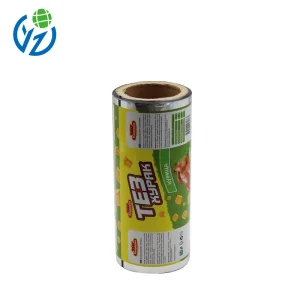
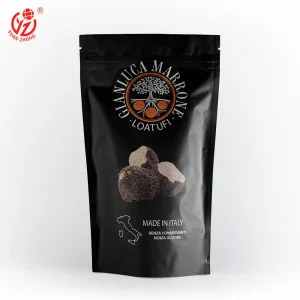
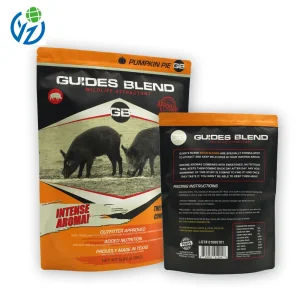
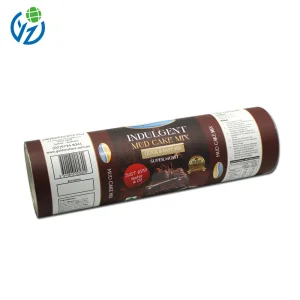
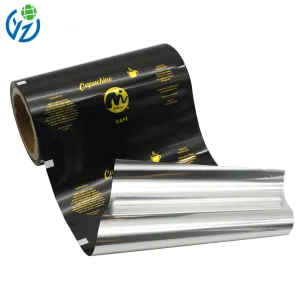
From coffee roll stock to specialized shapes and spouted bags, we design packaging to protect and display your brand.
 Yuanzhong Printing