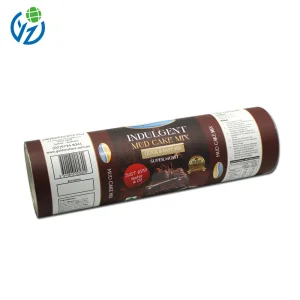
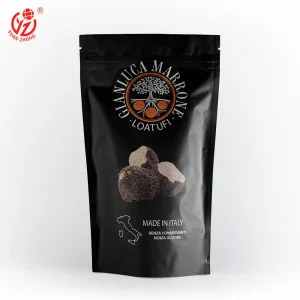
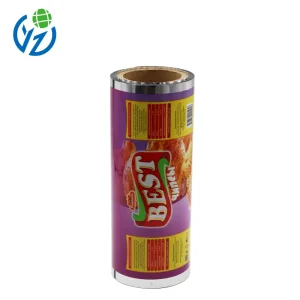
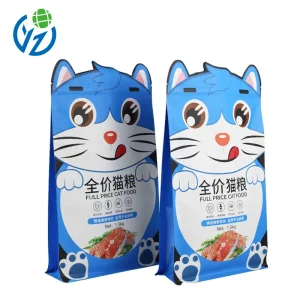
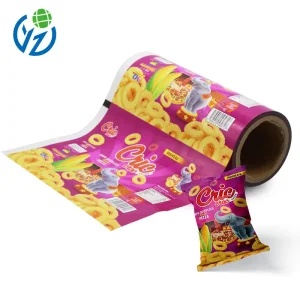
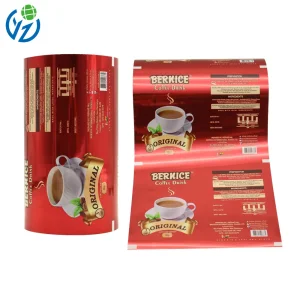
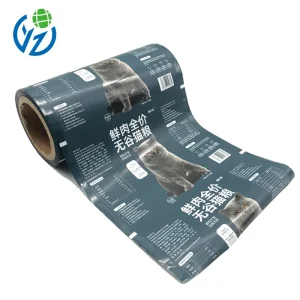
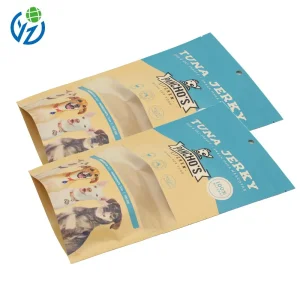
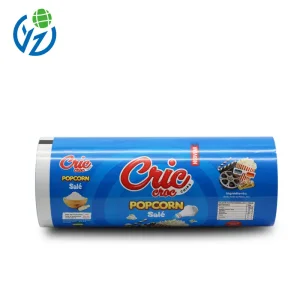
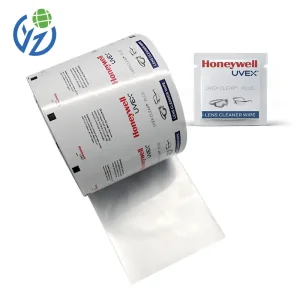
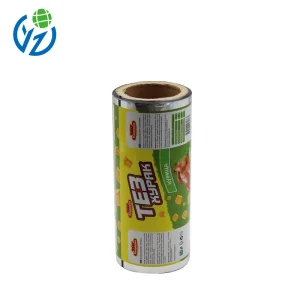
Engineered multi-layer films, custom laminates, and barrier pouch solutions direct from our factory
Pioneering Flexible Packaging & Barrier Solutions Since 2001
Jieyang Yuanzhong Printing Co., Ltd. stands as a benchmark of engineering precision and high-performance material manufacturing in the global packaging printing industry. Established in 2001 in the Jiedong District of Jieyang City, Guangdong Province, China, we have cultivated over two decades of technical expertise, transitioning from a localized printing factory into an international supplier of multi-layer laminates, plastic roll stocks, and high-barrier pouch solutions.
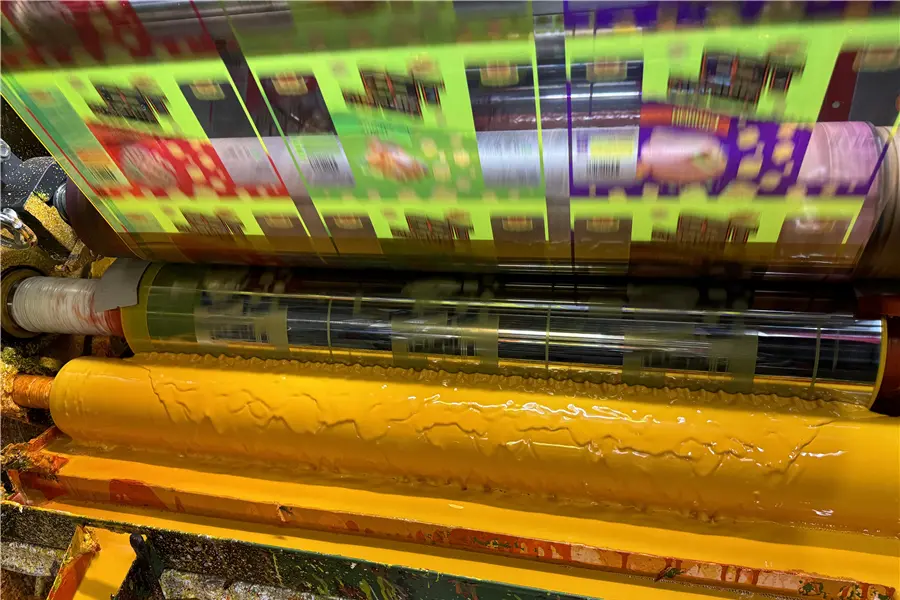
Our infrastructure centers on an integrated clean-room manufacturing ecosystem featuring advanced gravure printing technologies, high-speed dry and solventless composite lamination machines, precision slitting lines, and automated bag-making machinery. Our facility is equipped with state-of-the-art Japanese Komori fully automatic printing lines alongside other high-speed composite pipelines, enabling a reliable monthly production output of over 240 metric tons. This ensures consistent capacity scaling for FMCG brands, pharmaceutical companies, and food processors worldwide.
Custom multi-layer structures engineered for optimized barrier performance, puncture resistance, and seal integrity
Laminating PET, AL (Aluminum Foil), VMPET, and Nylon (BOPA) to provide impervious barriers against oxygen (OTR < 0.5 cc/m²/24h) and water vapor (WVTR < 0.1 g/m²/24h). Ideal for extending shelf life of sensitive foods, snacks, and pet food products.
Precision control of raw polymers including CPP, LLDPE, and metalized barrier substrates. Formulated to guarantee high puncture resistance, mechanical tensile strength, and optimal Coefficient of Friction (COF) for seamless high-speed vertical form-fill-seal (VFFS) packing lines.
Developing green chemistry packaging using Kraft Paper stand-up pouches and mono-material PE/PP recyclable structures. Meets the stringent requirements of circular economies without sacrificing barrier integrity and seal strength.
Step-by-step technological breakdown of gravure printing, lamination, and quality control systems
High-speed registration using Japanese Komori lines for vibrant colors, deep ink layers, and high-density resolution.
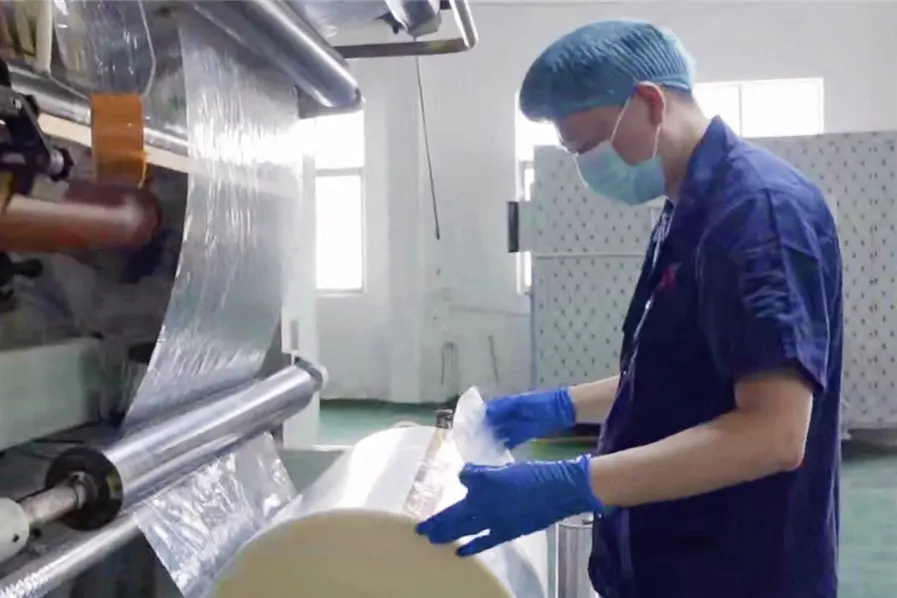
Advanced dry and solventless composite machines fuse PET, NY, AL, and PE layers under heat and tension.
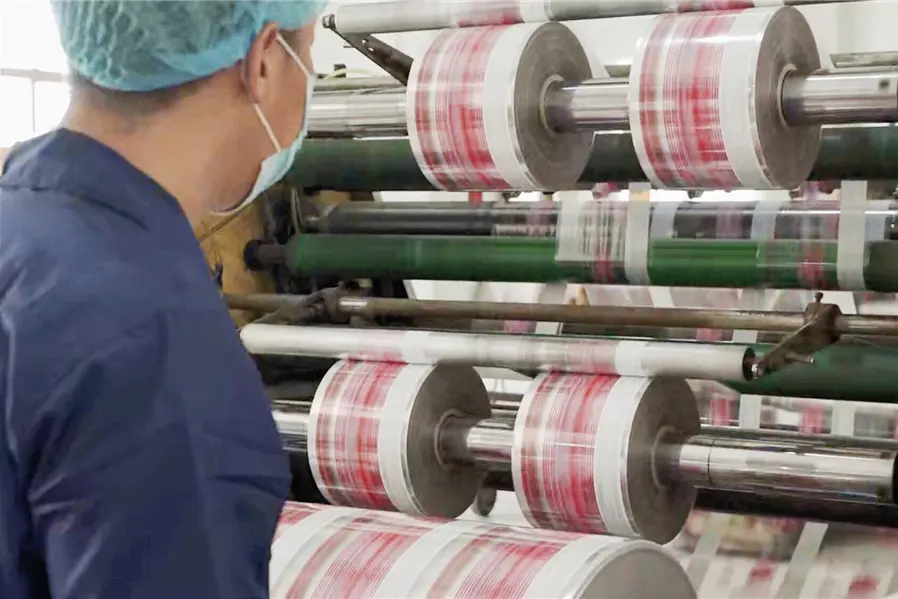
Automated slitting machines cut laminated master rolls into precise widths for film roll stock applications.
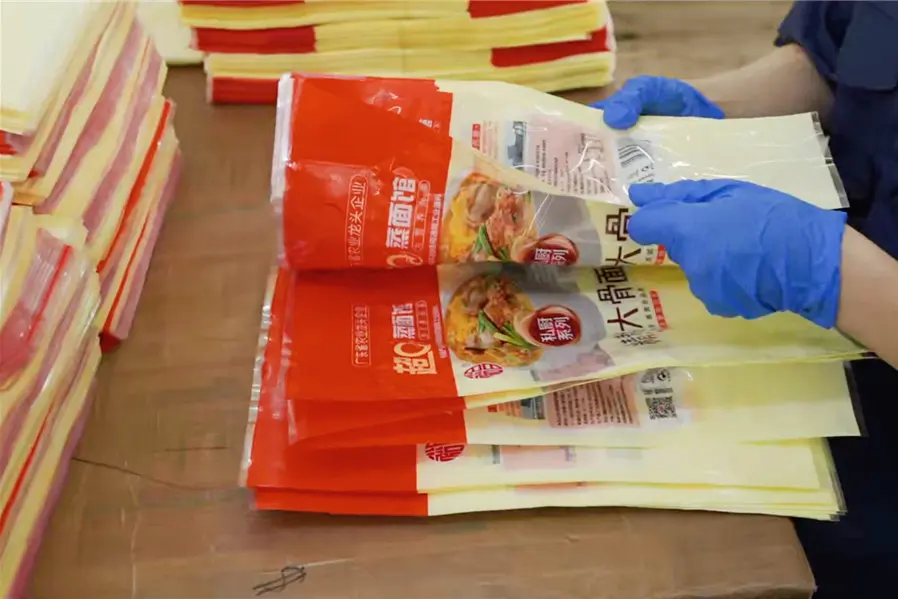
Conversion processes to produce stand-up, flat bottom, and side-gusset bags with zipper seals or tear notches.
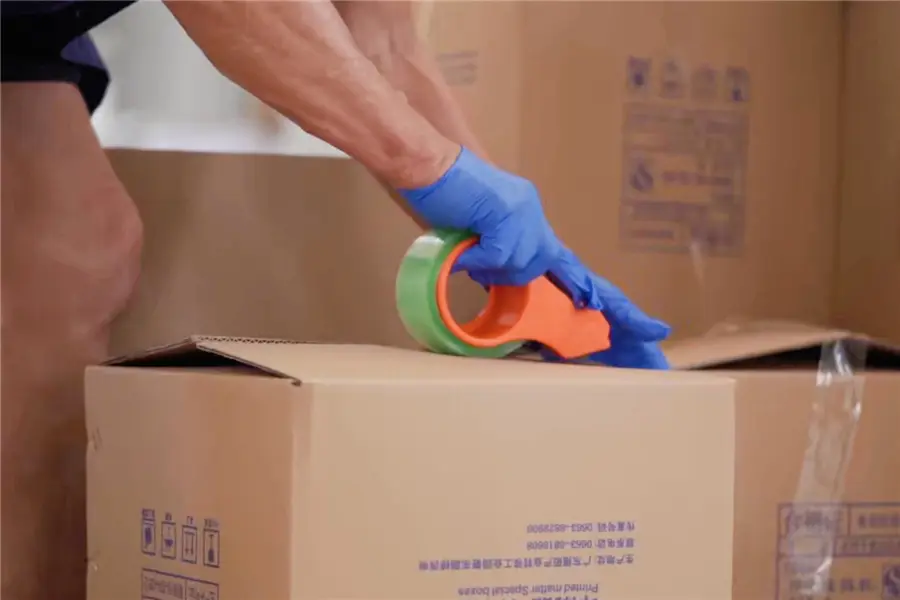
Rigorous leak testing, tensile test verification, and carton packing for damage-free maritime and air transport.
An analytical overview of the trends driving high-performance sealing technology globally
The global packaging sector is undergoing a profound paradigm shift driven by technological convergence, regulatory changes, and evolving end-user expectations. Modern flexible packaging is no longer just a passive container; it has evolved into an active barrier system designed to maintain freshness, protect against biochemical degradation, and optimize transportation logistics. The shift from rigid formats to lightweight, flexible structures is accelerating, powered by the search for lower shipping carbon footprints and reduced raw material utilization.
Historically, achieving high-barrier properties required co-extruding or laminating incompatible materials—such as laminates of polyester (PET), aluminum (AL), and polyethylene (PE). While excellent for preventing gas and moisture ingress, these multi-material structures present sorting and recycling challenges. The current industry standard is shifting toward mono-material solutions, such as oriented polypropylene (OPP/PP) or high-density polyethylene (HDPE/PE) structures with thin vapor-deposited inorganic oxide coatings (Al₂O₃ or SiOₓ). These achieve similar barrier metrics while remaining fully recyclable within standard waste management streams.
For international buyers and processing facilities, the efficiency of their packaging lines depends heavily on the consistency of the roll stock supplied. Small variations in coefficient of friction (COF), gauge thickness, or heat-seal temperature thresholds can lead to line jaw adhesion, pouch tearing, or seal failure, causing costly downtime. As an ODM supplier, Jieyang Yuanzhong integrates continuous quality-control loops, checking the surface tension of laminates, managing mechanical stiffness, and assuring dimensional tolerances to guarantee high efficiency on automatic VFFS (Vertical Form Fill Seal) and HFFS (Horizontal Form Fill Seal) machinery.
With consumer trends favoring fresh, preservative-free foods, the demand for modified atmosphere packaging (MAP) is rising. Oxygen scavengers, ethylene-absorbers, and custom anti-fog films are integrated into the polymer matrix. These tech layers maintain inner gas equilibrium, extending the shelf-life of coffee, bakery items, organic snacks, and pet treats without requiring synthetic chemical stabilizers inside the food formulation.
Navigating international food contact standards, toxicological safety, and regional supply chain logistics
Operating a global packaging supply chain requires strict compliance with food-safety standards. Food-contact materials must be non-toxic, non-migrating, and certified to meet regional regulations, including the United States Food and Drug Administration (FDA) requirements, European Union directives (EC No 1935/2004), and China's GB national food safety criteria. At Jieyang Yuanzhong, our raw resins and ink formulations are sourced from audited chemical suppliers, ensuring trace documentation down to the batch level.
Our global operations are supported by a dedicated international logistics network. Recognizing that supply chain security is a key operational metric, we provide end-to-end support, including customs documentation, certificate verification (COAs, SGS test reports), and multi-port container management. We help international clients navigate tariff classifications and shipping schedules, reducing the risks of port delays and production disruptions.
For large-scale industrial buyers, we offer custom service level agreements (SLAs) that cover inventory buffers, customized lead-time windows, and localized technical troubleshooting. Whether your filling facilities are located in Europe, North America, Southeast Asia, or South America, our technical sales engineers offer remote diagnostic support and custom-engineered material solutions to resolve packaging machine issues directly.
Our commitment to continuous materials innovation and advanced manufacturing processes
Transitioning 90% of flexible composite packaging production to solvent-free adhesive lines, reducing volatile organic compound (VOC) emissions by up to 85% and eliminating solvent migration risk in food packaging.
Commercialization of fully recyclable high-barrier PE/PE and PP/PP laminates with OTR/WVTR performance levels comparable to traditional multi-layer metalized films.
Integrating plant-derived PLA (Polylactic Acid) and PBS (Polybutylene Succinate) layers for certified home-compostable and bio-degradable flexible packaging, targeting zero-waste packaging loops.
Integrating digital anti-counterfeiting codes and temperature-reactive smart ink technologies directly into the gravure print layer to enable product lifecycle tracing and authenticity verification.
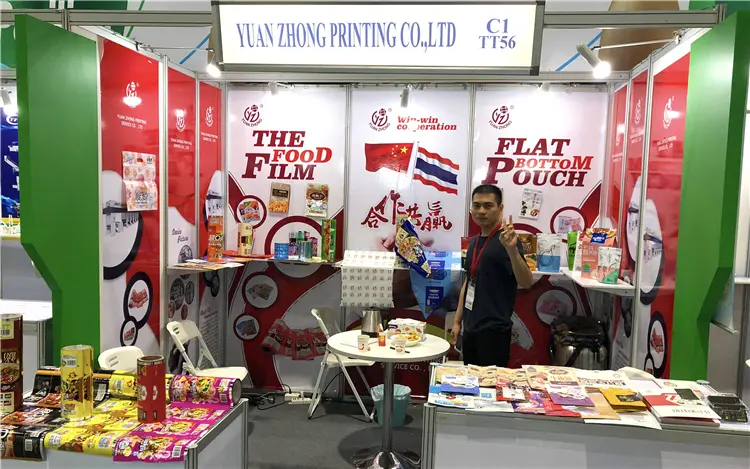
Connecting with clients across more than 10 countries and showcasing innovations at top trade shows
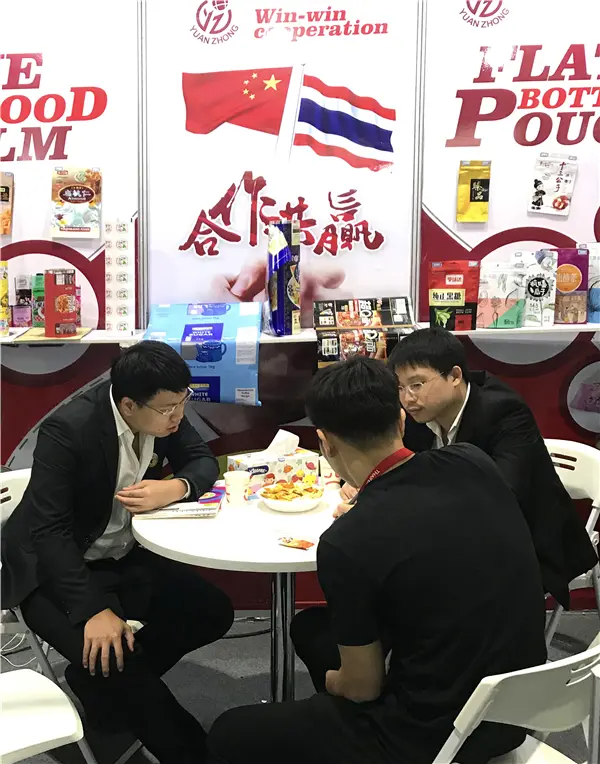
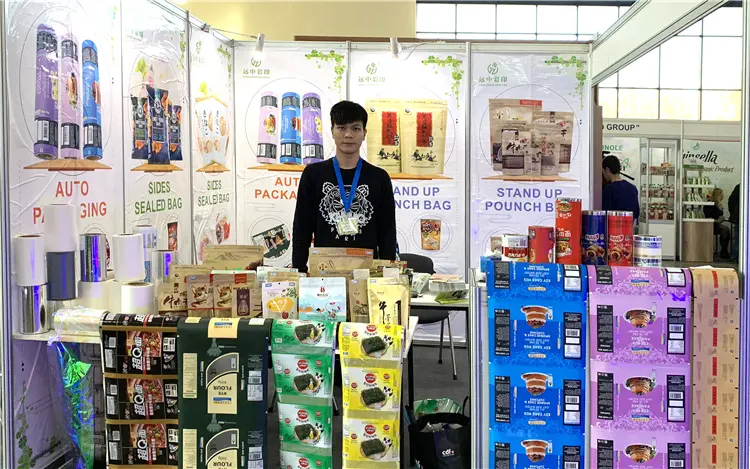
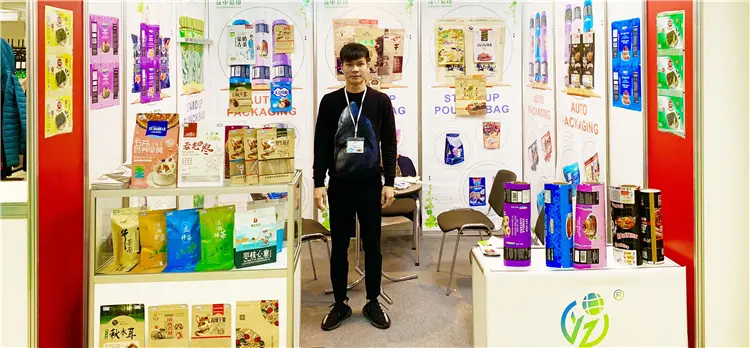
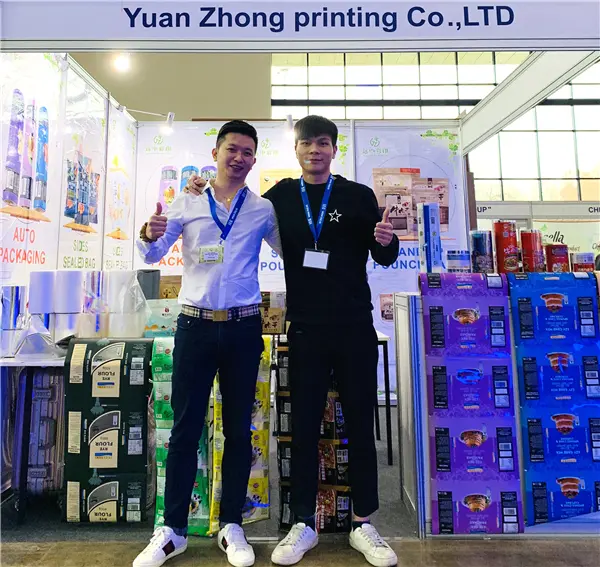
A testament to our long-standing commitment to quality, trust, and supply chain value creation




Addressing core technical questions from packaging engineers and procurement directors
Premium customized barriers and pre-formed bags for specialized packaging lines
 Yuanzhong Printing