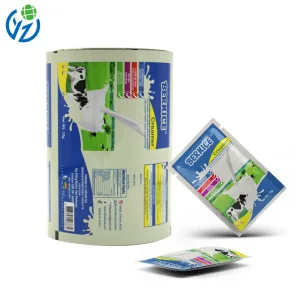
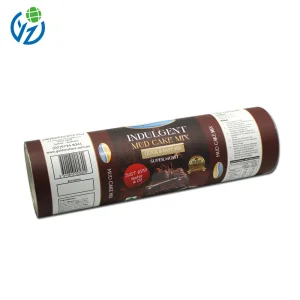
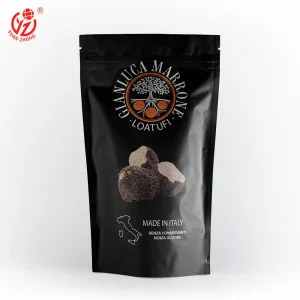
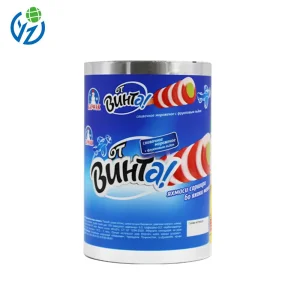
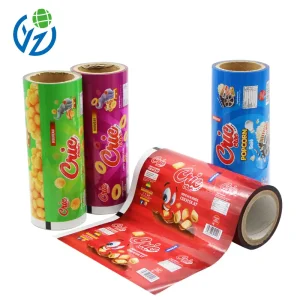
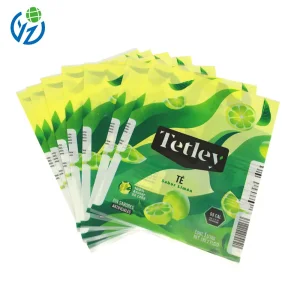
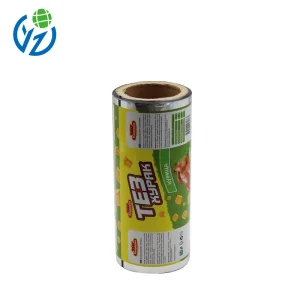
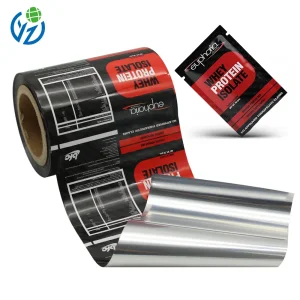
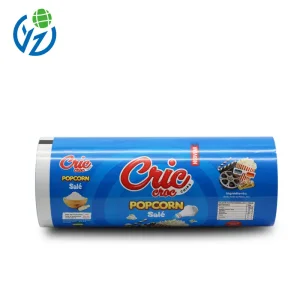
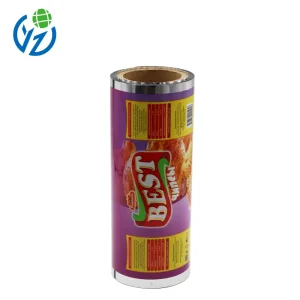
Premium customized barriers designed for high mechanical run-speeds, optimal gas preservation, and print fidelity.
Established in 2001, Jieyang Yuanzhong Printing Co., Ltd. has developed into a premier force in the global packaging decoration printing and plastic laminate converting sectors. Situated in the Jiedong District of Jieyang City, Guangdong Province, our corporation leverage over two decades of mechanical precision and polymer chemistry to produce custom engineered flexible packaging films, multi-layer flat pouches, and laminated barrier materials.
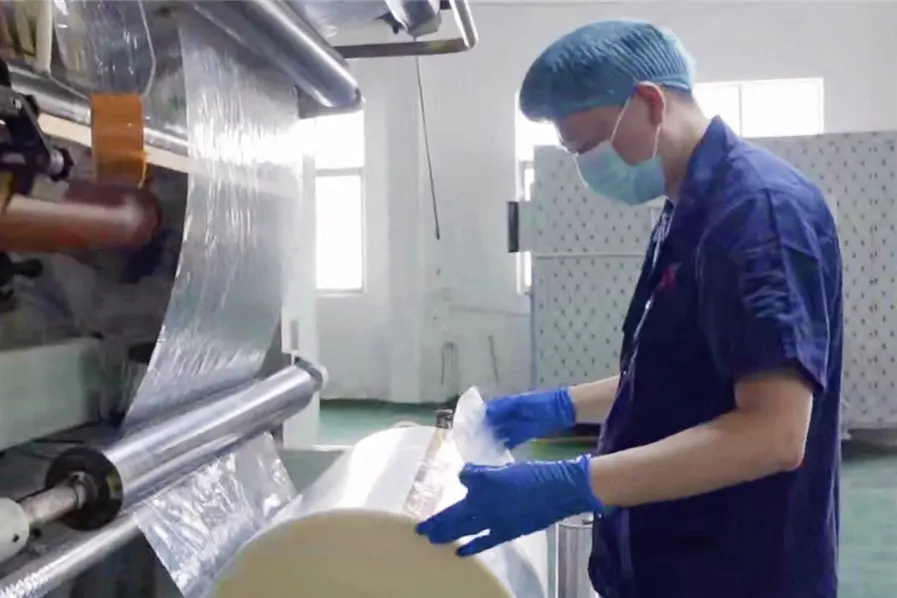
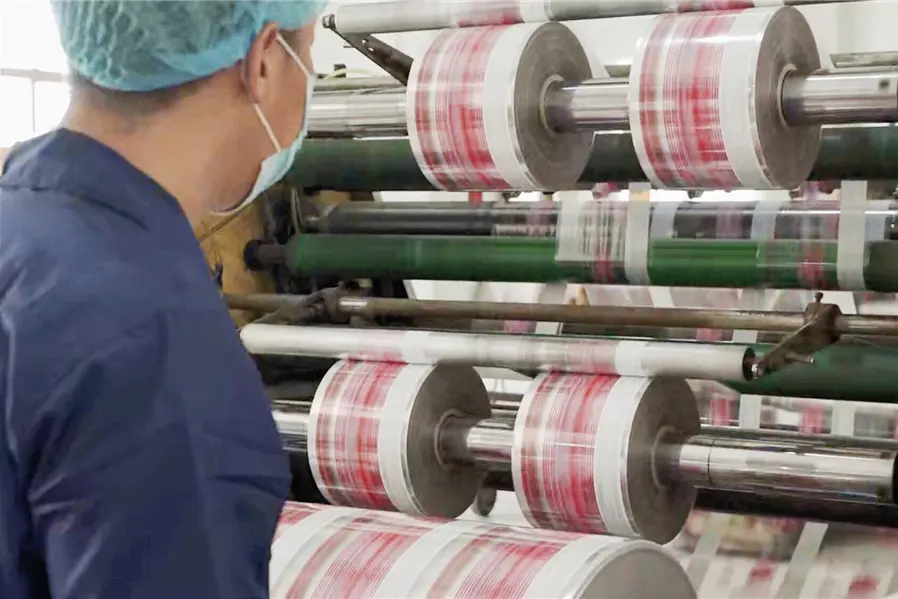
Equipped with state-of-the-art machinery, including fully automated printing production lines from Japan's Komori, we maintain an astonishing monthly production capacity exceeding 240 metric tons. This extensive manufacturing output guarantees responsive supply chains for regional distributors, multinational food processing giants, and contract packers across more than 30 sovereign states.
A comprehensive assessment of structural integrity, moisture barriers, and printing calibration for commercial applications.
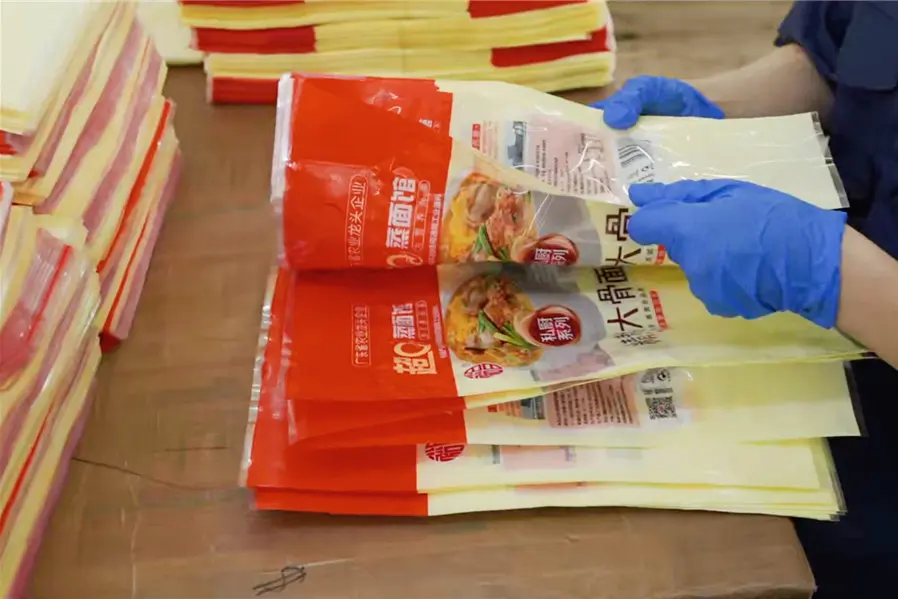
Modern ODM flat pouches are constructed using sophisticated co-extrusion and dry lamination technologies. Outer printing substrates such as PET or BOPP offer high tensile strength and thermal resistance. Intermediate metalized barriers (VMPET, ALU foil) inhibit light, oxygen, and moisture transfer, while inner sealant layers (cast PP, linear low-density PE) guarantee high seal strength and puncture resistance.
High-speed horizontal and vertical form-fill-seal (HFFS/VFFS) systems require consistent heat-sealing window parameters. Engineering the sealant polymer's density governs the seal initiation temperature (SIT) and hot tack strength, preventing micro-leaks and structural failure during retorting, vacuum packing, or high-altitude transport.
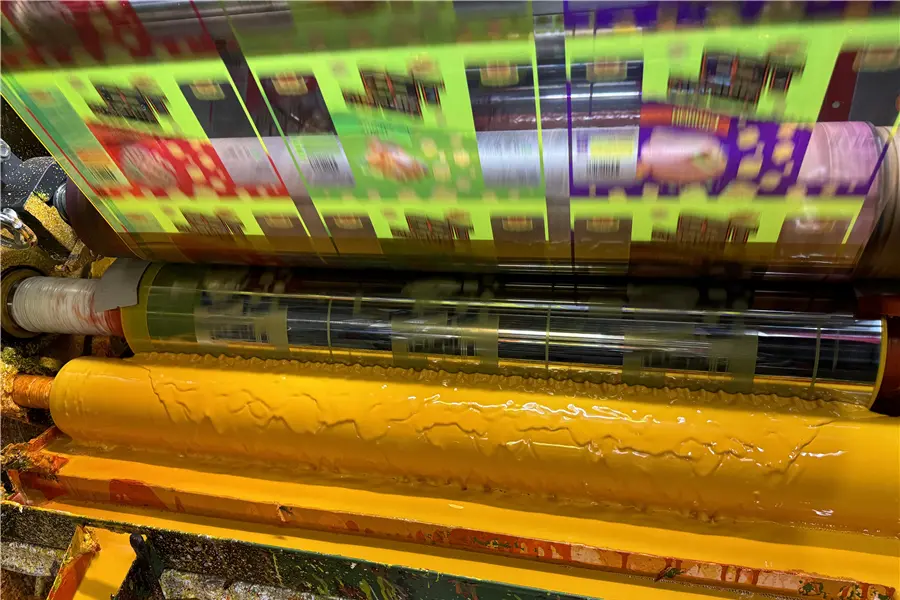
Using advanced rotogravure technology, we deposit controlled ink layers of deep density and chromatic accuracy. This process supports complex halftone renderings and rich metallic finishes, while keeping ink solvent residuals well below the critical thresholds mandated by global food-grade standards.
As a leading printing technology, gravure printing occupies an extremely important position in the field of printing and packaging due to its advantages such as thick ink layer, bright colors, high saturation, high plate durability, stable print quality, and fast printing speed.
Analyzing localized raw material accessibility, export logistical frameworks, and structural cost optimizations.
Southern China, particularly Jieyang and the broader Guangdong industrial corridor, benefits from robust manufacturing ecosystems. Our facility accesses reliable raw materials locally, including advanced biaxially-oriented polymers, specialty solvents, and eco-friendly printing inks.
This proximity reduces feedstock transport delays, helping us stabilize pricing and shorten production cycles. Furthermore, proximity to international shipping hubs like Shenzhen and Guangzhou ports enables efficient oceanic transit, minimizing lead times to markets in Europe, the Americas, and Southeast Asia.
Global brands look beyond unit costs; they prioritize batch-to-batch consistency and technical support. At Yuanzhong, we address these expectations through dedicated engineering partnerships.
We adapt film chemistry to meet specific performance requirements—such as varying coefficients of friction (COF) for automated packaging lines or custom barrier formulas for shelf-life extensions. Our engineering teams collaborate with clients to configure tailored layer laminations, structural dimensions, tear notches, and ergonomic closures.
Addressing international food safety criteria and sustainability initiatives in modern packaging design.
We manufacture materials strictly compliant with food safety regulations, including FDA regulations for direct food contact and EU Regulation 10/2011 on plastic materials. By keeping chemical migration levels well within legal limits, we ensure our packaging remains safe for products like baby formula, dairy powders, and complex food applications.
The demand for recyclable packaging is accelerating research into mono-material substrates. Standard multi-material films (e.g., PET/ALU/PE) are difficult to recycle mechanically. In response, we are developing recyclable mono-material structures (such as MDO-PE/PE laminates) that provide excellent gas barriers while supporting circular economy goals.
Integrating thermochromic indicators, active oxygen scavengers, and QR-coded serialization protects brands against counterfeits while offering real-time freshness monitoring. These smart features enhance supply chain transparency and build trust with end consumers.
How different vertical markets employ distinct flexible films to solve unique barrier challenges.
Products like infant formulas are highly sensitive to oxidation and moisture pick-up. Our specialized multi-layer laminates, which incorporate aluminum foil and custom sealing agents, keep oxygen levels inside the pack extremely low. This ensures long-term nutrient preservation and prevents powder clumping.
Snack packaging needs to maintain nitrogen flush levels and withstand high puncture stress from irregular product shapes. Metallized barriers like VMPET protect against rancidity caused by light exposure, while keeping chips crisp and preventing early product breakdown.
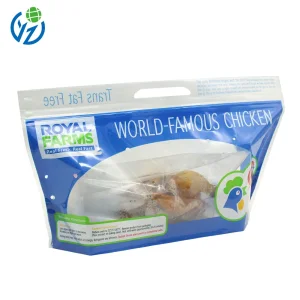
Specialty protein products, including turkeys, require heavy-gauge polymers that can survive low freezing temperatures and high puncture forces. We engineer these structures to sustain their seal integrity during cold-chain transport, preventing freezer burn and surface spoilage.
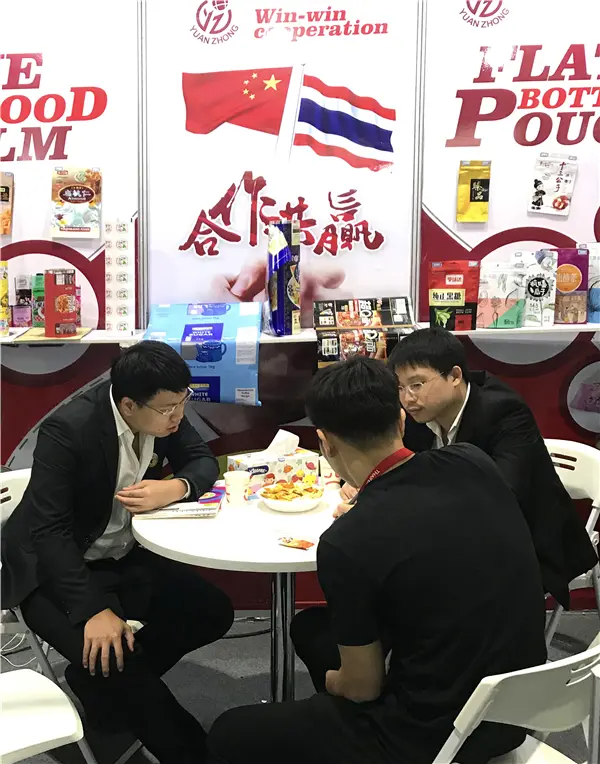
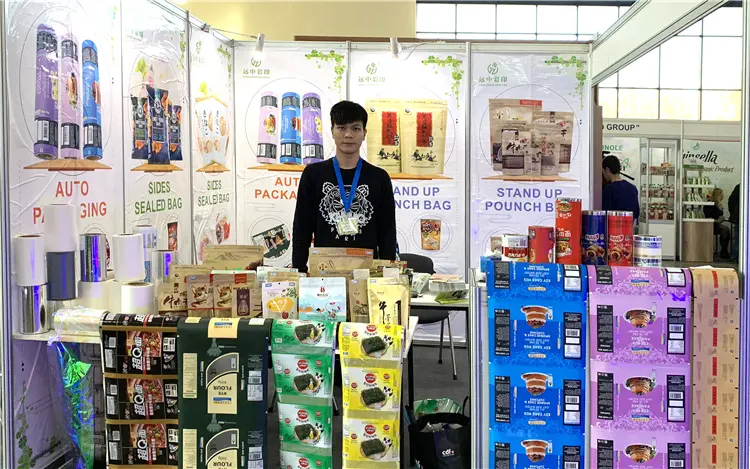
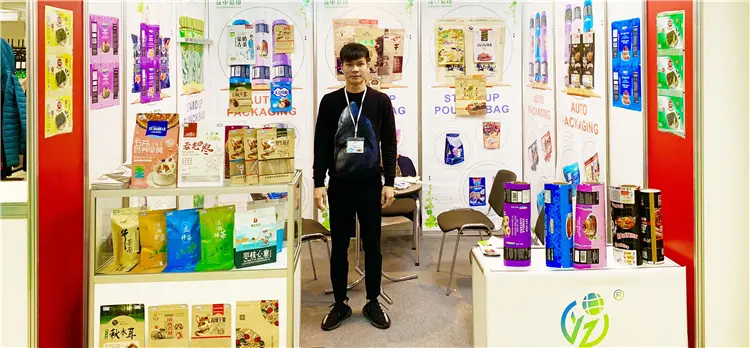
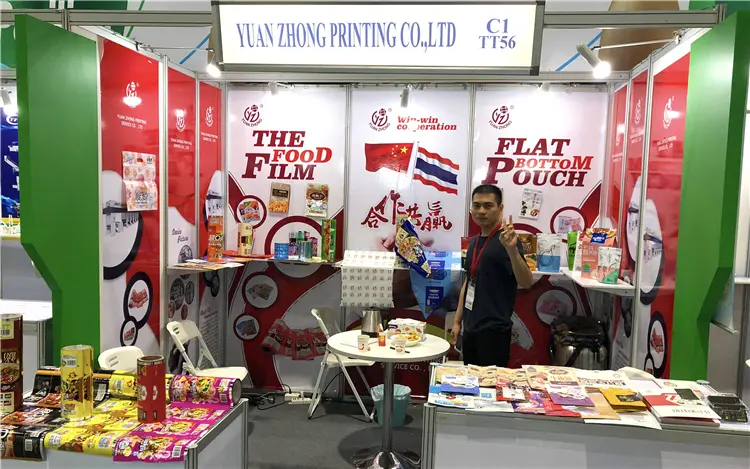
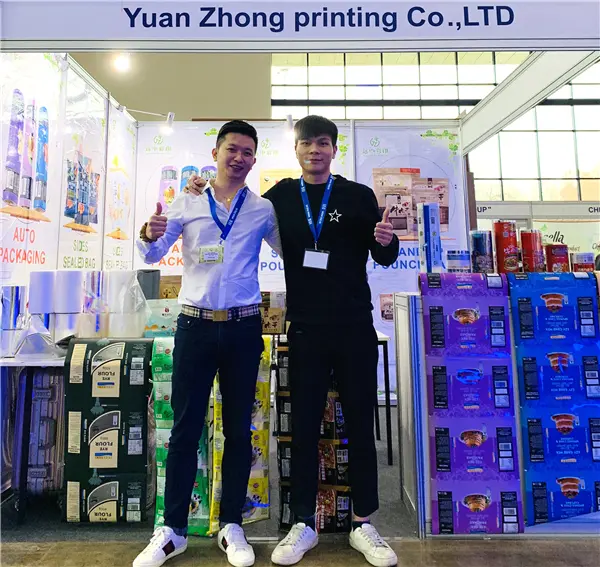
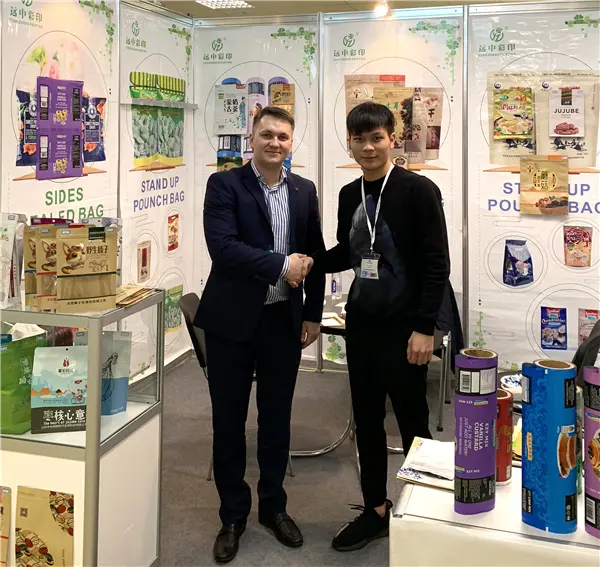
Exploring the World Through Exhibitions: A Journey Across More Than 10 Countries and Cooperating with More Than 20 Brands.



Detailed answers to key structural, financial, and logistical questions from global procurement managers.
Premium customized barriers designed for high mechanical run-speeds, optimal gas preservation, and print fidelity.
 Yuanzhong Printing