Innovative flexible solutions engineered for brand value, freshness, and structural performance.
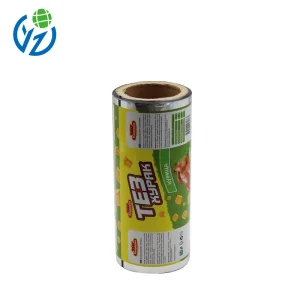
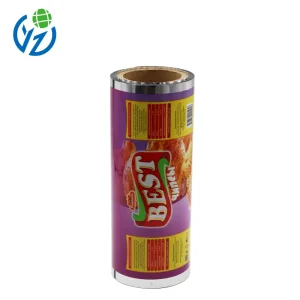
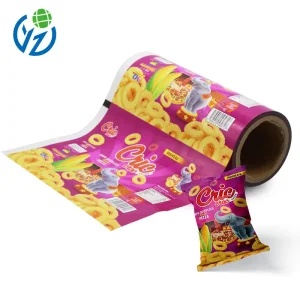
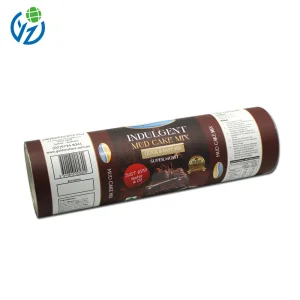
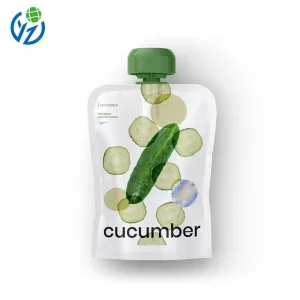
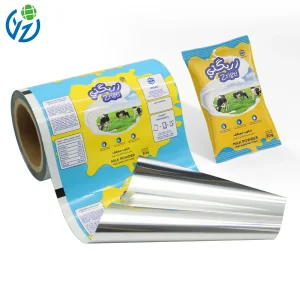
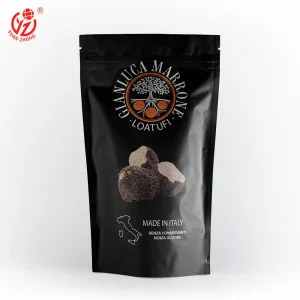
Analyzing macro demand dynamics, regulatory developments, and localized market application criteria.
The global flexible packaging market is undergoing a structural paradigm shift, driven by demands for extended shelf life, material reduction, and circular economy compatibility. Modern consumer package goods (CPG) companies are transitioning from rigid packaging formats to lightweight, multi-layered flexible solutions. This shift minimizes transportation weight, lowers carbon footprints, and dramatically optimizes space during distribution. In 2024, the demand for high-barrier films, customizable pouch designs, and eco-friendly raw materials has reached unprecedented volumes across the Americas, European Union, and the Asia-Pacific region.
To serve these international markets, a sophisticated ODM plastic bag factory must offer more than basic extrusion and conversion. Modern operations require deep technical competency in polymer science, co-extrusion technology, and complex lamination configurations. This ensures compliance with stringent global regulations. For instance, food contact packaging must strictly align with United States FDA regulations (21 CFR) and EU Food Contact Regulation (EC) No 1935/2004. Maintaining compliance requires comprehensive traceability, migration testing, and the exclusive use of approved virgin resins.
Different global jurisdictions impose distinct challenges on importers and brands:
A standard-setting enterprise in packaging decoration printing and plastic packaging bag processing.
Established in 2001, Jieyang Yuanzhong Printing Co., Ltd. is a leading private enterprise located in the Jiedong District of Jieyang City, Guangdong Province, China. With over two decades of dedicated manufacturing experience, we have positioned ourselves as an authoritative partner in the global supply chain for customized flexible packaging. Our specialized facility handles the entire production lifecycle, including substrate evaluation, graphic design pre-press verification, high-speed rotogravure printing, solvent-free dry lamination, slitting, and pouch conversion.
Our plant integrates advanced manufacturing systems, including Japan Komori fully automatic printing production lines and high-speed composite laminating machinery. Operating with precision, we achieve a consistent monthly output exceeding 240 tons. This ensures timely delivery for high-volume orders from multinational partners, without compromising physical or chemical quality specifications.
How raw materials are transformed into high-barrier flexible packaging solutions.
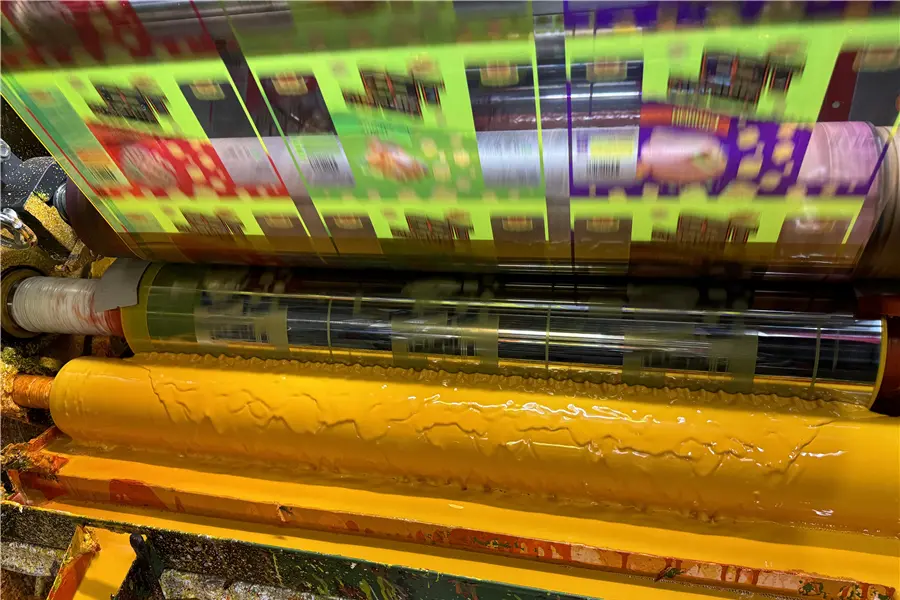
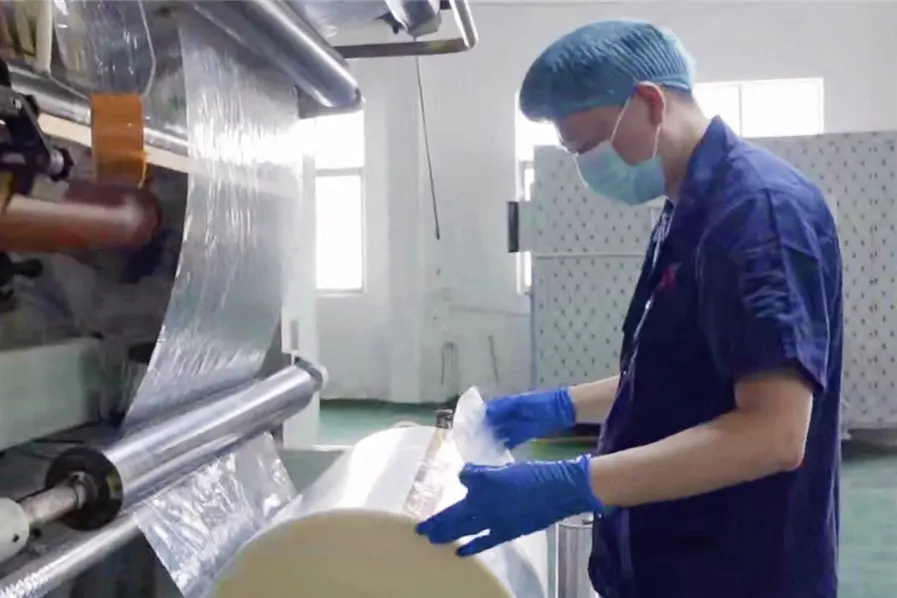
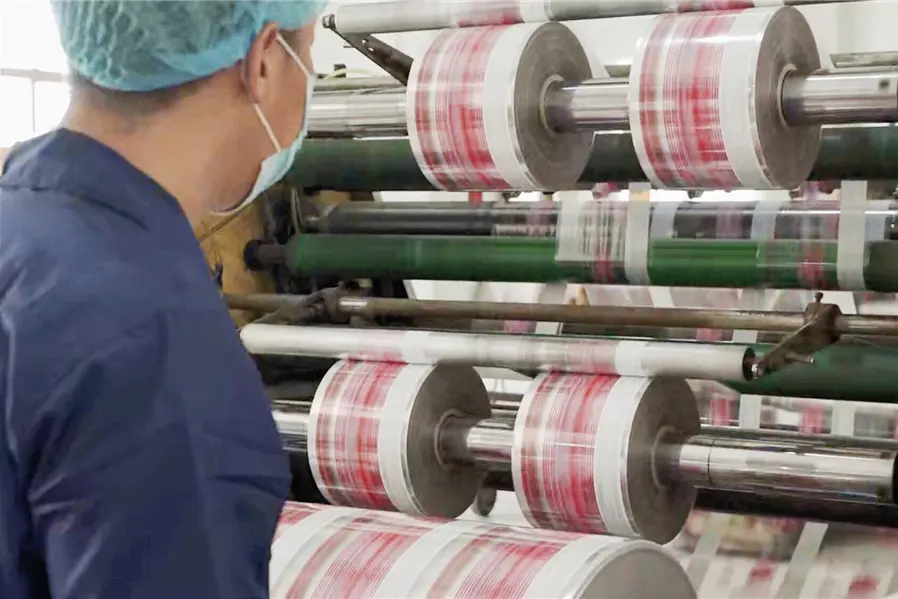
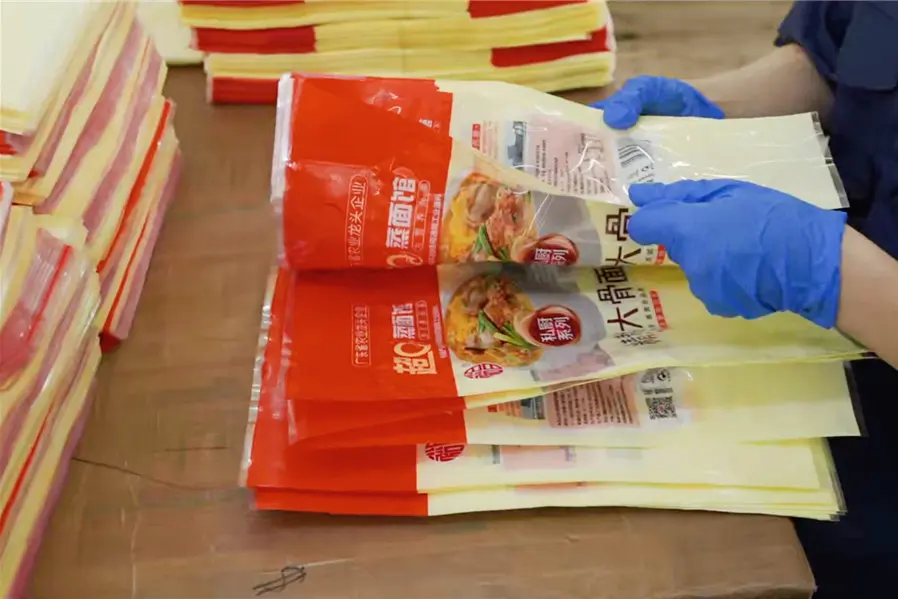
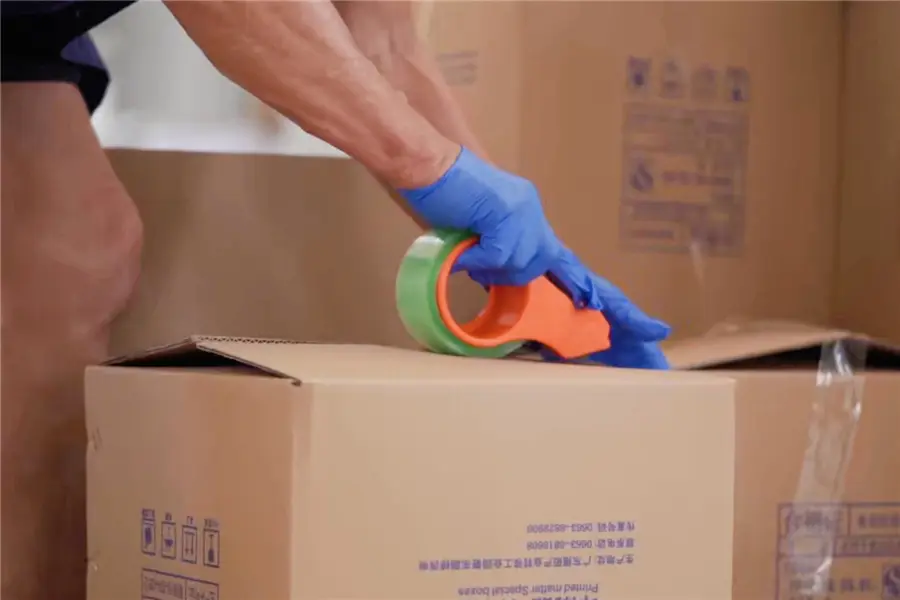
In flexible packaging, rotogravure printing stands as the premium standard for high-volume commercial runs. By directly engraving imagery onto steel cylinders, gravure technology deposits a consistent, thick layer of ink onto films like PET, BOPP, and Nylon. This process yields superior ink density, rich color saturation, and unmatched repeatability across millions of impressions.
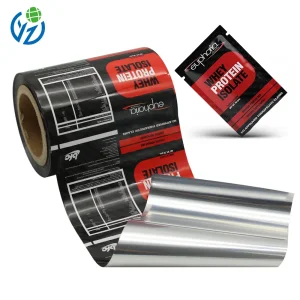
Following printing, the composite step laminates the outer layer with barrier materials (such as aluminum foil, metallized film VMPET, or cast polypropylene) using high-grade adhesives. This prevents volatile organic compounds (VOCs) from migrating. Once cured, the rolls are slit to size and converted into stand-up pouches, flat-bottom bags, or spout bags, preparing them for high-speed filling lines.
Insights into next-generation substrate configurations and eco-friendly alternatives.
As regulatory scrutiny on single-use plastics intensifies, the flexible packaging industry is shifting from traditional multi-material structures to sustainable alternatives. Modern research focuses on creating structures that provide high barrier performance against oxygen and moisture while remaining fully recyclable within standard waste streams.
Traditional high-barrier pouches fuse mismatched polymer families (e.g., PET/AL/PE), making mechanical recycling difficult. The industry is transitioning to mono-material PE/PE or PP/PP laminations. These designs utilize oriented PE (MDO-PE) for heat resistance, combined with EVOH barriers for low oxygen transmission, keeping the package within a single recycling category.
For organic waste collection compatibility, biodegradable barriers are gaining market share. Industrial-compostable resins, such as PLA (polylactic acid), PBAT, and certified high-barrier kraft paper laminates, are increasingly used in dry food and coffee packaging sectors. This helps reduce long-term environmental accumulation.
Additionally, modern production lines integrate electronic ink control, automated register control, and defect detection cameras. These technologies ensure that print runs maintain minimal deviation, reducing material scrap rates to under 1.5% during long-run production cycles.
Custom-engineered material specifications designed for diverse industrial applications.
Connecting with global customers, showcasing process innovations, and building partnerships across borders.
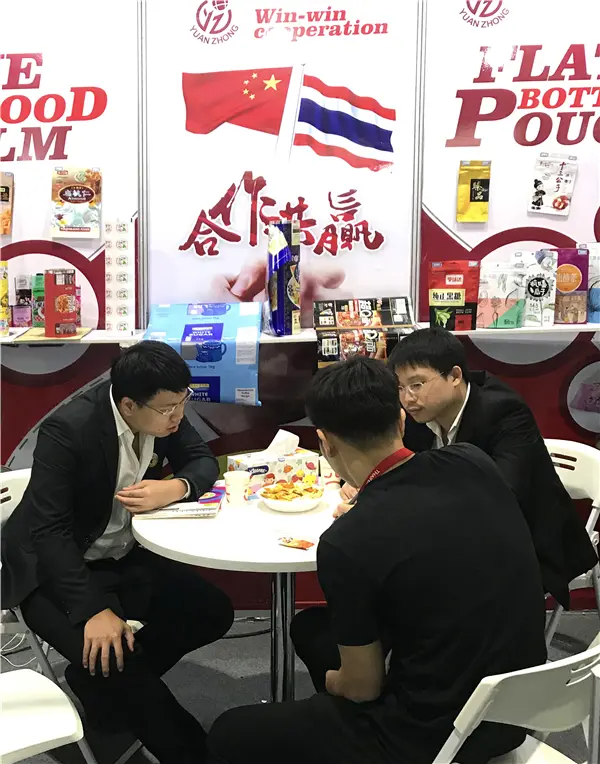
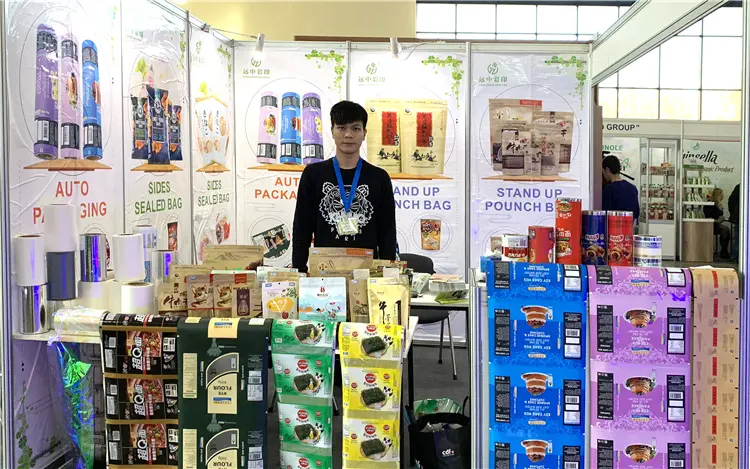
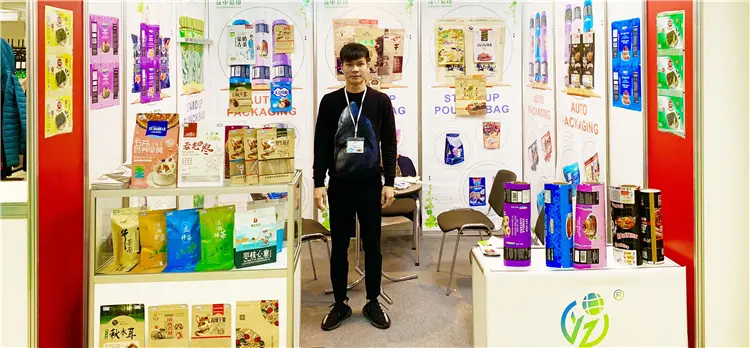
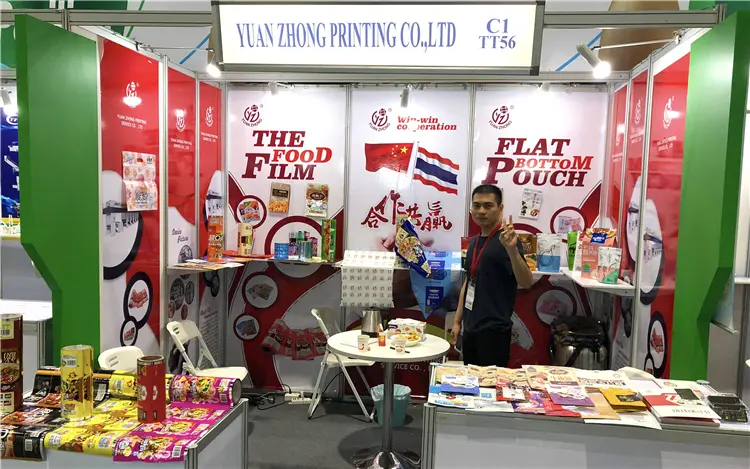
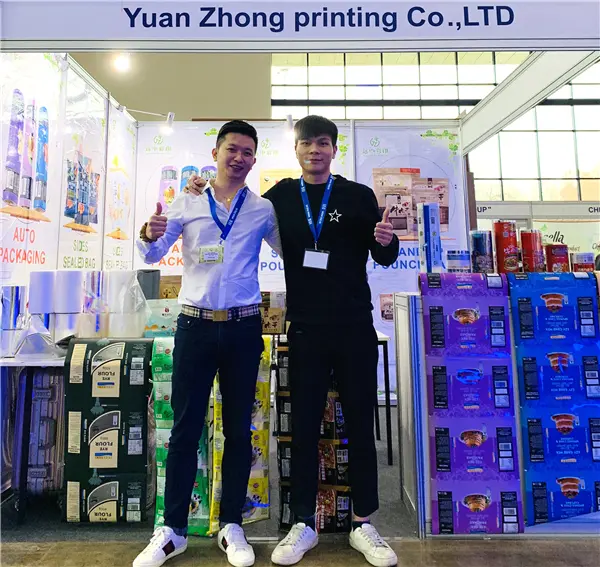
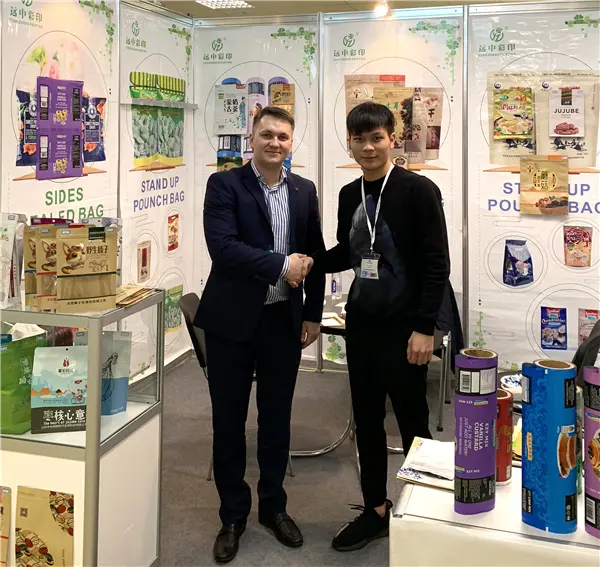
Partnering with leading brands worldwide, built on mutual trust and engineering excellence.

Technical clarifications on ordering, custom specifications, and flexible packaging manufacturing processes.
Our standard MOQ ranges from 10,000 to 20,000 units per size/design variation, depending on pouch dimensions and material structure. For custom printed roll stock film, MOQ is typically determined by weight, starting at 500 kg per design to ensure efficient operation on high-speed rotogravure presses.
Yes. All raw food-grade plastic resins, color pigments, and laminating adhesives comply with FDA 21 CFR standards and European Union food contact directives. We conduct migration tests to ensure zero contamination, making our films safe for delicate applications like infant formula, powdered milk, and snacks.
We utilize high-speed rotogravure printing presses, including advanced fully automatic production lines from Japan. Rotogravure offers deep color saturation, sharp text, and high consistency across long runs. Color matching is managed through digital densitometers and spectrophotometers, referencing target Pantone matching systems.
Yes. We engineer fully recyclable mono-material solutions (PE-only or PP-only laminated films) that offer strong barrier protection while fitting standard regional recycling channels. We also process biodegradable and industrial-compostable PLA and paper composite options upon request.
Typical production lead times are 15 to 25 business days from final artwork confirmation and cylinder plate proofing. Global transit times vary by destination, typically taking 2 to 4 weeks via ocean freight or 3 to 7 days via express air cargo.
Our engineers determine barrier requirements based on your product's shelf-life target. For example, high-barrier laminates containing aluminum foil or metalized VMPET are recommended for oxygen-sensitive foods like nuts and powder mixes. For moisture-proof but non-oxygen-sensitive applications, clear BOPP/PE matrices may suffice.
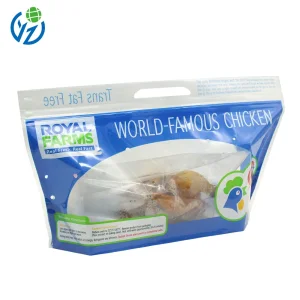
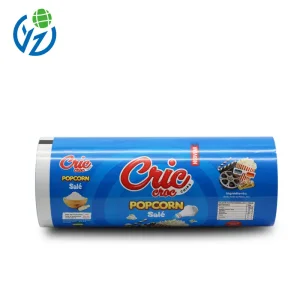
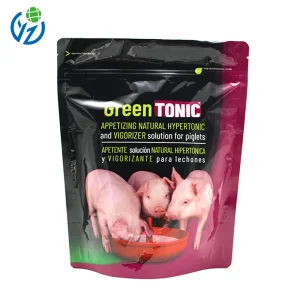
Tailor-made packaging formats optimized for automated packaging lines and distribution channels.
 Yuanzhong Printing