 Yuanzhong Printing
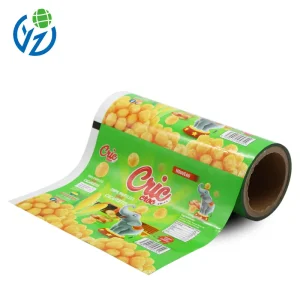
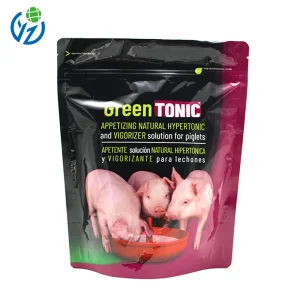
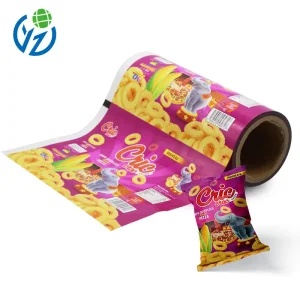
ODM Logo Packing Industry Insights: Engineering, Trends & Compliance
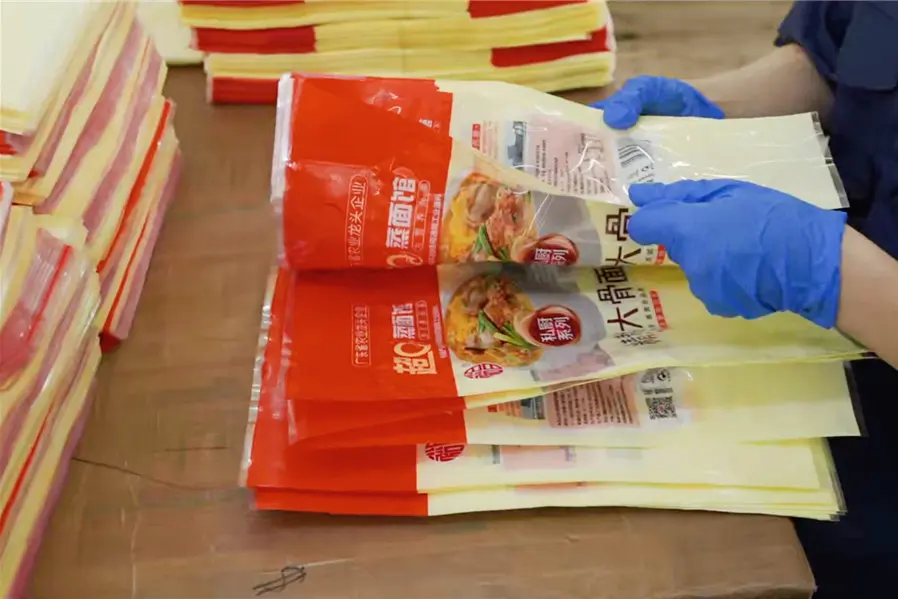
In the highly competitive consumer packaged goods (CPG) landscape, logo packaging has evolved from a basic containment mechanism into a sophisticated vehicle for brand equity and product preservation. For procurement managers, finding the sweet spot between structural integrity and branding requirements is essential to establishing a high-performance supply chain. This whitepaper analyzes the structural engineering, raw materials, manufacturing processes, and compliance matrices that define the contemporary flexible packaging ecosystem.
1. High-Barrier Film Structures & Material Science
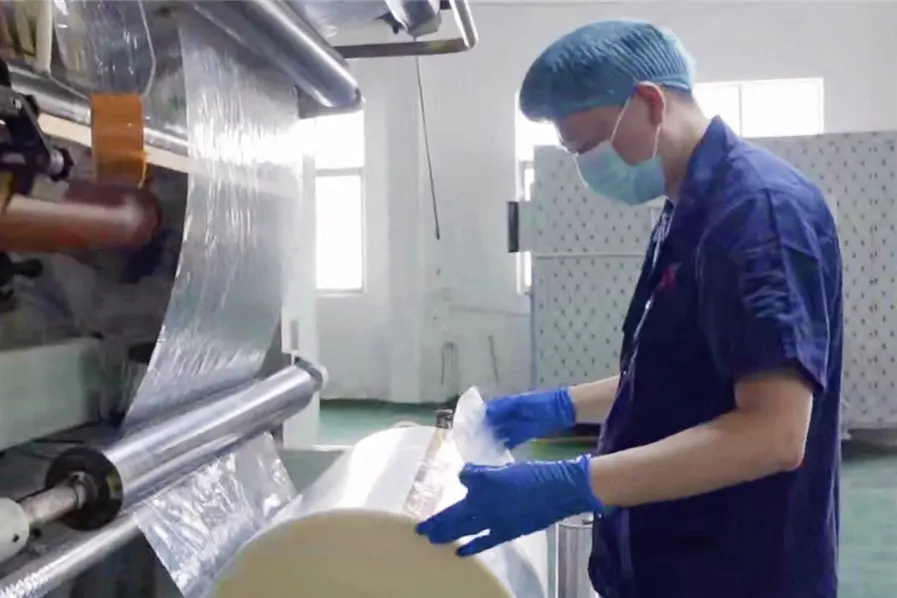
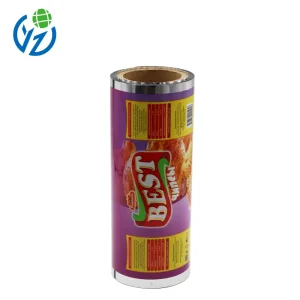
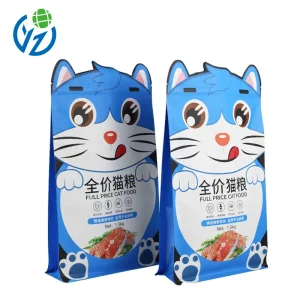
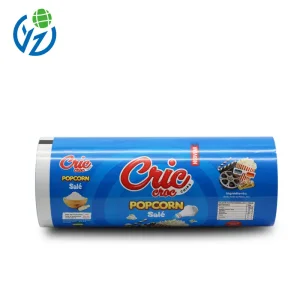
At the center of any successful ODM flexible packaging design is material science. We construct custom laminated rolls and bags using specialized polymers configured to block moisture, oxygen, light, and contaminants. By adjusting these configurations, we meet precise Water Vapor Transmission Rates (WVTR) and Oxygen Transmission Rates (OTR).
- PET (Polyethylene Terephthalate): The outer printing layer that provides excellent tensile strength, thermal resistance, and high optical clarity for vivid custom graphics.
- VMPET (Metallized PET Film): Offers cost-effective, high-barrier protection against oxygen and light, giving packages an attractive metallic finish.
- AL (Aluminum Foil): The gold standard for total isolation barriers. It features near-zero OTR and WVTR, making it ideal for snacks and pet food needing long shelf lives.
- NY (Nylon / BOPA): Delivers exceptional puncture resistance and mechanical strength, which is vital for heavy dog food bags and vacuum pouch applications.
- PE (Polyethylene) & CPP (Cast Polypropylene): The food-safe, inner sealant layers that bond at low temperatures, ensuring airtight hermetic seals that protect against leaks.
2. Critical Global Regulatory Compliance & Safety Protocols
Exporting flexible packaging globally requires strict compliance with international food contact standards. Different regions enforce strict chemical limits, making third-party certifications essential for safety and reliability.
Our raw materials and manufacturing procedures comply with FDA (Food and Drug Administration) regulations under 21 CFR for direct food contact. Additionally, we align with the European Union Directive 10/2011 on plastic materials intended to come into contact with food. This compliance ensures that our pouches and roll films prevent plasticizer migration, maintaining the chemical and sensory purity of foods, medical items, and infant products.
3. China Supply Chain Cluster Advantages
Our manufacturing facility in Guangdong Province places us at the center of China’s major flexible packaging supply cluster. This strategic location offers unique supply chain advantages:
- Direct Raw Material Access: Localized access to premium resin suppliers, functional film extruders, and advanced ink manufacturers reduces raw material transit times and minimizes overall costs.
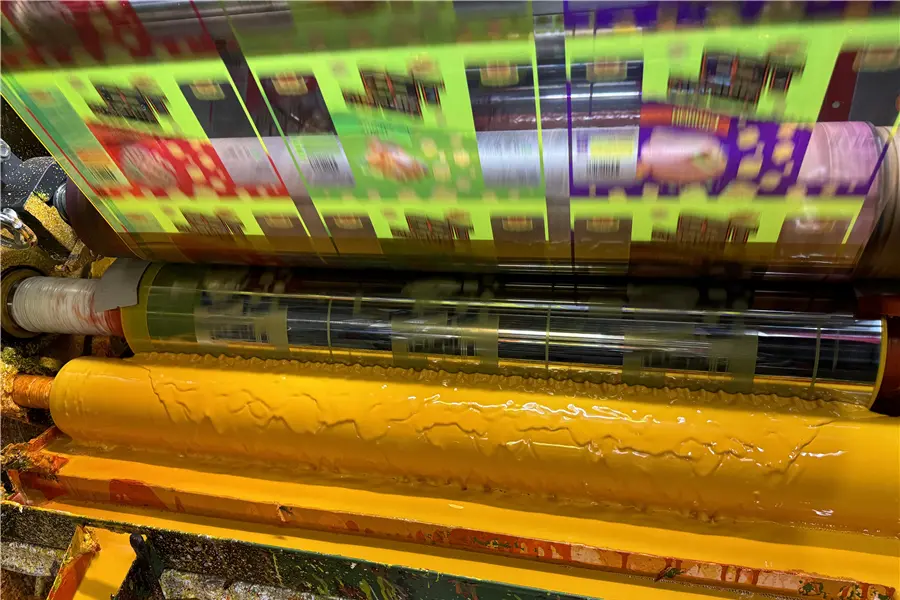
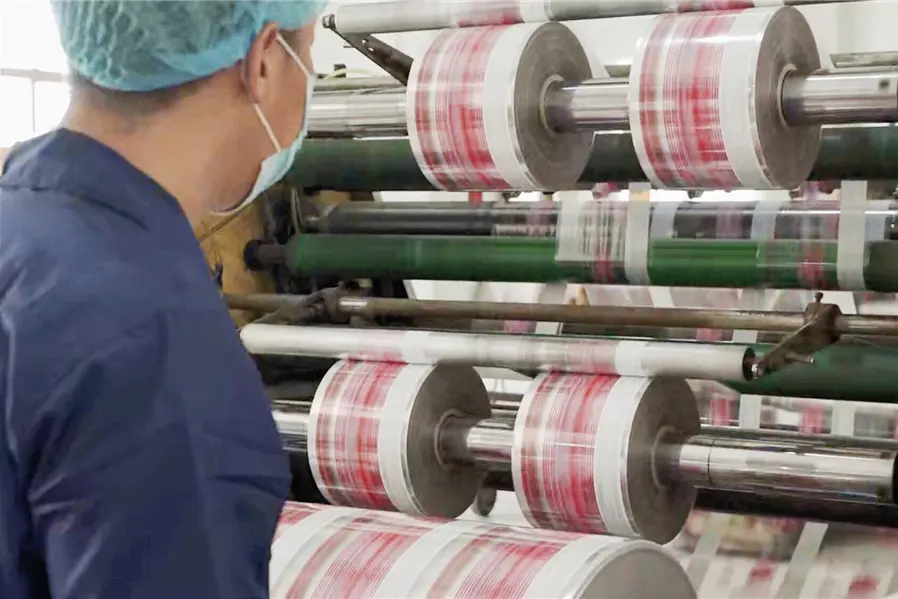
- Advanced Gravure Technologies: High-speed gravure printing lines from leaders like Japan Komori enable us to achieve sharp print registration at speeds up to 300 meters per minute.
- Efficient Port Logistics: Proximity to major deepwater ports in Shenzhen, Guangzhou, and Shantou facilitates rapid shipping to North America, Europe, Southeast Asia, and beyond.