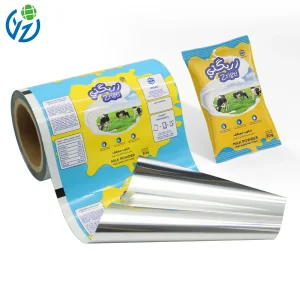
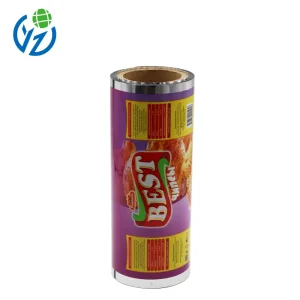
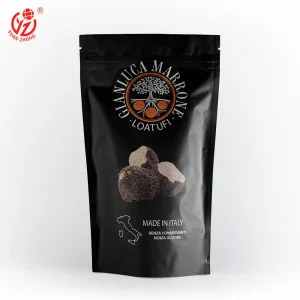
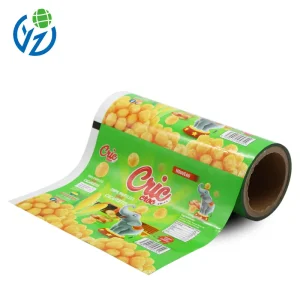
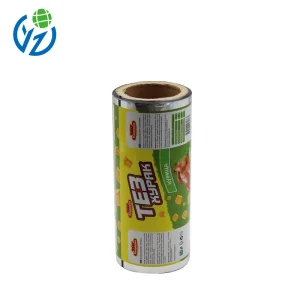
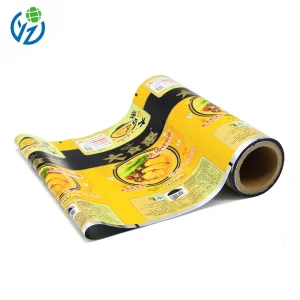
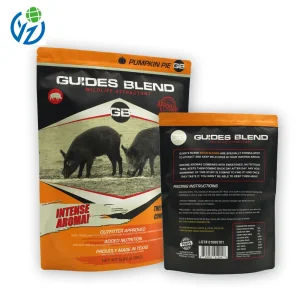
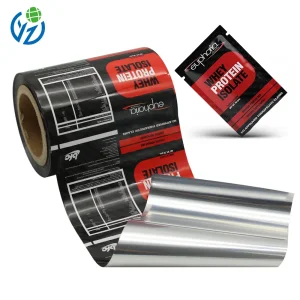
Explore our primary range of custom-engineered plastic films, barrier bags, and functional rollstock developed to ensure product safety, prolong shelf stability, and facilitate packaging automation.
Established in 2001, Jieyang Yuanzhong Printing Co., Ltd. operates a high-capacity production facility in Jiedong District, Jieyang City, Guangdong Province. As an industry-accredited private enterprise, we specialize in high-precision packaging decoration printing, multilayer co-extrusion and adhesive dry lamination processes, and customized bag conversion.
Our packaging plant features advanced imported equipment configurations, including high-speed Japan Komori fully automatic printing production lines. Complementing this hardware are inline defect detection cameras, high-efficiency laminators, and precise slitting setups that maintain consistency across large-volume runs, outputting in excess of 240 tons monthly.
Yuanzhong Pack is a trusted global packaging supplier, delivering engineered films and stand-up pouches to over 30 countries. We comply with international standards for food safety and material migration. Our dedicated technicians and design teams adapt each structure to custom shelf-life, puncture resistance, and seal integrity requirements.
Rotogravure printing stands as the cornerstone of our manufacturing operation, delivering exceptional color fidelity, layout repeatability, and reliable ink adhesion for complex multi-layer laminate structures.
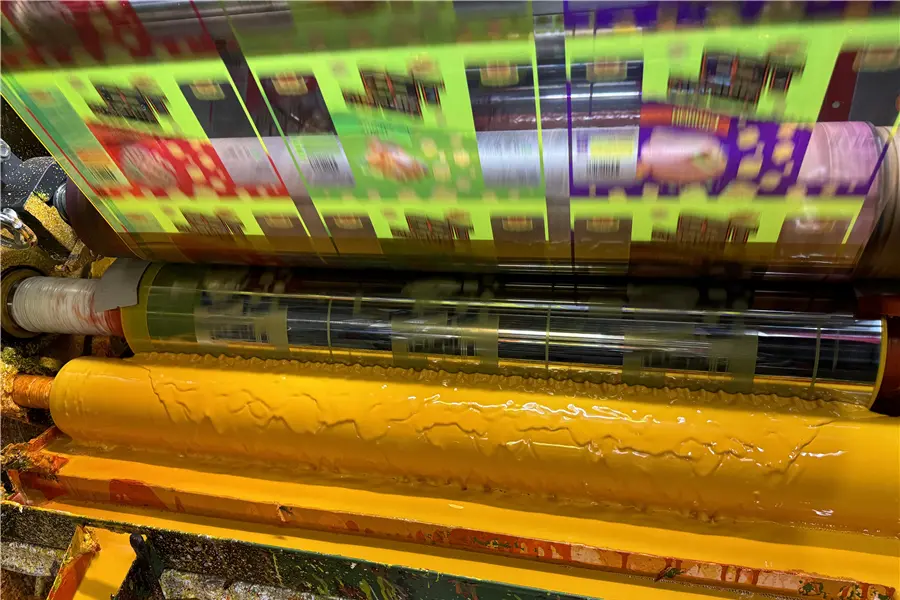
Applying ink directly to PET, BOPP, or Nylon films with cylinder engraving for crisp graphics.
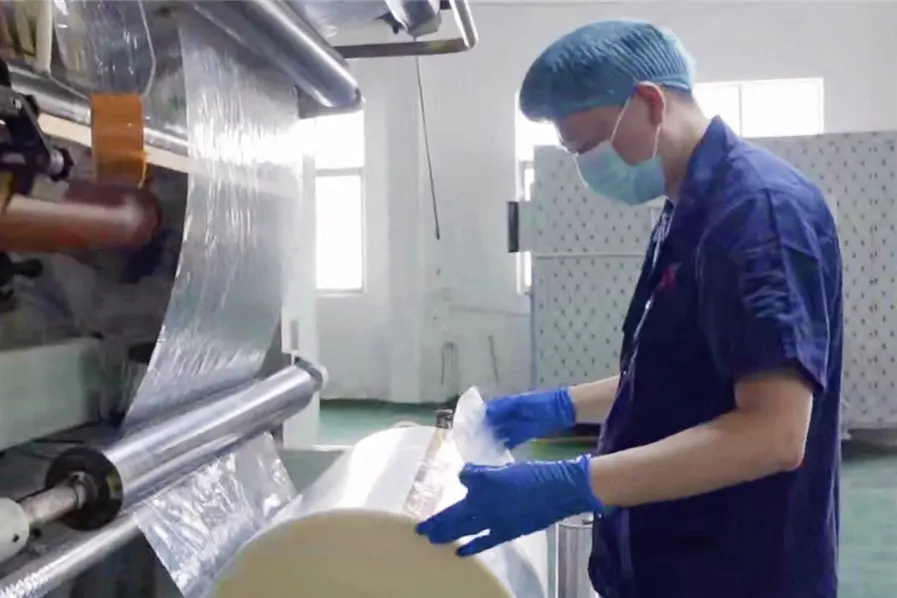
Combining film layers using solvent-free or dry laminating adhesives to construct high barriers.
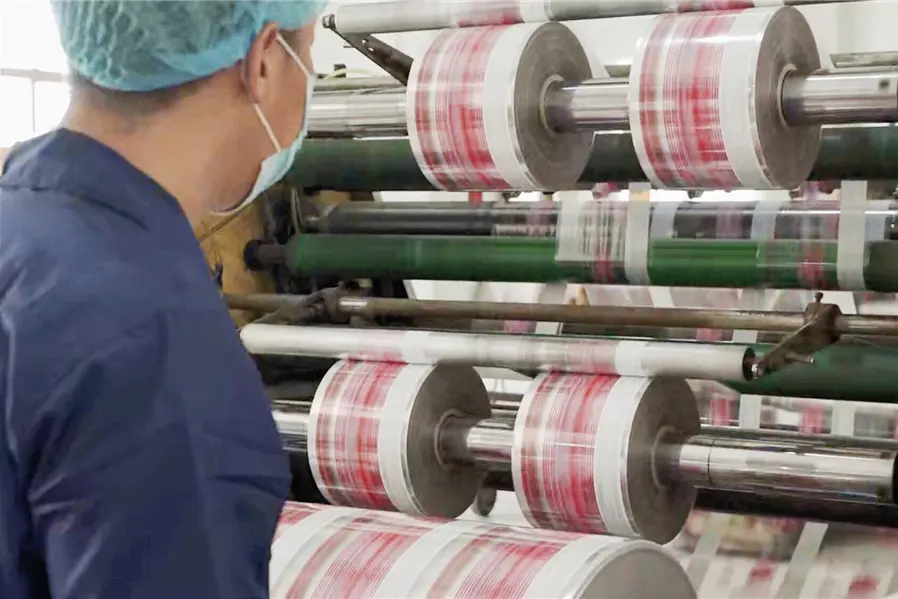
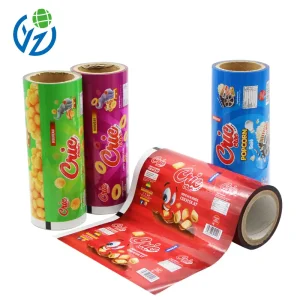
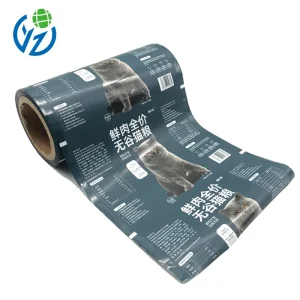
Trimming laminated webs to precise target widths to support automated horizontal and vertical fill equipment.
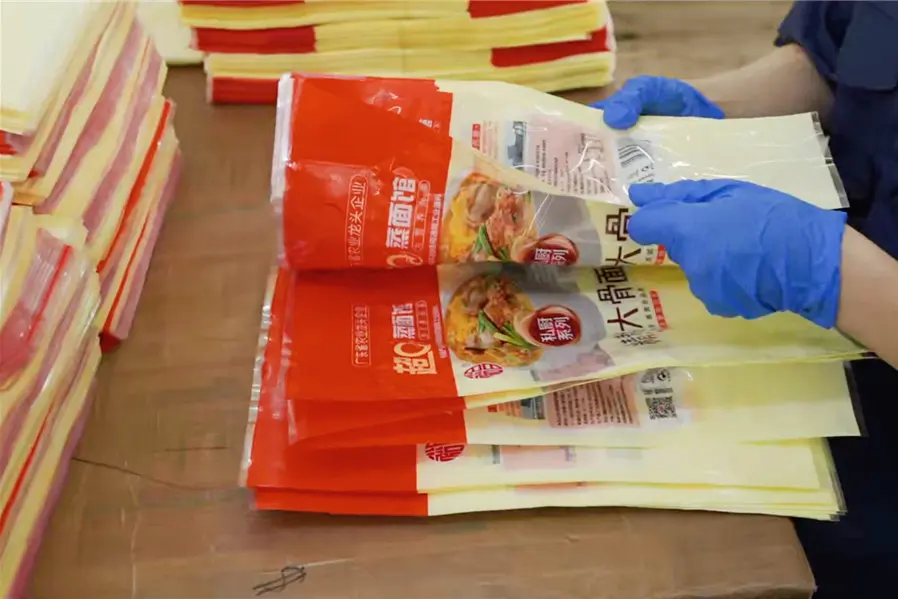
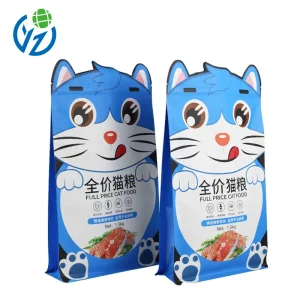
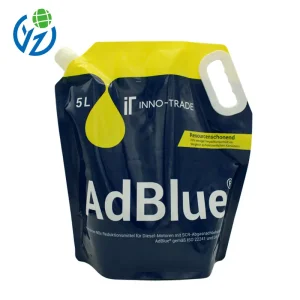
Converting barrier rolls into stand-up pouches, flat-bottom bags, or spouted liquid packaging.
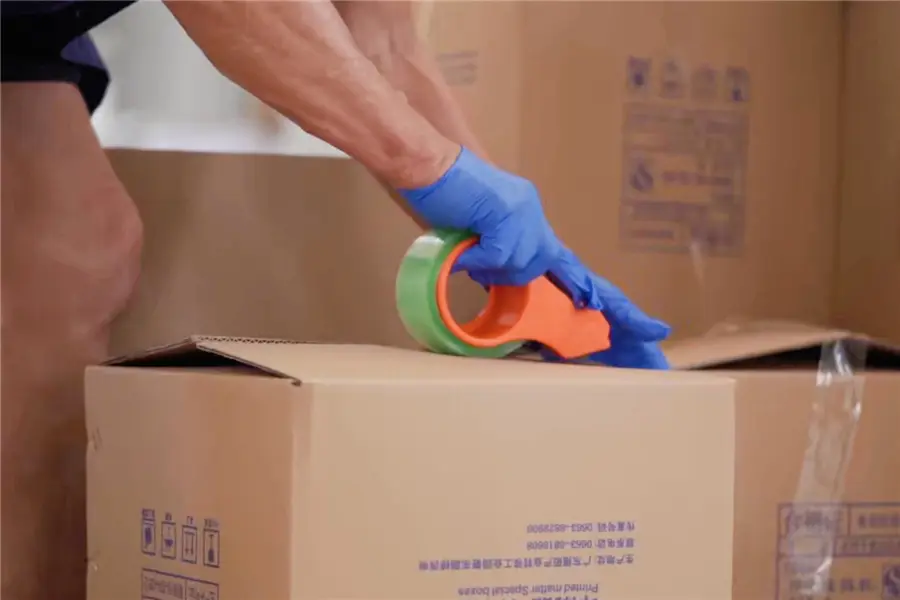
Rigorous seal testing, pressure testing, and sanitary packing in dust-free zones prior to transport.
Packaging requirements vary significantly depending on local climate conditions, transport logistics, and regulatory frameworks. We design structural combinations to solve regional storage challenges.
In Southeast Asia, Central America, and humid equatorial regions, high relative humidity (RH) speeds up food spoilage and crispness loss. We engineer multi-layer foils using PET/AL/PE and BOPP/VMPET/PE to achieve water vapor transmission rates (WVTR) below 0.1 g/m²/24h, keeping salty snacks, potato chips, and instant noodles crisp and dry.
Distribution networks crossing high-altitude regions (such as the Rocky Mountains in North America or the Andes in South America) experience low external atmospheric pressure, which can cause bag bursting. We optimize polymer blends using metallocene linear low-density polyethylene (mLLDPE) to increase hot-tack strength and impact resistance, ensuring stable seals during transit.
For frozen foods, seafood, and pet food pouch distribution in Nordic or Northern European regions, packaging must withstand mechanical stress at sub-zero temperatures. We incorporate specialized copolymer polypropylene (CPP) and biaxially-oriented polyamide (BOPA/Nylon) co-extrusions to prevent low-temperature embrittlement and flex-cracking.
Sourcing flexible packaging from our Jiedong District facility offers distinct logistical and structural advantages that help stabilize packaging pipelines against volatile raw material markets.
Guangdong's advanced industrial cluster provides immediate access to major polymer producers. This geographic proximity ensures a steady supply of premium resins (PE, PP, PET, PA) even during global shipping disruptions, keeping lead times reliable.
By managing rotogravure cylinder engraving and plate-making in-house, we shorten prepress turnaround times. This integration reduces sample approval stages from weeks to days, accelerating your time-to-market.
Our proximity to Shenzhen, Shantou, and Guangzhou ports enables flexible ocean freight routing. We offer reliable, cost-efficient shipping terms (FOB, CIF, DDP) for major global destinations.
Our Japanese Komori presses are equipped with closed-loop tension control and optical registry systems, which minimize substrate waste. Saving on material overhead allows us to offer competitive direct-factory pricing.
The food packaging sector is undergoing a significant transition toward circular-economy compatibility. Below is our technology roadmap for high-barrier sustainable material engineering.
Replacing complex multi-polymer structures (such as PET/PE or PET/BOPP/PE) with fully recyclable Mono-Oriented PE (MDO-PE) and polypropylene (PP) laminates. This simplification allows packages to enter standard recycling streams without compromising essential barrier protection.
Expanding the use of eco-friendly water-based and EB (Electron Beam) curable inks. This transition minimizes volatile organic compound (VOC) emissions during printing, aligning with strict environmental audits in the EU and North America.
Integrating oxygen scavenging polymers and bio-compostable barrier coatings (such as PLA and PHA). We are also working on embedded RFID and NFC antennas for supply chain traceability and dynamic freshness tracking.
Every polymer batch, dry adhesive, and printing ink we use undergoes strict verification. We verify that all materials comply with FDA Regulation 21 CFR and EU Regulation No. 10/2011 for food-contact safety, keeping heavy metal migration below detectable thresholds.
Our production facilities operate under ISO 9001:2015 quality management systems. We process our food-grade packaging materials in climate-controlled environments with air-filtration systems to prevent physical and microbial contamination.
We maintain an in-house QC laboratory equipped with gas chromatographs to monitor solvent residues. Our technicians also use tensile testers to verify peel strength and leak testers to ensure reliable hermetic seals on every batch.
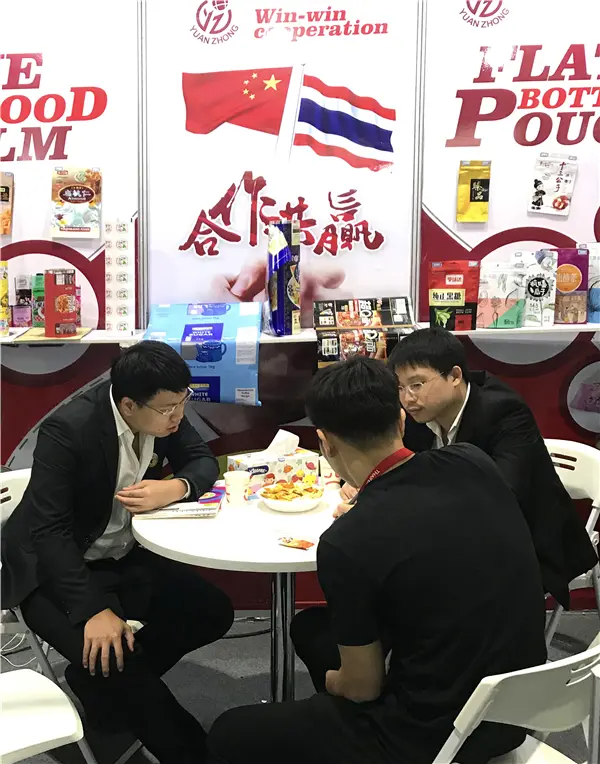
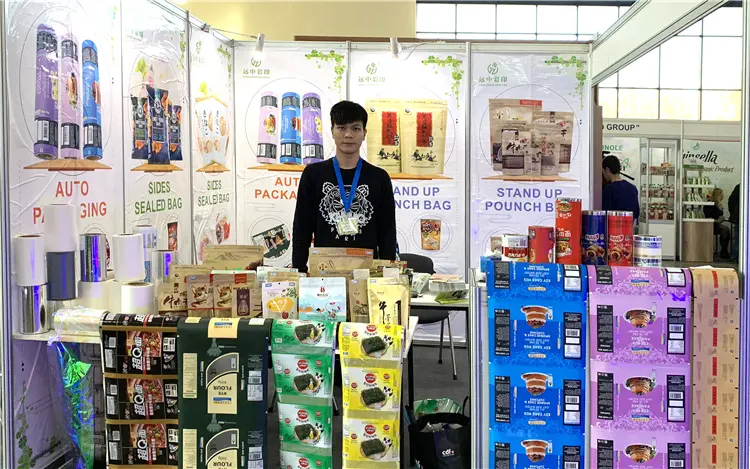
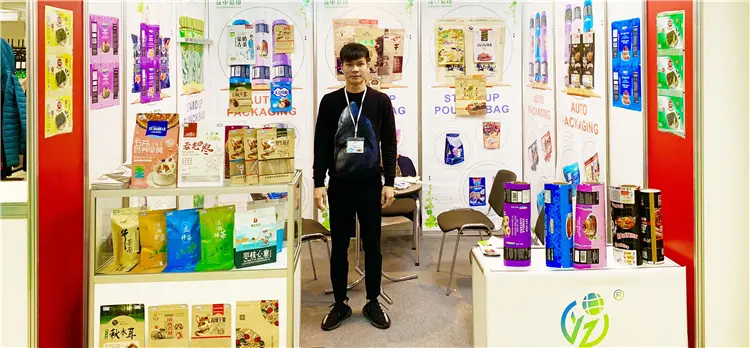
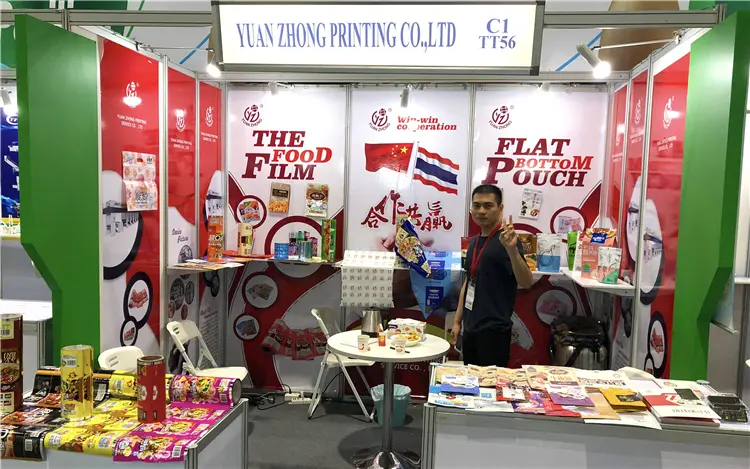
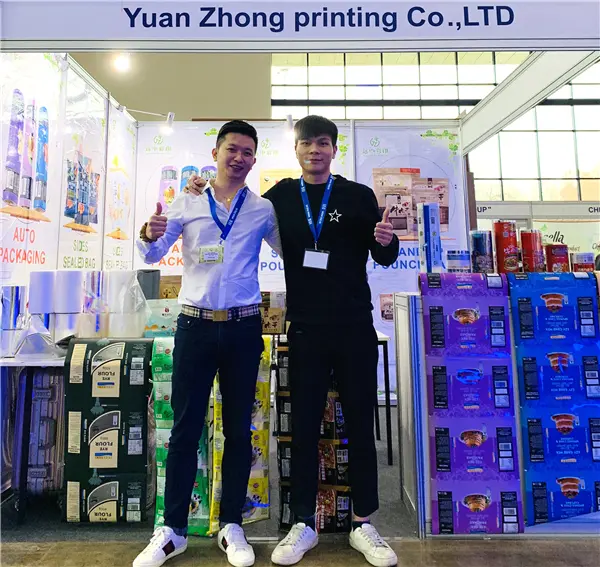
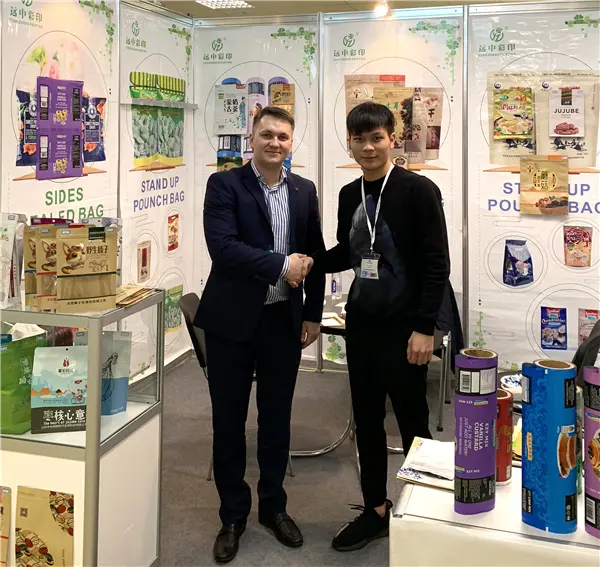
Exploring the World Through Exhibitions: A Journey Across More Than 10 Countries. Collaborating with More Than 20 Brands: A Testament to Our Commitment to Excellence.


Technical responses to key questions regarding materials, barriers, custom requirements, and supply chains.
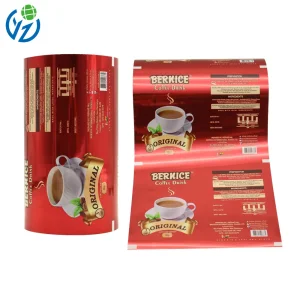
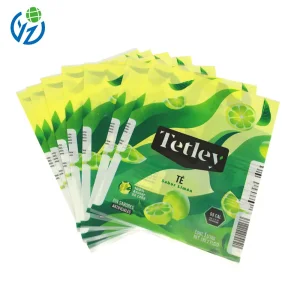
Browse our specialty range of flat-bottom pouches, liquid-spout bags, metalized snack barriers, and high-performance coffee packaging film rolls.
 Yuanzhong Printing