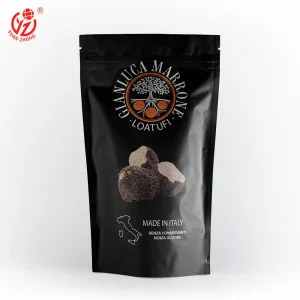
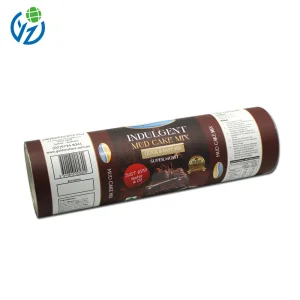
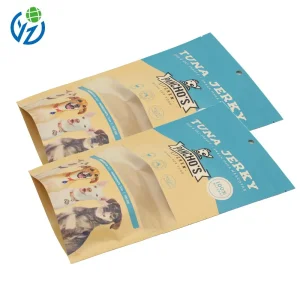
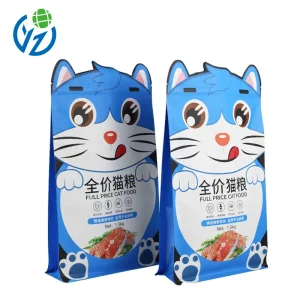
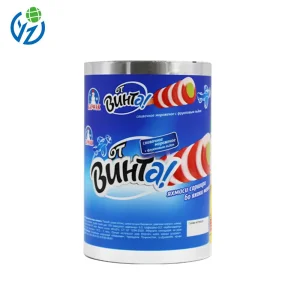
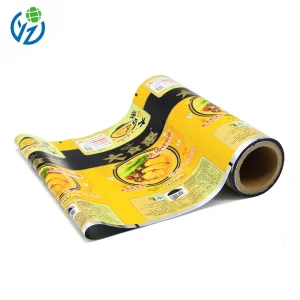
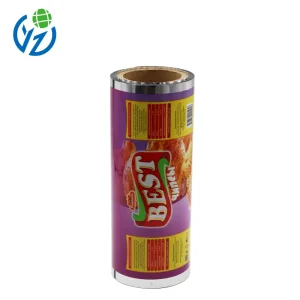
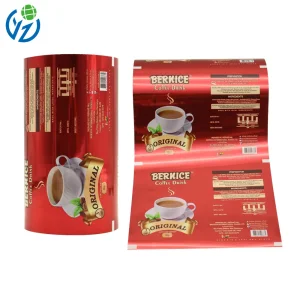
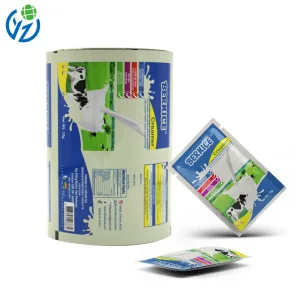
High-performance functional barrier bags and customizable laminates tailored to modern food safety regulations.
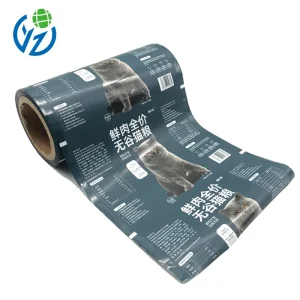
Within the highly regulated global food supply chain, packaging acts as the primary shield protecting nutritional integrity, structural form, and sensory appeal from harvest to home. Transitioning beyond conventional barrier bags, today's ODM (Original Design Manufacturer) solutions must perform under extreme climatic stresses and operational variations. The synthesis of polymers, composite structures, and printing mechanics is no longer simple wrapping; it is a highly specialized chemical and physical engineering paradigm. Understanding the thermodynamic properties of custom substrates is essential to preventing volatile molecule transfer and preserving taste properties.
Modern food brands are demanding custom-tailored flexible formats that optimize weight, minimize carbon footprints, and maximize retail presentation. As an industry leader with over two decades of localized expertise, Jieyang Yuanzhong Printing Co., Ltd. is defining this trajectory. By leveraging advanced materials engineering, we ensure that every packaging film and pouch meets the exact shelf-life parameters required by global distribution networks.
"Food preservation science is fundamentally a barrier game. Optimizing oxygen transmission rates (OTR) and water vapor transmission rates (WVTR) through polymer laminate structures determines the commercial longevity and safety profile of high-value packaged food assets."
Sourcing high-performance packaging from international OEM/ODM factories requires strict compliance with food contact safety guidelines. Major markets dictate exact regulatory standards, such as the United States FDA CFR 21 (Food and Drugs), the European Union EC 1935/2004 framework, and BfR recommendations in Germany. Sourcing agents look specifically for heavy-metal migration thresholds, primary aromatic amine (PAA) detection limits, and solvent retention limits (typically targeting less than 5mg/m² of residual volatile organic compounds).
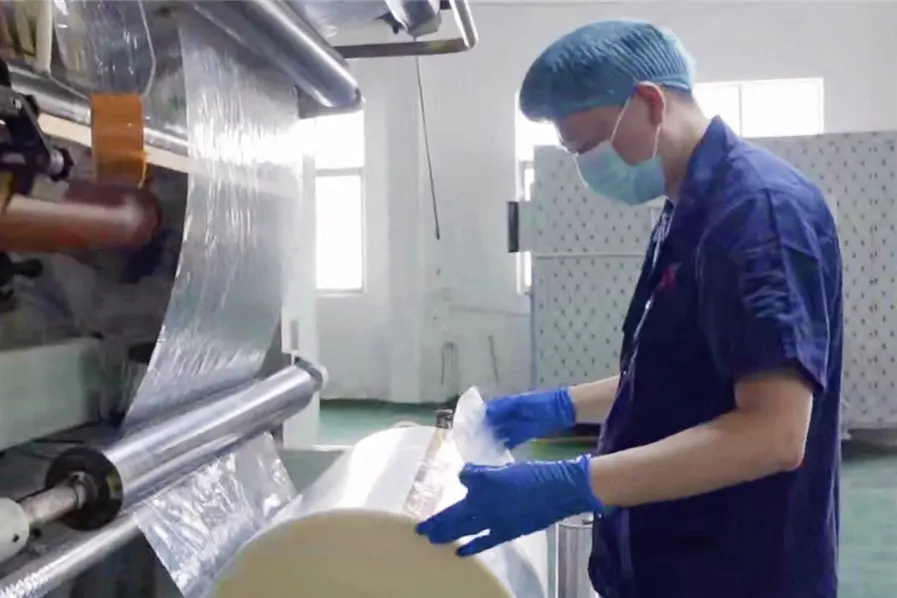
To assure procurement officers, factories must implement strict testing validation. For example, dry lamination and solvent-free compounding lines must undergo continuous verification under high-temperature food simulant conditions. Advanced test equipment determines whether trace molecules from adhesives, curing agents, or inks could migrate into foodstuffs. At Jieyang Yuanzhong, we run continuous quality testing loops to satisfy these stringent requirements across more than 30 target nations.
A pioneer in packaging decoration and plastic structural bag processing, driving efficiency and innovation since 2001.
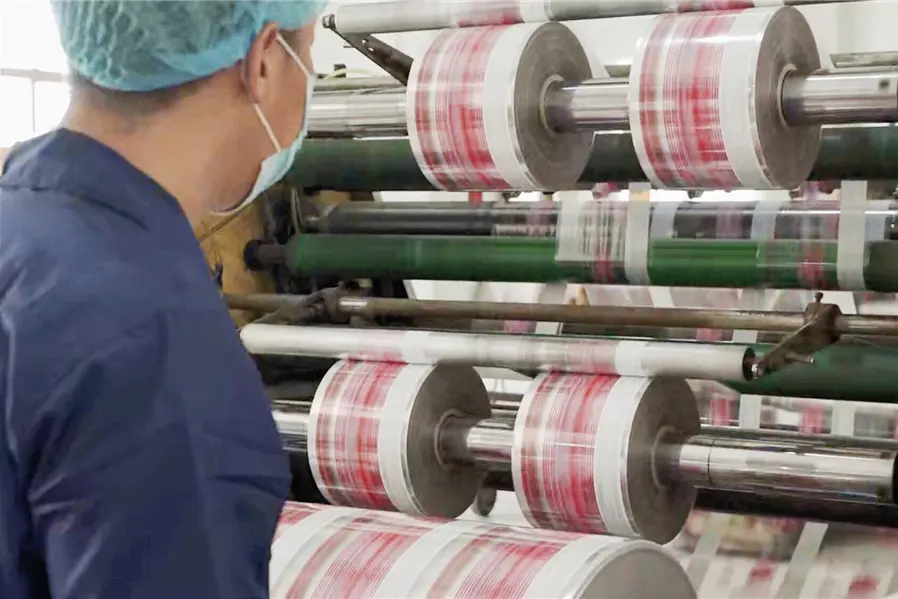
Established in the Jiedong District of Jieyang City, Guangdong Province, Jieyang Yuanzhong Printing Co., Ltd. has spent over 23 years refining its processes to deliver world-class packaging systems. As a private enterprise focusing on packaging decoration printing and food-grade pouch manufacturing, we combine custom structural design with automated machinery, including Japanese Komori fully automatic printing production lines. Offering flexible capacity scalable to high-volume orders, we maintain a production footprint capable of outputting more than 240 metric tons monthly, satisfying the distribution deadlines of critical global food labels.
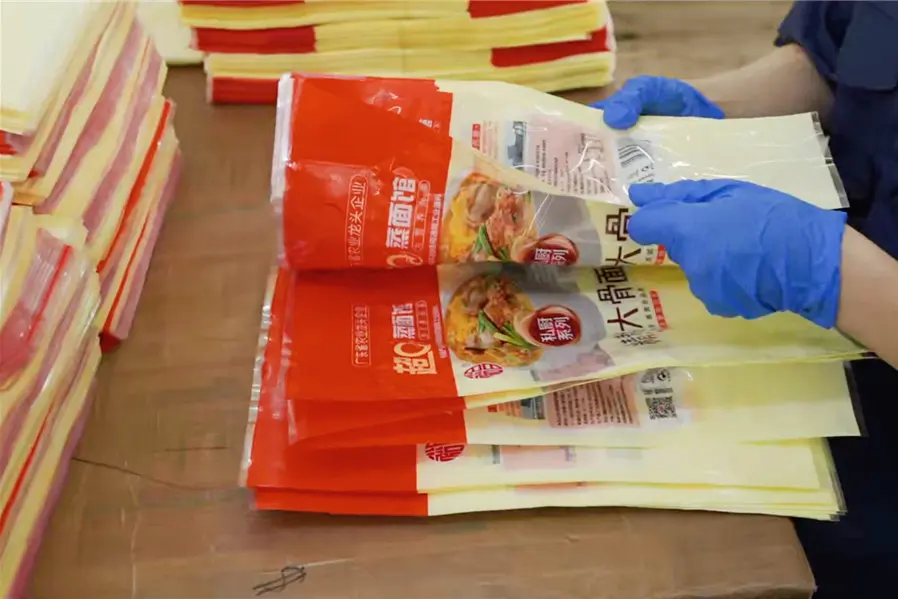
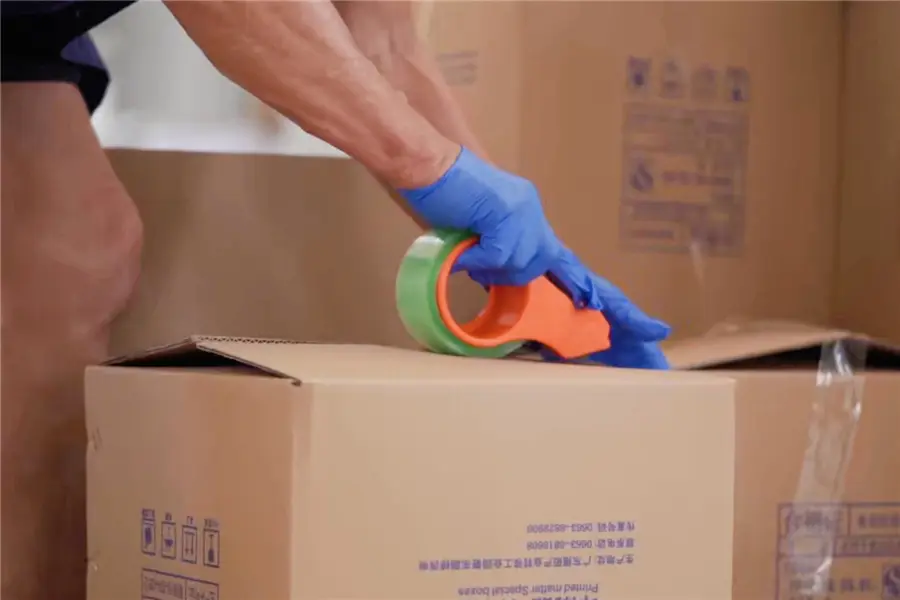
Engineered laminate profiles custom-developed for specific consumer packaged goods sectors.
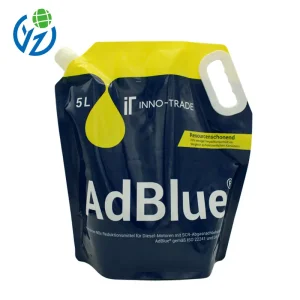
Designed to survive mechanical drop tests and internal expansion, our multi-layer structures (including PET/PA/PE and PET/AL/PA/PE) prevent stress cracking and physical leakage. Ideal for 5-liter industrial liquid refills, condiments, and acidic beverage applications.
Featuring integrated one-way degassing valves to release carbon dioxide while preventing oxygen ingress. High-barrier metalized layers preserve volatile aromatics, preventing rancidity and extending the quality profile of delicate roasted beans.
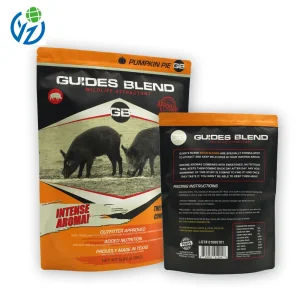
Using robust bottom constructions and puncture-resistant layers to support weight profiles from 500g up to 15kg. High grease resistance avoids external oil migration, maintaining graphics appeal on shelves.
Zero-static charge interior layers ensure residue-free powder filling. Enhanced oxygen protection levels preserve fragile vitamins and fatty acids from oxidation over transit cycles.
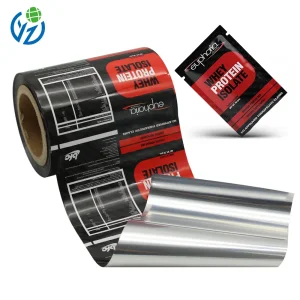
Engineered for high-speed horizontal form-fill-seal (HFFS) packaging lines. Excellent hot-tack and low seal-initiation temperature properties maximize throughput while keeping heat-sensitive chocolate secure.
Custom atmosphere-controlled structures prevent moisture migration, preventing dry mixes from caking and stabilizing yeast activities in ready-to-bake products.
In modern manufacturing, global brands face sudden freight shifts, supply disruptions, and volatile raw material pricing. A partner factory must provide more than raw machinery; it must offer manufacturing resilience. By integrating advanced production scheduling with ERP-managed polymer raw material silos, Jieyang Yuanzhong ensures operational continuity even during peak demand seasons.
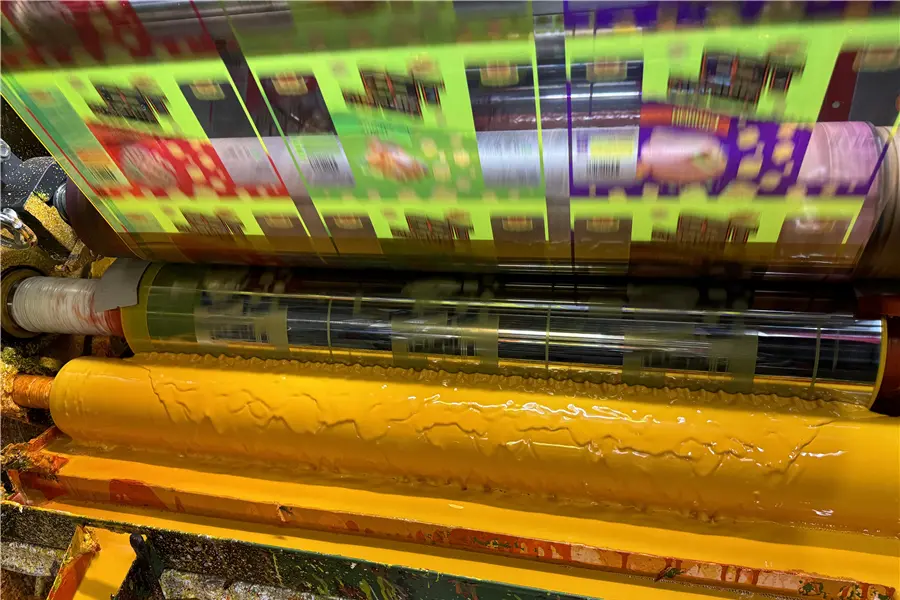
Our choice of printing technology is deeply aligned with efficiency. Gravure printing remains the benchmark for food packaging decoration due to its thick, uniform ink laydown, high color density, and excellent plate durability. With advanced Japanese Komori fully automatic gravure production lines, we reduce color variation margins down to delta-E levels imperceptible to the human eye. This system registers complex micro-text and multi-color profiles at speeds up to 300 meters per minute, lowering processing waste and delivering unit economies back to procurement partners.
The global packaging sector is undergoing a major shift toward circular economies. Traditional multi-material structures (such as PET laminated with Aluminum Foil and Polyethylene) are challenging to recycle due to separating distinct polymer layers. The industry is moving toward high-barrier mono-material alternatives (like MDO-PE and all-PP structures) and biodegradable cellulose films.
Our technological roadmap focuses on scaling down wall-thickness while maintaining barrier properties. By incorporating EVOH (Ethylene Vinyl Alcohol) co-extrusion technology, we can manufacture ultra-thin, recyclable flexible packaging that matches the shelf-life performance of metalized polymers. Additionally, we are investing in water-based ink formulations to eliminate VOC emissions, ensuring that our products support our partners' ESG goals.
Showcasing premium custom packaging solutions globally across 10+ countries and collaborating with 20+ prominent industry partners.
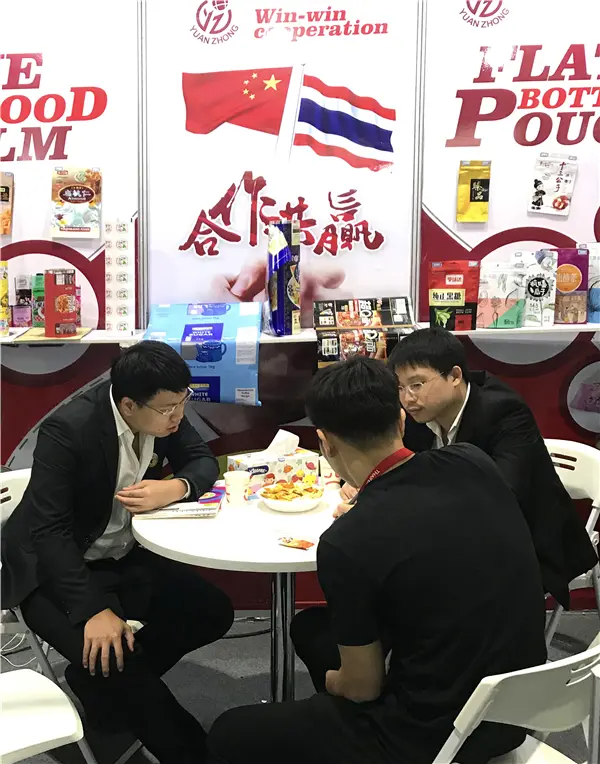
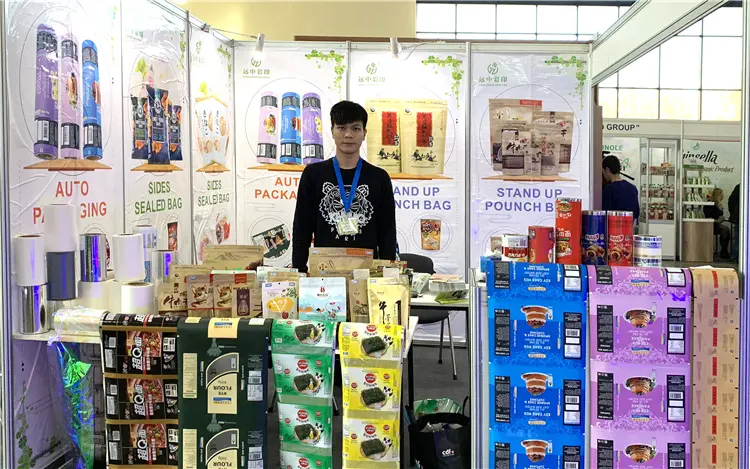
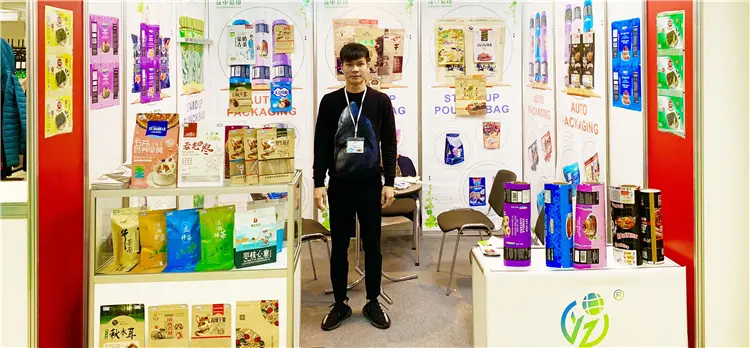
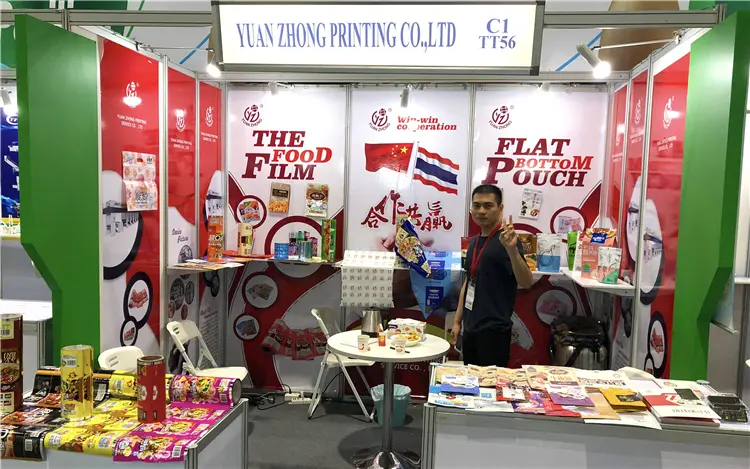
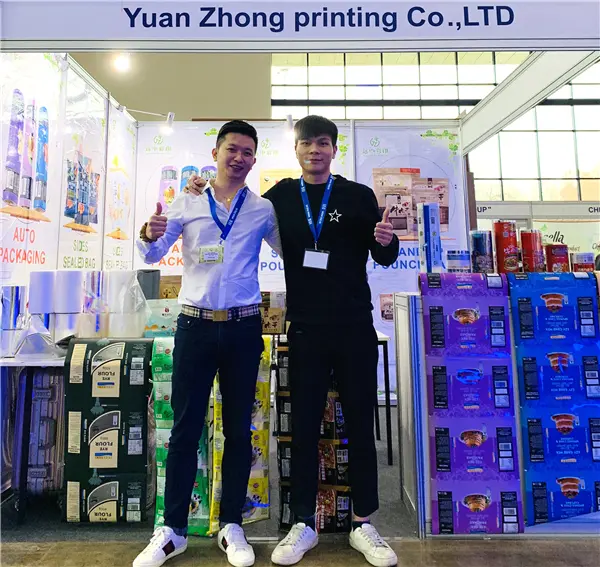
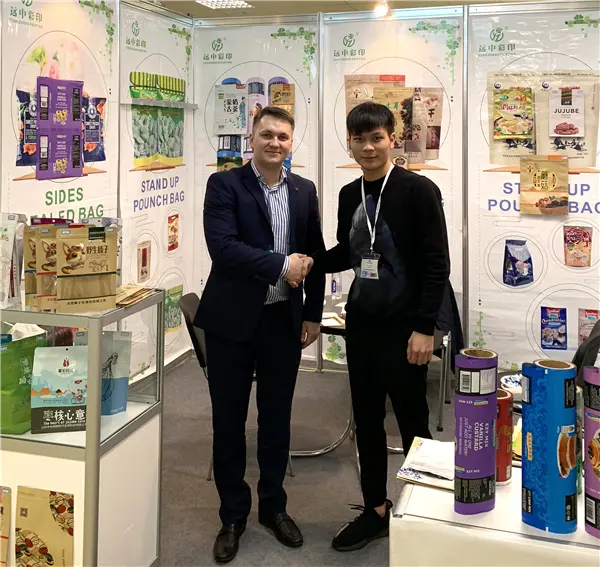
Proven reliability, delivering packaging substrates to leading consumer goods manufacturers globally.


Find clear answers to technical questions about materials engineering, compliance, lead times, and structural packaging options.
Heavy-duty flat-bottom solutions, high-speed barrier roll films, and custom-laminated structural formats.
 Yuanzhong Printing