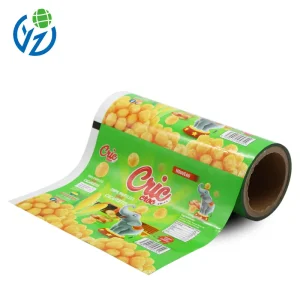
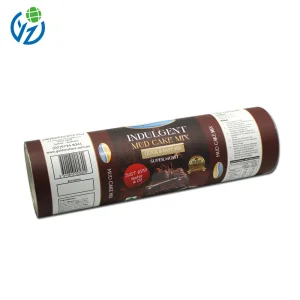
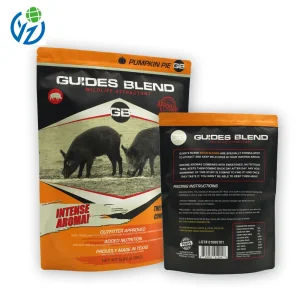
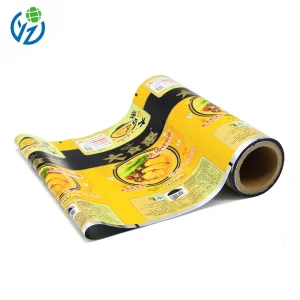
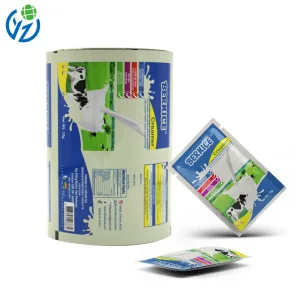
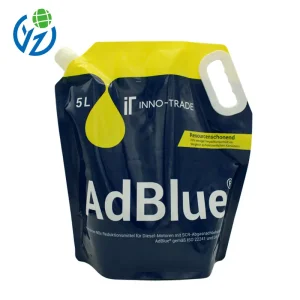
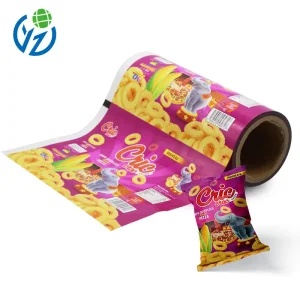
Explore our high-performance roll films and custom pouches engineered for shelf-life extension and brand impact.
In the contemporary FMCG (Fast-Moving Consumer Goods) landscape, packaging is no longer just a vessel for containment; it is a critical scientific vector for brand differentiation, product shelf-life optimization, and environmental stewardship. Flexible packaging—combining polymer chemistry, high-barrier laminates, and advanced rotogravure and flexographic printing—has emerged as the dominant choice for modern food processors globally. From barrier performance (Water Vapor Transmission Rate - WVTR, and Oxygen Transmission Rate - OTR) to mechanical durability, the engineering behind flexible packaging is highly sophisticated. As global supply chains face volatile pressures, establishing direct collaborations with ODM (Original Design Manufacturer) factories in China has become a key competitive strategy for major international brands seeking cost efficiency, fast turnarounds, and robust technical support.
Flexible packaging utilizes non-rigid materials, such as plastics, foil, paper, and specialized laminates, to yield custom shapes like stand-up pouches, flat-bottom bags, and roll stock. Geopolitically and commercially, the industry is witnessing a structural shift. North American and European markets are heavily regulating single-use plastics, driving the development of mono-material recyclables and compostable barrier webs. Meanwhile, the Asia-Pacific region, led by China, continues to serve as both the primary manufacturing hub and a massive consumer base.
From an enterprise sourcing perspective, procurement managers must balancing structural integrity with cost efficiency. Multi-layer co-extrusion technology allows manufacturers to combine the tensile strength of PET, the gas barrier performance of EVOH or Aluminum Foil, and the sealing reliability of LLDPE. Working directly with an integrated manufacturer ensures that these substrate configurations are custom-formulated to match the specific physical and chemical needs of the packaged foodstuff.
Founded in 2001 in the Jiedong District of Jieyang City, Guangdong Province, China, Jieyang Yuanzhong Printing Co., Ltd. has established itself as an industry leader in high-performance flexible packaging. Over more than 20 years of continuous growth, the enterprise has successfully transitioned from a localized printing house to an international packaging partner exporting to over 30 countries.
Operating a state-of-the-art facility, Yuanzhong Pack has integrated advanced manufacturing tech, including Japan Komori fully automatic printing production lines. These assets allow the factory to achieve a monthly production capacity exceeding 240 tons of flexible laminate roll stock and pre-made pouches. By integrating pre-press design, gravure cylinder engraving, multi-layer dry/solventless lamination, and bag-making under one roof, the company provides global brands with reliable quality control, minimal lead times, and comprehensive compliance documentation.
Established Year
Monthly Production
Export Countries
Industry Expertise
Utilizing high-end Japanese Komori printing presses and precise high-speed slitting systems for exact alignment.
Strict adhesion to food safety standards, ISO 9001 practices, and migration-tested food-grade resins.
Actively developing recyclable mono-material structures, reducing carbon footprint while preserving barrier efficiency.
Precision gravure printing and advanced composite lamination technologies ensure mechanical stability and brilliant visual presentation.
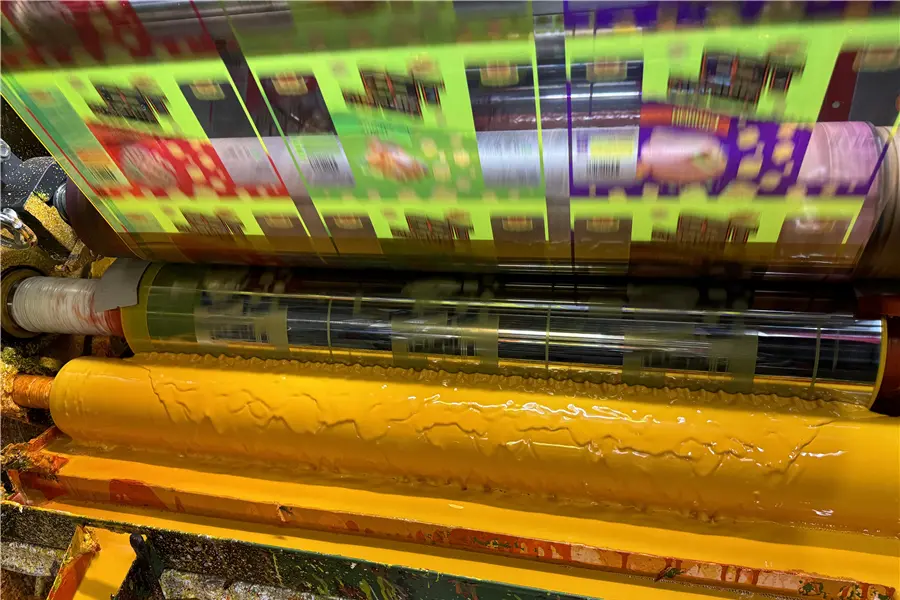
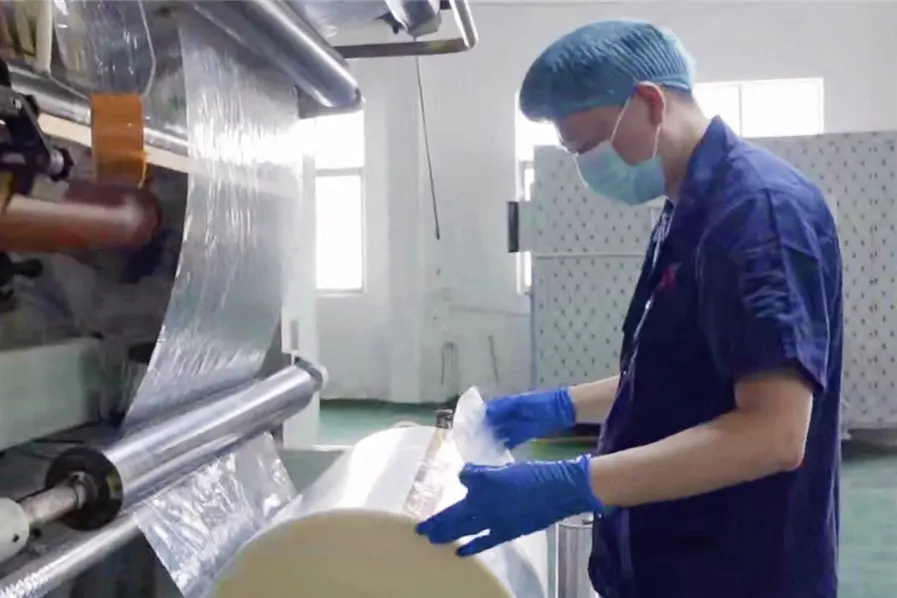
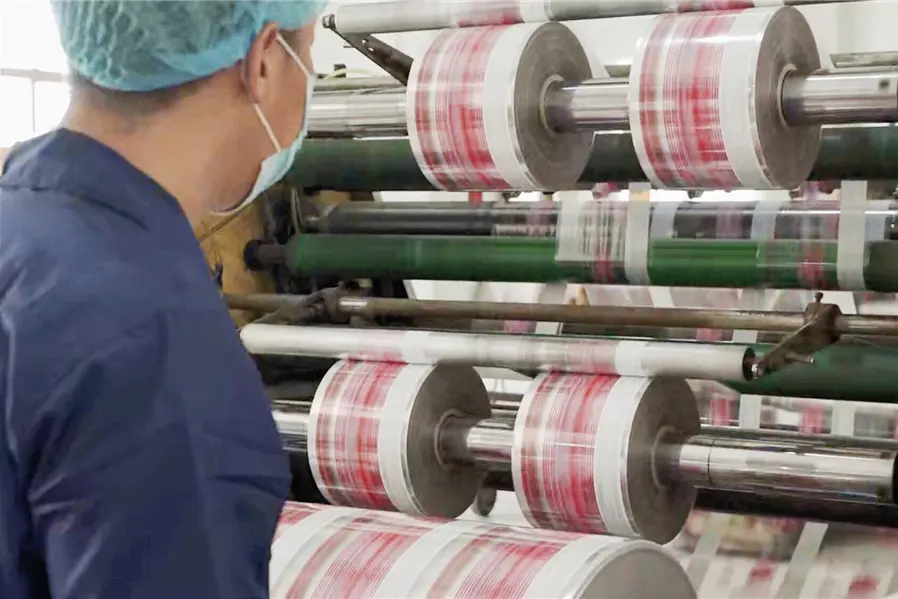
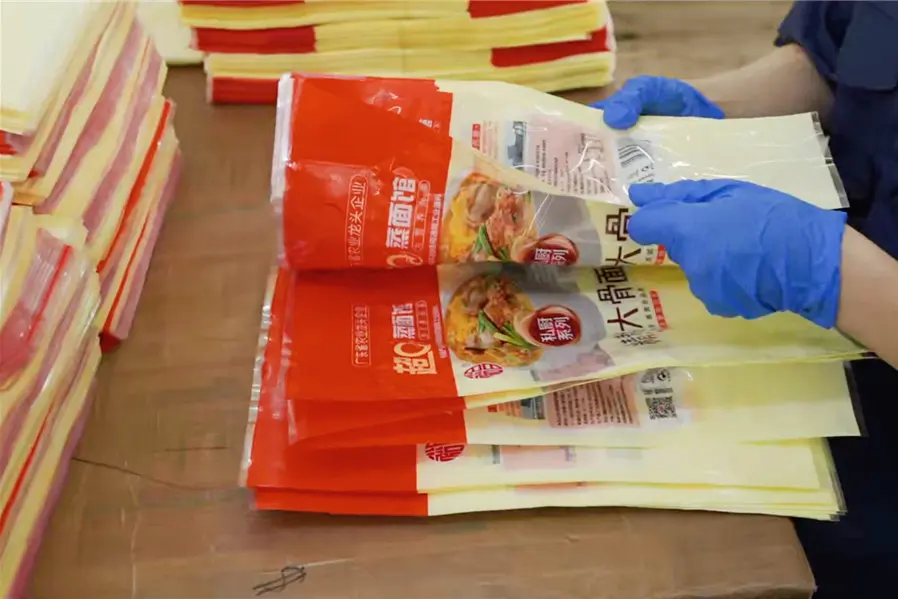
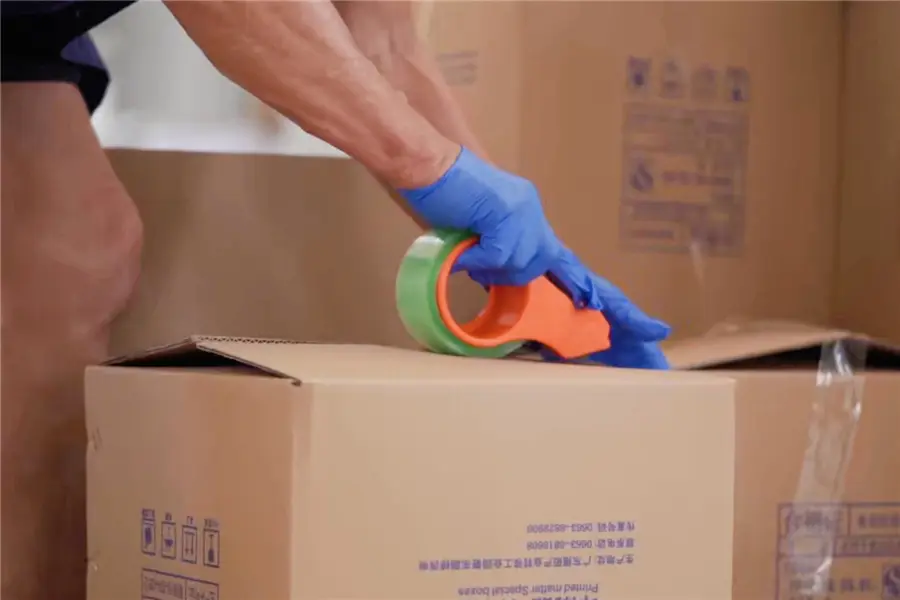
Global consumer product companies frequently source packaging materials from China due to the manufacturing ecosystem's deep integration. The "China Factory Efficiency" model is not merely about lower labor costs; it represents a synergy of clustered raw material suppliers, specialized machinery manufacturers, high-speed logistics networks, and skilled engineering talent.
For example, Jieyang Yuanzhong Packaging benefits from localized access to premium grade petrochemical polymers and printing ink pigments. This immediate access minimizes inbound transit delays. Furthermore, the incorporation of highly automated Japanese Komori offset/gravure printing systems ensures that high-volume orders are completed with minimal setup waste and rapid production velocities. A monthly output of 240+ tons translates to over 10 million individual barrier pouches, providing volume-based discounts that Western converters rarely match. Coupled with convenient maritime shipping access via nearby Southern Chinese ports, international buyers experience reliable lead times and predictable shipping schedules.
When selecting an ODM packaging factory, B2B procurement professionals must analyze the technical specifications of polymer web laminations to ensure product-package compatibility. The primary criteria include:
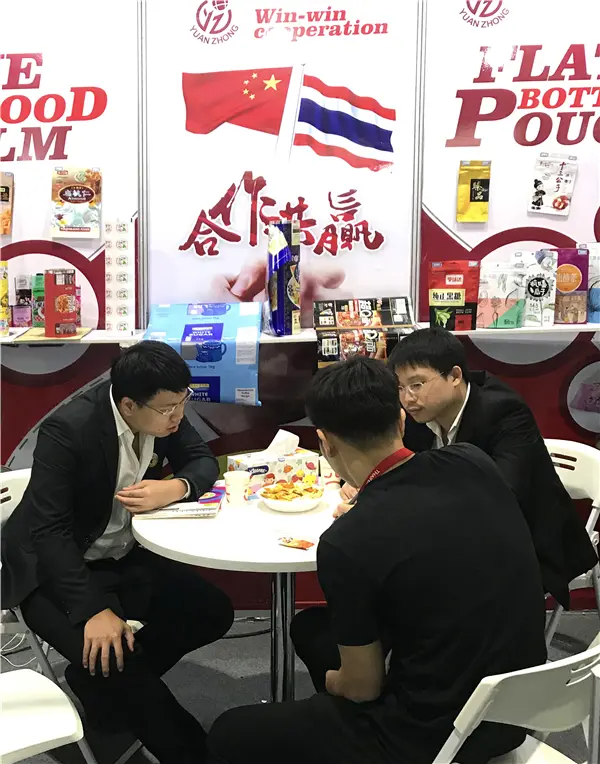
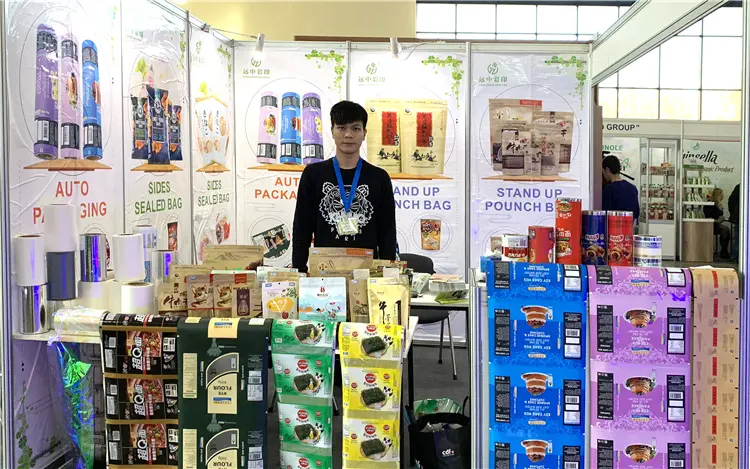
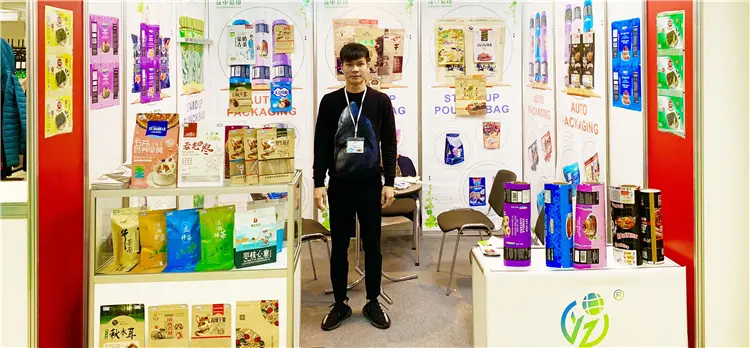
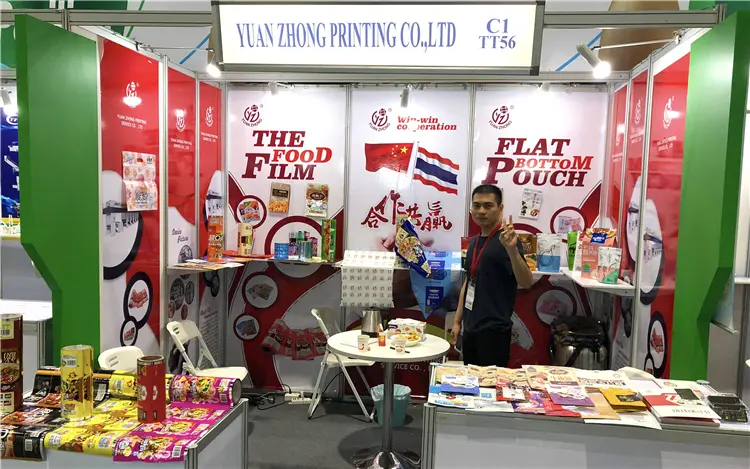
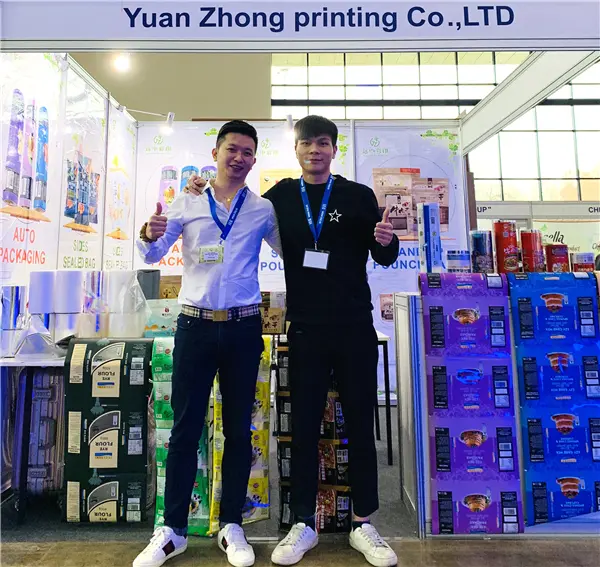
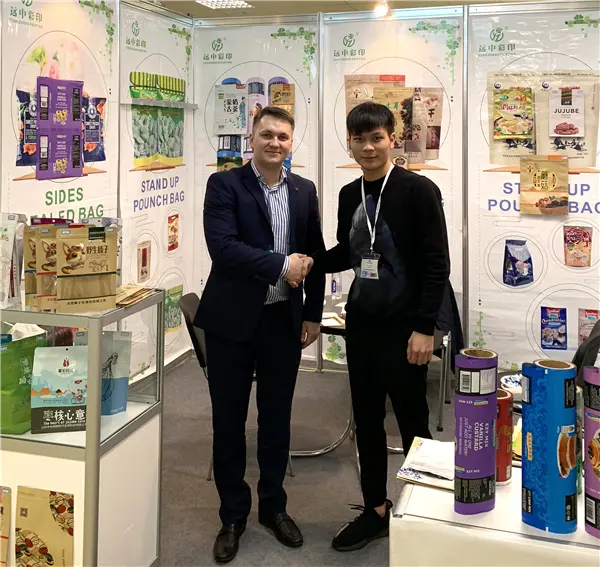
Exploring the world through exhibitions: A continuous journey of innovation and collaboration across more than 10 countries.
Optimal packaging design requires matching materials to the product's storage environment and preparation methods. Here are five localized industrial use cases:
Crispy snack foods require modified atmosphere packaging (MAP) to preserve crunchiness and prevent oil rancidity. B2B formulations rely on a three-layer lamination consisting of BOPP / VM-PET / LLDPE. The BOPP layer provides high printability and puncture resistance, the VM-PET (Vacuum-Metallized Polyester Film) acts as a high barrier to oxygen and light, and the inner LLDPE offers high hermetic sealing strength. Gas flushing with ultra-pure nitrogen ($N_2$) is common during filling to reduce internal oxygen levels to under 1.5%.
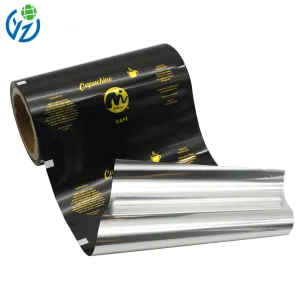
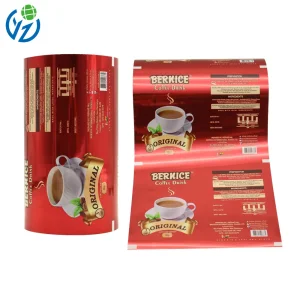
Ground coffee continuously releases carbon dioxide ($CO_2$) gas post-roasting, necessitating one-way degassing valves to prevent pack rupture while blocking inbound oxygen. High-barrier PET / AL / LLDPE structures are widely utilized. The aluminum layer provides near-zero gas transmission, preserving volatile coffee aromatics. For cake mixes and baking mixes, anti-static plastic films are used to ensure the powder doesn't stick to the seal area, which could compromise package integrity.
Large-format liquid pouches (up to 5L spout bags for juices, sauces, or condiments) must endure severe drop testing, vertical compression, and hydraulic pressure without leaking. The material stack often integrates Oriented Polyamide (OPA/BOPA/Nylon) for physical toughness and puncture resistance, combined with special co-polymer sealants that seal through food contaminants in the seal area.
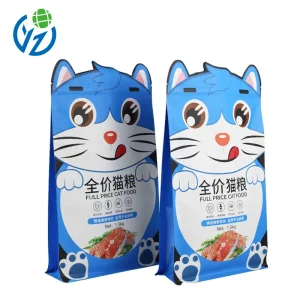
Larger pet food bags (ranging from 2kg to 15kg) require robust puncture resistance to withstand bulk handling, as well as fat barrier properties to prevent grease leaching. Multi-layer structures such as PET / BOPA / LLDPE with slide-to-close or press-to-close zippers are standard. Flat-bottom box pouch designs maximize shelf presence while maintaining structural stability during transport.
As the packaging industry adapts to evolving environmental regulations, two key trends are shaping the future of flexible food packaging: recyclable mono-material polymers and smart barrier systems.
Traditional multi-material films (e.g., PET/PE or PET/AL/PE) are difficult to recycle mechanically because separating the fused layers is complex. The industry is actively transitioning to mono-material structures, such as MDO-PE (Machine Direction Oriented Polyethylene) laminated to LLDPE. This produces a single-polymer structure that can be processed in standard polyethylene recycling streams without sacrificing barrier properties or tensile strength. Additionally, manufacturers are researching bio-based polymers (such as PLA and PHA) and paper-based high-barrier coatings to reduce fossil-fuel dependence.
Partnering with more than 20 leading brands globally, demonstrating our commitment to quality and supply chain consistency.





To assist global procurement managers, technical directors, and brand owners in making informed decisions, we have compiled answers to common technical and logistical questions regarding flexible packaging sourcing.
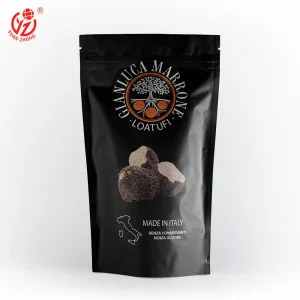
Explore our targeted solutions for coffee, liquids, snacks, and pet food products manufactured under strict quality controls.
 Yuanzhong Printing