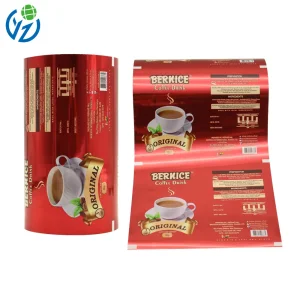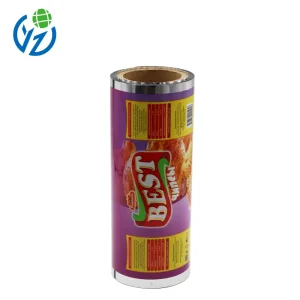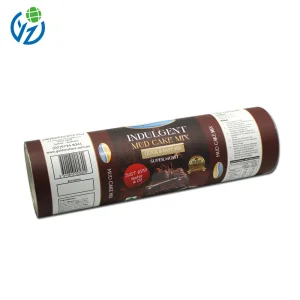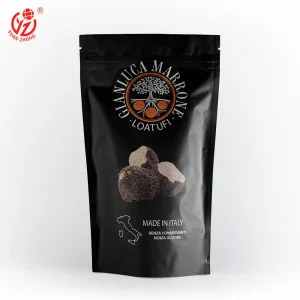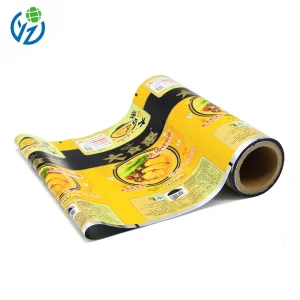
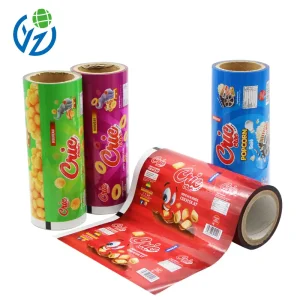
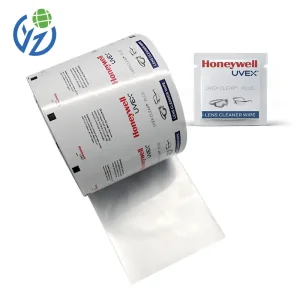
High-Quality Stand Up Pouches Manufacturers & Factory

Your Strategic B2B Partner for Advanced Multilayer Barriers, Custom Flexible Packaging, & Industrial Precision since 2001

Established Authority

Jieyang Yuanzhong Printing Co., Ltd.

Founded in 2001 and situated strategically within the Jiedong District of Jieyang City, Guangdong Province, Jieyang Yuanzhong Printing Co., Ltd. has established itself as an authoritative vanguard in the global flexible packaging printing industry. Spanning over two decades of highly specialized manufacturing expertise, we formulate comprehensive engineering architectures for high-performance plastic packaging bags, laminated barrier roll films, and specialized industrial doy-packs.

As a prominent private enterprise, our mission resolves around the integration of advanced material science and automated efficiency. We leverage robust global supply channels to deliver customized, food-safe, and structurally sound flexible materials that meet the strict standards required by contemporary enterprise supply networks.

20+ Yrs
Industrial Experience
240+ Tons
Monthly Manufacturing Output
30+
Global Countries Served

Our Strategic Manufacturing Capabilities

We deploy advanced machinery systems to convert complex raw materials into barrier layers that safeguard freshness, resist punctures, and optimize container-to-volume transport ratios.

  • State-of-the-Art Machining: Powered by Japan's premium Komori fully automatic printing lines, providing unparalleled registration accuracy and continuous-run consistency.
  • Dynamic Capacity Scaling: Processing capacity exceeds 240 metric tons monthly, designed to handle large-scale, high-velocity SKU portfolios.
  • Advanced Customization Suite: Comprehensive customization including bespoke dimensions, specialized laser perforations, ergonomic die-cut shapes, and high-tensile spout options.
  • Rigorous Standard Compliance: Full-traceability production processes engineered to meet international food safety requirements, barrier validations, and global regulatory standards.
Market Intelligence

Trends & Innovations in Stand Up Pouch Manufacturing

Exploring the evolution of packaging from structural engineering to environmental sustainability, and how global enterprises are adapting.

1. High-Performance Monomaterial Barriers

The global packaging landscape is undergoing a critical transition toward circular-economy compatibility. Historically, multilayer pouches depended on co-extruded plastic films bonded with metallic foils (like PET/AL/PE), which posed significant recycling challenges. Modern manufacturing processes are now prioritizing high-barrier monomaterials (like BOPE/PE and MDO-PE) that achieve low Oxygen Transmission Rates (OTR) and Water Vapor Transmission Rates (WVTR) without compromising recyclable classifications.

2. Smart Pouches with QR Integration

In downstream logistics, stand-up pouches serve as valuable consumer touchpoints. Incorporating high-resolution QR codes, anti-counterfeiting elements, and serialized tracking coordinates onto the package surface enables real-time traceability. Global consumer brand owners use these smart capabilities to communicate product freshness, verify batch-level safety certificates, and strengthen relationships with modern, tech-savvy end users.

3. Logistics Optimization & Carbon Reduction

Compared to rigid glass or plastic containers, stand-up pouches reduce overall packaging weight by up to 80%. A single truck transporting unfilled stand-up pouches carries the equivalent volume of 20 trucks transporting empty glass jars. This high shipping density significantly lowers carbon emissions and helps global supply chains optimize freight and warehousing expenses.

Why Sourcing from China Factory 4.0 Matters

The modern supply chain landscape requires agility, financial predictability, and reliable quality. Sourcing from our advanced manufacturing hub in Jiedong District offers several key advantages:

  • Integrated Raw Material Supply: Close proximity to downstream petrochemical hubs ensures continuous, stable access to resins (PET, PE, CPP, AL) even during volatile market cycles.
  • Advanced Automation Systems: Automatic tension controls, automated optical inspection (AOI) units, and computer-guided gravure alignment minimize human error and material waste.
  • Cost Efficiency: Economies of scale and streamlined raw material handling allow us to offer competitive rates while maintaining high material standards.
  • Robust Logistics Networks: Convenient access to Shenzhen, Guangzhou, and Shantou shipping ports enables rapid worldwide dispatch and transparent tracking.
Supply Chain Resilience

Achieve Operations Agility & Consistent Quality

Modern procurement executives understand that relying on the lowest price alone can introduce supply chain risks. Disruptions in material availability, quality issues, or delays can quickly erode profit margins. Yuanzhong Printing addresses these concerns through robust quality control systems and reliable shipping performance.

Our facility is equipped with secondary backup power systems, diversified raw material channels, and a skilled workforce that operates Japan Komori high-efficiency presses. These factors minimize downtime, stabilize manufacturing lead times, and ensure your orders arrive on schedule.

Technical Excellence

Our Advanced Production Workflow

High-speed rotogravure technology creates packaging with dense ink coverage, clean text resolution, and high bond strength.
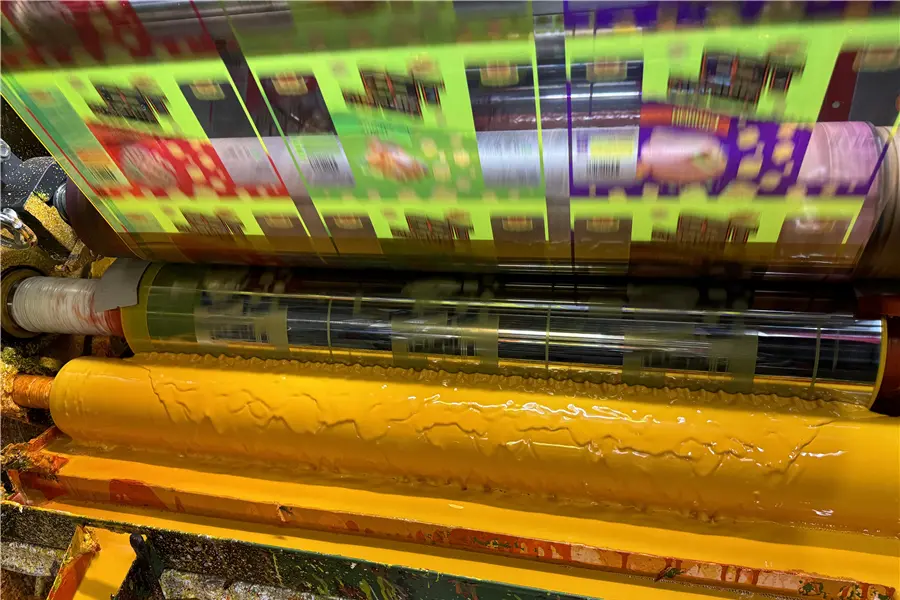
Printing Process

1. Printing

Using advanced high-speed rotogravure presses to print rich, detailed graphics onto outer protective films.
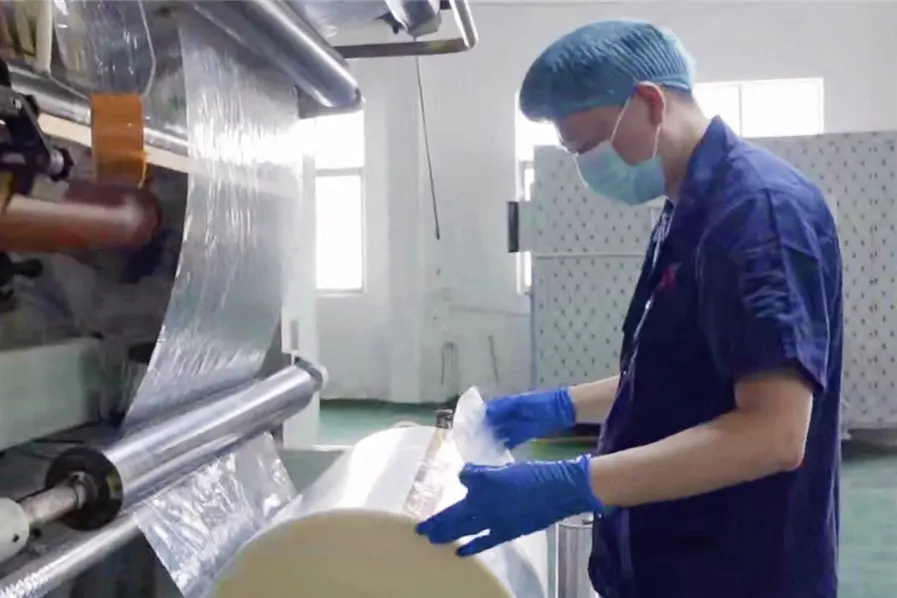
Composite Process

2. Composite

Laminating barrier materials together using solvent-free adhesives to ensure clean, high-performance bonding.
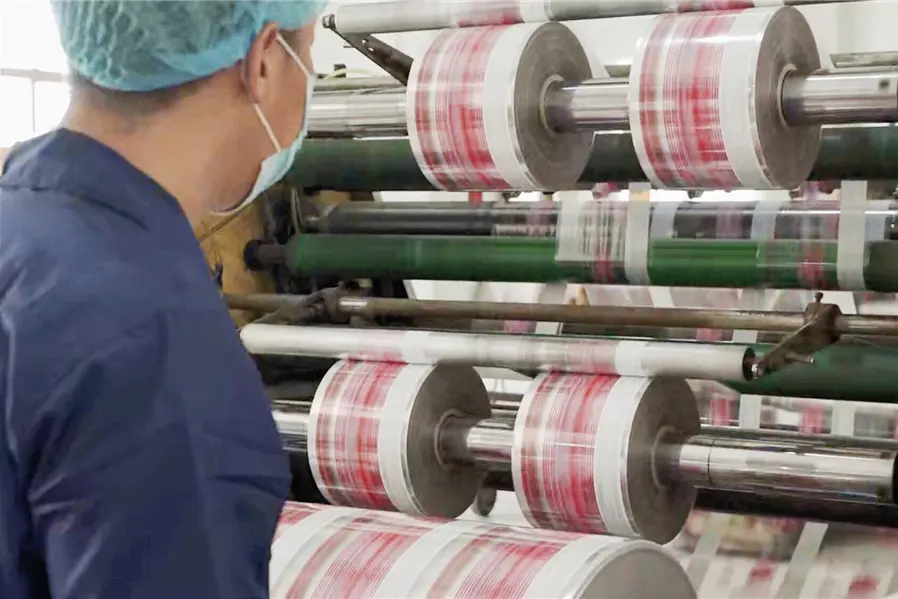
Slitting Process

3. Slitting

Precision cutting systems slice the laminated parent rolls into exact widths for final pouch forming.
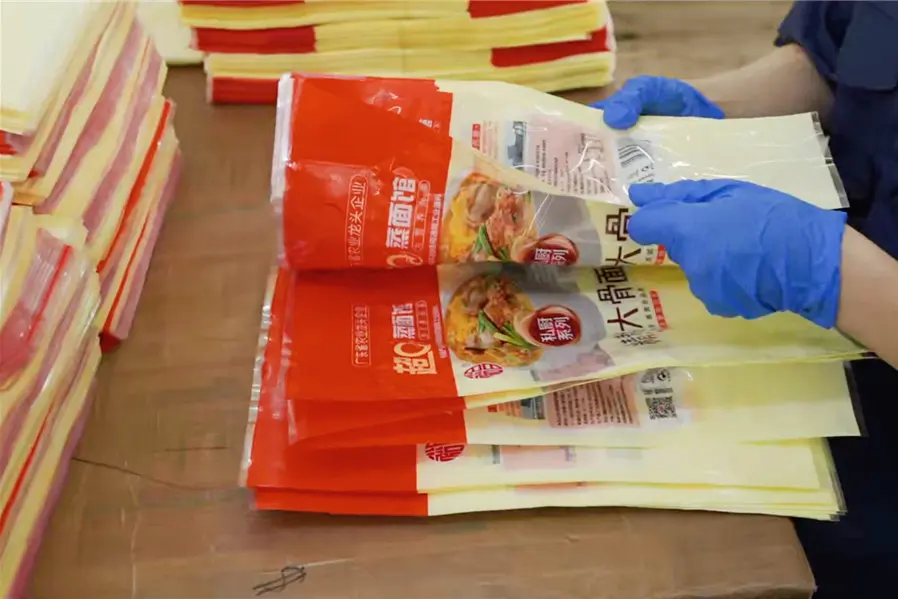
Bagging Process

4. Bagging

Forming stand-up bases, sealing side seams, and installing custom zipper or spout enclosures.

Packing Process

5. Packing

Executing strict quality checks and carefully packing pouches into cartons to protect them during transit.

Industrial Applications

Tailored Solutions for Diverse Markets

From specialty food to clinical supplies, we engineer stand-up pouches to match the unique chemical and physical demands of your product category.

Pet Food Brands

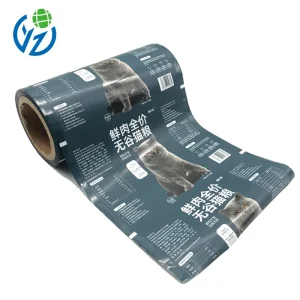
Dry pet kibble and wet treats require robust oxygen barriers to protect active oils and prevent spoilage. Our heavy-gauge laminated materials resist punctures from sharp kibble and feature convenient, resealable zippers to preserve flavor and freshness.

Coffee & Roasted Beans

Coffee beans release carbon dioxide post-roasting and are highly sensitive to oxygen and light. We manufacture pouches with built-in one-way degassing valves and thick aluminum foil liners to vent pressure while blocking outside air.

Spout Liquid & Condiments

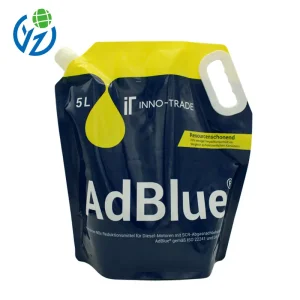
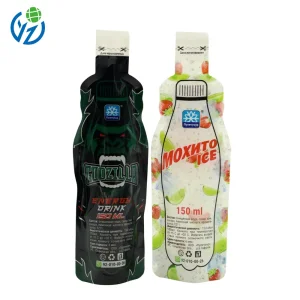
Our spouted pouches offer a reliable, leak-proof alternative to rigid plastic bottles for juices, purées, and sauces. Engineered to withstand hot-fill processes and high pressure, they protect products throughout transit and storage.

Global Presence

Exhibitions Footprint

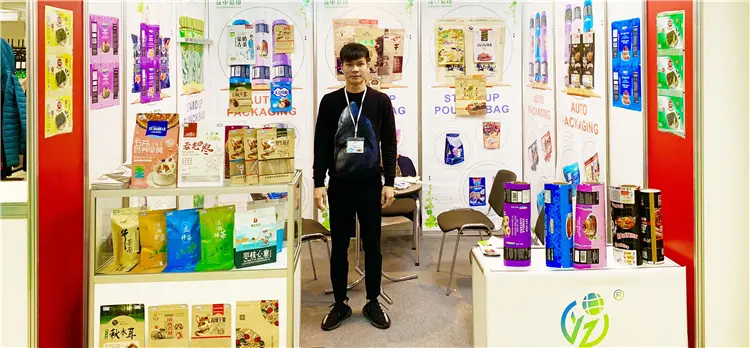
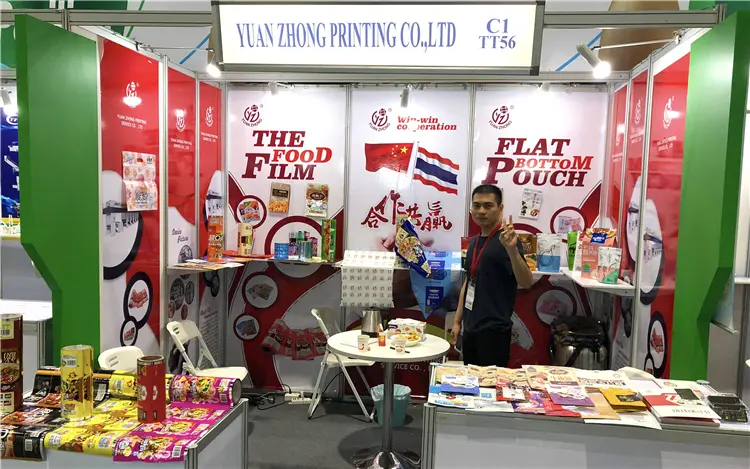
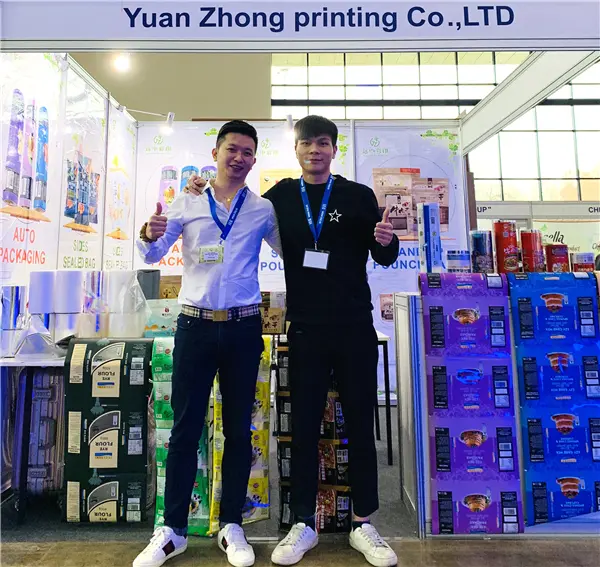
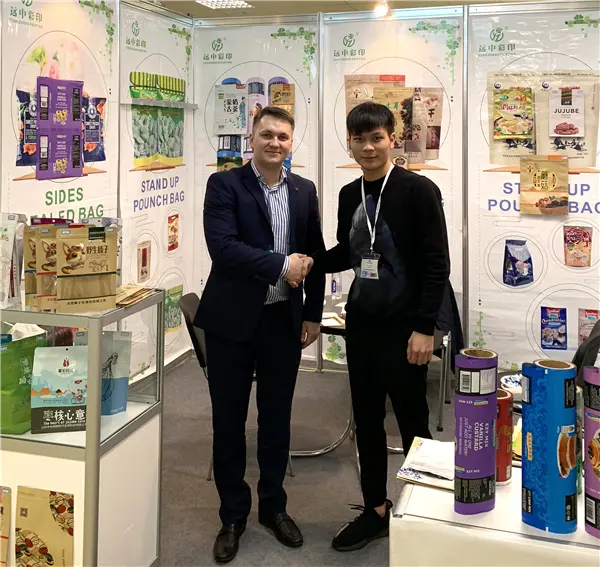
Exploring the World Through Exhibitions: A Journey Across More Than 10 Countries, validating our global market reach and customer service standards.
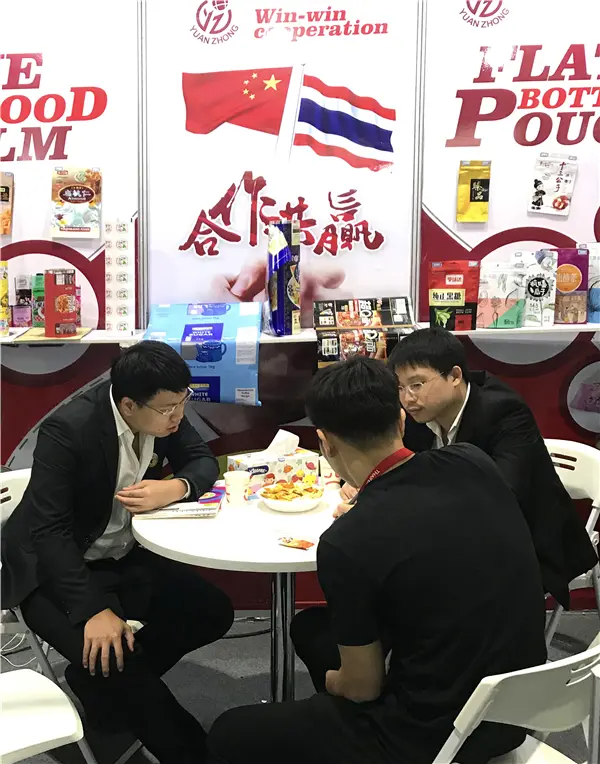
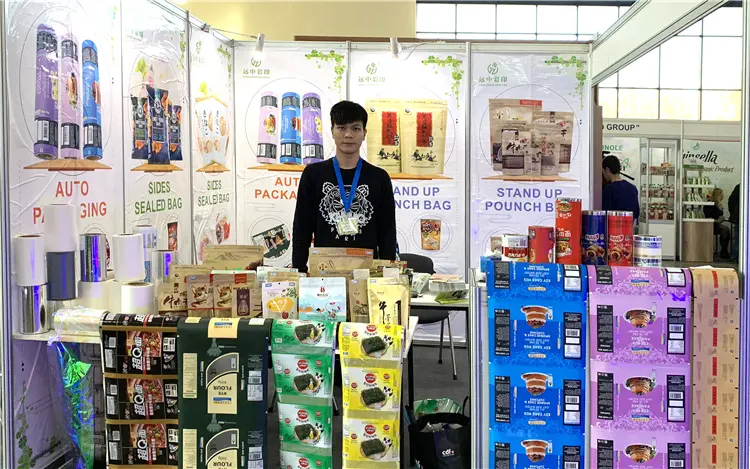
Exhibition View 1

Global Exhibition Showcases

Exhibition View 2

Overseas Client Engagement

Exhibition View 3

Material Science Conventions

Exhibition View 4

Packaging Technology Fair

Exhibition View 5

B2B Sourcing Summits

Exhibition View 6

International Trade Conferences

Cooperative Brands

A Testimonial to Our Commitment to Excellence

Partnering with more than 20 prominent brands worldwide, providing consistent material performance and high design accuracy.
Technical Q&A

Industry & Procurement FAQs

Answers to common technical, material, and logistical questions to assist your procurement decisions.
Q1: What raw materials are commonly used in stand-up pouch lamination?
Material choice depends on product protection requirements. Common layers include:
  • Outer Layer: PET, BOPP, or Kraft paper (for print quality and mechanical strength).
  • Barrier Layer: Aluminum Foil (AL), VMPET, or Nylon (NY) (to block oxygen, moisture, and UV light).
  • Inner Layer: LLDPE or CPP (for food-safe contact and thermal seal strength).
Q2: How does Yuanzhong verify food safety and quality standards?
We follow strict quality management systems throughout production. Raw materials are sourced from qualified suppliers with food-grade certificates (FDA, SGS). Our facility maintains clean production environments, and we run regular tests for migration limits, heavy metals, and physical seal strength to verify compliance with international food contact regulations.
Q3: What are the typical minimum order quantities (MOQs) for custom orders?
MOQs vary based on bag dimensions and material structures. For custom-printed roll films or stand-up pouches using rotogravure printing, the standard MOQ typically ranges from 10,000 to 20,000 pieces. This range allows us to optimize film utilization and setup efficiency on our high-speed printing lines.
Q4: Can you produce eco-friendly, recyclable, or compostable stand-up pouches?
Yes. We offer recyclable packaging solutions using mono-material structures (such as all-PE laminates) that can be processed in standard plastic recycling streams. We also supply compostable options made from bio-based films (such as PLA and Kraft paper) for brands seeking to minimize environmental footprint.
Q5: How does rotogravure printing compare to digital and flexographic options?
Rotogravure printing uses engraved metal cylinders to transfer ink directly to the film. This method provides several key benefits:
  • High Print Density: Produces deep, vibrant colors and sharp gradients.
  • Consistency: Ensures matching color registration across long production runs.
  • Cost efficiency: While setup costs for copper plates are higher, rotogravure offers the lowest unit cost for high-volume orders.
Q6: What is the typical lead time for production and shipping?
Once artwork is approved and deposit is received, plate engraving and printing take approximately 12–15 days. Lamination, curing, and bag conversion require an additional 7–10 days. Total factory production lead times generally range between 20 to 25 days, depending on order volume and structural complexity.