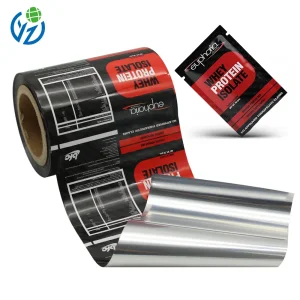
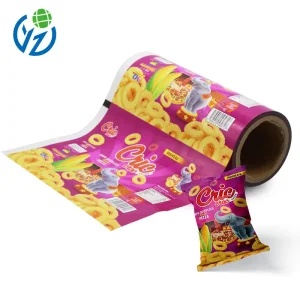
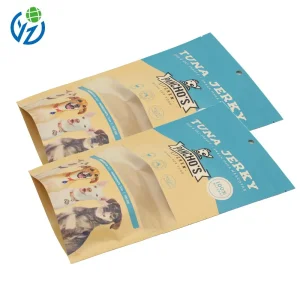
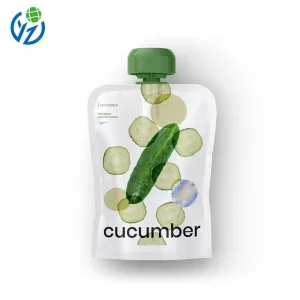
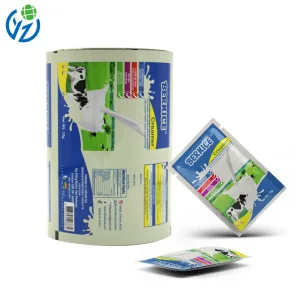
Explore our high-performance roll films and customizable laminated packaging configurations designed for automated Form-Fill-Seal (FFS) production lines.
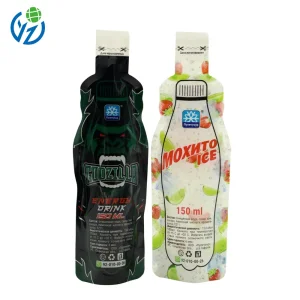
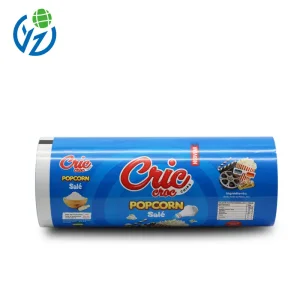
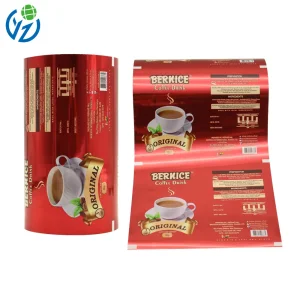
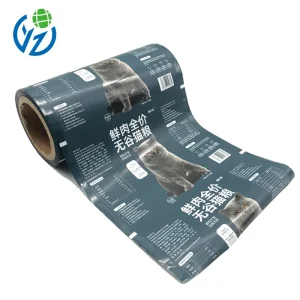
Understanding the transition from pre-formed pouches to dynamic roll stock in high-throughput automated manufacturing.
The global packaging sector is witnessing a paradigm shift from rigid plastic containers to high-performance, multilayer flexible materials. Central to this transition is the optimization of flexible roll film (also known as roll stock). Industry analysis demonstrates that using automated Form-Fill-Seal (FFS) machinery combined with premium quality roll film reduces production time by up to 40% and transportation-related carbon emissions by over 30% compared to traditional packaging. Roll film allows high-speed wrapping, precise dosing, and immediate sealing, which makes it indispensable in sectors like snack manufacturing, dairy processing, chemical packaging, and pet food manufacturing.
By shifting to automated roll stock, modern brands mitigate the costs associated with handling individual bags. Additionally, advanced lamination engineering ensures that barrier characteristics are tailored to the product. For instance, coffee demands high-performance gas barriers to prevent oxidation, whereas snack foods require nitrogen-purging compatibility to maintain texture and crispness. To succeed in this landscape, global buyers require a supplier that combines high structural integrity, precise coefficient of friction (COF) controls, and accurate print alignment.
A premier Chinese manufacturing enterprise delivering specialized custom flexible packaging since 2001.
Established in 2001 in Jiedong District, Jieyang City, Guangdong Province, China, Jieyang Yuanzhong Printing Co., Ltd. has established itself as an authoritative leader in the decorative packaging, lamination, and conversion industry. Over more than 20 years of technical refinement, the enterprise has continuously invested in high-precision, automated manufacturing systems to serve both domestic and international markets.
Our production floor features state-of-the-art machinery, including the internationally acclaimed Japan Komori fully automatic printing production lines. These lines deliver exceptional color fidelity and exact layout registration, even during high-speed runs. Operating at this scale, Yuanzhong Pack maintains a monthly production capacity of over 240 tons of high-grade plastic packaging film, ensuring reliable lead times and scalability for large global brands.
As a specialized OEM/ODM manufacturer, our core competitive advantage lies in our bespoke engineering capability. We recognize that no single material structure fits every application. Our engineers design film structures containing distinct layers of Polyethylene Terephthalate (PET), Biaxially Oriented Polypropylene (BOPP), Cast Polypropylene (CPP), Aluminum Foil (AL), and linear low-density polyethylene (LLDPE) to match our clients' unique oxygen barrier, moisture barrier, and mechanical strength requirements.
An overview of our precision manufacturing process, centered around advanced rotogravure printing technology.
Rotogravure printing remains the industry benchmark for long-run flexible packaging due to its dense ink application, vibrant color reproduction, high plate durability, and stable print quality at high speeds. Below is the step-by-step technological path utilized at our facility to convert raw polymer resins into finished, high-performance roll films:
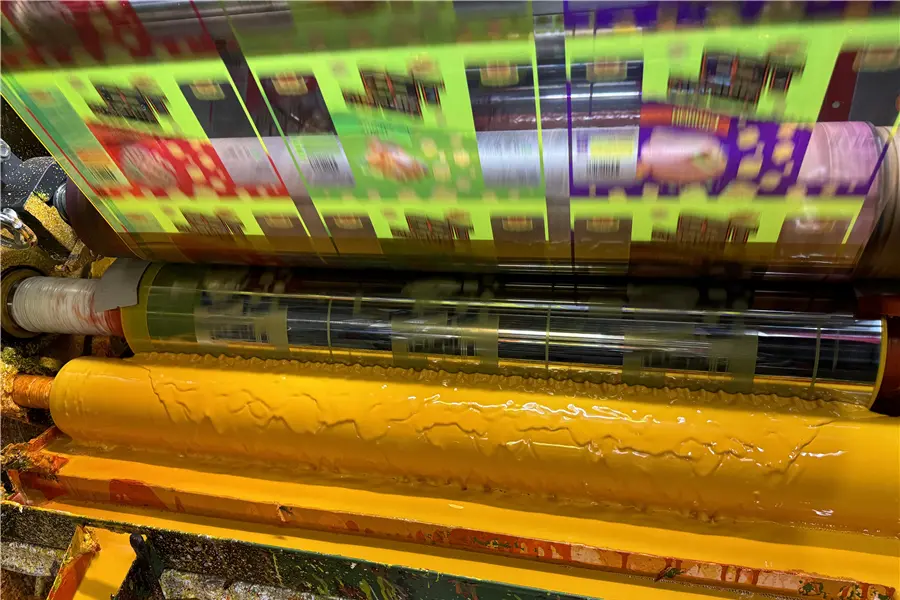
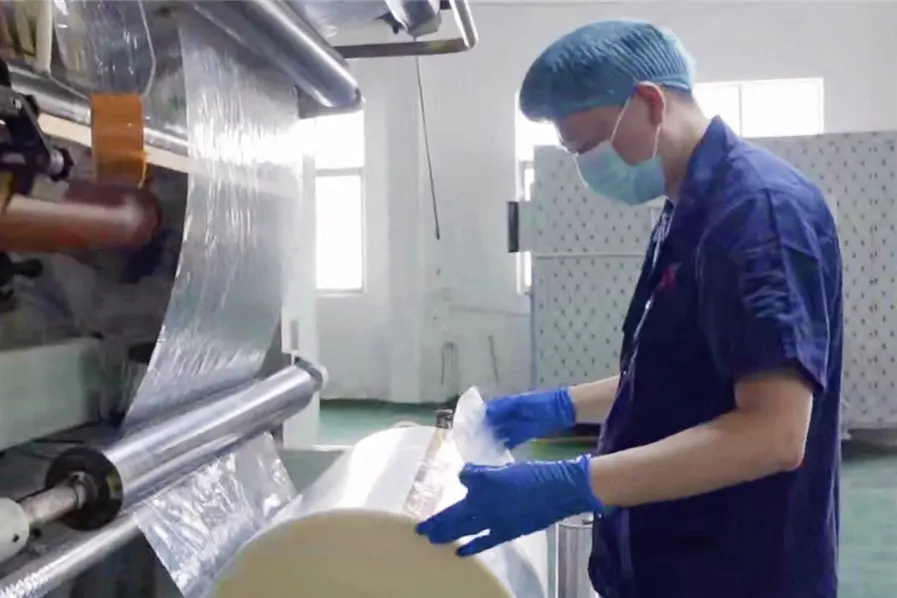
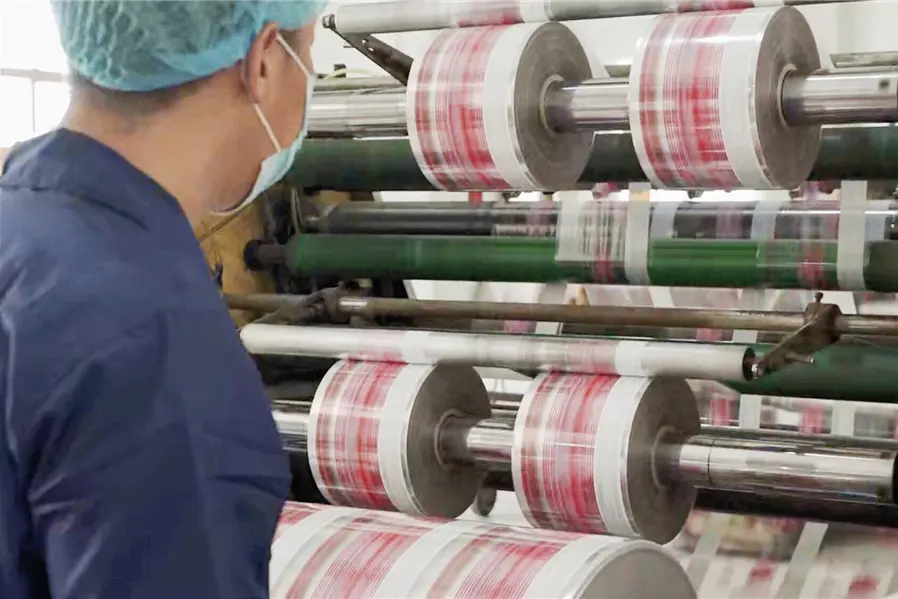
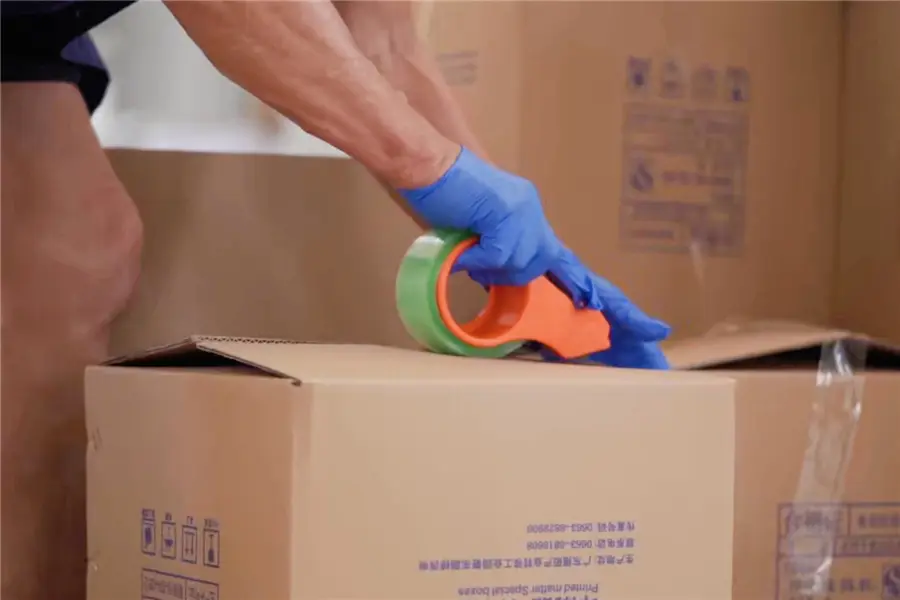
Phase 1: Rotogravure Printing: Film substrates are run through high-speed rotogravure cylinders. We use food-grade, low-VOC solvent inks or eco-friendly water-based inks. The Japan Komori system ensures color deviations (Delta E) are kept well below industry averages.
Phase 2: Composite & dry/solvent-less Lamination: Multiple plastic or foil layers are bonded together using high-performance adhesives. Our solventless lamination processes prevent chemical odors from contaminating the inner package, which is critical for sensitive products like dairy or milk powder.
Phase 3: Curing & Aging: Laminated rolls are stored in climate-controlled curing chambers to ensure complete cross-linking of adhesives. This guarantees optimal bond strength, preventing delamination during high-temperature filling or sterilization.
Phase 4: Slitting & Conversion: Master rolls are slit into precise widths matching the buyer’s FFS machine specifications. Edge sensors maintain roll alignment tolerances within ±0.5mm.
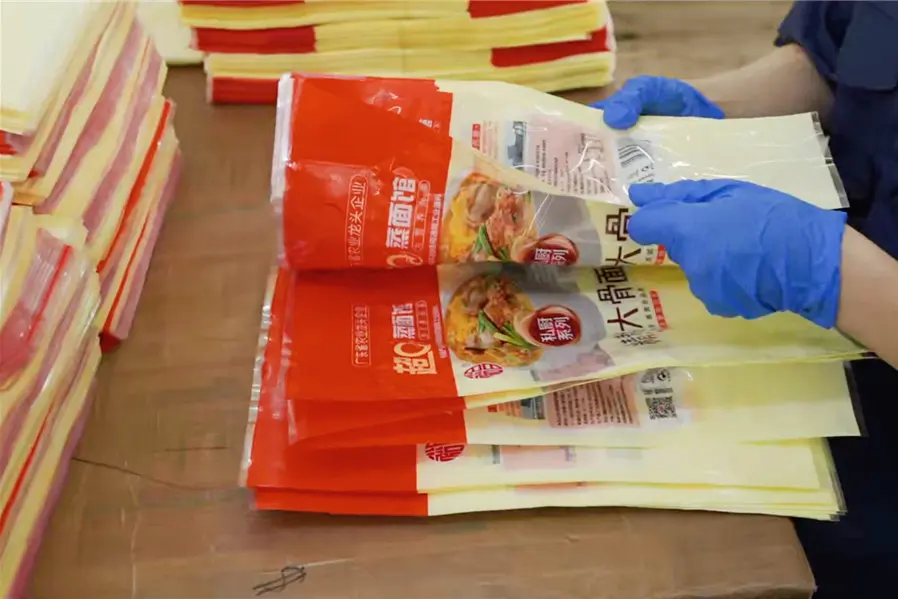
Phase 5: Bagging & Packaging: For clients requiring pre-made bags (e.g., Stand-up Pouches, Spout Bags), the roll film is converted using automated sealing and cutting machines, followed by pressure-testing for leaks before final packing.
How our strategic location in Guangdong Province enables cost-effective and reliable global distribution.
Operating from Jieyang, Guangdong offers significant supply chain advantages. Guangdong is home to one of the world's most integrated chemical, polymer, and printing ecosystems. This geographic concentration of raw material manufacturers allows Yuanzhong Packaging to source certified resins and additives quickly, shielding our customers from international price volatility and logistics disruptions.
Furthermore, our proximity to major international deep-water ports (including Shenzhen, Guangzhou, and Shantou) allows us to offer flexible shipping terms like FOB, CIF, and DDP. With streamlined customs clearance protocols in southern China, export shipments are dispatched quickly, keeping container transit times to North America, Europe, and Southeast Asia to a minimum.
We maintain backup power systems, redundant raw material storage, and a multi-tiered equipment maintenance schedule to ensure uninterrupted production. This operational redundancy is a key reason global distributors trust Yuanzhong Pack as their primary long-term supplier.
Tailoring material properties and barrier performance to regional climate conditions and commercial applications.
North American markets demand puncture-resistant, high-barrier laminates (PET/AL/PE or PET/VMPET/PE) to protect dry kibble and extruded snacks from oxygen exposure and fat oxidation. High-speed horizontal form-fill-seal (HFFS) compatibility is required to match automated filling setups.
With strict EU Packaging and Packaging Waste Regulation (PPWR) directives, European buyers prioritize mono-material structures (such as PP/PP or PE/PE laminates) and biodegradable options. These simplify the recycling process while maintaining the barriers needed for shelf-life extension.
In Southeast Asia and Central America, high humidity levels present a challenge. Packaging must feature a Water Vapor Transmission Rate (WVTR) close to zero. Our multi-layer co-extruded films prevent moisture penetration, keeping dry powders and puffed snacks crisp and free-flowing.
Our commitment to sustainable packaging, barrier innovation, and smart manufacturing.
As the flexible packaging industry evolves, Jieyang Yuanzhong Printing Co., Ltd. is focusing its R&D on three main pillars:
1. Mono-Material Recyclability: Traditional multi-material structures (e.g., PET/PE) are difficult to recycle because separating the polymer layers is challenging. We are developing high-barrier, mono-material oriented polyethylene (MDO-PE) films that can be processed in standard PE recycling streams without sacrificing oxygen barrier performance.
2. Smart & Active Packaging: Integrating digital elements like high-resolution QR codes, RFID tags, and anti-counterfeiting tracking directly onto the roll film during the printing stage. This enables brands to offer end-to-end traceability and improve customer engagement.
3. Carbon-Neutral Manufacturing: By integrating energy recovery systems on our Japan Komori lines and upgrading to solvent-free laminators, we aim to reduce carbon emissions per ton of output by 25% by 2028, aligning with international carbon footprint targets.
Meeting international food-safety and chemical migration standards for absolute reliability.
We ensure all products destined for international markets comply with local regulations. Our materials undergo regular testing to meet strict safety and quality standards:
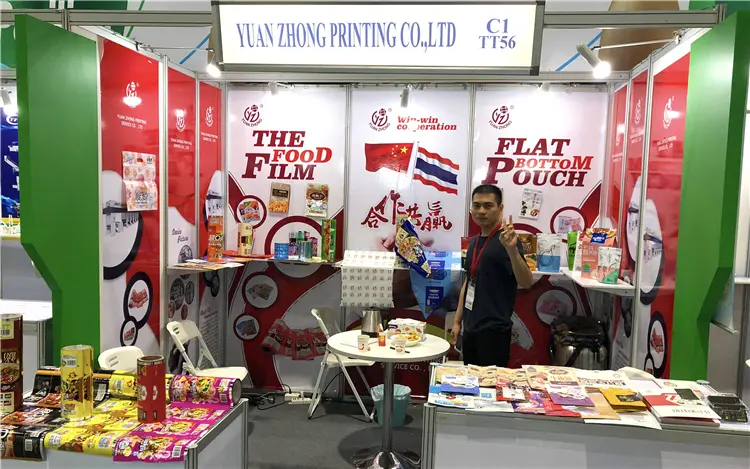
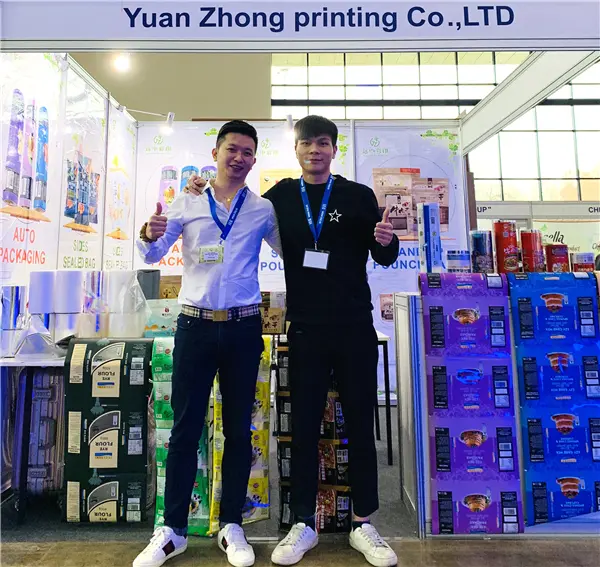
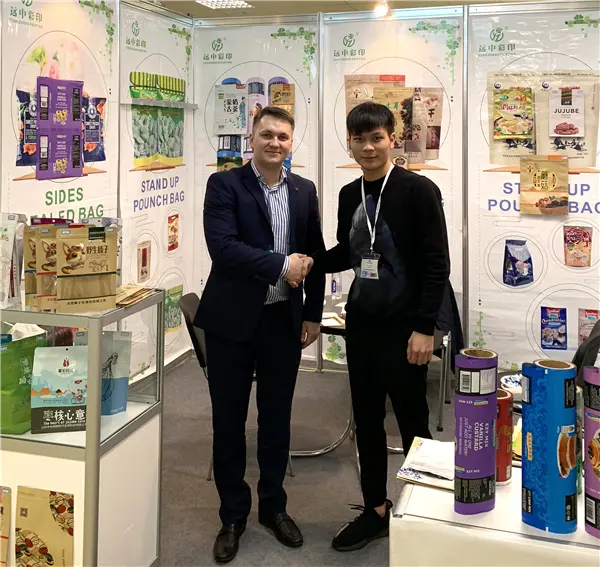
Participating in international trade shows across more than 10 countries and partnering with trusted global brands.
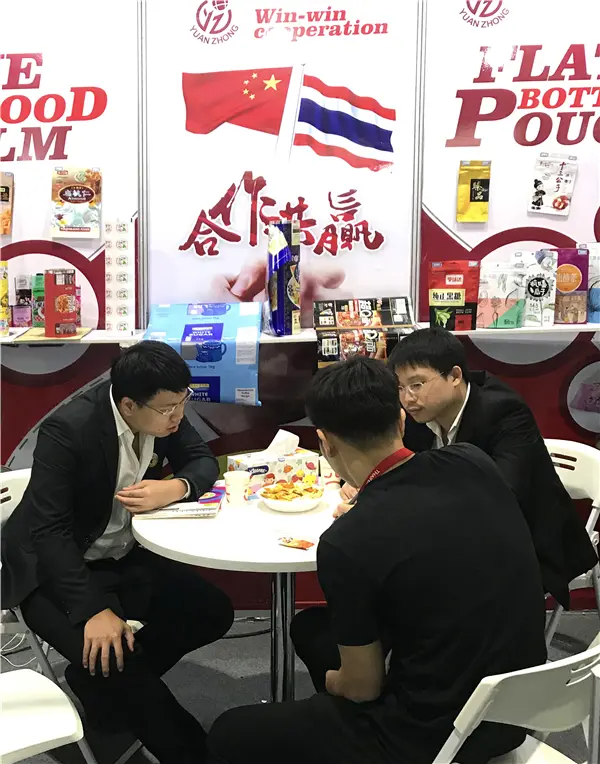
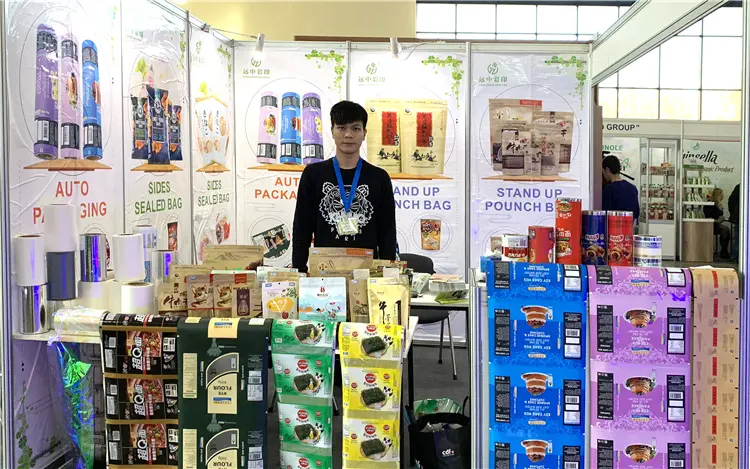
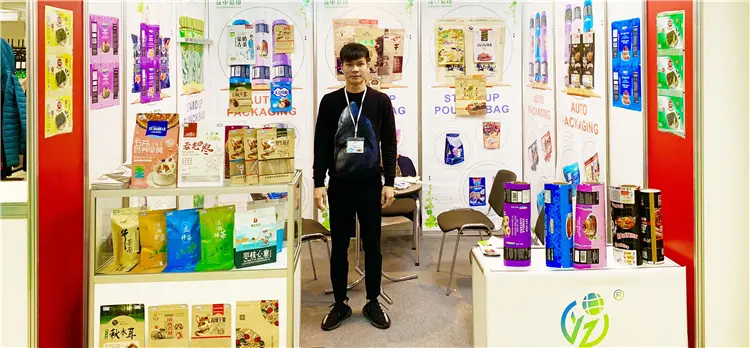

Clear answers to technical, commercial, and logistical queries regarding custom roll film manufacturing.
Roll film is designed for automated Form-Fill-Seal (FFS) systems, which significantly increases packing speeds. It lowers unit costs, simplifies transport and storage logistics, and enables flexible adjustments to pack lengths without changing packaging materials.
To provide an accurate quote, we require the film's structural layer sequence (e.g., PET/VMPET/PE), overall thickness (in microns), roll width, roll outer diameter, core size (typically 3 inches), graphic layout colors (for cylinder engraving setup), and estimated order quantity.
Yes, all our food-contact packaging films are manufactured using raw polymer resins and adhesive compounds that meet FDA regulations and EU food-safety standards.
For new designs, gravure cylinder engraving takes about 7 to 10 days, followed by printing, lamination, curing, and slitting, which takes another 14 to 21 days. Repeat orders can often be delivered faster since the cylinders are already engraved.
Yes, we offer eco-friendly alternatives, including recyclable mono-material PE/PE structures, plastic-free kraft options, and biodegradable PLA laminates, helping brands meet their sustainability goals.
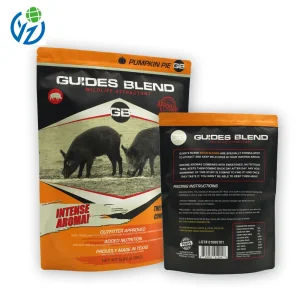
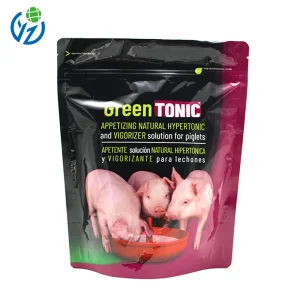
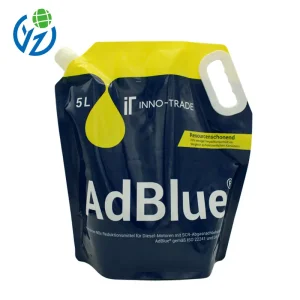
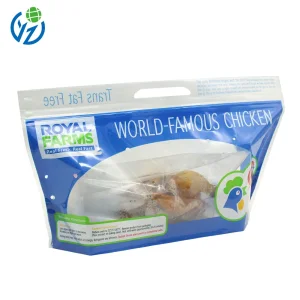
We offer a wide range of barrier packaging options, from high-barrier coffee pouches to large-format spouted liquid bags.
 Yuanzhong Printing