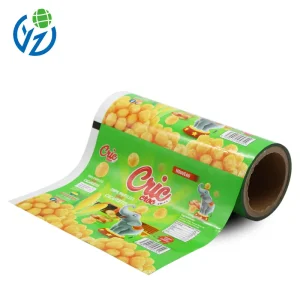
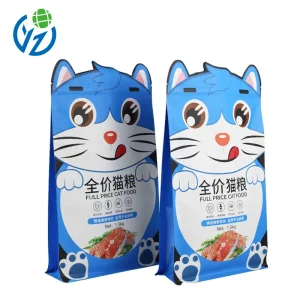
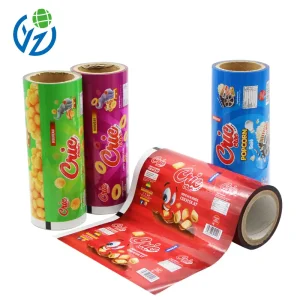
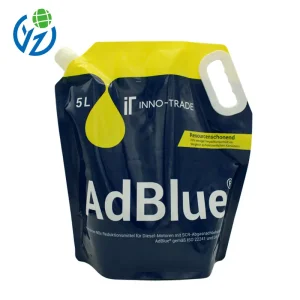
Explore our high-performance engineered plastic films and structural bags
In the contemporary packaging supply chain, Biaxially Oriented Polypropylene (BOPP) and Cast Polypropylene (CPP) stand out as the foundational substrates for high-performance barrier laminates. As regulatory pressure mounts globally to transition away from composite multi-material laminates that escape circular sorting processes, mono-material polypropylene structures have emerged as the standard-bearer for fully recyclable packaging.
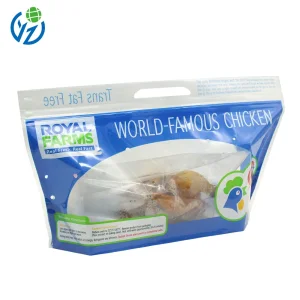
Our engineering division designs customized PP barrier laminates that combine high mechanical tensile strength with optimized moisture vapor transmission rates (MVTR) and oxygen transmission rates (OTR). By leveraging advanced co-extrusion technology, we supply global food, medical, and industrial sectors with printing packaging structures that meet rigorous shelf-life requirements while matching sustainable post-consumer recycling (PCR) pathways.
Monthly Production Capacity
Year of Establishment
Global Export Destination Countries
Food-Grade Compliant Raw Materials
We bridge the gap between high-speed automated packaging efficiency and ecological targets. Whether configuring barrier film properties for high-speed Horizontal Form-Fill-Seal (HFFS) lines or high-barrier retort stand-up pouches, our technical consultative approach ensures your packaging yields the ultimate visual impact on retail shelves while complying with regional plastic regulations.
Established in 2001 in the Jiedong District of Jieyang City, Guangdong Province, Jieyang Yuanzhong Printing Co., Ltd. has grown to become a benchmark manufacturer in the plastic packaging and decoration printing sector. With over two decades of technical expertise, our private enterprise combines advanced printing methodologies with specialized film manufacturing to deliver reliable, food-safe, and high-performance flexible packaging.
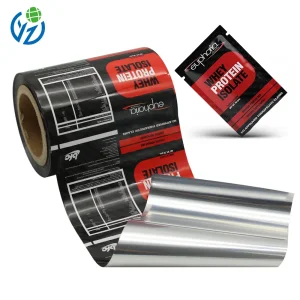
Advanced Production Capabilities: Our manufacturing facility is equipped with automated Japanese Komori printing production lines and state-of-the-art high-speed rotogravure machinery. This tooling configuration yields a monthly output exceeding 240 tons of finished plastic rolls and pouches, maintaining precise registration controls across long manufacturing runs.
We are a customer-centric organization. Our operations are optimized for tailor-made customization. From selecting the precise barrier layer structure (e.g., AlOx coating, metallized BOPP, EVOH integration) to executing complex graphic patterns, our team works hand-in-hand with brand owners to translate functional requirements into reliable, shelf-stable, and visually compelling product designs. Today, our international supply network spans more than 30 countries, ensuring logistical agility and technical consulting support for our partners globally.
Rotogravure printing remains the gold standard for high-volume flexible packaging due to its thick ink laydown, color saturation, and stability across long print runs.
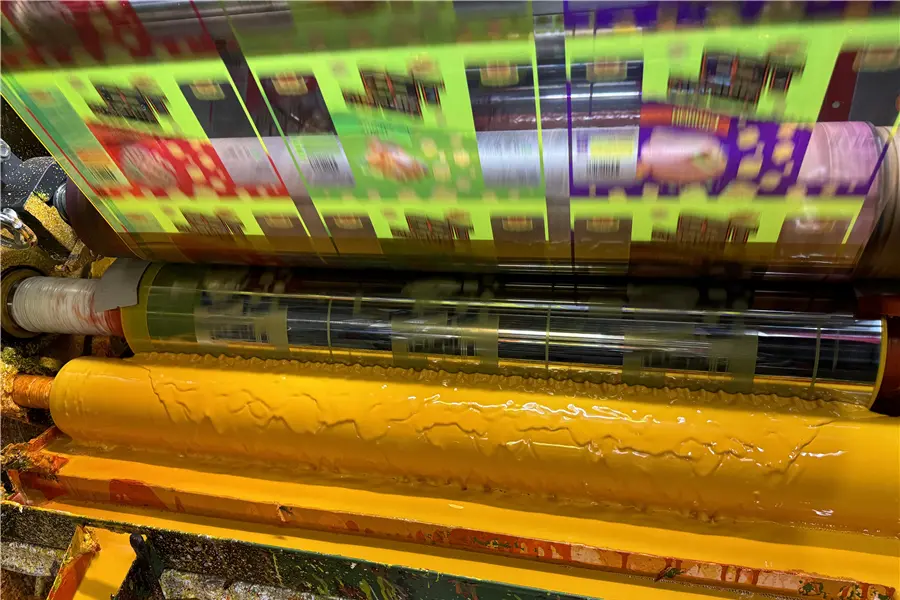
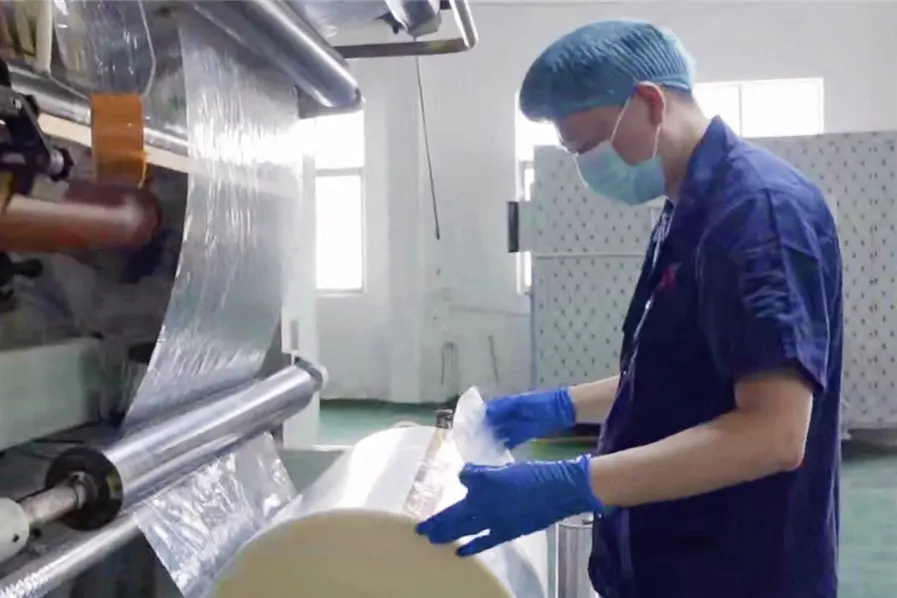
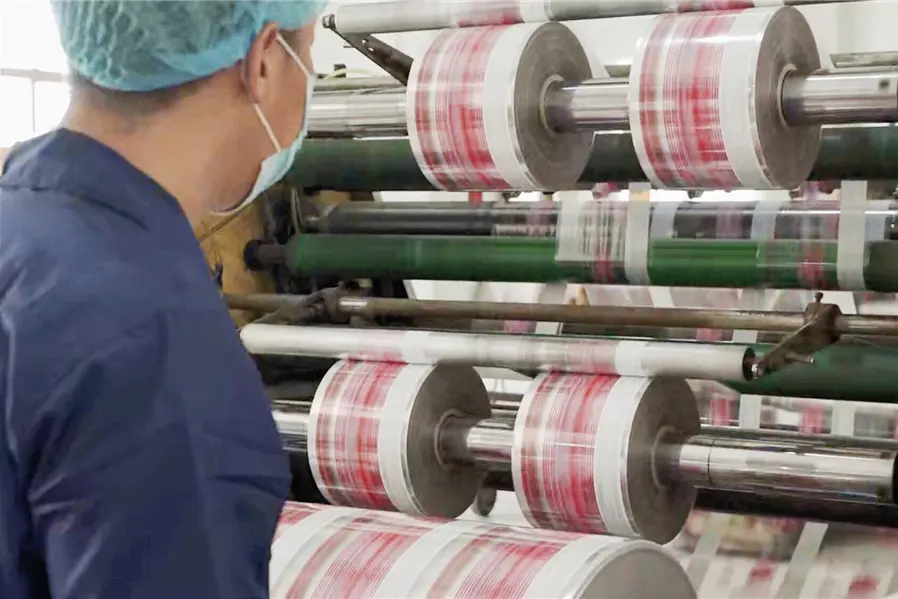
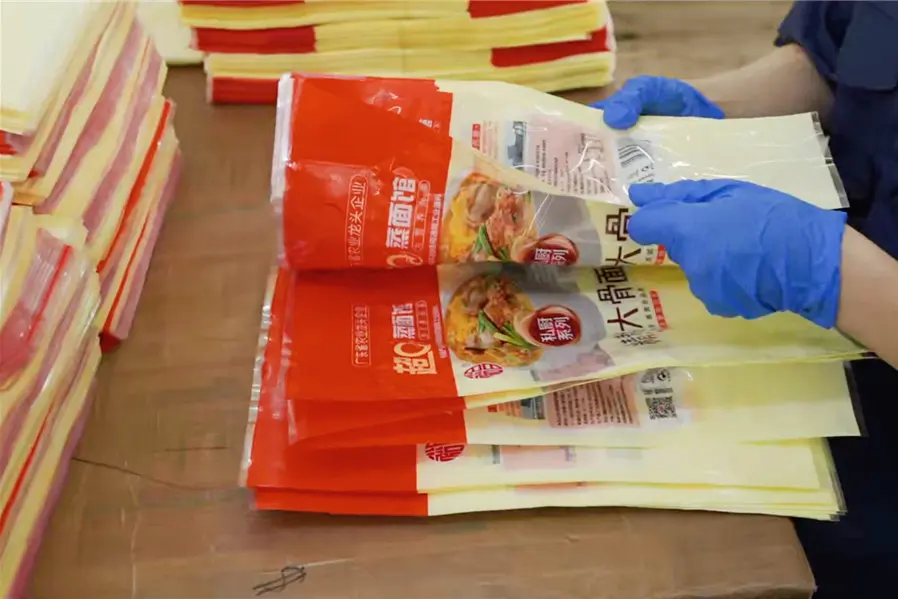
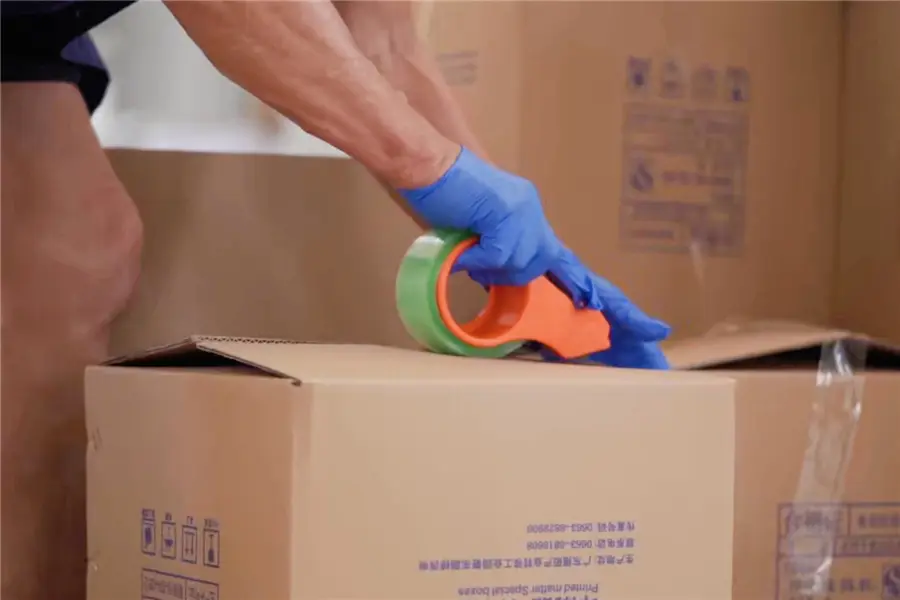
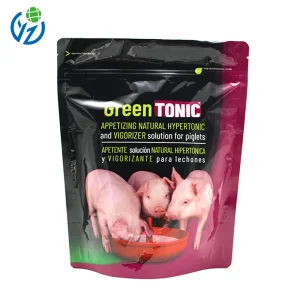
Each phase of our production cycle operates under tight ISO-aligned quality checkpoints. The process begins with high-fidelity digital plates, followed by precision-register rotogravure printing to ensure color accuracy. Subsequently, solvent-less or dry lamination (Composite stage) combines the outer aesthetic film with barrier layers. Slitting machines accurately cut rolls to functional width profiles, and automated Bagging lines fabricate stand-up pouches, flat-bottom zipper configurations, and spouted structures before final packing and distribution.
Understanding the molecular properties of Polypropylene is vital when selecting packaging configurations. Polypropylene is highly valued for its high melting temperature (approx. 165°C), chemical resistance, and tensile modulus. However, when used as a single sheet, its barrier properties may be insufficient for long shelf-life food applications. Hence, we engineer custom multi-layer structures:
Stretched in both machine and transverse directions, BOPP offers high clarity, mechanical stiffness, and water vapor barrier properties. It serves as an outer printing web for snacks, powders, and labels.
Unoriented film providing excellent heat-sealing strength, puncture resistance, and low-temperature flexibility. CPP is the premier choice for inner sealing layers in stand-up pouches and bag structures.
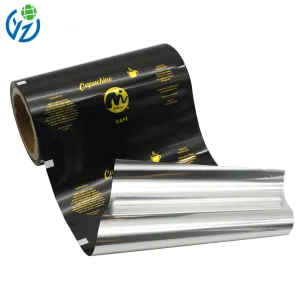
Integrating metallized PP (VMCPP) or EVOH barrier films dramatically reduces the ingress of oxygen and moisture, keeping sensitive compounds like coffee, milk powders, and proteins fresh.
Different industry verticals demand specific physical packaging metrics. Jieyang Yuanzhong Printing maps each product build to the physical stress profiles of the intended application:
Requires robust moisture barriers to prevent powder clumping and high puncture resistance to handle dense weight. Our laminates utilize metallized PET/PP structures with integrated resealable zippers to maintain powder dryness.
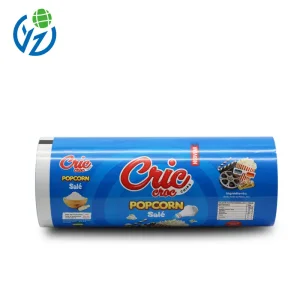
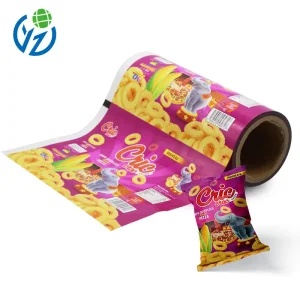
Requires modified atmosphere packaging (MAP) gas flushing compatibility. The inner layer must seal perfectly around dust particles, maintaining nitrogen levels to preserve product crunch and prevent oxidation.
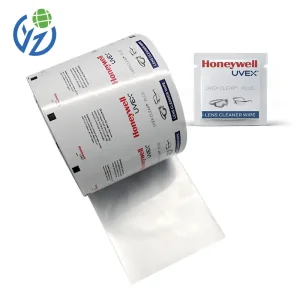
Requires extreme chemical resistance. Our custom-designed sterile packaging films prevent alcohol evaporation and sterilization chemical degradation in disinfection prep pads.
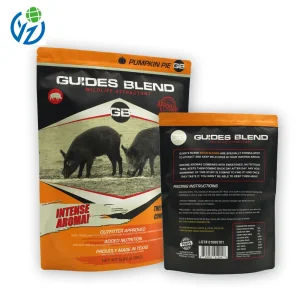
Needs thick, puncture-resistant structures that block out grease and light while keeping dry food aromas enclosed. We utilize customized co-polymer combinations with multi-point seals.
Connecting with clients globally and verifying our packaging technology on international platforms
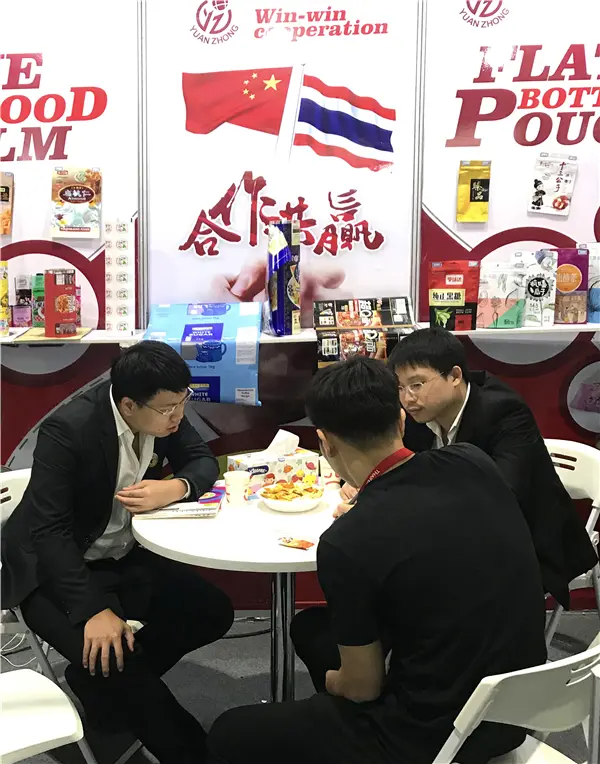
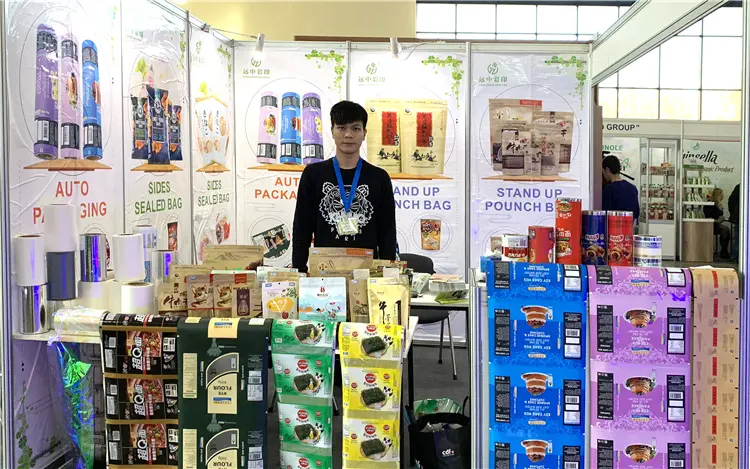
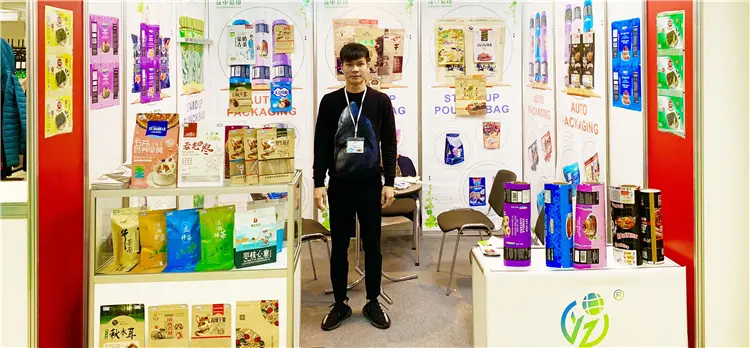
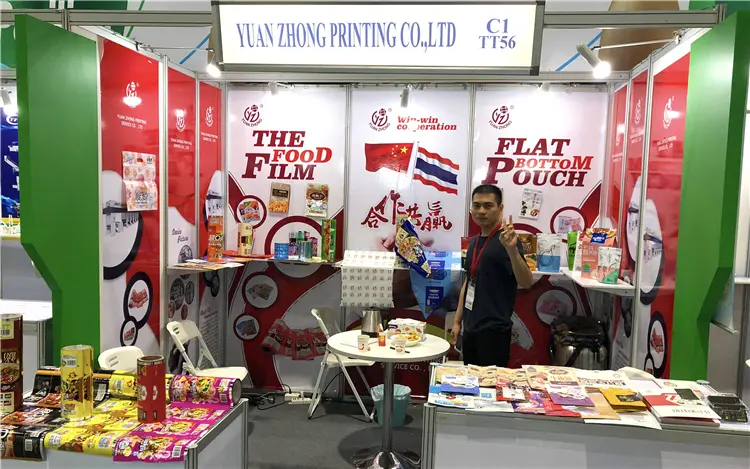
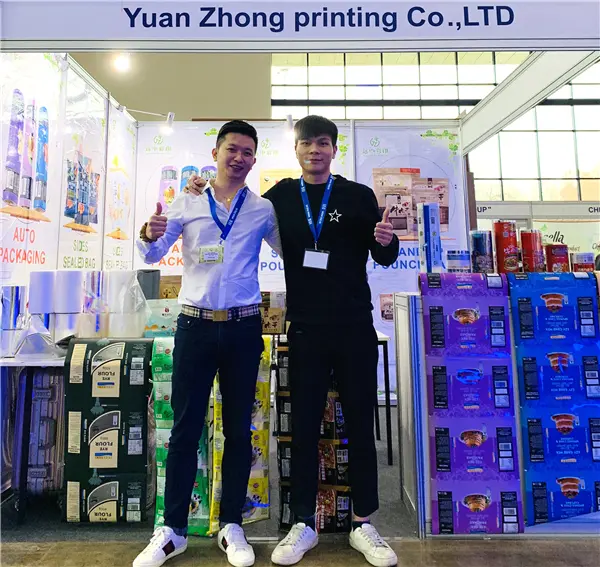
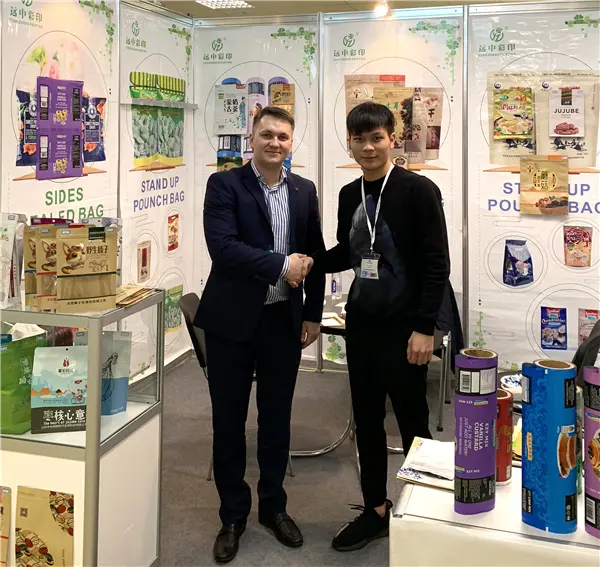
Operating a global packaging supply chain requires continuous alignment with regulatory compliance standards. Our manufacturing lines use raw materials that comply with FDA (Food and Drug Administration) standards for direct food contact, as well as European Commission directives (EC 1935/2004). We regularly update our certification frameworks, verifying our processes against heavy metal, phthalate, and primary aromatic amine restrictions.
To support global brand transitions, we offer comprehensive compliance documentation, batch traceability records, and third-party laboratory migration test results. This ensures that when our pouches land at packing plants in North America, Europe, or the Asia-Pacific region, they seamlessly pass import screening and retail audits.
Collaborating with over 20 global brands to deliver customized, high-reliability packaging



The packaging industry is shifting towards smarter, cleaner, and more circular designs. To address these demands, Jieyang Yuanzhong's research and development team focuses on three key pillars:
Eliminating volatile organic compounds (VOCs) from the printing floor. We are transitioning our gravure presses to utilize water-based ink solutions, providing clean, food-safe packaging with low trace residuals.
Replacing traditional PET/PE configurations with single-polymer structures. By laminating specialized MDO-PE or BOPP with CPP, we yield fully recyclable pouches that match the barrier protection of multi-plastic structures.
Incorporating interactive elements like localized QR codes and security graphics. This enables packaging-level batch tracking, anti-counterfeiting verification, and direct digital consumer engagement.
In-depth responses to specialized questions about material science and custom sourcing
BOPP (Biaxially Oriented Polypropylene) has been stretched in two directions during extrusion, giving it high tensile strength, stiffness, and clarity. It is typically used for the outer layer of laminations. CPP (Cast Polypropylene) is unoriented, yielding higher puncture resistance and heat-seal strength, making it the premier choice for the inner sealing layer in stand-up pouches.
Our formulation laboratory adjusts the slip agent and anti-blocking additive configurations in the CPP extrusion phase. For vertical form-fill-seal (VFFS) and horizontal form-fill-seal (HFFS) lines, we typical calibrate the COF values within the 0.20 to 0.25 range, preventing film jam or stretching issues during fast pouch forming.
We analyze customer shelf-life targets and select the optimal multi-layer laminate configuration. By utilizing metallized BOPP/CPP films or incorporating high-performance EVOH and AlOx (Aluminum Oxide) layers, we achieve high barrier performance, protecting the product against oxidation, moisture, and aroma loss.
Yes. All laminating adhesives and gravure inks utilized in our clean room production phases are food-contact safe, compliant with FDA guidelines, European Union regulations (EU 10/2011), and RoHS directives. We regularly test for VOC retention to keep values well below regulatory limits.
Direct factory supply of printed films, rolls, and pouches for commercial applications
 Yuanzhong Printing