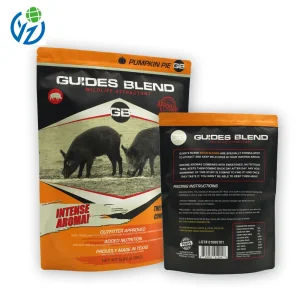
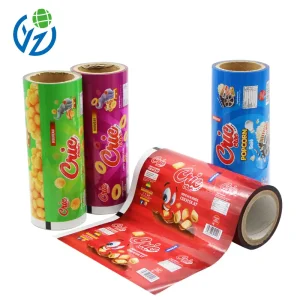
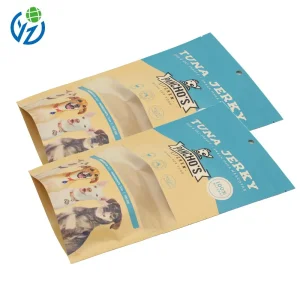
Custom engineered flexible barrier packaging designed to meet critical preservation, structural, and shelf-appeal requirements.
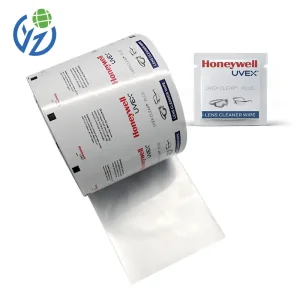
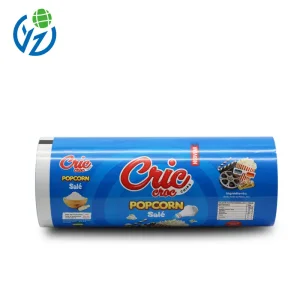
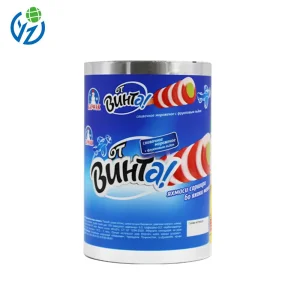
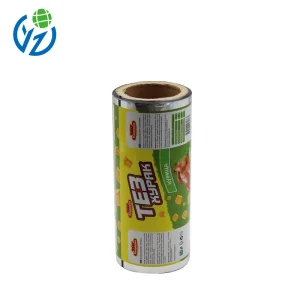
The flexible packaging sector across the United States is undergoing a profound paradigm shift. Driven by rigorous FDA safety protocols, strict retail performance metrics, and growing customer preferences for lightweight packaging profiles, manufacturers are transitioning away from rigid structures. In sectors ranging from food supply chains to medical disinfection components, high-density polyethylene (HDPE), low-density polyethylene (LDPE), and complex multi-layer barrier laminates have become essential.
Meeting these demands requires a deep integration of chemical engineering and modern print precision. High-barrier co-extrusions incorporating ethylene vinyl alcohol (EVOH) and aluminum foil laminations are utilized to isolate sensitive products from oxygen and moisture. By combining global production efficiencies with strict compliance to ASTM international standards, we establish a robust supply chain that guarantees quality for USA industrial and commercial sectors.
Our advanced production capacity combined with high-grade Japanese Komori printing systems enables a reliable, large-scale supply chain. This configuration guarantees consistent film thickness, excellent thermal seal strength, and vivid graphic reproduction across all product lines.
An industry pioneer in packaging decoration and plastic barrier bag production since 2001.
Established in 2001 in Jiedong District, Jieyang City, Guangdong Province, Jieyang Yuanzhong Printing Co., Ltd. has evolved over two decades into a leading manufacturer in the global packaging printing sector. Combining high-performance production facilities with a commitment to material innovation, we design packaging solutions that cater to the strict demands of international markets, including the USA.
Yuanzhong Pack specializes in high-precision packaging decoration printing alongside the custom production of high-performance plastic packaging bags. Our manufacturing plant operates advanced equipment, highlighted by Japan Komori fully automatic printing production lines. This mechanical setup allows us to reach a monthly output of over 240 tons of premium flexible laminate film and custom pouches.
Customization is central to our operational approach. We recognize that every brand requires distinct specifications for oxygen transmission, mechanical strength, and seal integrity. Whether producing sterile packaging film for medical disinfection pads, complex custom puffed snack packaging bags, or heavy-duty food-grade film rolls, our technical team works closely with partners to turn custom blueprints into high-performing final products.
With an established international logistics and distribution network, we supply high-performance packaging to over 30 countries and regions worldwide.
We operate strictly under quality management protocols, utilizing raw plastic resins and food-grade lamination adhesives that comply fully with FDA, EC, and ASTM packaging safety standards.
How we manufacture high-performance packaging from raw materials to final delivered products.
Gravure printing is the standard for high-volume flexible packaging production. This methodology is characterized by thick ink layer deposition, rich color density, high plate durability, and stable print registry across high-speed runs. Here is how our production workflow is structured:
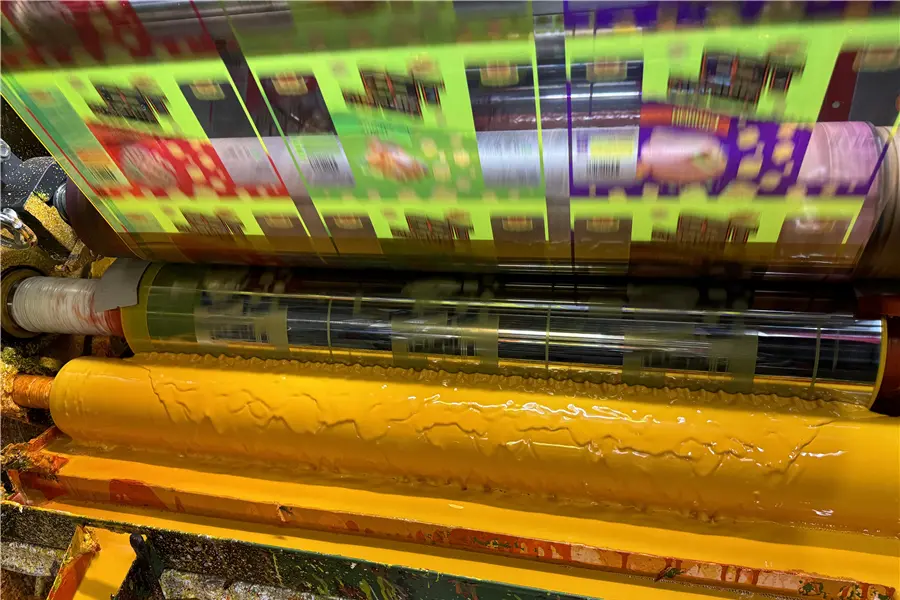
High-speed gravure presses transfer graphics onto outer films (PET/BOPP) using food-safe inks.
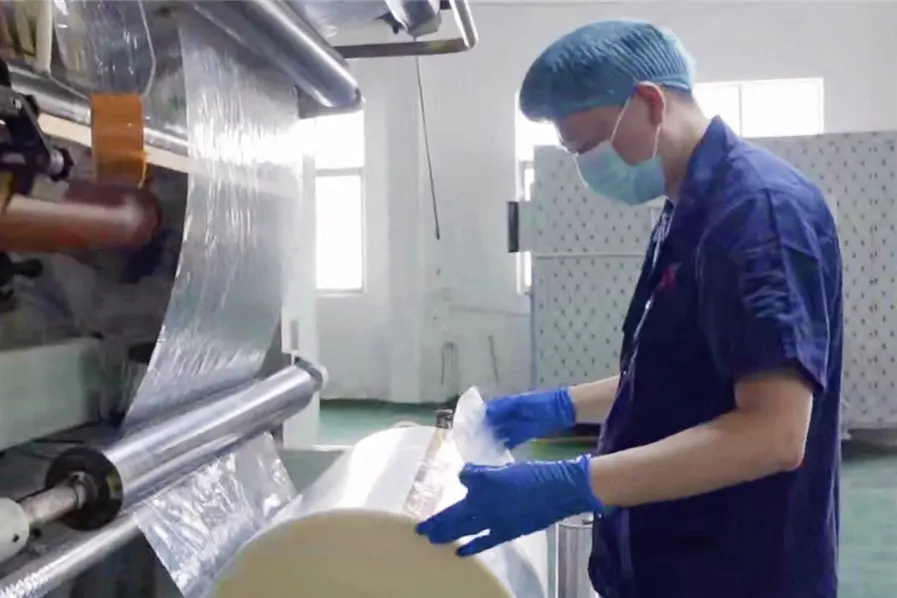
Adhesion of multiple material layers (Foil, PE, Nylon) to produce high-barrier structures.
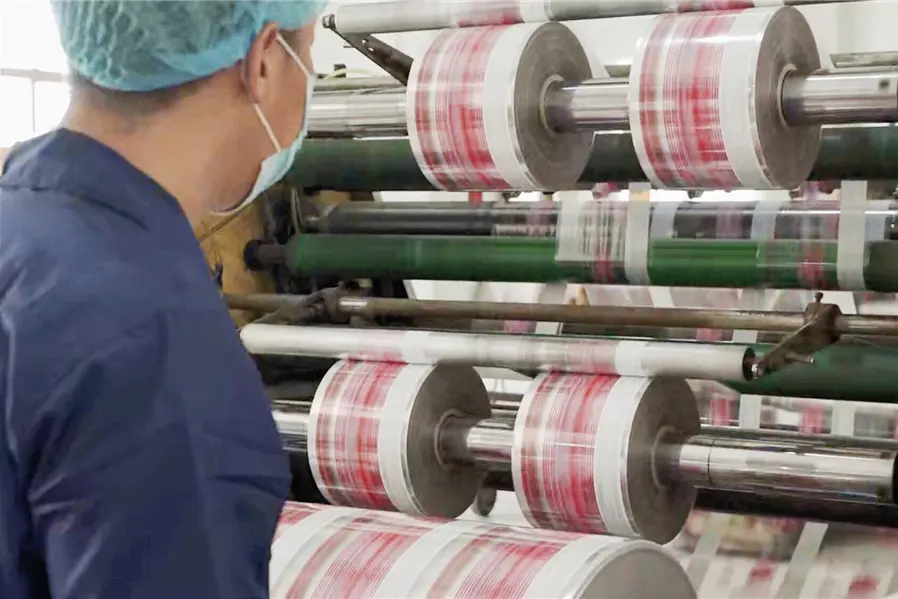
Laminated master rolls are sliced to precise widths using high-speed rotary blades.
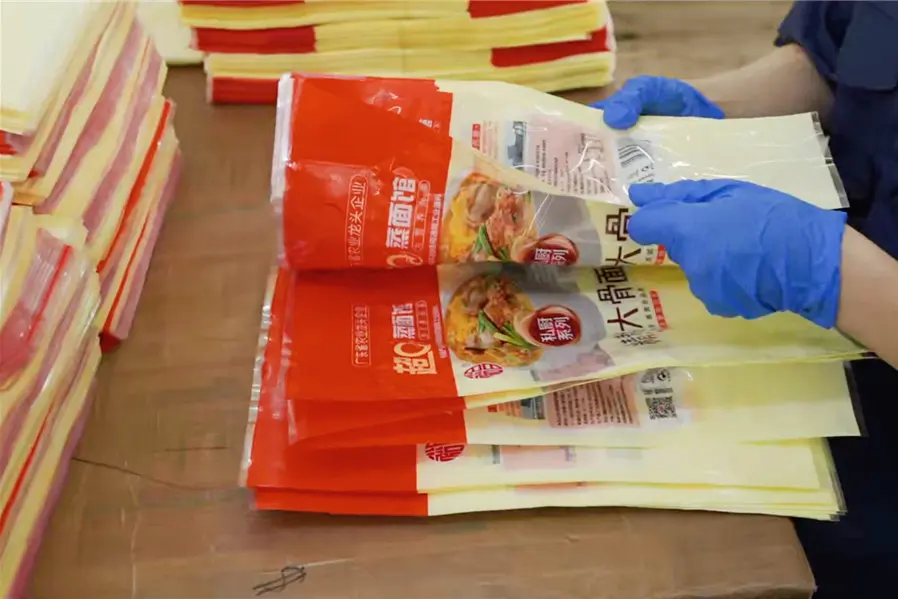
Heat sealing, pouch formation, and installation of fitments like spouts and zippers.
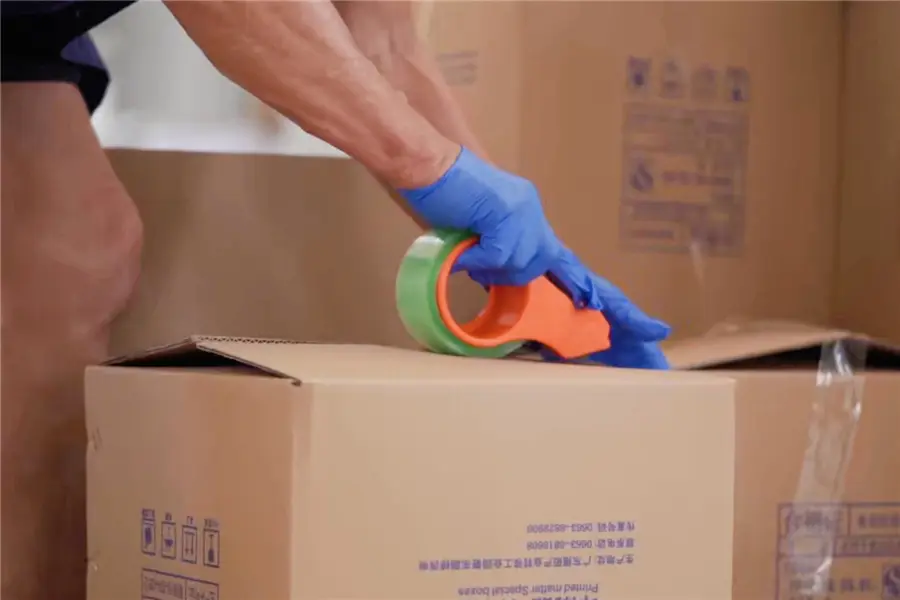
Finished packages undergo batch inspection before being boxed for global shipment.
Understanding the chemistry and physical properties behind high-performance flexible packaging.
Modern flexible packaging relies on precise material engineering. A single-layer film is often insufficient to protect contents against oxidation, moisture ingress, and puncture hazards during transit. To address this, we engineer multi-layer composite structures that integrate distinct material properties:
Our manufacturing processes utilize dry laminators and solvent-free extrusion technologies to laminate these layers without retaining volatile organic compounds (VOCs). This is critical for meeting FDA requirements for direct food contact.
The table below outlines our standard material configurations and their typical industrial applications:
| Material Combination | Key Barrier Properties | Optimal USA Commercial Applications |
|---|---|---|
| PET / LLDPE | Moderate moisture protection, high transparency, cost-effective | Standard retail display bags, outer wrappers, clear food pouches |
| PET / AL / LLDPE | Excellent oxygen, UV light, and moisture barrier, high freshness retention | Snack packaging, coffee powder pouches, dehydrated foods |
| PET / NY / LLDPE | High puncture resistance, mechanical durability, burst protection | Heavy-duty 5L liquid pouches, spouted Doypacks, pet food bags |
| Kraft Paper / VMPET / LLDPE | Natural paper appearance with internal barrier lining | Organic food packaging, specialty coffee bags, pet treats |
Tailored packaging designs matching the requirements of specific markets and logistics channels.
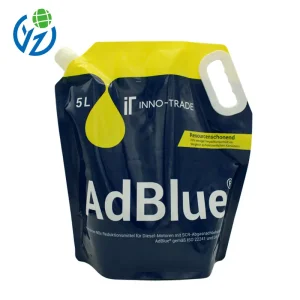
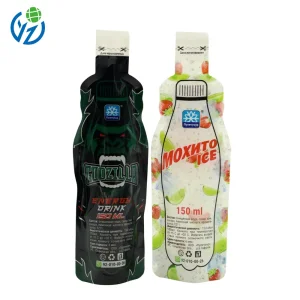
Liquid containers require strict seal integrity to prevent leakage during distribution. Our 5L spouted Doypacks are designed with reinforced gussets, multi-layered NY/PE materials, and precision-molded fitments to withstand vibration and drop hazards.
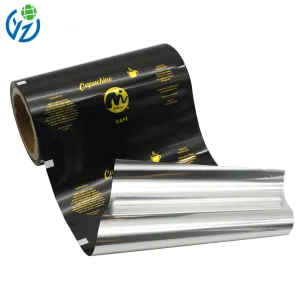
Salty snacks and puffed products degrade quickly when exposed to oxygen and light. We utilize aluminum or metallized OPP films along with nitrogen flushing compatibility to extend product shelf life and preserve flavor profiles on supermarket shelves.
Medical packagings, including sterile alcohol preparation pads, demand sterile, chemical-resistant barriers. We engineer film laminates that resist degradation from isopropyl alcohol, protecting active ingredients over extended storage periods.
Building long-term partnerships across more than 10 countries and cooperating with over 20 global brands.
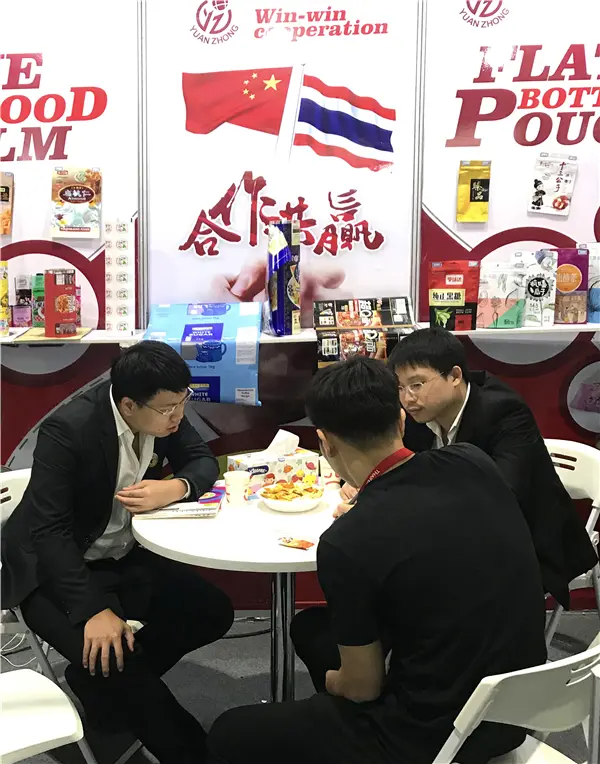
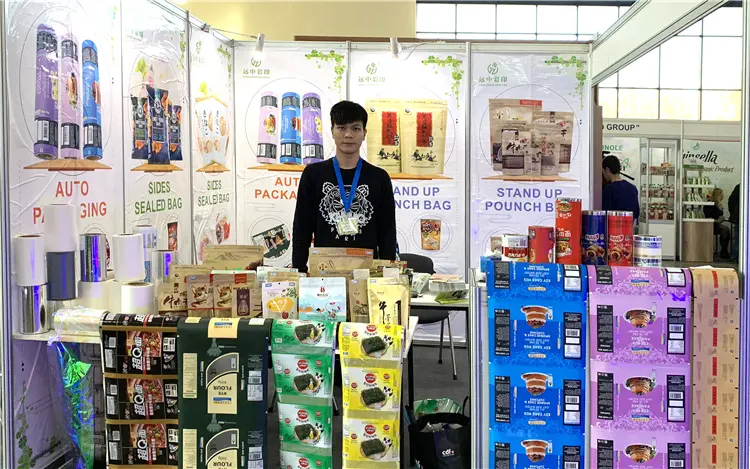
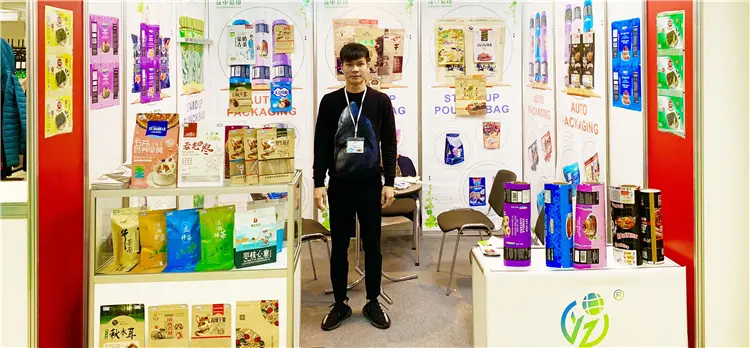
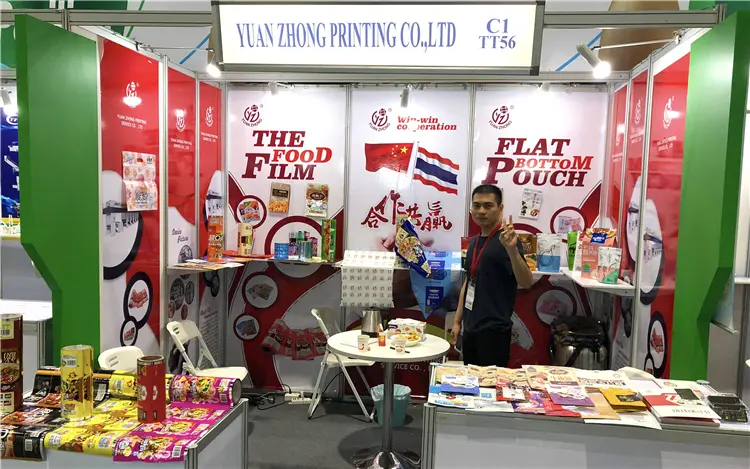
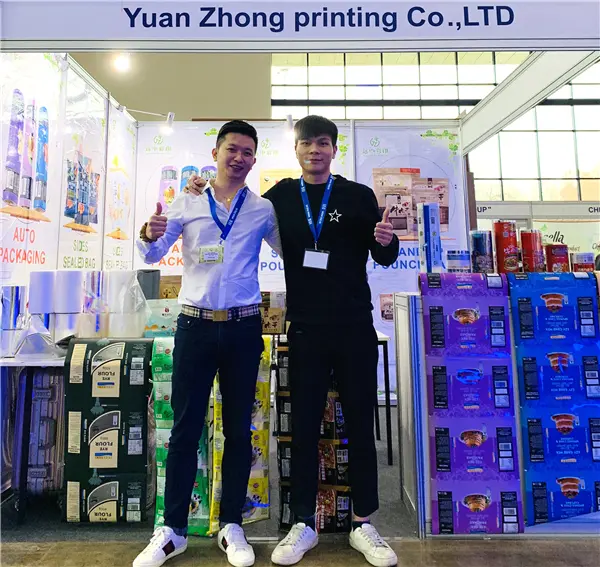
Our commitment to manufacturing quality has earned the trust of over 20 recognized consumer brands and industrial suppliers globally.



Transitioning to circular economy materials without compromising technical performance.
As federal regulations and state-level mandates in the US (such as California's SB 54) push for circular economy standards, the packaging industry is developing new material options. Our R&D team is focusing on two primary areas:
Traditional multi-material films (e.g., PET/PE) are difficult to recycle due to separating the bonded layers. We are testing mono-material PE structures (MDO-PE/PE) that provide necessary heat resistance and tensile strength while remaining compatible with standard retail recycling programs.
For compostable requirements, we offer certified bio-based films derived from PLA (polylactic acid) and PBAT, paired with FSC-certified Kraft papers. These structures biodegrade in commercial composting facilities, offering an alternative for organic product brands.
By replacing legacy thermal laminating ovens with energy-efficient LED curing and solvent-free adhesive systems, we have reduced energy consumption per square meter of output. This helps downstream brands lower their Scope 3 greenhouse gas emissions.
Every batch undergoes strict mechanical testing, including tensile strength evaluations, coefficient of friction (COF) measurements for packaging lines, and burst seal testing.
Answering critical queries regarding industrial procurement, material certifications, and supply chain logistics.
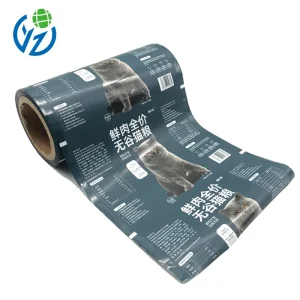
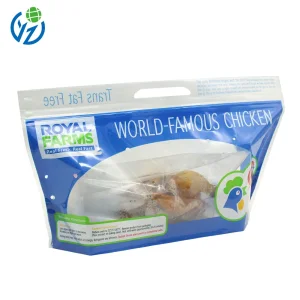
High-performance structures engineered for high-speed filling lines and barrier applications.
 Yuanzhong Printing