Engineered for absolute freshness, structural integrity, and high-speed automated processing lines.
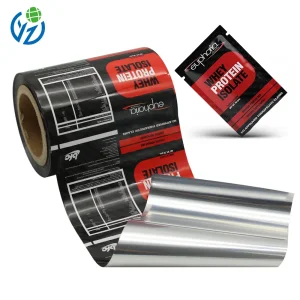
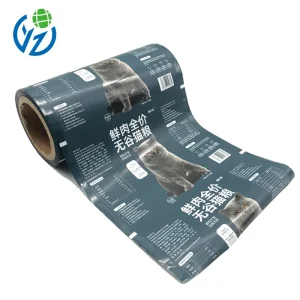
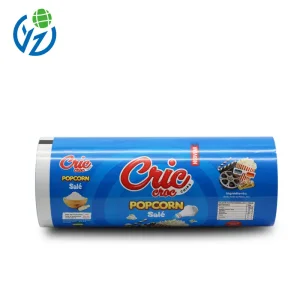
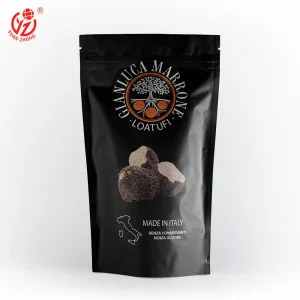
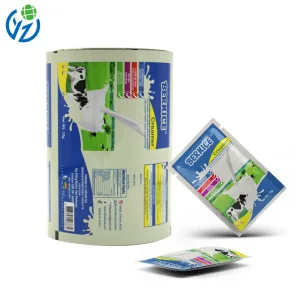
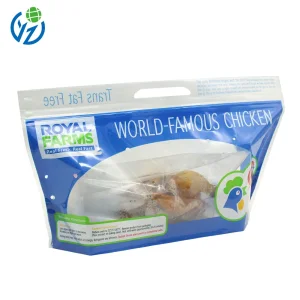
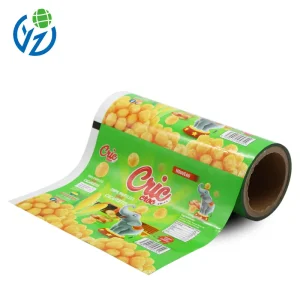
Established in 2001 in the Jiedong District of Jieyang City, Guangdong Province, Jieyang Yuanzhong Printing Co., Ltd. has developed into an international pillar of precision flexible packaging and custom printing. Over more than two decades, we have continuously integrated advanced materials science with state-of-the-art machinery to supply premium barrier films, laminated structures, and self-sealing pouch technologies.
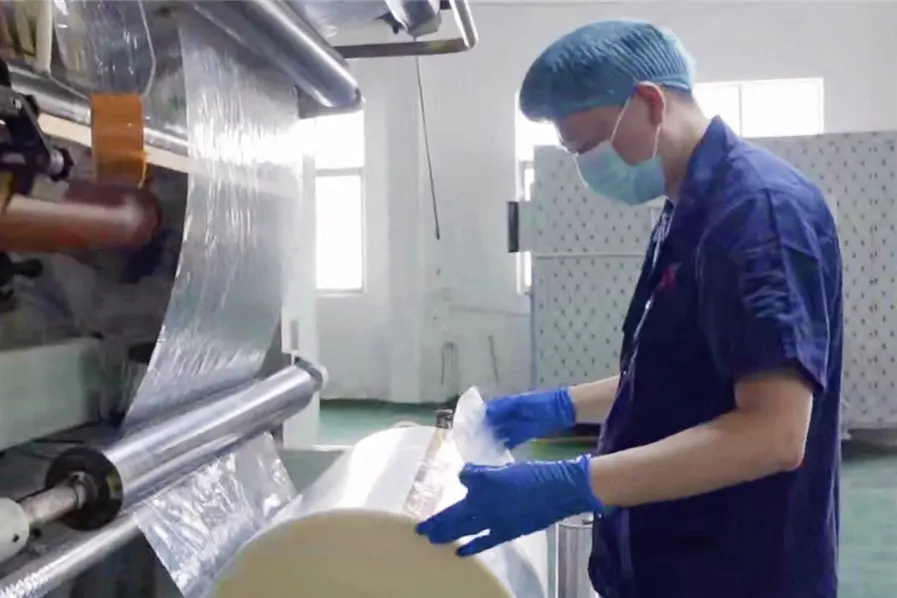
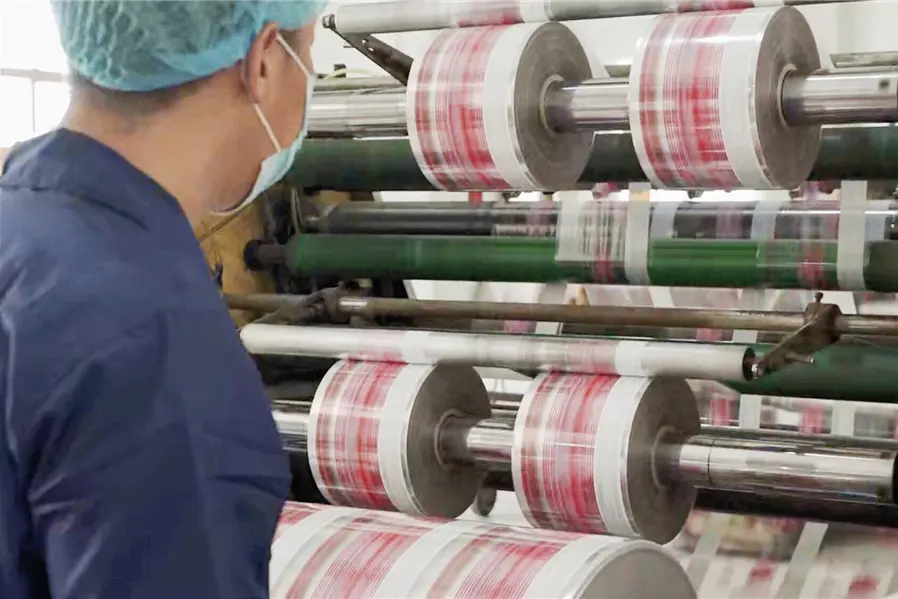
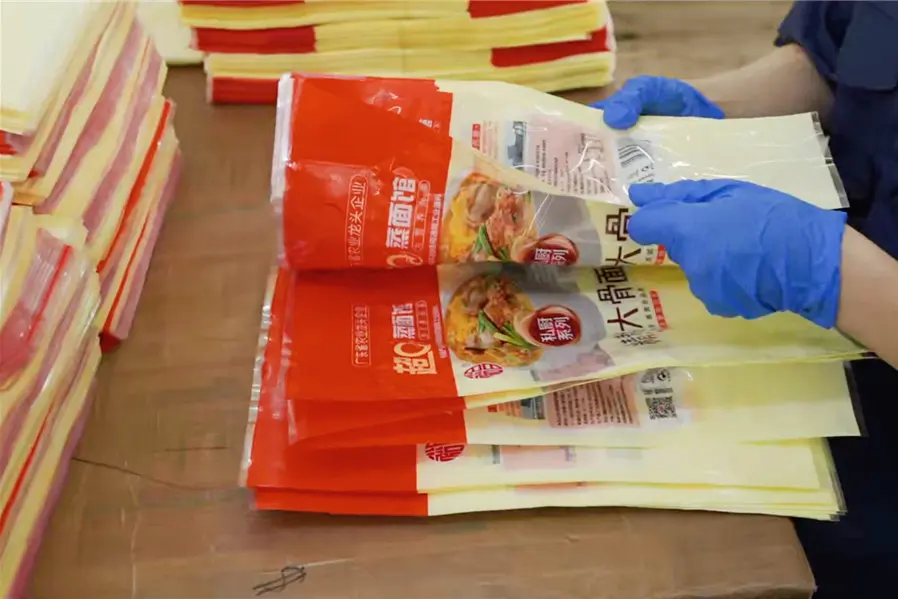
Our manufacturing center utilizes world-renowned high-capacity machinery, including Japan Komori fully automatic printing production lines, multi-layer co-extrusion blown film equipment, and high-speed solvent-free lamination systems. This robust technological footprint allows us to generate a consistent monthly capacity exceeding 240 tons of flexible packaging films and customized bags. Operating under strict global quality protocols, we serve brands in over 30 countries across North America, Europe, Asia, and Oceania.
An in-depth study on material engineering, moisture control, and modern consumer preferences.
The global flexible packaging market is undergoing a structural transition toward functional, resealable formats. Resealability is no longer just a consumer convenience; it is an active barrier conservation technique that reduces food waste, extends shelf life, and enhances brand value. Within this sector, self-sealing plastic bags represent the intersection of complex polymer chemistry and precision mechanical engineering.
Modern self-sealing technology focuses on two core zones: the barrier laminate substrate (which protects the product from environmental exposure) and the interlocking profile (the zipper mechanism). When designing packaging for complex applications like milk powder, pet food, or pharmaceuticals, developers must balance mechanical sealing strength, moisture vapor transmission rates (MVTR), and consumer ease-of-use.
Combining oriented polyester (PET), aluminum foil (AL), biaxially oriented polyamide (BOPA), and polyethylene (PE) layers to achieve near-zero oxygen and moisture transmission rates.
Precision-extruded low-density polyethylene (LDPE) profiles designed to withstand high burst pressures while remaining easy for consumers to open and close.
Transitioning to monomaterial recycle-ready structures (such as BOPE/PE) that match the barrier properties of traditional mixed plastic materials.
| Substrate Composition | Oxygen Barrier Level | Moisture Resistance | Primary Application Fields |
|---|---|---|---|
| PET / PE | Medium | High | General food packaging, snacks, confectionery |
| PET / AL / PE | Excellent (Near Zero) | Maximum Protection | Milk powder, protein powders, coffee, pet food |
| PET / BOPA / PE | High | High | Puncture-resistant heavy-duty bags, pet kibble |
| MDO-PE / PE (Mono) | Medium-High | High | Recyclable standing pouches, dry food mixtures |
As regulatory environments around the world tighten regarding single-use plastics, the packaging industry is pivoting toward circular economy models. By optimizing the design of self-sealing bags, manufacturers can create high-performance barrier solutions that are easier to recycle. Key trends driving this innovation include:
Traditional laminates combine different plastics (like PET and PE), which makes them difficult to recycle. Modern facilities are moving toward all-PE (Polyethylene) structures. By using Machine Direction Oriented Polyethylene (MDO-PE) as the outer layer and combining it with special sealing resins, we can produce packaging that is fully compatible with standard PE recycling streams.
Advanced self-sealing bags now incorporate sound and tactile feedback (click-zippers) to confirm proper sealing. Innovations in child-resistant closures (CRC) are also expanding in the pharmaceutical, chemical, and household detergent markets, ensuring safety without sacrificing material performance.
The printing process is shifting toward water-based and UV-curable inks, which significantly reduce VOC emissions. Combined with high-precision gravure cylinders, manufacturers can deliver vibrant, photo-realistic packaging designs while lowering their overall environmental footprint.
Thin ceramic coatings (like SiOx or AlOx) can be applied to transparent films, providing high barrier protection against gas and moisture transmission without relying on metal foil layers. This allows brands to offer clear viewing windows while keeping the contents fresh.
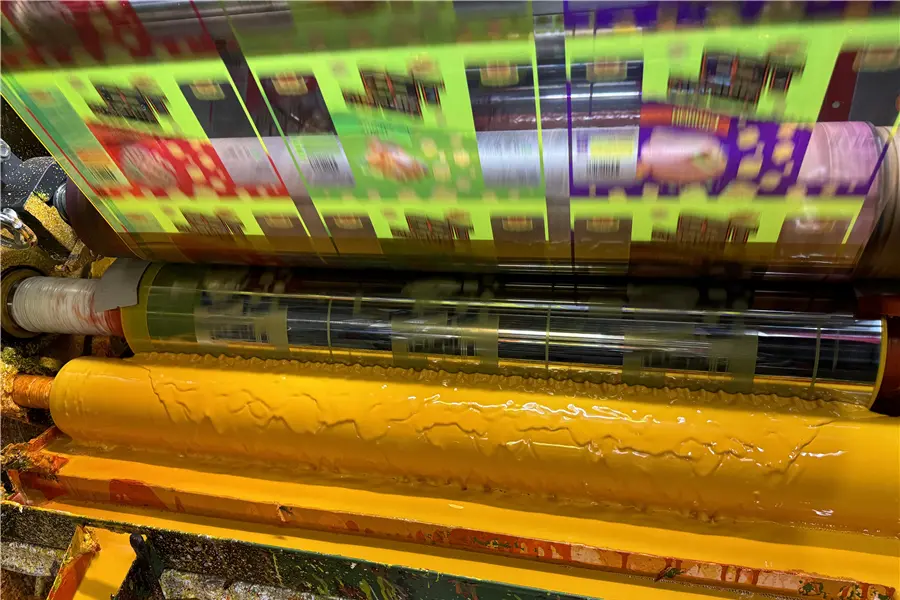
As a primary manufacturing technology, gravure printing provides high-density ink layers, rich color saturation, excellent plate durability, and stable print quality at high run speeds.
Connecting with global industries and showcasing modern packaging technology across more than 10 countries.
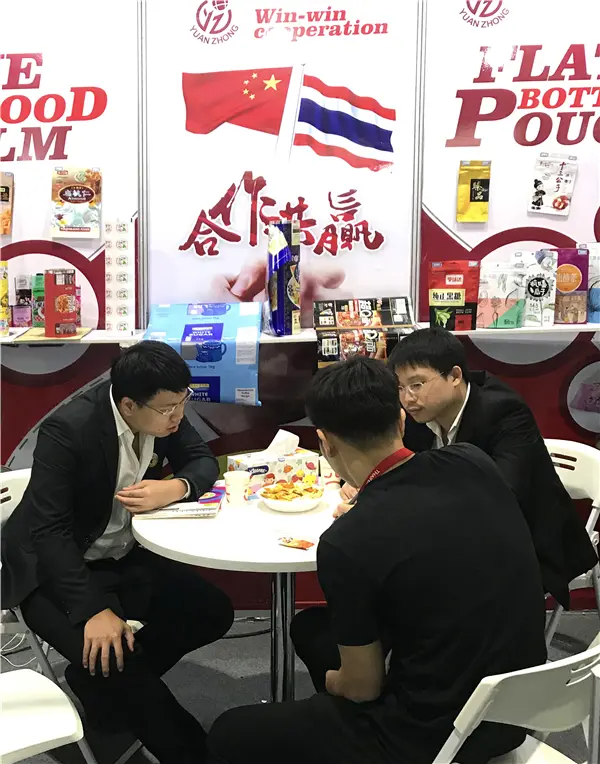
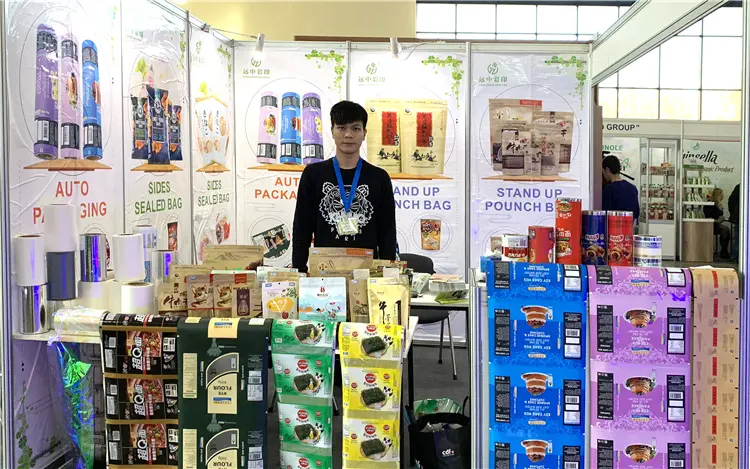
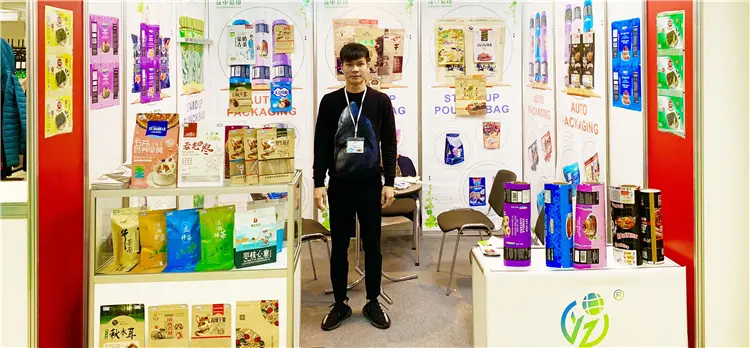
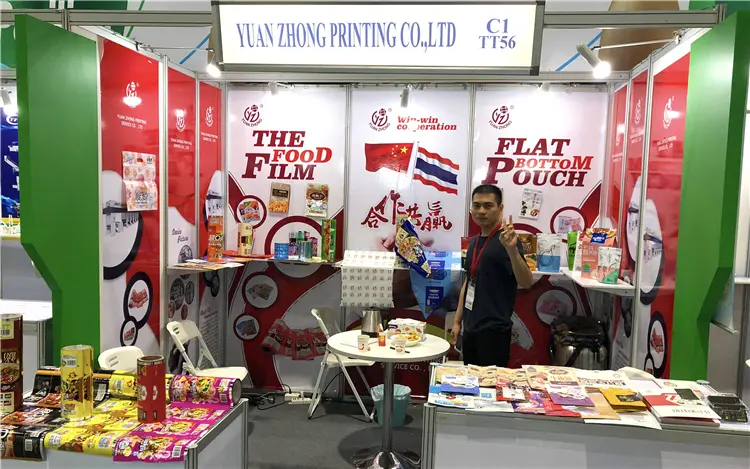
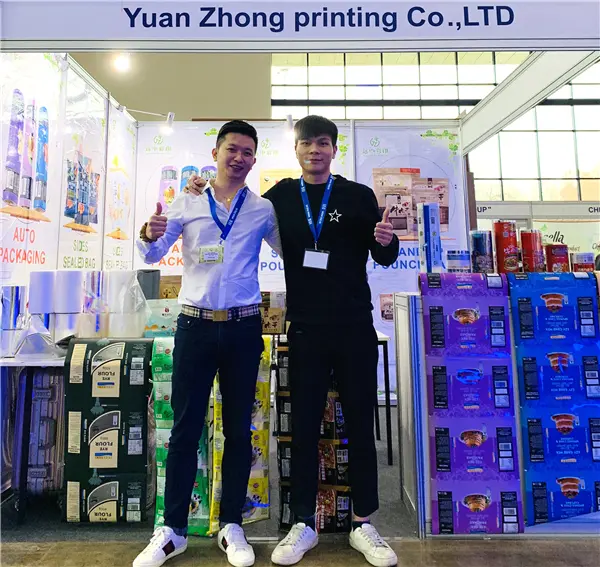
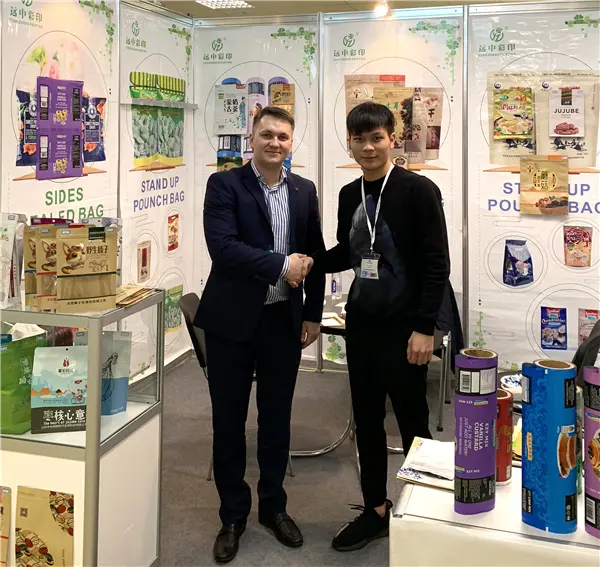
Partnering with over 20 global brands to deliver customized, high-quality packaging solutions.



Technical answers to key questions about self-sealing bags, film lamination, and customization options.
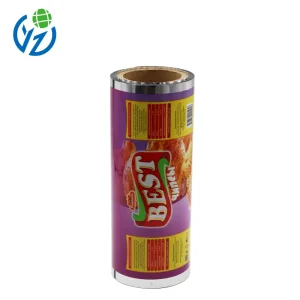
Premium packaging materials designed for automated packaging lines, high-speed sealers, and retail display.
 Yuanzhong Printing