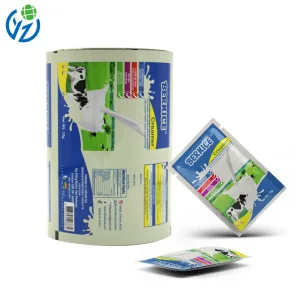
Explore our top food-grade plastic packaging products, laminated structures, and customizable stand-up pouches built to preserve product integrity and freshness.
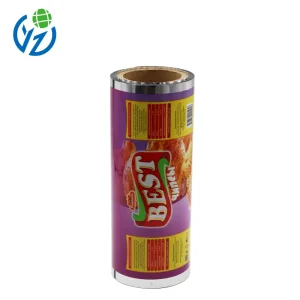
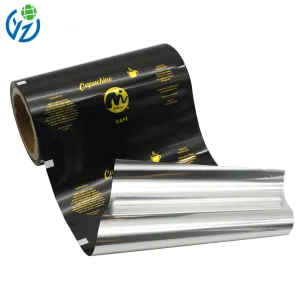
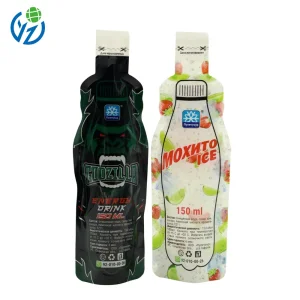
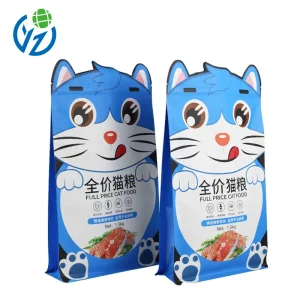
Established in 2001, Jieyang Yuanzhong Printing Co., Ltd. has developed over two decades of technical expertise in flexible packaging decoration, printing, and custom lamination processes. Located in the Jiedong District of Jieyang City, Guangdong Province, our factory stands at the heart of South China's polymer manufacturing cluster.
We specialized in high-performance plastic packaging bags, structural roll stocks, barrier pouches, and custom multi-layer laminates. Equipped with advanced machinery, including automatic gravure production lines and high-precision inspection tools, we offer stability and quality assurance for demanding industrial application environments globally.
Key technological shifts and regulatory impacts directing the evolution of flexible plastic structures.
Traditional multi-material structures (such as PET/PE or PET/AL/PE) present sorting and recycling challenges. The industry is rapidly pivoting toward high-barrier mono-material PE or PP structures that comply with circular economy principles while maintaining equivalent vapor and oxygen protection barriers.
Utilizing nano-coating technologies such as AlOx (Aluminum Oxide) and SiOx (Silicon Oxide) deposits on film substrates provides ultra-thin, transparent barrier properties. This technology enables glass-like barrier performance for foods requiring optical inspection while minimizing waste density.
Functional packaging now integrates scavenger films, anti-microbial coatings, and high-performance degassing valves. These elements optimize gas composition inside pet food and snack packs, actively extending shelf-life and preventing spoilage during trans-oceanic transit.
Critical parameters global procurement managers evaluate when auditing flexible packaging factories.
Critical measurement metrics include Oxygen Transmission Rate (OTR) and Water Vapor Transmission Rate (WVTR). High barrier requirements for dry foods must fall below 1.0 cc/m²/day and 1.0 g/m²/day respectively to maintain freshness.
Validation of raw materials against international regulatory criteria including FDA CFR 177.1520, EU Regulation No. 10/2011, and heavy metals limits (CONEG). Materials must be certified free of BPA, phthalates, and mineral oil hydrocarbons.
Ensuring heat seal strength (minimum 25 N/15mm), puncture resistance, COF (Coefficient of Friction) within 0.15 - 0.25 for automated fill lines, and reliable drop-test performance for large-volume pouches.
Adoption of modern gravure methodologies to maintain color consistency within a ΔE < 2.0 tolerance limit, guaranteeing sharp barcode scannability and faithful brand color presentation.
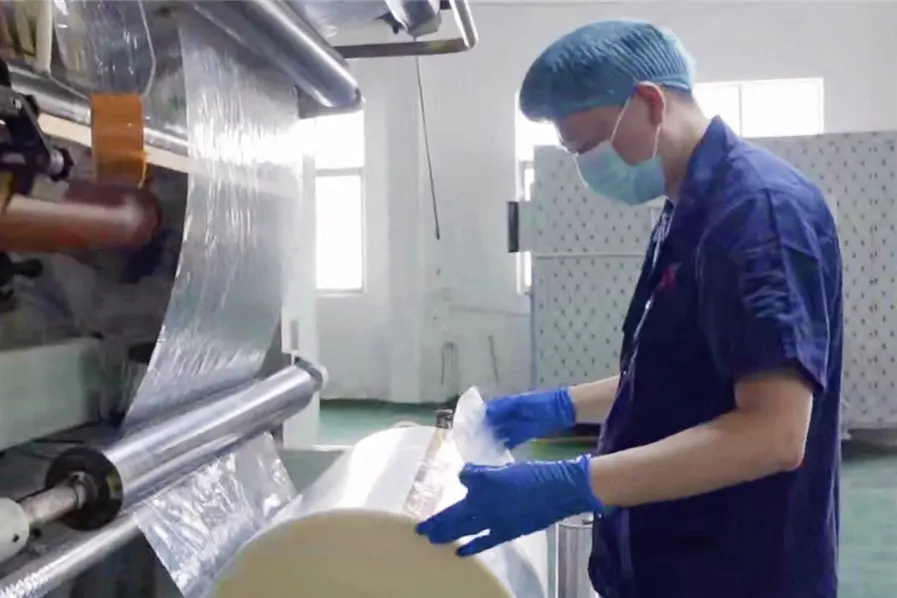
Yuanzhong Pack leverages the local industrial infrastructure of Jiedong District, Jieyang, combining raw material supply stability with modern automation systems. Our smart factory floor streamlines material routing from polymer extrusion to finished bag styles, insulating buyers against global market volatility.
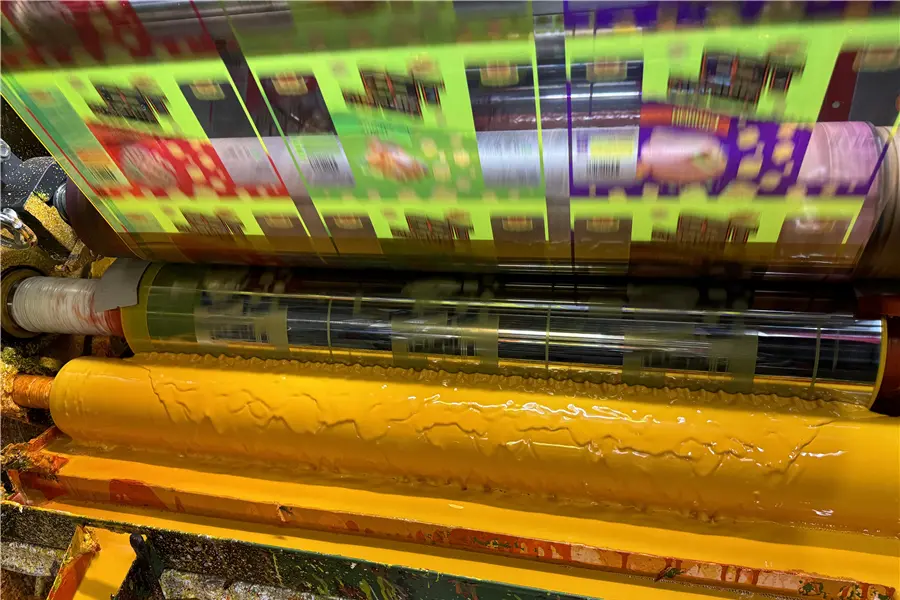
By implementing digital tension control systems and online inspection cameras on our gravure presses, we detect minute print and structural defects in real-time. The outcome is high operational precision, zero-waste processing runs, and rapid turnarounds for large-volume roll stock orders.
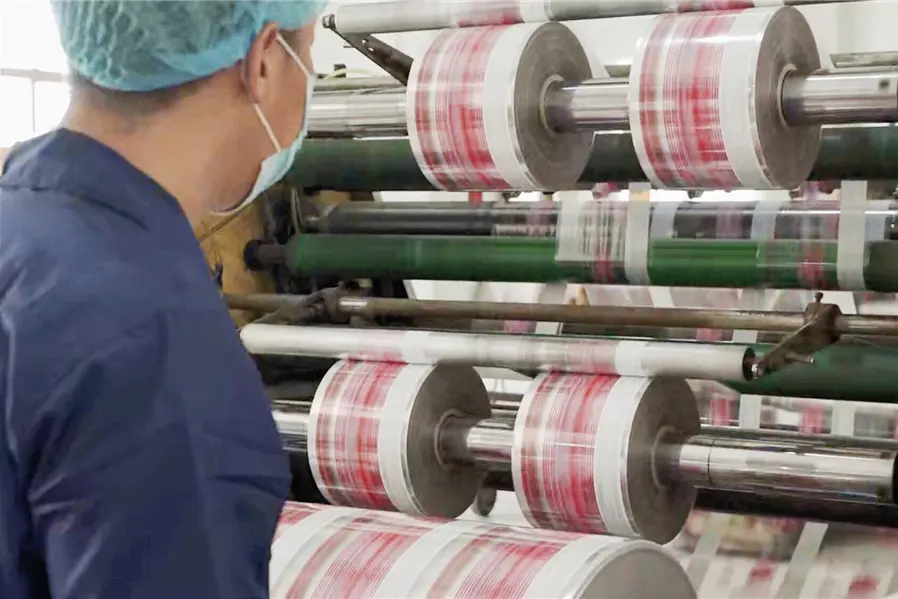
Our integrated manufacturing flow is engineered for high barrier performance, registration accuracy, and structural integrity.
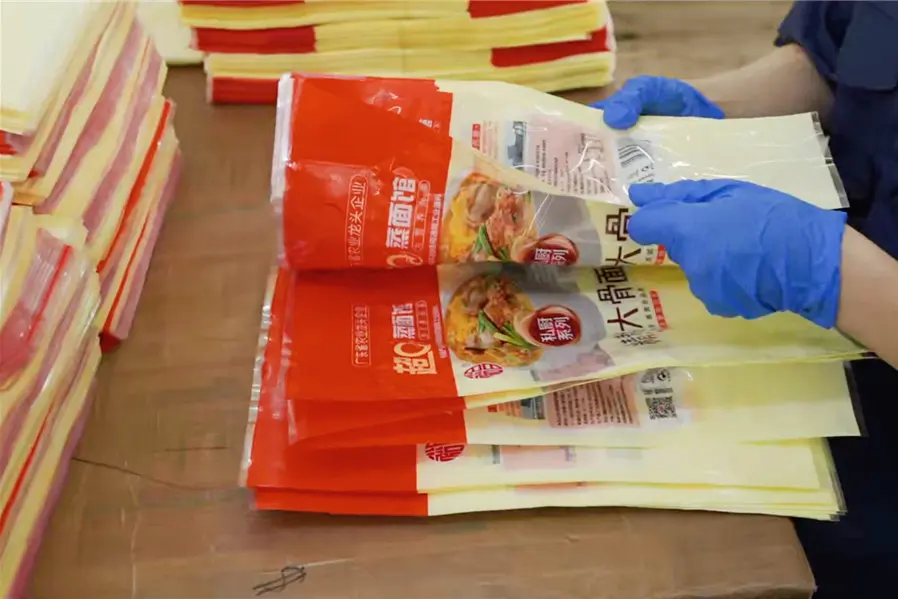
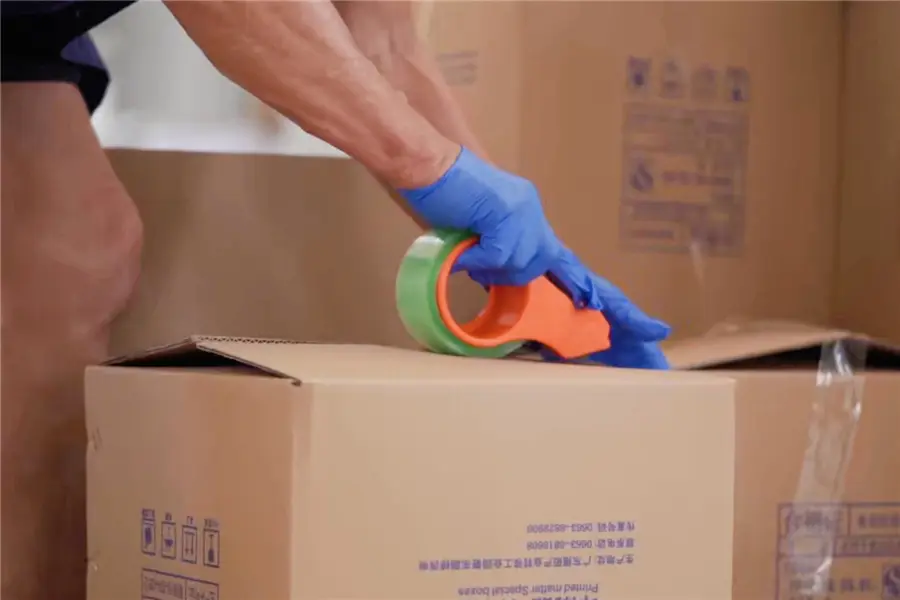
Tailoring physical properties and polymer layer configurations to distinct industry requirements.
Structure: PET / AL / LLDPE or Matte BOPP / VMPET / PE.
Feature: High oxygen and water barrier. Designed to resist sharp dry kibble punctures and isolate fats and aromatic oils, preventing oxidation and preserving nutritional profiles.
Structure: PET / AL / PE or PET / VMPET / LLDPE.
Feature: Custom-integrated one-way degassing valves to vent CO2 released by freshly ground coffee, while preventing external oxygen from entering and staling the coffee bean oils.
Structure: NY / LLDPE or PET / NY / PE.
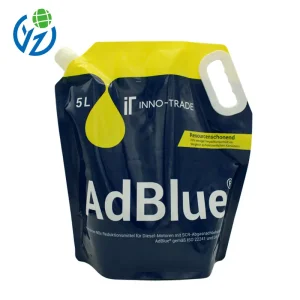
Feature: High puncture and drop impact resistance. Formulated with linear low-density polyethylene to withstand high burst forces during handling and transit, paired with leak-free spouts.
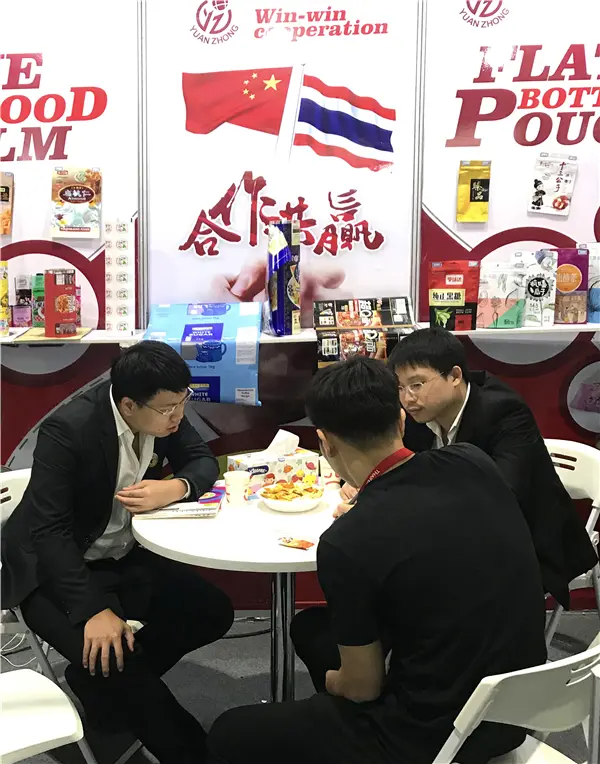
Exploring the World Through Exhibitions: A Journey Across More Than 10 Countries to showcase our latest innovations in high-barrier materials.
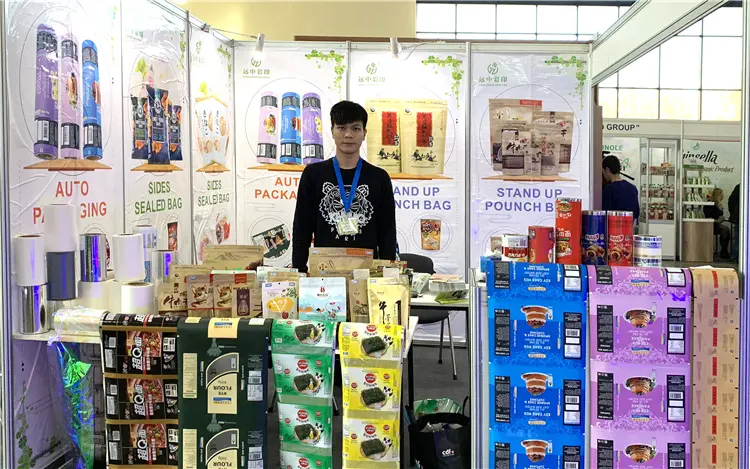
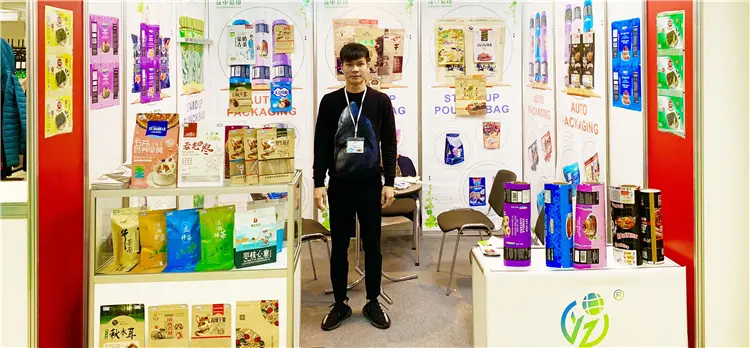
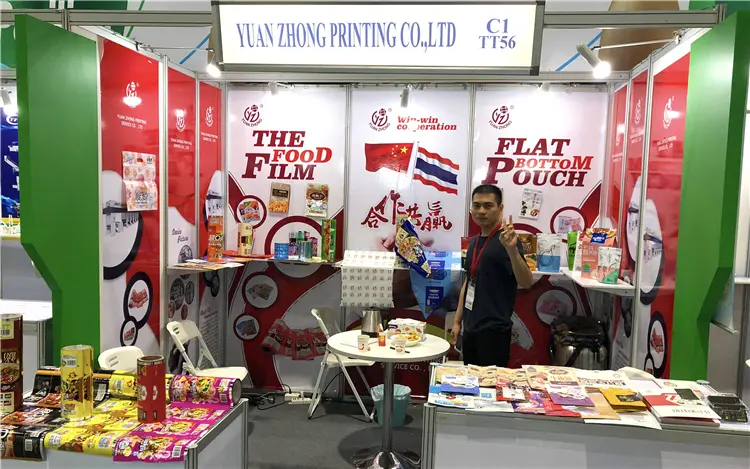
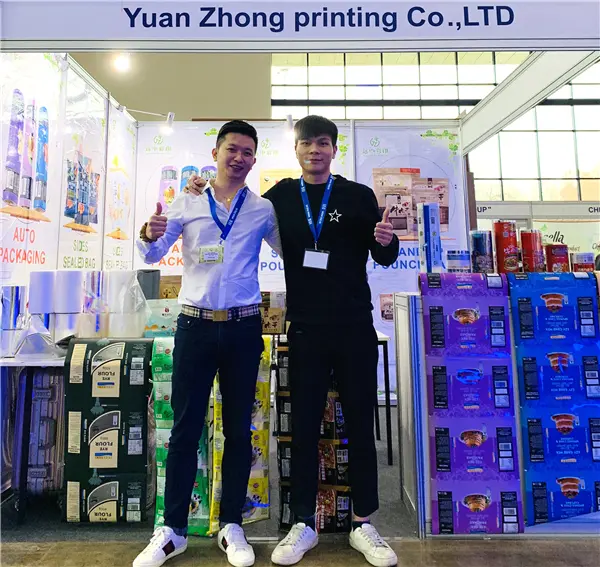
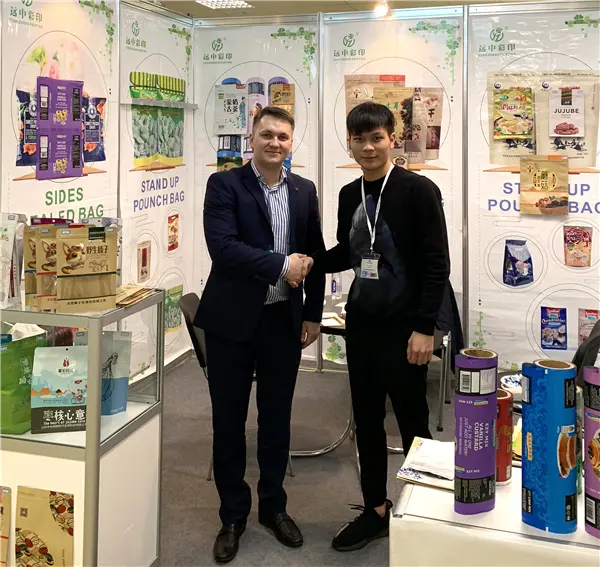
Cooperating with More Than 20 Brands: A Testament to Our Long-Term Commitment to Excellence and Industrial Quality Control.



Answers to complex material design, production parameters, and supplier capabilities.
For initial custom runs, typical production ranges between 15 and 20 days. This encompasses cylinder engraving/gravure plate preparation (3-5 days), printing and lamination processing, curing to ensure low solvent retention (7-10 days), and final bag forming or slitting. Subsequent repeat orders without design changes bypass cylinder preparation, reducing processing time to 10-15 days.
We source virgin, non-recycled polymer resins (BOPP, PET, PE, CPP) only from certified chemical manufacturers. All input film suppliers must provide food-contact certification documents (such as FDA compliance and EU 10/2011 documentation). Additionally, we use toluene-free and ketone-free inks during gravure printing, and execute solvent-free lamination processes to keep volatile organic compound (VOC) residues below the strict international thresholds for food contact.
Yes, we offer two main sustainable packaging options. First, we produce 100% recyclable mono-material structures (such as MDO-PE/PE or BOPE/PE laminate systems) which can be routed directly into established PE recycling collection programs. Second, we can construct bags using compostable PLA/NKME materials that decompose in industrial composting facilities. Both styles can be printed using eco-friendly water-based inks.
Every batch undergoes routine lab-scale validation. Tests include: ASTM F88 tensile sealing strength tests (verifying seals exceed 20 N/15mm), ASTM D3078 bubble emission vacuum leak detection, drop impact testing for spouted liquid configurations, and oxygen and water vapor transmission rate monitoring (OTR/WVTR) via gas chromatography tools.
Gravure printing uses direct cell ink transfer from a chrome-plated steel cylinder, allowing for thick ink application and high color density. Unlike flexo, which uses rubber plates that can shift or wear down, gravure cylinders are highly durable and retain precision over millions of impressions. This ensures excellent color consistency (ΔE < 2.0) and high image resolution across large-volume production runs.
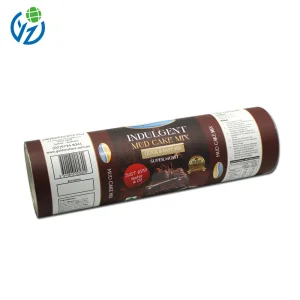
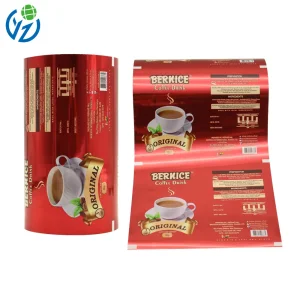
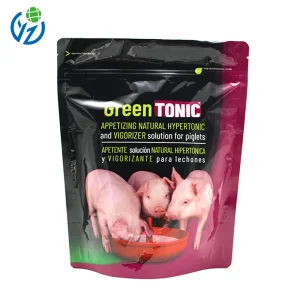
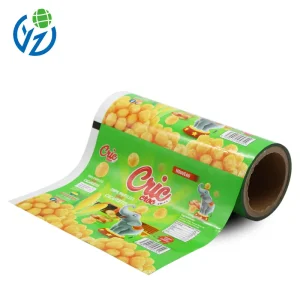
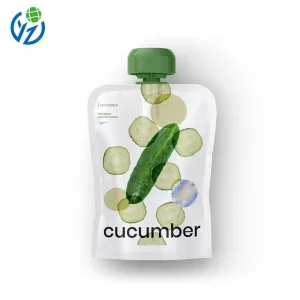
More food-grade composite film roll stocks, spout bags, and high-barrier structures manufactured at our Guangdong facility.
 Yuanzhong Printing