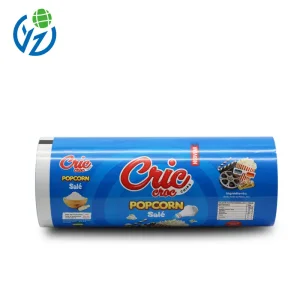
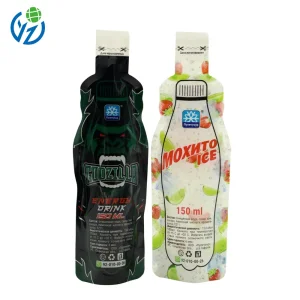
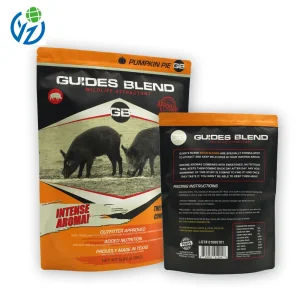
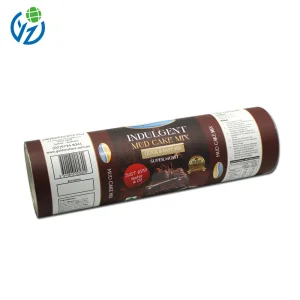
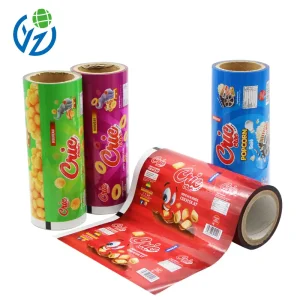
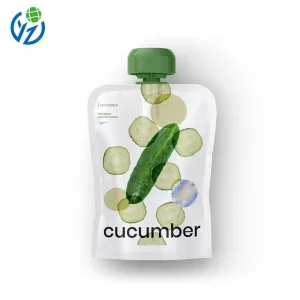
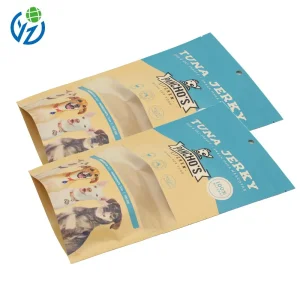
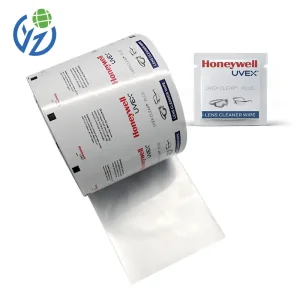
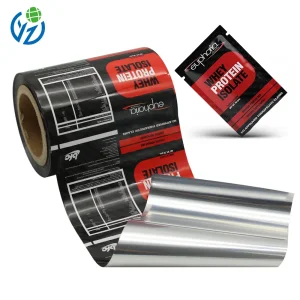
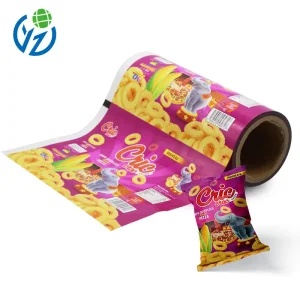
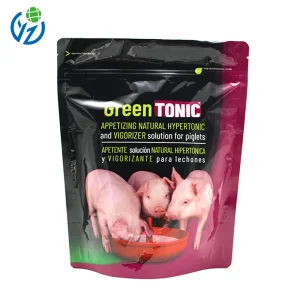
Direct supply from our ISO-certified manufacturing facility with state-of-the-art gravure capabilities.
In modern industrial packaging engineering, the term "Retort Pouch" signifies a breakthrough in thermal preservation. Specifically, a retort pouch is a specialized, multi-layered flexible packaging format constructed from advanced laminate films. It is engineered to withstand extreme thermal processing temperatures—typically ranging from 121°C to 135°C (250°F to 275°F)—under controlled pressure inside a retort chamber (autoclave). This sterilization process eliminates pathogenic microorganisms, achieving a commercially sterile state that preserves shelf-stable food products for months or even years without refrigeration.
Unlike standard packaging, a retort pouch behaves like a flexible metal can. It combines the barrier properties of traditional metal cans or glass jars with the structural versatility, light weight, and cost efficiency of plastic films. Understanding the retort pouch meaning requires looking deep into its polymer science and thermal dynamic design. A failure in any layer during the thermal sterilization cycle can lead to delamination, micro-leaks, and eventual biological spoilage of the contents. Consequently, high-performance retort pouches demand strict raw material selection and precise multi-pass lamination.
“The fundamental value of a retort pouch lies in its ability to undergo autoclaving, providing commercial sterility for high-risk, low-acid foods (such as meat, seafood, ready-to-eat meals, and wet pet foods) while retaining structural seal strength and oxygen-barrier integrity.”
A standard high-performance retort pouch is constructed using a 3-layer or 4-layer laminate composite. Each layer plays a distinct role in protecting the product, surviving the heat, and maintaining seal integrity:
| Layer Type | Common Material Selection | Primary Function & Characteristics |
|---|---|---|
| Outer Layer (Print Substrate) | PET (Biaxially Oriented Polyethylene Terephthalate) | High thermal resistance, protects print ink, provides physical stability and gloss/matte aesthetics. |
| Support / Barrier Layer | BOPA (Nylon) | Exceptional puncture and abrasion resistance; mitigates stress cracking during transport and retort processing. |
| Core Barrier Layer | AL (Aluminum Foil) or Clear SiOx/AlOx | Provides a near-zero MVTR (Moisture Vapor Transmission Rate) and OTR (Oxygen Transmission Rate) to block light, gas, and contaminants. |
| Inner Sealing Layer | RCPP (Retort Cast Polypropylene) | Food-contact grade, extremely heat-sealable, chemically inert, and remains structurally stable under retort heat and pressure. |
A global leader in packaging decoration printing and plastic packaging bag processing, serving 30+ countries.
Our facility is situated in the Jiedong District of Jieyang City, Guangdong Province. Equipped with cutting-edge production technologies—including fully automatic Japanese Komori printing lines—we specialize in customized high-barrier packaging solutions that comply with global safety standards.
The demand for retort packaging is accelerating worldwide, driven by the consumer shift towards convenient, ready-to-eat (RTE) meals, organic processed soups, and high-moisture pet food (wet canned-food alternatives). In regions like North America and Europe, the packaging footprint is moving away from rigid tin plate cans to reduce carbon footprints in transit. Since flexible retort pouches are lightweight and pack tightly, they minimize transportation-related energy costs.
In Asian markets, particularly in China and Japan, retort pouches are integral to localized fast-food networks, emergency disaster relief, and pasteurized seafood preservation. Standard shapes, stand-up structures, and spouted pouch variants enable brands to stand out on grocery shelves while maintaining strict food hygiene.
Additionally, specialized medical applications use retort-like sterilization bags to protect surgical instruments, medical cotton pads, and pharmaceutical compounds that require high-temperature sterilization.
China's packaging manufacturing ecosystem, particularly in Guangdong Province, offers unmatched supply chain consolidation. At Jieyang Yuanzhong Printing, we harness these local industrial factors to deliver superior cost-efficiency without sacrificing quality:
Our production workflow is optimized for quality control, leveraging high-grade gravure printing technologies.
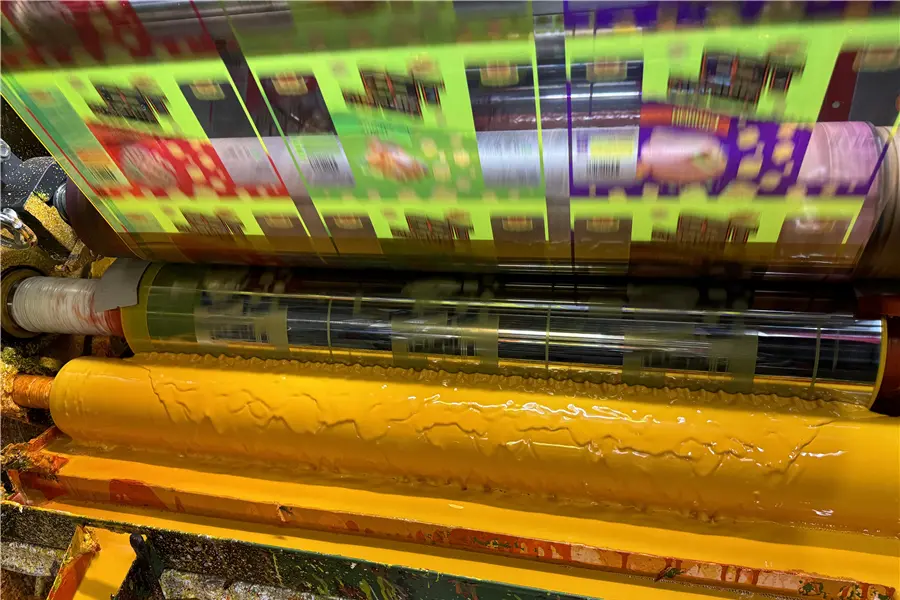
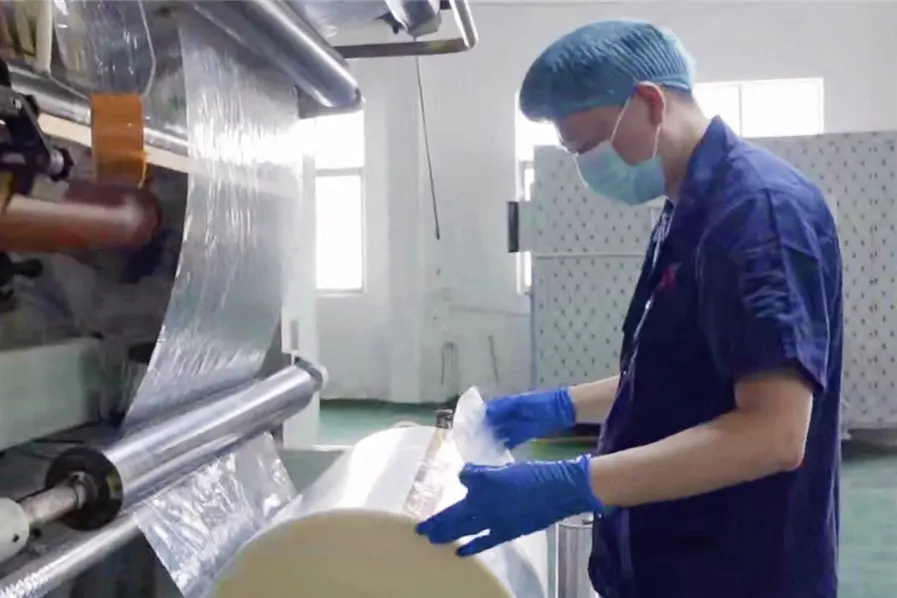
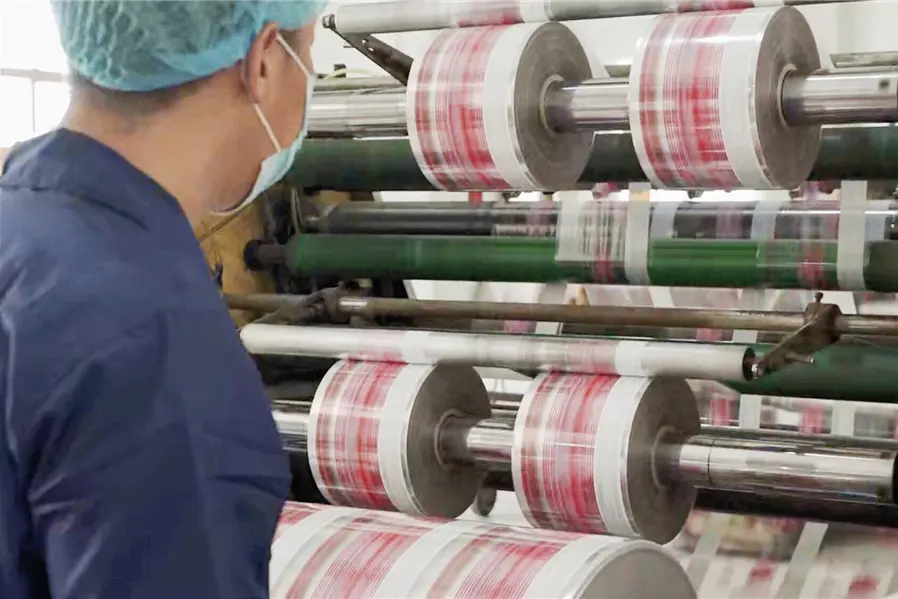
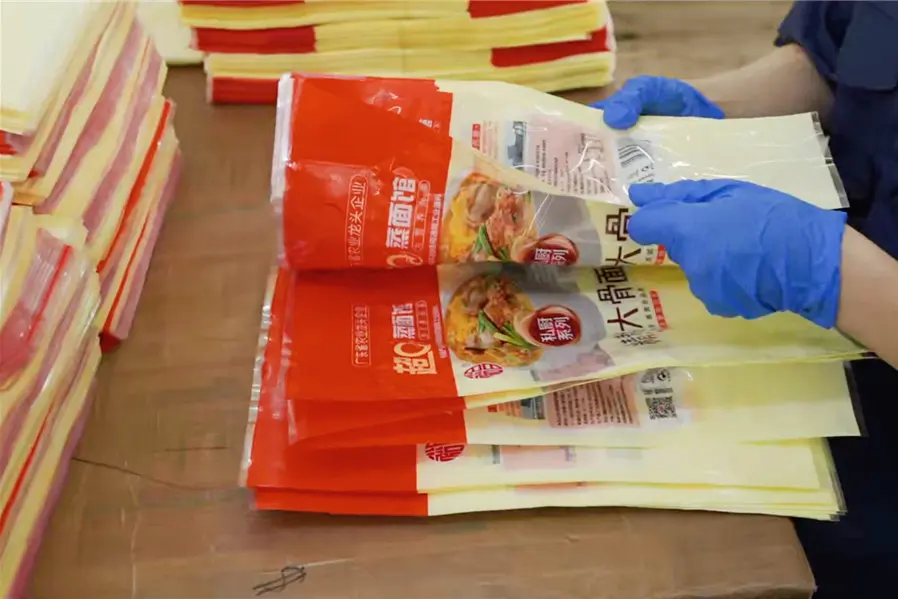
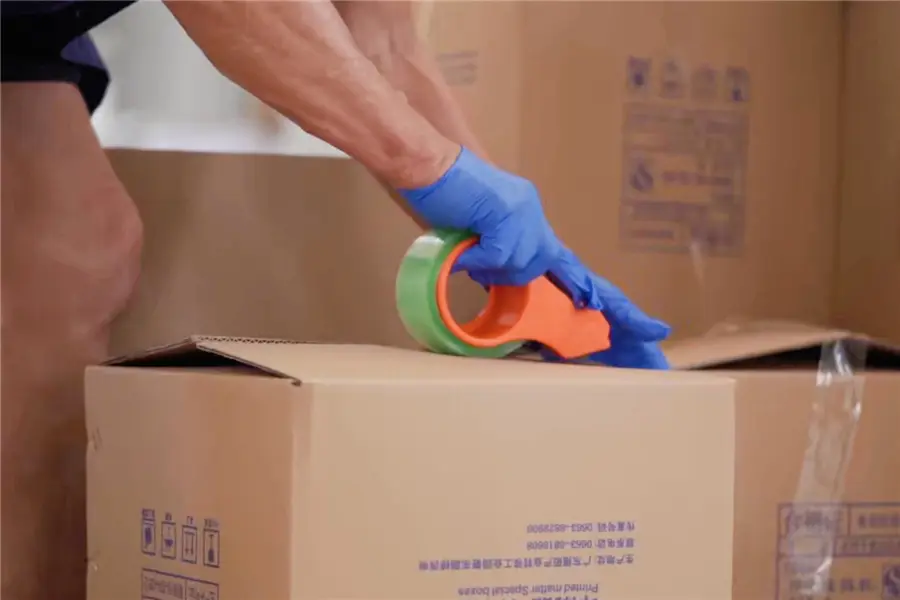
As a core printing technology, gravure printing plays an essential role in printing and packaging. It delivers thick ink layers, vibrant colors, high saturation, and durable plate life. These elements ensure stable print quality and rapid production speeds for custom branding campaigns.
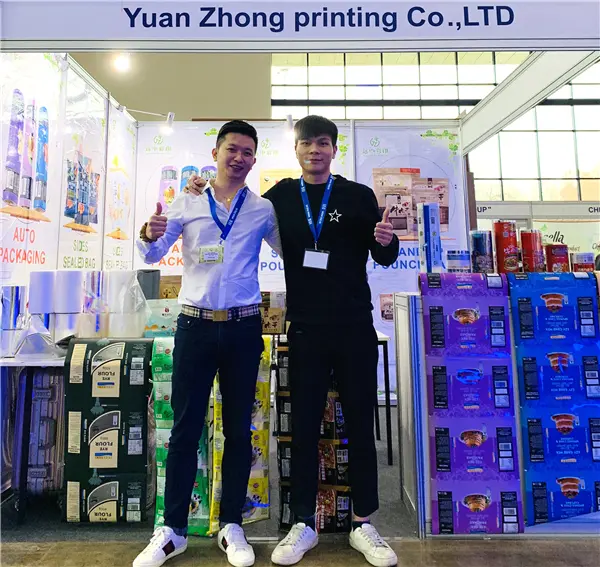
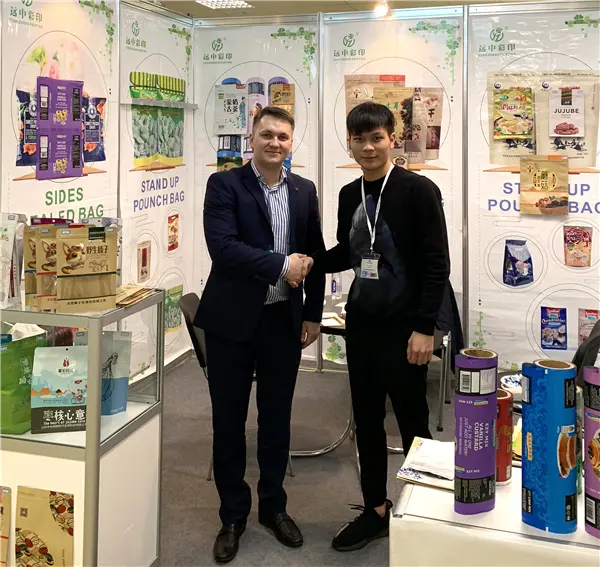
Exploring the World Through Exhibitions: A Journey Across More Than 10 Countries
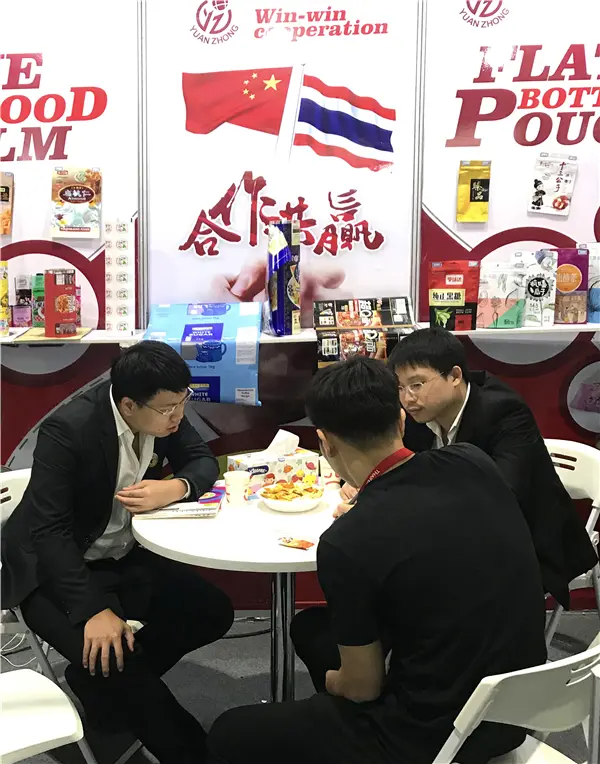
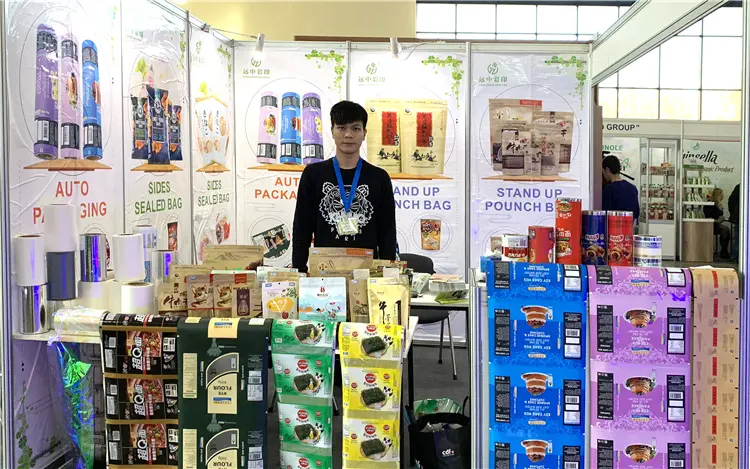
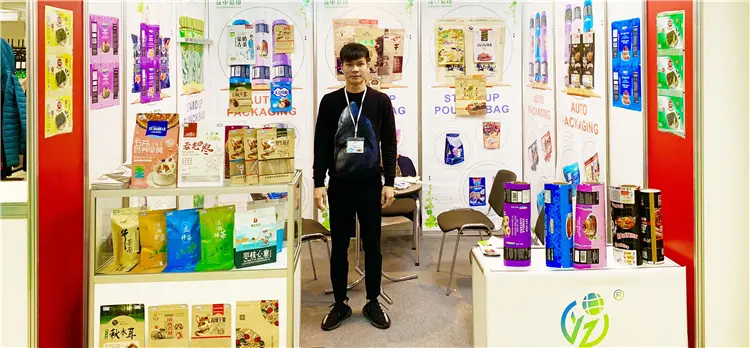
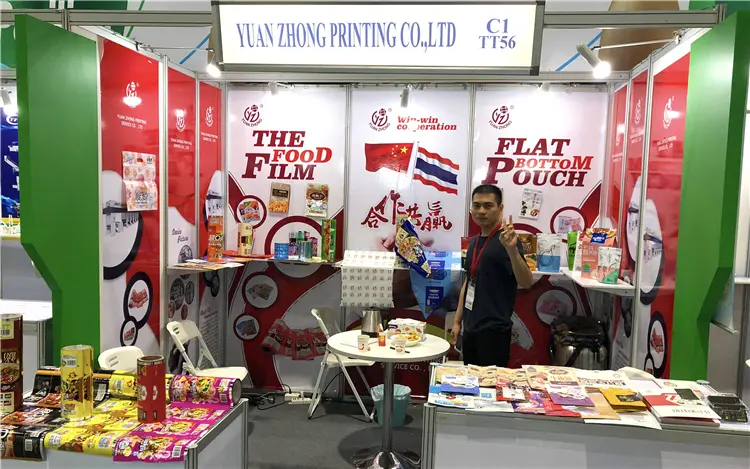
Cooperating with More Than 20 Brands: A Testament to Our Commitment to Excellence








When sourcing custom retort pouches, global procurement managers must evaluate several technical metrics to ensure compatibility with their processing equipment and sterilization chambers. We recommend focusing on the following core specifications:
At Jieyang Yuanzhong Printing, our laboratory conducts comprehensive tests on burst pressure, tensile strength, and residual solvent levels. This systematic quality assurance ensures that every delivery complies with international standards, protecting both product quality and consumer safety.
Technical and commercial answers to help streamline your procurement decisions.
Explore our industrial rolls and eco-friendly pouch packaging, manufactured under strict quality controls.
 Yuanzhong Printing