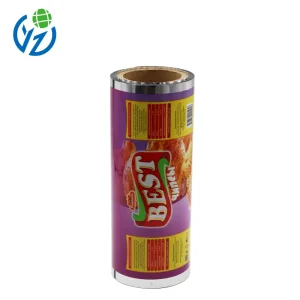
Custom Pouch Seal Manufacturer & Supplier

Engineered High-Barrier Structures and Hermetic Heat-Sealing Technology for Global Industrial & Food Grade Packaging Systems.

Technical Whitepaper: Pouch Seal Engineering & Structural Properties

An in-depth analysis of high-performance barrier laminates, hermetic seal integrity, and global compliance.

>20 Yrs
Manufacturing Expertise
240+ T/M
Production Capacity
30+
Exporting Countries
100%
Quality Assurance

1. The Physics and Chemistry of Custom Pouch Sealing

Flexible packaging sealing relies heavily on the thermal dynamics of multi-layer laminates. Achieving a hermetic seal prevents volatile organic compounds, oxygen, and water vapor from compromising the contents. Typical structures incorporate a PET outer layer for printability, a middle metalized barrier (AL or VMPET) for light and gas insulation, and a linear low-density polyethylene (LLDPE) or cast polypropylene (CPP) internal sealant layer. During sealing processes, thermodynamic equilibrium must be maintained across the sealing bars. Variations in seal bar temperature, dwell time, and pressure can alter the mechanical strength of the seal seam, potentially causing stress-induced micro-fractures.

2. Advanced Lamination Technology and Barrier Metrics

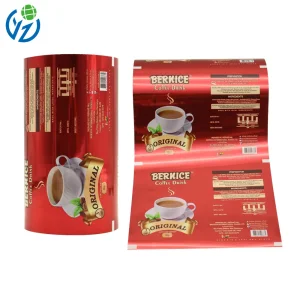
The efficiency of a pouch seal is measured by its Water Vapor Transmission Rate (WVTR) and Oxygen Transmission Rate (OTR). High-barrier pouch seals produced at Jieyang Yuanzhong Printing Co., Ltd. leverage advanced solventless lamination machinery. Solventless lamination ensures that no volatile organic compounds remain trapped between the polymer layers, guaranteeing absolute food safety. For oxygen-sensitive products like roasted coffee beans, integrating aluminum foil layers lowers the OTR to < 0.1 cc/m²/24h, preventing oxidative degradation of lipid compounds and maintaining fresh aroma profiles.

Optimal Seal Window

Carefully managed heat levels (150°C - 210°C) prevent polymer crystallization at the sealing zone, ensuring long-term shelf stability.

Hermetic Reliability

Undergoes rigorous burst testing (ASTM F1140) to guarantee seal strength under extreme shipping pressure and high altitudes.

Eco-Friendly Mono-PE

Innovative mono-material designs simplify recycling pipelines while delivering the gas barrier performance of conventional multi-material films.

3. Macro-Industry Solutions and Localized Application Scenarios

Custom pouch sealing solutions require tailormade engineering to match specific industry workflows:

  • Food Grade Snack Packaging: Gas flushing (nitrogen purge) is critical during sealing to protect fragile snacks (e.g., potato chips) from crushing while eliminating oxygen to prevent rancidity.
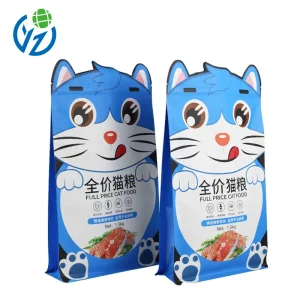
  • Pet Food Systems: Heavy-duty wet or dry pet food packaging requires thick, high-puncture-resistant co-extruded films to handle abrasive kibbles and retain moisture. Seals must withstand thermal processing and retard retort sterilization.
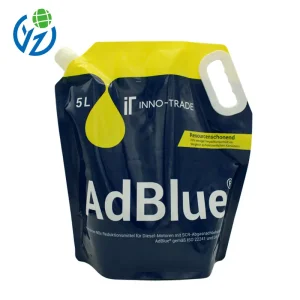
  • Liquid & Spouted Closures: Utilizing multi-layer polymers designed for drop-resistance, our 5L liquid packaging spout bags offer a secure option for sauces, purees, and chemical formulas. Custom spouts are welded using ultrasonic sealers to ensure zero leaking at the plastic-spout junction.

About Jieyang Yuanzhong Printing Co., Ltd.

Your Trusted Private Enterprise Partner with Over 20 Years of Specialized Flexible Packaging Manufacture.

Established in 2001 in the Jiedong District of Jieyang City, Guangdong Province, China, Jieyang Yuanzhong Printing Co., Ltd. has grown to become a recognized leader in the global packaging printing industry. With over two decades of dedicated refinement, we specialize in high-quality packaging decoration printing alongside the custom manufacture of multi-layered plastic packaging bags and laminated roll films.

Our commitment to cutting-edge technology and strict quality standards is reflected in our advanced production facilities. Equipped with top-tier machinery, including Japan Komori fully automatic printing lines, we maintain a monthly output capacity exceeding 240 tons. This high output allows us to fulfill large-scale orders from brand owners and distributors across 30+ countries while maintaining consistent precision.

We pride ourselves on offering tailor-made packaging solutions. From custom pouch designs to complex laminate compositions, our in-house engineering and design teams work directly with global clients to turn concept renders into robust, shelf-ready packaging.

Our Structural Manufacturing Process

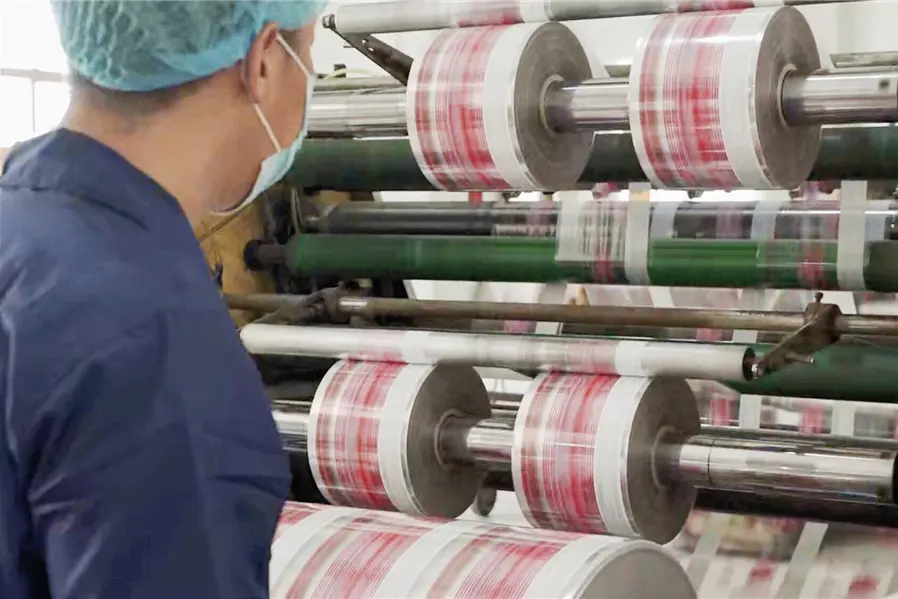
Using gravure printing technology to deliver excellent color saturation, fast printing speeds, and stable composite seals.
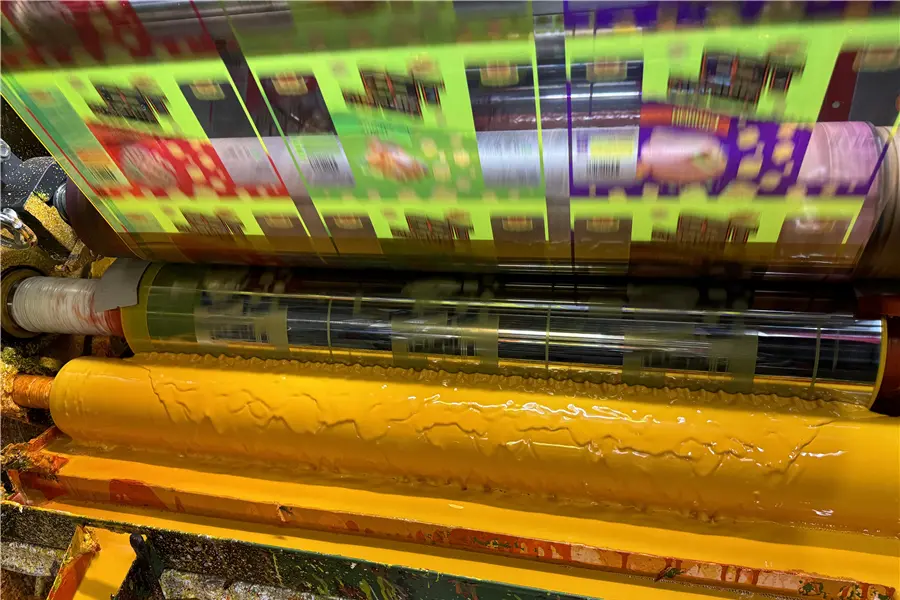
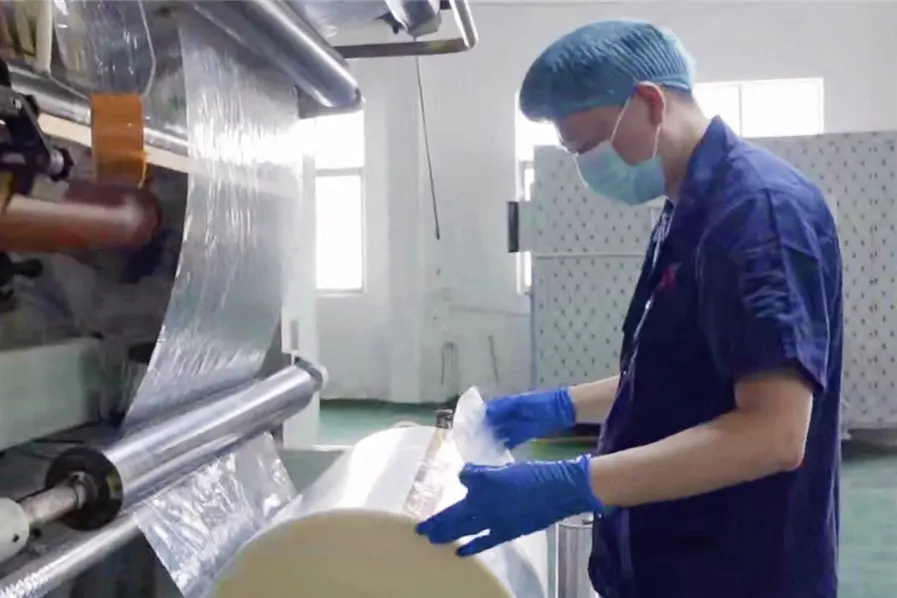
Printing Process

Printing

Composite Lamination Process

Composite

Slitting Process

Slitting

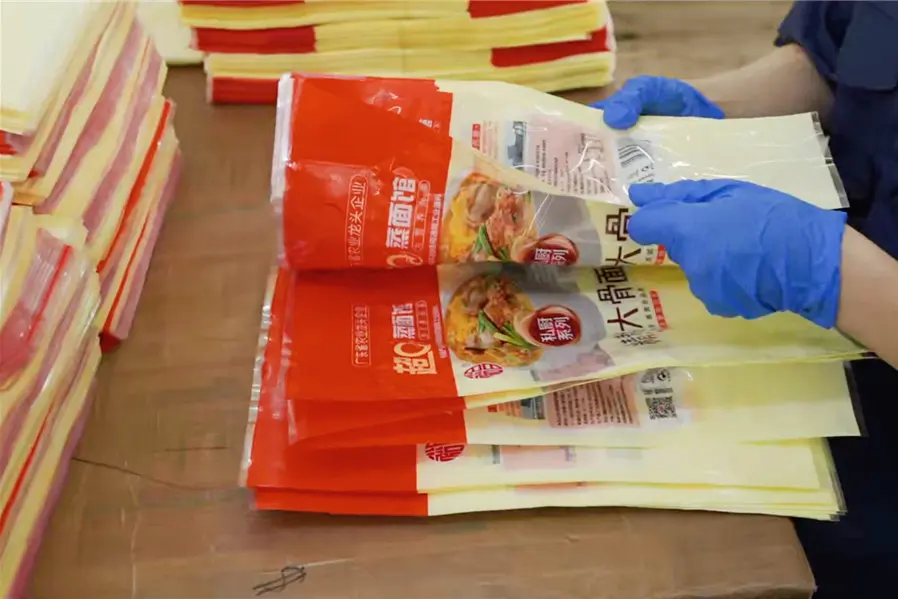
Bagging Process

Bagging

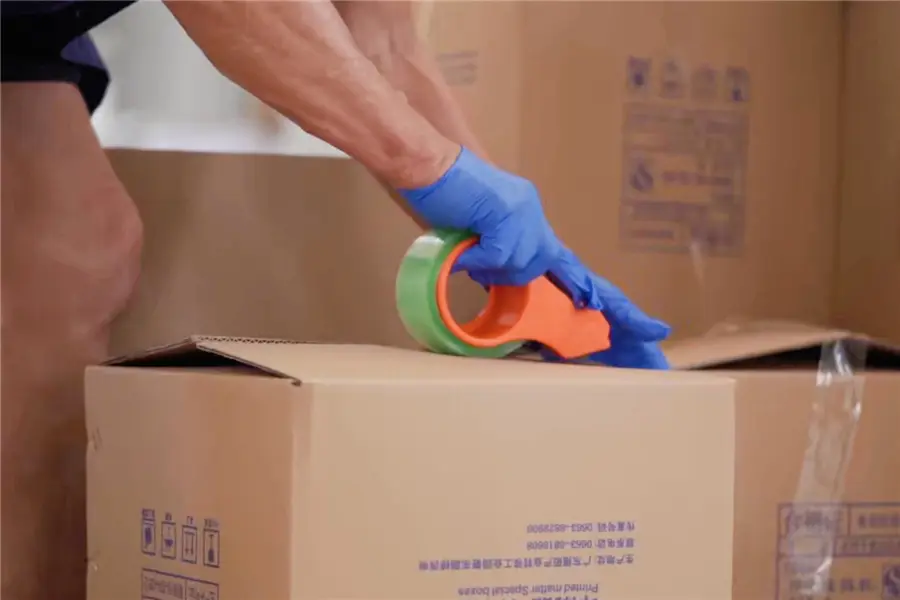
Packing Process

Packing

Supply Chain Advantages of Chinese Pouch Manufacturers

Why procurement teams choose our Jieyang facility for global distribution and inventory management.

Sourcing packaging materials from South China’s packaging hubs, particularly Jieyang City, provides significant supply chain advantages for global companies:

  • Technological Infrastructure: We invest in high-efficiency, fully automatic Japanese Komori printing lines and advanced computerized inspection systems. Our gravure printing capabilities offer precise registration, rich color depth, and lower waste percentages compared to older machinery.
  • Integrated Chemical Supply Chain: Our facility benefits from direct access to raw resins, polymer additives, and custom adhesive formulations. This localization lowers overall material costs, allowing us to offer competitive pricing without sacrificing lamination bond strength.
  • Logistics Advantage: Situated near major shipping routes, we provide flexible transport options including ocean freight, air express, and rail shipping. This setup helps reduce lead times for custom orders down to 14–21 business days.

Global Procurement Framework and Quality Auditing

When auditing a pouch supplier, procurement managers must evaluate several technical criteria. Key metrics include coefficient of friction (COF), inter-ply bond strength (measured in N/15mm), residual solvents level (mg/m²), and seal window performance under high speeds. We provide full traceability documentation, third-party lab testing certificates, and food-contact compliance reports (FDA, EU regulations) to verify the safety and compliance of every production run.

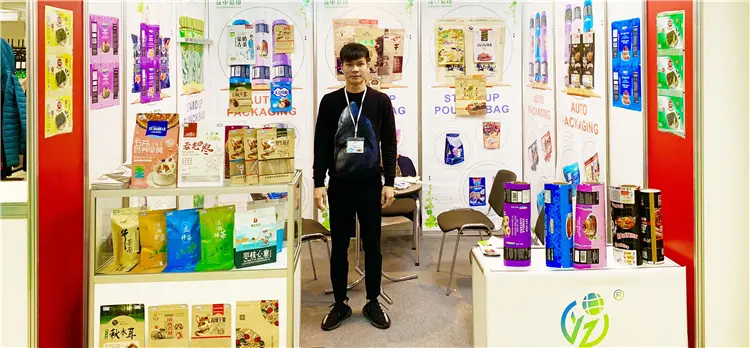
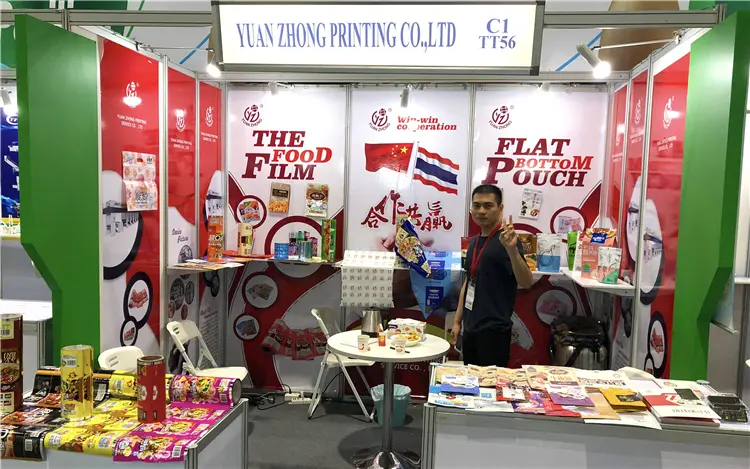
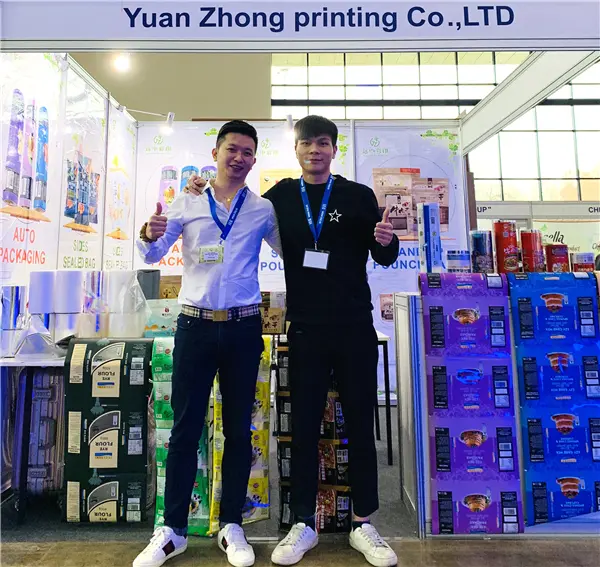
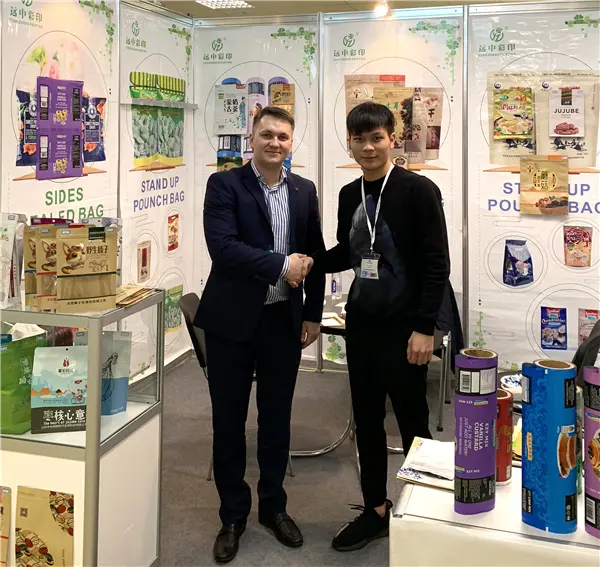
Exhibition Directory

Connecting with partners globally across more than 10 countries.
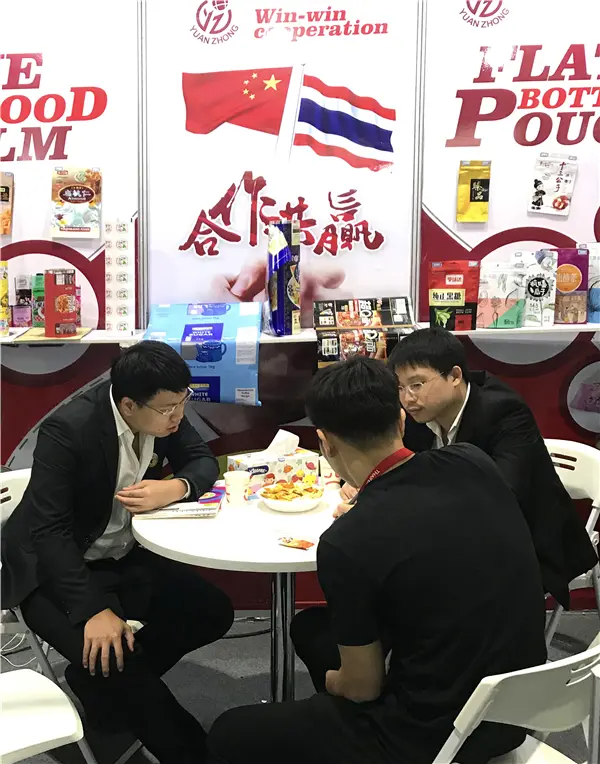
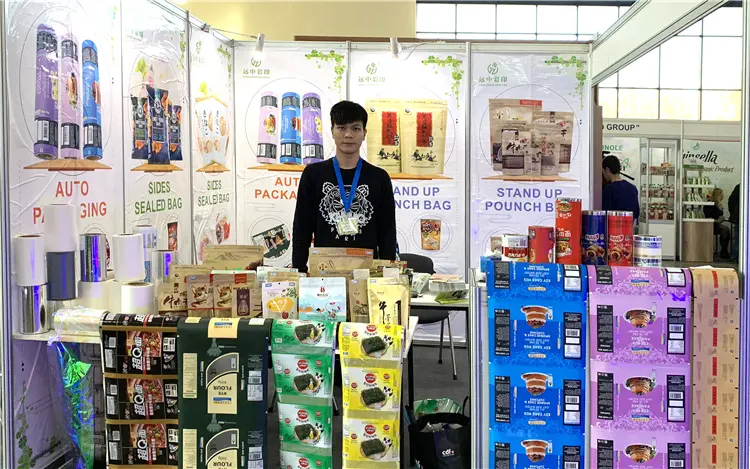
Exhibition Presence

International Trade Fair

Exhibition Booth

Global Packaging Show

Exhibition Showcase

Innovative Packaging Expo

Exhibition Hall

Food Packaging Forum

Exhibition Display

Global Partners Exhibition

Exhibition Interactive Session

Export Trade Exhibition

Cooperative Brands

Partnering with more than 20 global brands to deliver high-performance packaging solutions.

Partner Brand 1
Partner Brand 2
Partner Brand 3
Partner Brand 4
Partner Brand 5
Partner Brand 6
Partner Brand 7
Partner Brand 8
Partner Brand 9
Partner Brand 10
Partner Brand 11
Partner Brand 12
Partner Brand 13
Partner Brand 14
Partner Brand 15
Partner Brand 16

Custom Pouch Sealing FAQ

Technical answers to common questions about flexible barrier laminates, sealing tolerances, and material choices.

Q1: What parameters dictate a perfect hermetic pouch seal?
A1: Hermetic heat sealing depends on three key parameters: temperature, dwell time, and pressure. The sealing material (e.g., LLDPE or CPP) must reach its melting point without degrading. Dwell time must allow for heat transfer across the layers, and pressure must remain constant to create a flat, void-free seam.
Q2: How does Yuanzhong Pack ensure food-grade safety and compliance?
A2: We use FDA-compliant, food-contact safe raw resins and solventless lamination technology. Solventless lamination prevents chemical migration and residual odors, ensuring that our products meet European and FDA packaging standards.
Q3: What are the differences between Aluminum Foil and VMPET in custom pouches?
A3: Pure Aluminum Foil (AL) offers near-zero gas and moisture transmission, making it ideal for high-barrier requirements (like coffee or vacuum packaging). Metallized Polyester (VMPET) provides cost-effective medium-to-high barrier protection with good puncture resistance, but does not match the absolute barrier properties of solid metal foil.
Q4: Can you produce sustainable and recyclable stand-up pouches?
A4: Yes, we offer mono-PE (monomaterial) recyclable pouches and biodegradable Kraft paper composites. These solutions feature EVOH barriers that protect your product while remaining compatible with regional plastic recycling systems.
Q5: How do you verify sealing strength and drop performance for liquid spout bags?
A5: We run mechanical testing on every batch, including ASTM F88 seal peel tests, burst testing, and drop test protocols. This process ensures that high-volume containers, such as our 5L liquid spout bags, will not leak under transportation stresses.
Q6: What is the benefit of Japanese Komori printing machinery for our pouch designs?
A6: Japan Komori fully automatic printing lines offer high-precision registration (within ±0.1mm) and fast speeds. This translates to consistent color matching, clear graphics, and highly efficient production timelines for large commercial orders.