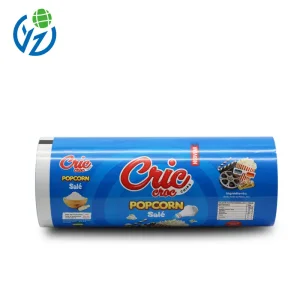
Explore our state-of-the-art flexible polymer laminates, custom stand-up pouches, and barrier films designed for maximum preservation and aesthetics.
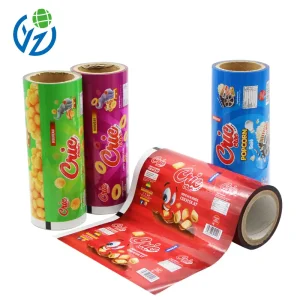
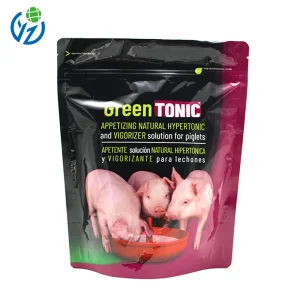
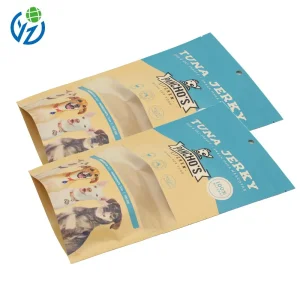
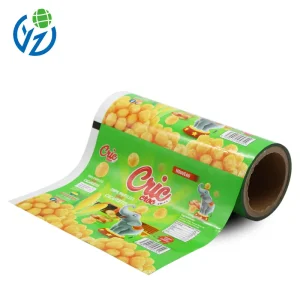
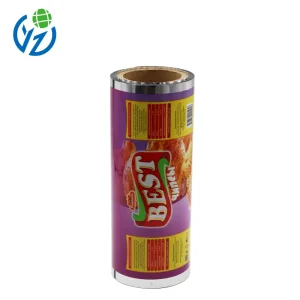
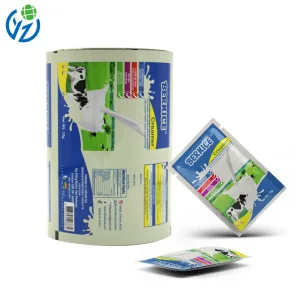
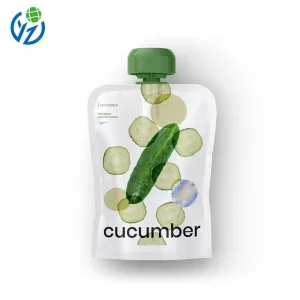
In the contemporary globalized supply chain, flexible barrier packaging serves as a critical vector for product integrity, shelf-life expansion, and brand differentiation. Polythene (polyethylene) bags and laminates are no longer viewed as mere commoditized vessels. Rather, they represent highly engineered chemical structures designed to mitigate degradation mechanisms such as oxidation, light infiltration, and moisture transmission. Globally, fast-moving consumer goods (FMCG), agricultural, pharmaceutical, and electronic sectors demand extreme performance profiles from custom polythene manufacturers. In Western Europe and North America, stringent regulatory environments regarding plastic circularity have shifted technical interest toward mono-material PE structures, high-performance LLDPE polymers, and post-consumer recycled (PCR) blends. Concurrently, the Asia-Pacific region dominates production capabilities, aligning deep industrial manufacturing capacity with highly integrated supply chains to provide optimized cost-to-performance ratios for global shipping.
Industrial applications dictate specific, high-barrier configurations. From vacuum-sealed agricultural protective bags to multi-layered high-barrier laminated packaging for pet foods and chemical powders, custom polythene bags are synthesized to match the specific thermodynamic and kinetic criteria of the packaged goods. As a premier partner in the polymer conversion space, Jieyang Yuanzhong Printing Co., Ltd. integrates advanced co-extrusion technology, precise compound laminations, and premium gravure printing to fulfill these sophisticated market needs.
Understanding the molecular configuration of polyethylene variants is fundamental to selecting the correct flexible packaging configuration. Low-Density Polyethylene (LDPE) features a highly branched molecular structure, yielding superior flexibility, high clarity, and ease of thermal sealing, making it the primary choice for boutique packaging, garment protection, and simple agricultural wraps. Linear Low-Density Polyethylene (LLDPE), characterized by its linear backbone with short, uniform branching, exhibits significantly higher tensile strength, puncture resistance, and elongation characteristics under stress. For high-stress applications, such as heavy-duty bulk material handling, or sharp-edged food components (e.g., bone-in poultry or crystalline chemical granules), LLDPE is blended into the film formula to prevent puncture failure.
For high-barrier food packaging, mono-layer PE films are insufficient due to their high oxygen permeability. To counteract this, modern manufacturers deploy multi-layer laminated co-extrusions, sandwiching specialized barrier resins such as Ethylene Vinyl Alcohol (EVOH), oriented polyamide (OPA/Nylon), polyester (PET), or aluminum foil (AL) between protective PE skin layers. PE acts as the primary heat-sealable layer, providing high seal strength and chemical inertness, while the secondary layers prevent gas transmission. At Jieyang Yuanzhong Printing Co., Ltd., we specialize in configuring these customized laminations, ensuring optimal barrier metrics (Oxygen Transmission Rate - OTR and Water Vapor Transmission Rate - WVTR) tailored specifically to client shelf-life requirements.
A Legacy of Quality, Customization, and Technological Precision in Flexible Packaging Manufacture
Established in 2001 in the Jiedong District of Jieyang City, Guangdong Province, China, Jieyang Yuanzhong Printing Co., Ltd. has established itself as an authoritative leader in the plastic packaging and decorative printing sectors. With a comprehensive industrial footprint built over two decades, our private enterprise has mastered the complexities of polymer conversion and print engineering. Our commitment to delivering high-performance flexible packaging is backed by massive capital investments in advanced mechanical assets, including the renowned Japanese Komori fully automatic printing production lines. This allows us to scale production up to a monthly output exceeding 240 metric tons, while sustaining tight dimensional tolerances and crisp color control.
Our operational philosophy is anchored on custom engineering. We recognize that no two products share the same physical, biological, or chemical preservation profile. Consequently, we work closely with brand owners, distributors, and logistics firms to design custom polythene bags and films that precisely match requirements for gas barrier properties, mechanical toughness, and visual brand identity. Leveraging a highly efficient export framework, we regularly ship custom pouches, roll stock films, and food-grade barriers to clients across more than 30 countries worldwide, cementing our reputation as a trusted international supplier.
Underneath every high-quality flexible package lies a highly calibrated sequence of mechanical and chemical steps.
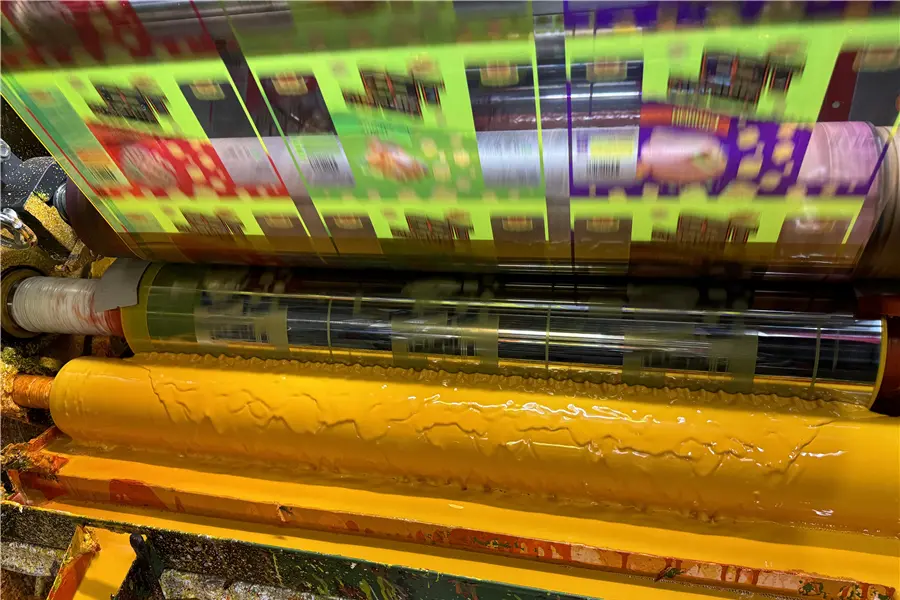
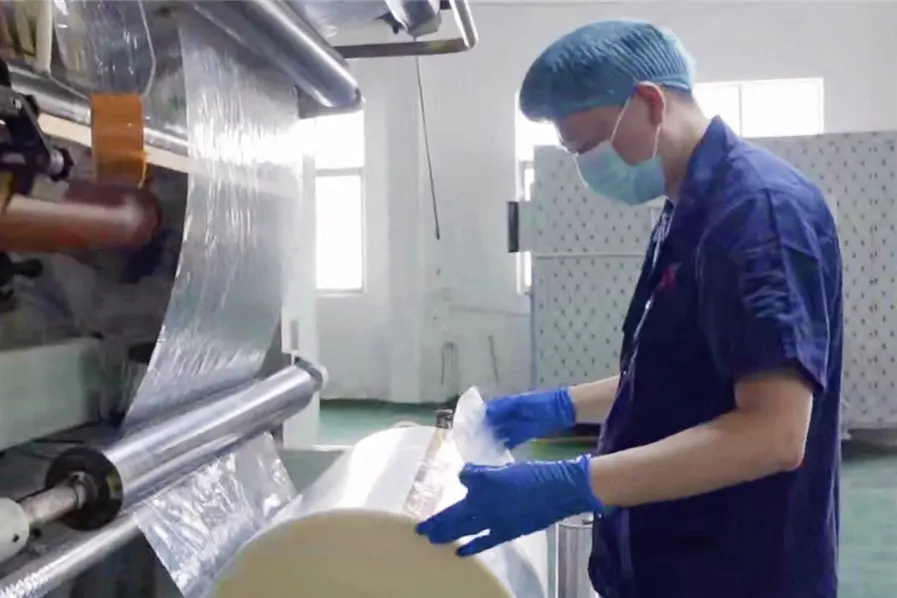
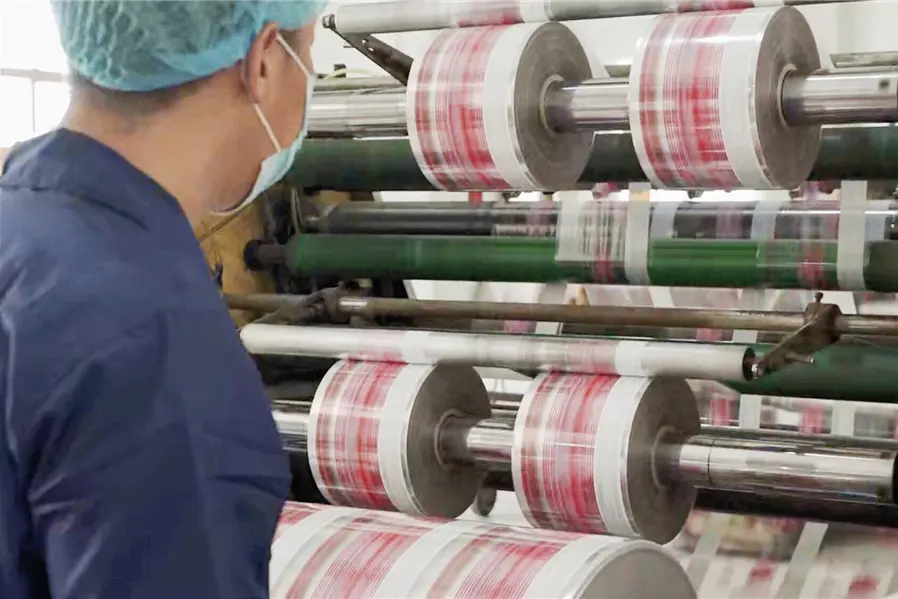
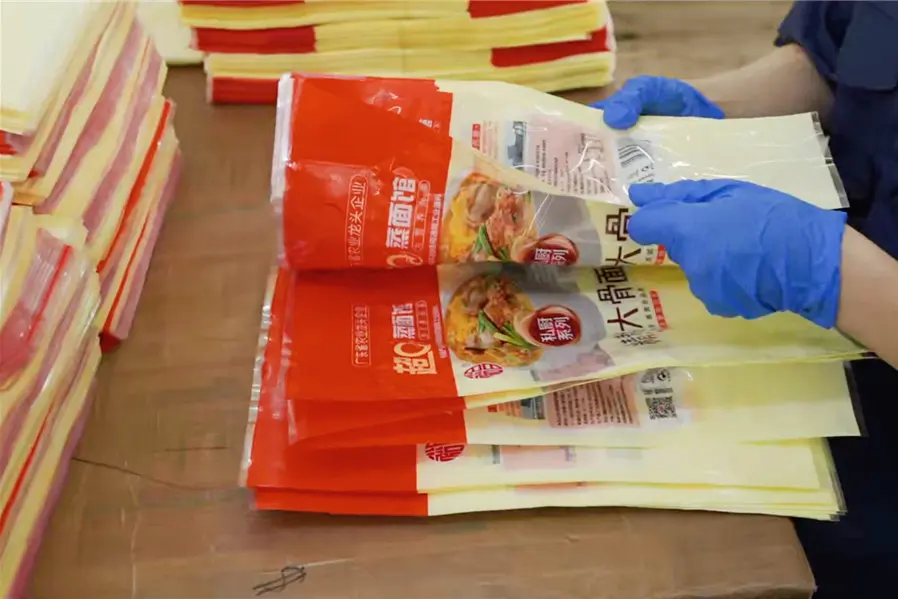
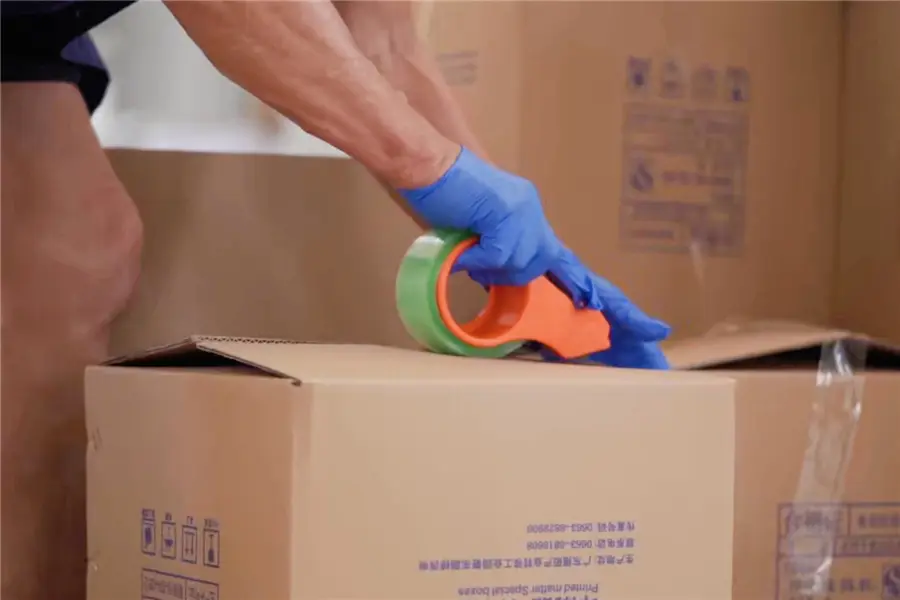
Our main printing methodology is high-speed gravure printing, which delivers superior quality in the packaging industry. The process uses direct transfer of ink from recessed micro-cells engraved on a metal cylinder onto the polymer substrate. This allows for thick ink laydown, deep color saturation, and unmatched consistency across large runs. After printing, the film enters the Composite stage where dry bond or solventless laminating machines bind the printed outer layer to barrier substrates (such as metallic foils, NYLON, or PET). Once cured, the compound structure goes through high-speed Slitting to cut the wide master roll into precise widths. Next, custom-designed converting machines form the rolls into finished shapes during Bagging (e.g., stand-up zipper pouches, side-gusseted bags, or spout pouches). The final step is Packing, where our quality control team inspects, tests, and packs the finished products to ensure they survive global shipping and transit conditions.
Modern global logistics require more than just a low unit cost; they demand supply chain resilience, agility, and continuous material access. China's flexible packaging industrial clusters offer a high concentration of raw polymer producers, film extruders, chemical lacquer manufacturers, and logistics networks. This allows for rapid sourcing of complex materials and additives, reducing lead times from months to weeks. Additionally, advanced automation in Chinese factories reduces labor-induced quality variations, ensuring consistent bag construction and sealing. Working with a long-standing manufacturer like Jieyang Yuanzhong Printing Co., Ltd. guarantees access to this consolidated ecosystem, backed by reliable raw material supplies and optimized logistics routes from nearby international shipping ports like Shenzhen and Guangzhou.
Polythene bags must adapt to different local environments. In humid, tropical climates, the packaging must prevent moisture ingress, which can spoil dried foods, powdered formula, or pet kibble. In cold climates, the film must remain flexible to prevent cracking at sub-zero temperatures, which is critical for frozen meats, turkey packaging, and logistics bags. For urban delivery networks, puncture resistance is paramount to prevent shipping failures in last-mile courier bags and multi-packs. Jieyang Yuanzhong Printing adjusts its polymer blends to target these specific challenges. We add UV-stabilizers for products stored outdoors, custom slip agents to optimize film movement on automated packaging machines, and customized anti-static additives to prevent powder buildup during dry product filling.
Connecting with global industries and presenting our innovations across more than 10 countries.
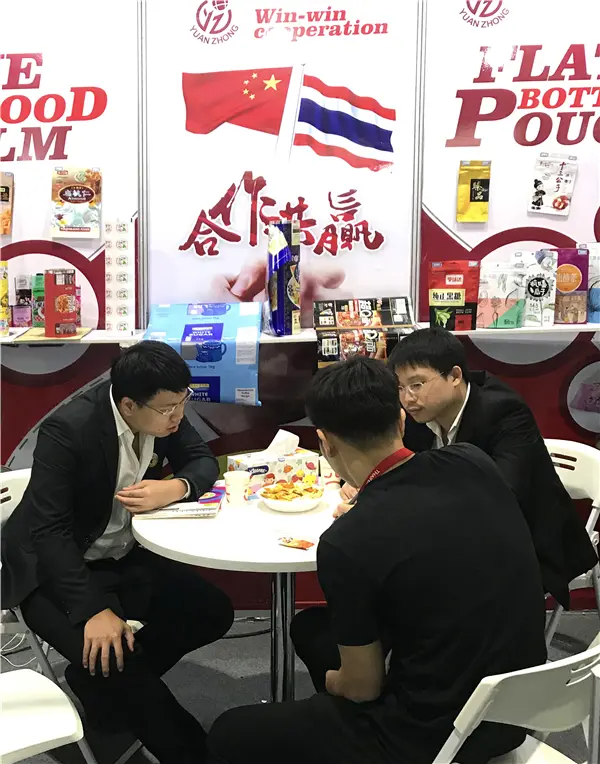
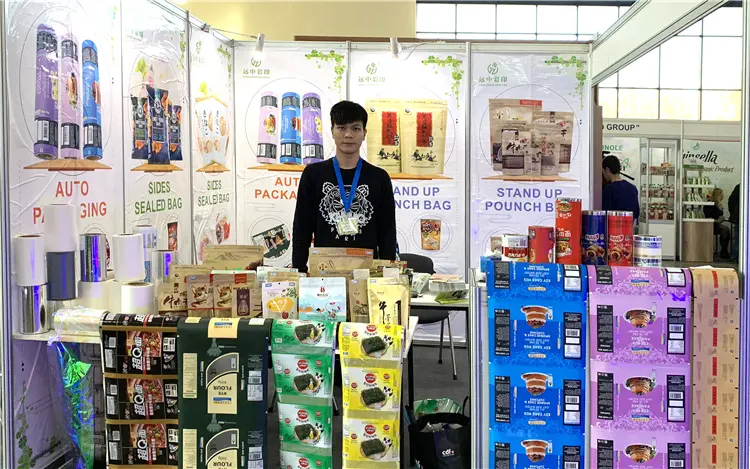
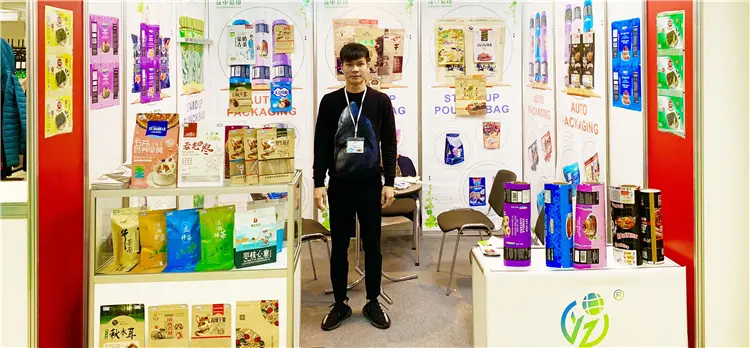
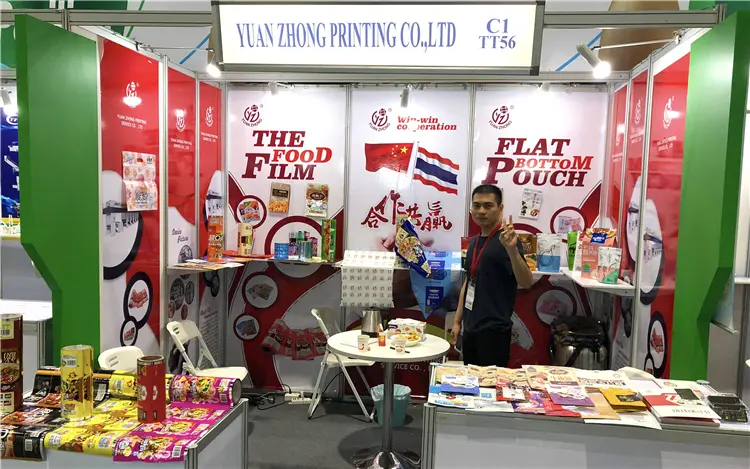
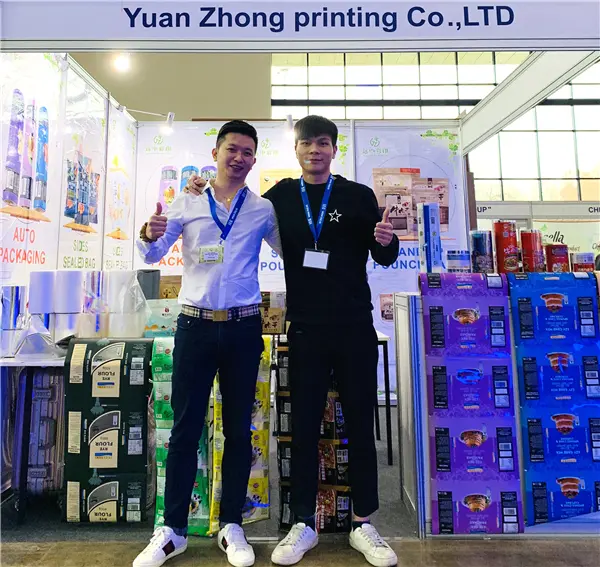
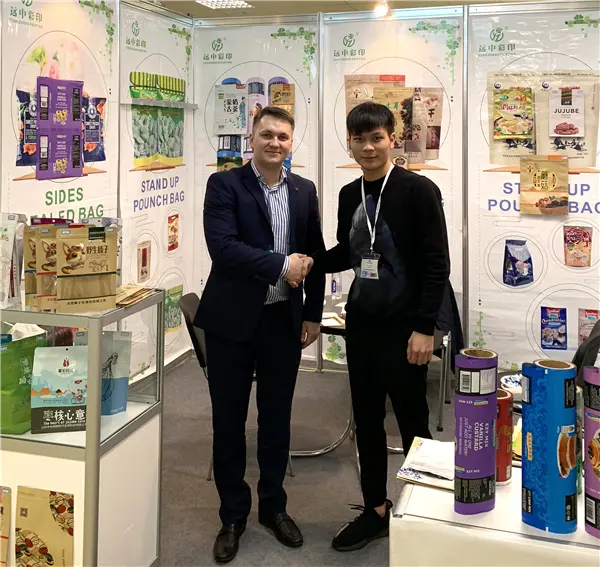
The flexible packaging industry is undergoing a major technological transformation. The future of custom polythene bags lies at the intersection of intelligence, barrier performance, and circular design. First, the industry is transitioning toward mono-material PE structures. Traditionally, laminating different plastics (like PET/PE or PET/AL/PE) made recycling difficult. New developments in machine-direction orientation (MDO) allow us to manufacture all-polyethylene structures that match the stiffness, heat resistance, and barrier performance of mixed-material laminates while remaining fully recyclable in existing PE streams.
Second, bio-sourced and biodegradable polythene equivalents, such as PLA (polylactic acid) and PBAT blends, are becoming more commercially viable. These materials are engineered to decompose into organic matter in industrial composting facilities, helping brands meet strict environmental mandates. Finally, smart packaging features are being integrated directly into films. This includes printed QR codes, RFID tags, and color-changing freshness indicators that interact with consumer smartphones, providing transparent supply chain tracking. Jieyang Yuanzhong Printing is investing heavily in these sustainable materials and digital print features, ensuring our clients remain at the forefront of the packaging market.
To operate successfully in international commerce, manufacturers must adhere to strict regulatory compliance standards. Custom food-grade polythene bags must conform to FDA guidelines in the United States, EU Regulation No 10/2011 for plastic materials intended to come into contact with food, and various national standards for heavy metal contents and volatile organic compounds (VOCs). Operating a factory that ships to over 30 countries requires deep compliance expertise. Our quality management systems are ISO 9001 certified, and our cleanroom manufacturing facilities are optimized to prevent cross-contamination, ensuring that every batch of pet food pouches, spout bags, and dry snack roll films is safe for food contact and compliant with international shipping regulations.
A testament to our commitment to excellence, partnering with over 20 global brands to deliver packaging solutions.



Technical Insights into Selecting, Customizing, and Sourcing Polythene Packaging
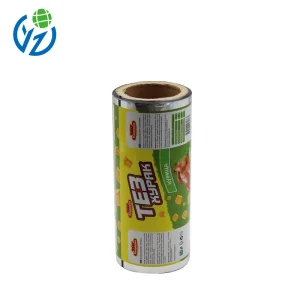
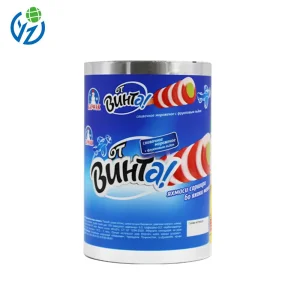
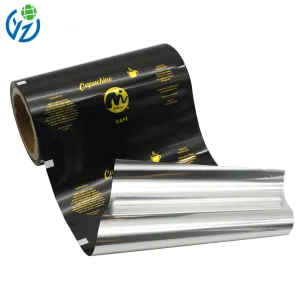
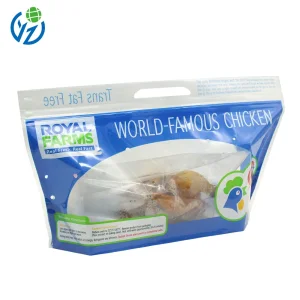
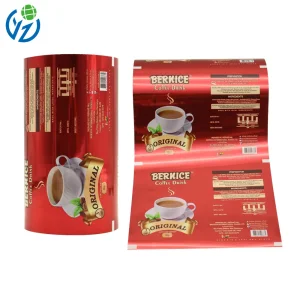
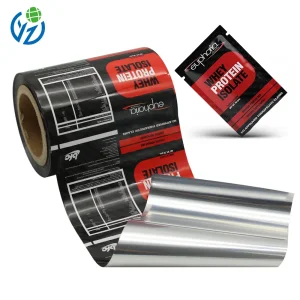
Discover our highly technical food wraps, coffee laminates, and specialized industrial polythene bags.
 Yuanzhong Printing