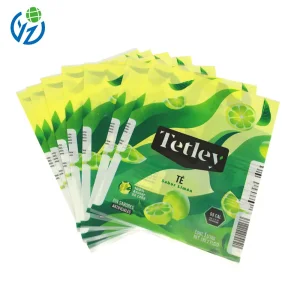
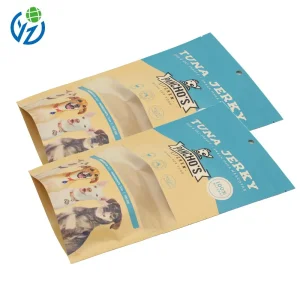
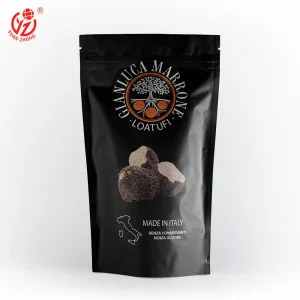
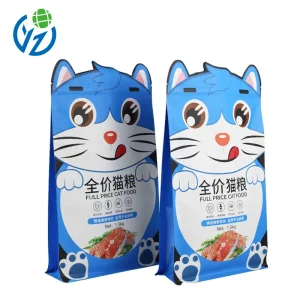
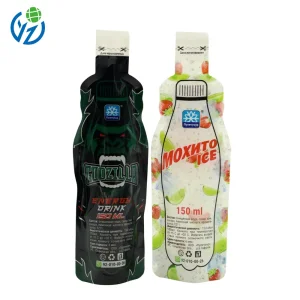
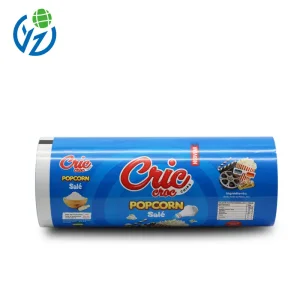
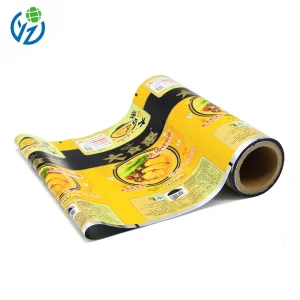
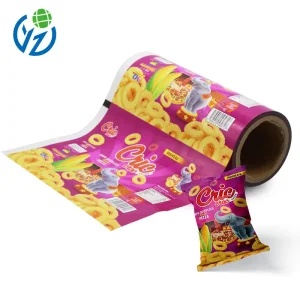
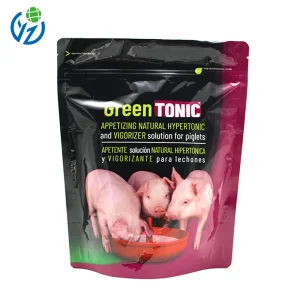
Custom Plastic Stand Up Pouches Manufacturers & Factory

High-Barrier Engineered Laminates, Gravure Precision Printing, & Global Compliance Standards for Enterprise-Level Brands.

2001
Established Year
240T+
Monthly Output Capacity
30+
Exporting Countries
20+
Cooperative Brands

The Strategic Value of Stand-Up Pouches in Modern Global Supply Chains

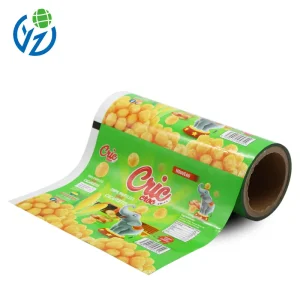
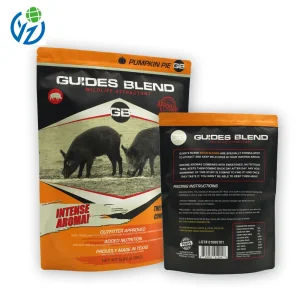
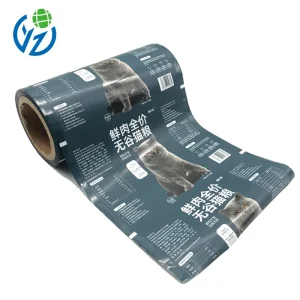
The global packaging paradigm is undergoing a massive shift towards flexible laminate solutions. Among these, custom plastic stand-up pouches stand out as the dominant choice for FMCG brands, pet food enterprises, and medical suppliers. By replacing traditional rigid glass, metal, and heavy-walled plastic containers, stand-up pouches provide a multi-layered barrier configuration that protects product integrity, significantly lowers shipping weights, and maximizes shelf-space efficiency.

1. Material Science and Barrier Preservation Engineering

To understand the high performance of modern stand-up pouches, we must look at the laminate structure. Flexible packaging is rarely constructed from a single polymer type. Instead, it is an engineered stack of multiple film layers, each chosen for its specific physical and chemical properties:

  • Outer Layer (Print Web): Often composed of Biaxially Oriented Polyester (BOPET) or Biaxially Oriented Polypropylene (BOPP). This layer provides high tensile strength, heat resistance during sealing, and serves as an optimal substrate for high-definition gravure printing.
  • Intermediate Barrier Layer: This is the core shield. It can consist of Aluminum Foil (AL) for near-zero Oxygen Transmission Rates (OTR) and Water Vapor Transmission Rates (WVTR), Metalized Polyester (VMPET), or Ethylene Vinyl Alcohol (EVOH) for transparent configurations requiring oxygen exclusion.
  • Inner Sealant Layer: Typically Cast Polypropylene (CPP) or Linear Low-Density Polyethylene (LLDPE). This polymer must melt and fuse under controlled heat and pressure to ensure airtight, leak-proof hermetic seals capable of handling mechanical stress.

2. Global Procurement Challenges and Quality Standards

For procurement directors managing global product rollouts, sourcing reliable flexible packaging is complex. The primary challenges include material consistency, solvent retention limits, and regulatory compliance. Food-contact packaging must comply strictly with regulations like FDA CFR 21 (United States) and EU Directive 10/2011 (European Union).

Partnering with an established manufacturer like Jieyang Yuanzhong Printing Co., Ltd. resolves these concerns. Equipped with advanced testing laboratories, our factory measures laminating strength, residual solvent content via chromatography, and seal integrity. This ensures that every shipment meets strict brand standards and food safety requirements.

3. Production Infrastructure & Scale

Large-scale global supply chains require high manufacturing throughput. Located in Jiedong District, Jieyang City, Guangdong Province, our private enterprise spans decades of expertise, leveraging advanced Japanese Komori fully automatic printing production lines. This allows us to achieve a monthly production capacity exceeding 240 tons of finished flexible packaging films and converted stand-up bags.

Yuanzhong Profile

Jieyang Yuanzhong Printing Co., Ltd. is a specialized manufacturer of custom packaging bags and decorative roll stock films. Since our founding in 2001, we have built a reputation for material engineering excellence, supporting international brands across more than 30 countries.


Core Capabilities:

  • High-speed rotogravure printing
  • Multi-layer solventless lamination
  • Precision slitting and pouch making
  • Custom barrier formulations
  • Rigorous food-safety testing

Advanced Manufacturing Process Flow

Our structured production workflow uses precise machinery and strict quality control at every phase, from raw materials to final shipment.
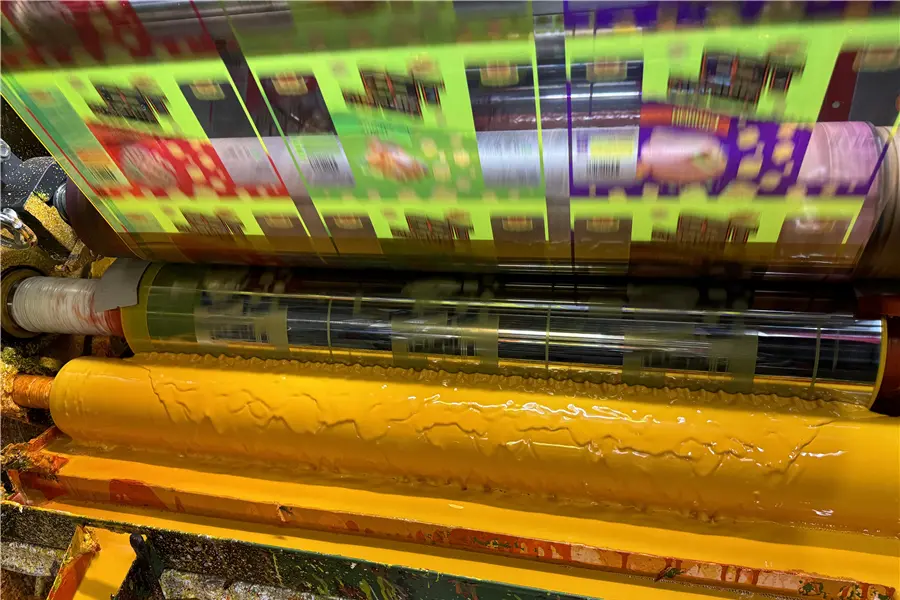
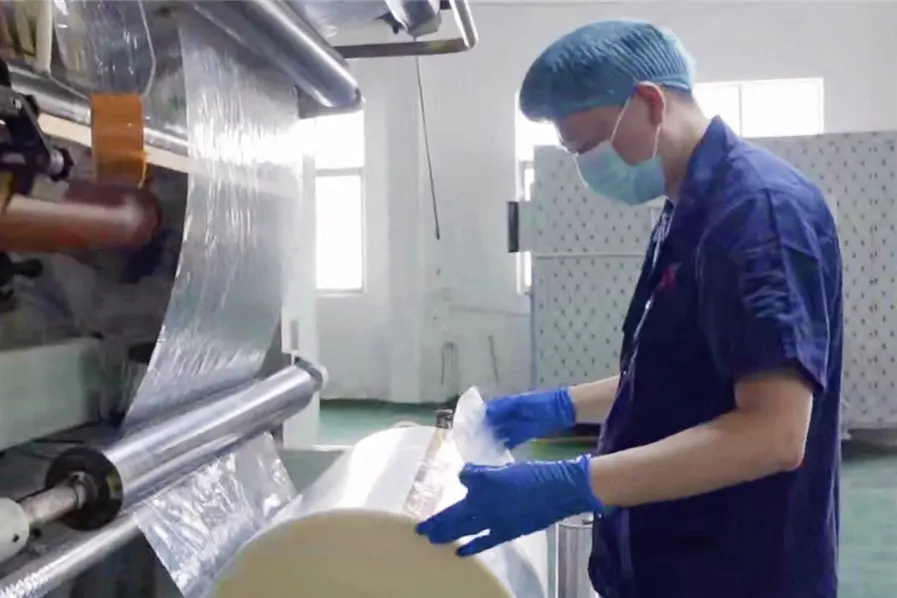
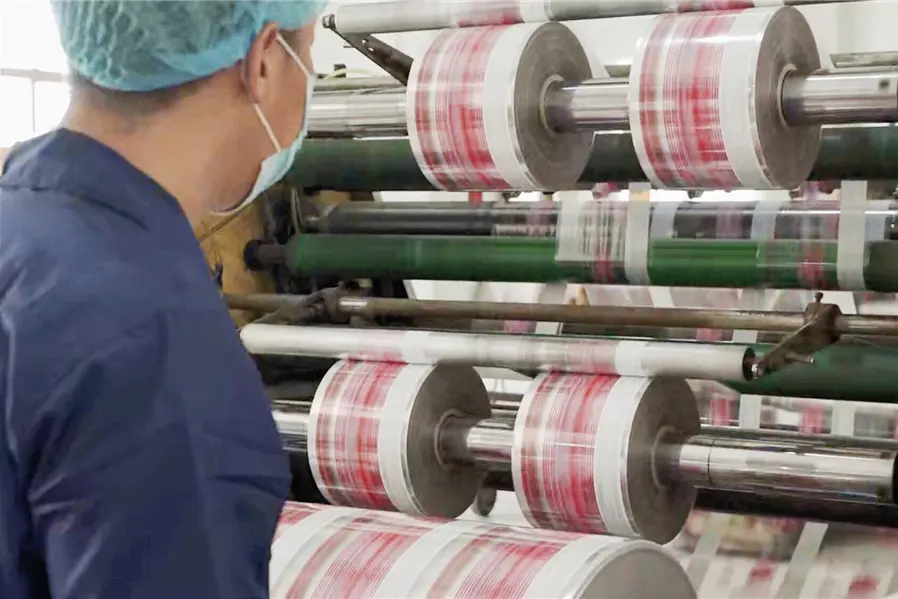
Gravure Printing Process

1. Printing

Lamination Composite Process

2. Composite

Slitting Process

3. Slitting

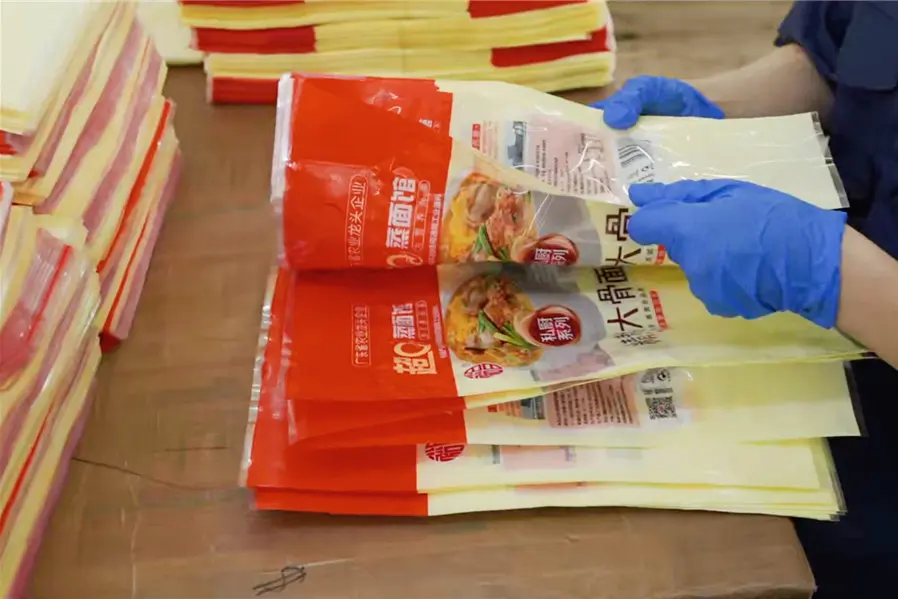
Bagging/Pouch Making Process

4. Bagging

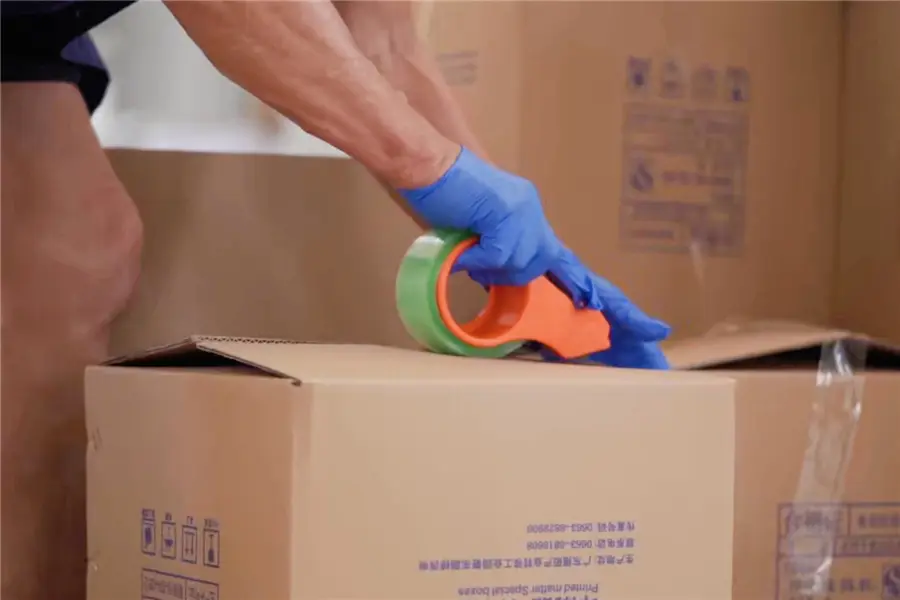
Packing and Logistic Process

5. Packing

Key Industry Trends & Market Demand

Understanding the transition drivers that help consumer brands optimize their packaging strategies.

♻️

Eco-Friendly & Mono-Material Solutions

Global brands are prioritizing recyclability. Standard multi-layer materials containing different polymer classes can be difficult to recycle. We provide advanced mono-material structures (such as all-PE laminates) and biodegradable Kraft options that offer excellent oxygen barriers while meeting circular economy requirements.

🛡️

Advanced Barrier Technology

Managing oxygen and water vapor transmission is essential for extending shelf life. Our multi-layer co-extrusion films protect dried foods, snack mixes, pet kibble, and liquid formulations from light, humidity, and microbial degradation.

⚙️

Supply Chain Optimization

Flexible roll stock film and stand-up pouches ship flat, reducing freight costs and warehouse space compared to rigid packaging. Brands can lower their logistics carbon footprint and reduce overall storage and handling overhead.

Global Presence & Verified Relationships

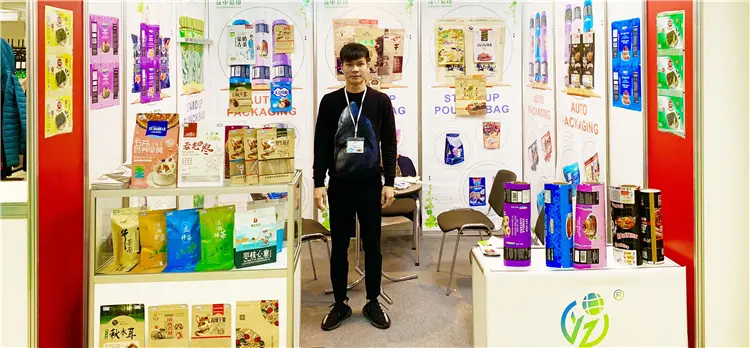
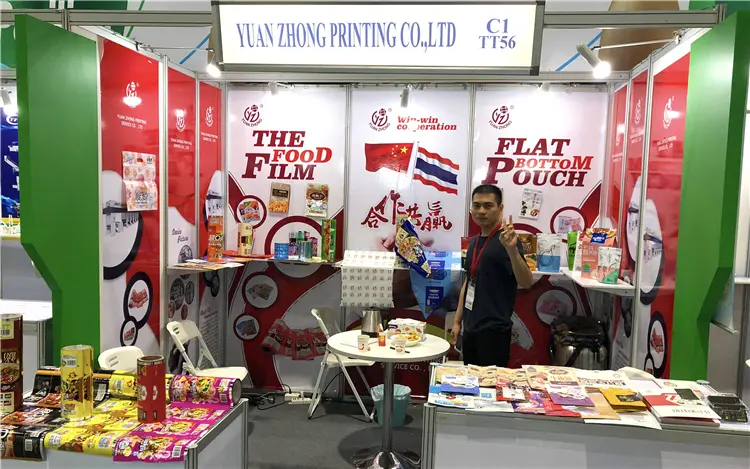
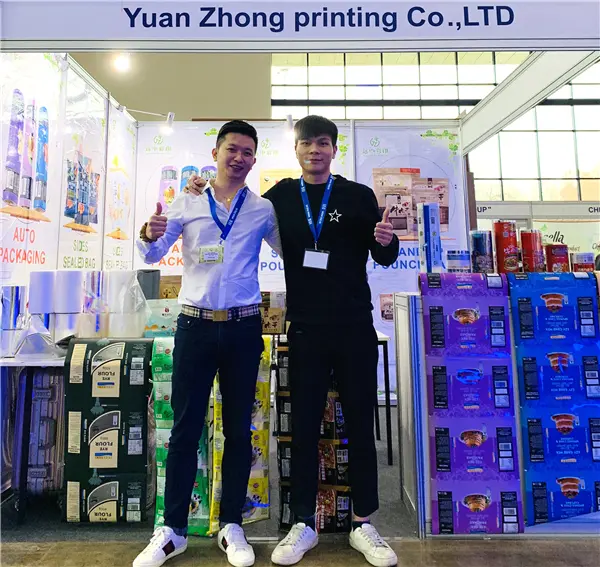
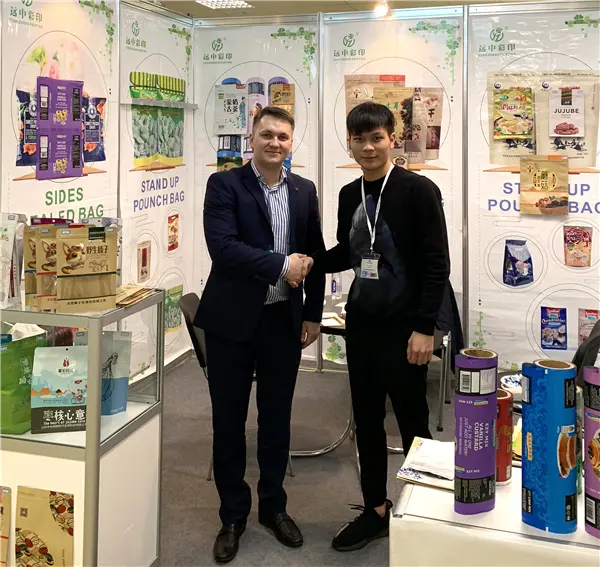
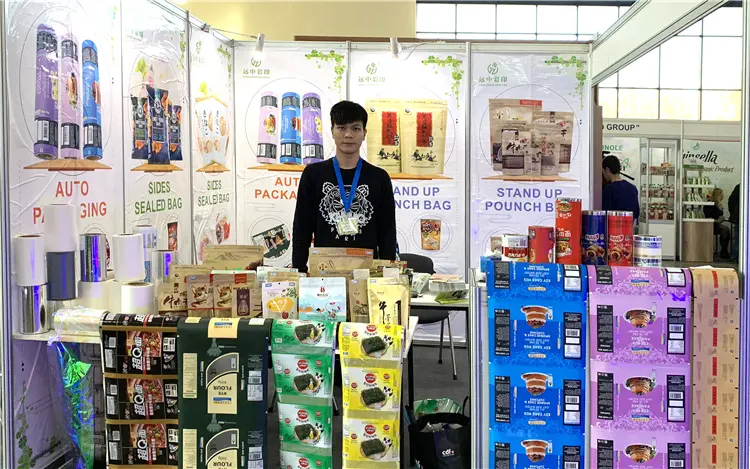
Our international expansion includes active participation in major industry exhibitions across more than 10 countries and long-term partnerships with over 20 global brands.
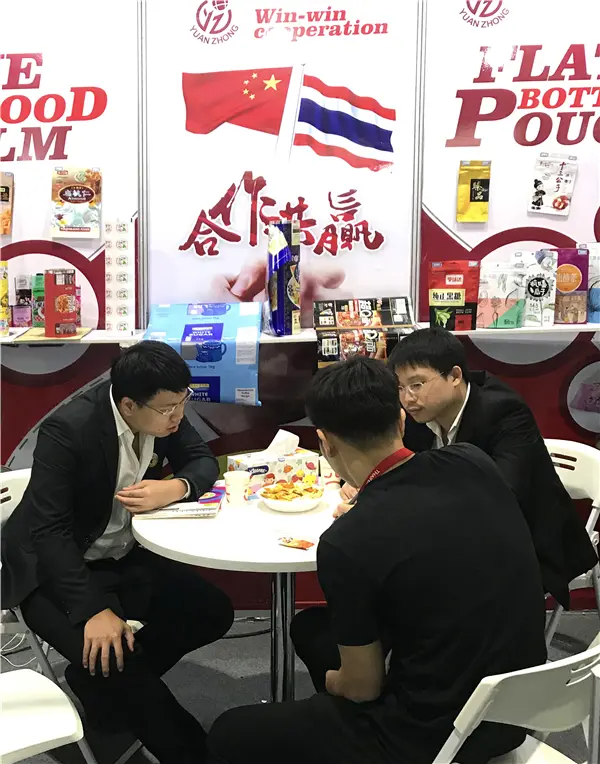
Global Exhibitions

Packaging Exhibition Booth
Global Trade Show Display
B2B Expo Event
Packaging Factory Exhibition
Overseas Business Exhibition
International Trade Fair

Cooperative Brands

Technical Roadmap: The Next Generation of Flexible Packaging

To stay competitive, brand owners and packaging manufacturers must anticipate changing packaging materials and regulatory developments. Our R&D department is focused on three main engineering goals:

High-Speed Rotogravure Cylinder Precision

Traditional printing processes can struggle with fine text, gradient designs, and registration alignment on thin films. We use high-precision electronic engraving machines to produce cylinders that deliver consistent ink transfer across long production runs. Combined with automatic registration control systems on our printing presses, this results in sharp, high-definition graphics that stand out on retail shelves.

Solvent-Free Lamination Engineering

Traditional dry adhesive lamination processes use volatile organic solvents that require high heating energy to dry. We have transitioned much of our output to solvent-free lamination technology. This uses multi-component polyurethane adhesives that react and cure without solvent release, eliminating chemical residue concerns in food-grade packaging.

Smart Interactive Elements

Modern packaging often serves as a point of digital engagement. We integrate high-density QR codes, tracking codes, and anti-counterfeiting elements directly into the print layout, allowing brands to implement batch-tracking and interactive customer loyalty programs.

Quality Certification Checklist

We perform systematic, batch-specific testing to verify physical and functional requirements:

  • FDA Compliance: Verified food-contact safety for direct contact with dry, liquid, and acidic products.
  • Gas Transmission Testing: Verification of oxygen and moisture barrier protection to prevent oxidation.
  • Tensile strength & Puncture Resistance: Prevents rupture during drop testing and high-speed line filling.
  • Coefficient of Friction (COF): Ensures smooth running on automatic Form-Fill-Seal (FFS) packaging machines.

Frequently Asked Questions

Technical advice and manufacturing answers from our engineering experts.

What is the minimum order quantity (MOQ) for custom stand-up pouches?
The minimum order quantity depends on the bag dimensions and printing requirements. Generally, the MOQ is determined by the yield of the base raw material roll, typically ranging between 10,000 to 20,000 pouches per design. Contact our sales engineers to get an estimate based on your specific requirements.
How does rotogravure printing compare to digital or flexographic printing?
Rotogravure printing uses direct engraving of designs onto metal cylinders, offering excellent ink density, rich color reproduction, and highly consistent results over large print runs. While tooling costs are higher upfront than for digital printing, rotogravure is much more cost-effective for large production volumes, offering lower unit prices and consistent print quality.
Can you customize the barrier properties for sensitive products like coffee or pet food?
Yes. We specialize in custom barrier designs. For oxygen-sensitive products like coffee, we incorporate aluminum foil or high-barrier metallized films alongside one-way degassing valves. For oily products like pet kibble, we use fat-resistant LLDPE co-extrusions to prevent grease staining and chemical breakdown of the package.
What eco-friendly materials do you offer for sustainable stand-up pouches?
We supply recyclable mono-material structures (such as PE/EVOH-PE), post-consumer recycled (PCR) content laminates, and biodegradable Kraft-paper pouches lined with compostable PLA sealants. These materials help brands meet plastic-reduction goals without compromising essential barrier performance.
How does Jieyang Yuanzhong Printing ensure food safety standards are met?
Our production lines operate under strict GMP guidelines. We select high-grade, FDA-compliant resins and solvent-free laminating adhesives. Each batch undergoes residual solvent analysis via gas chromatography to guarantee safety for food contact packaging.