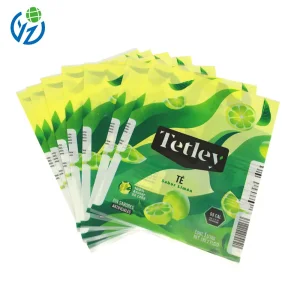
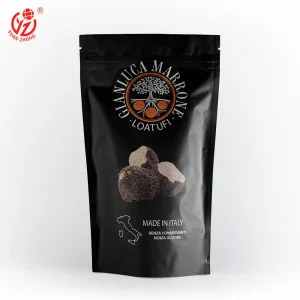
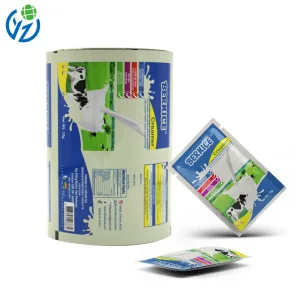
Precision-engineered food-grade and commercial barrier packaging film rolls and pouches fabricated to meet ISO, BRC, and FDA strict regulatory environments.
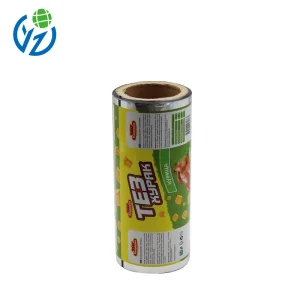
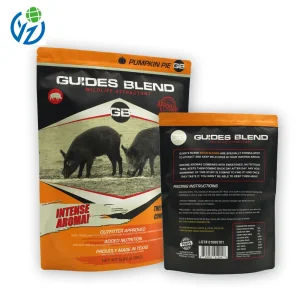
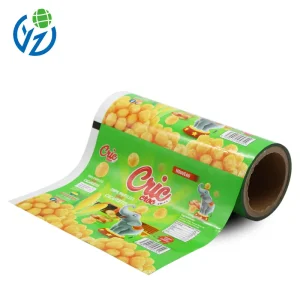
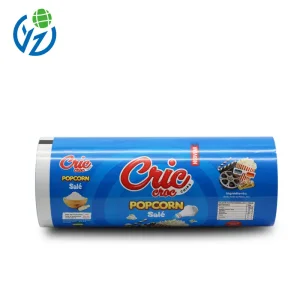
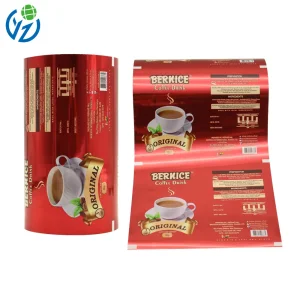
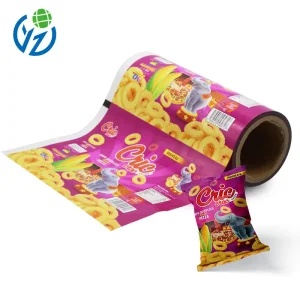
Unlocking Supply Chain Resiliency, Carbon-Footprint Offsetting, and Functional Barrier Integrity in Modern Industrial Packaging.
In the modern Fast-Moving Consumer Goods (FMCG) and pharmaceutical verticals, custom packing plastic acts as the vital frontier between product longevity and environmental degradation. Sourcing managers and materials engineers must navigate a complex ecosystem of barrier capabilities, tensile compliance, chemical stability, and cost-effectiveness. In 2024, the macro-industrial shift is heavily geared toward high-barrier laminates that reduce material weight while increasing preservation performance. For global supply chains, partnering with vertically integrated, high-capacity manufacturers in China provides the scale and raw material stability required to buffer against volatile global container shipping disruptions and fluctuating polymer markets.
Our analysis suggests that enterprise procurement directors prioritize factories operating Japanese printing technology (such as the Japan Komori fully automatic printing production lines) which drastically minimize plate deviation and micro-imperfections. Micro-imperfections in barrier layers jeopardize the oxygen transmission rate (OTR) and water vapor transmission rate (WVTR), which directly threatens shelf-life metrics and leads to massive product recalls. The material science involves combining high-durability layers like PET (Polyethylene Terephthalate) with high-barrier components such as AL (Aluminum Foil), VMPET (Vacuum Metallized PET), and food-safe sealant films like CPP (Cast Polypropylene) or PE (Polyethylene).
SEO Technical Insight (E-E-A-T): The choice of laminated layer composition is governed by the chemical polarity of the packaged contents. Fatty foods require highly non-polar internal sealants, while coffee products mandate zero-oxygen-transmission aluminum-based composite laminates to safeguard sensitive lipid structures from photo-oxidation.
A breakdown of the materials, architectural layers, and performance benchmarks critical to industrial suppliers.
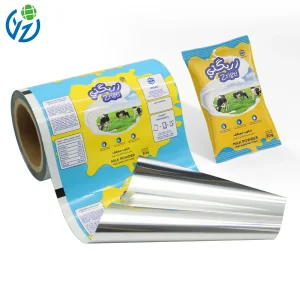
Multi-layer composites consisting of PET/AL/PE or BOPP/VMPET/PE. Specifically designed to provide an absolute barrier against moisture, oxygen, and aroma migration, maximizing freshness for extended supply chains.
Transitioning toward recyclable mono-material structures (PE/PE or PP/PP) and biodegradable compostable polymer barriers like PLA and PHA, aligned with strict EU packaging waste legislation.
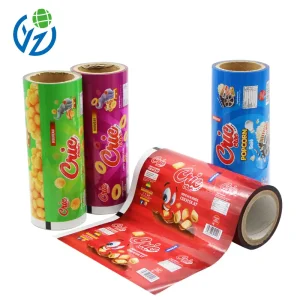
Utilization of high-speed rotogravure technology capable of running 9-color layouts simultaneously. Provides vibrant color saturation and a thick, uniform ink laydown required for premium retail appeal.
Formulated to achieve high hermetic sealing strength at lower temperature thresholds. Prevents heat-sealing thermal degradation of structural substrates and accelerates high-speed pouching lines.
Chemical addition of slip additives (erucamide/oleamide) and organic anti-static agents to control friction coefficients (COF) on packaging machines, preventing web-tracking slippage.
Critical structural resistance to flex cracking during shipping. By introducing oriented structural films, our composites withstand cyclic mechanical stresses without barrier layer fracturing.
How raw resin structures are transformed into high-definition flexible packaging rolls and pouches under rigorous quality control standards.
As a cornerstone of advanced flexible packaging engineering, gravure printing occupies an extremely important position in the printing and packaging sectors. The process leverages cell-engraved copper cylinders to transfer high-viscosity ink directly onto plastic webs. The primary advantages of gravure printing include a thick ink layer, bright colors, high color saturation, robust plate durability, stable print quality, and exceptional line speeds that exceed traditional flexographic capabilities. This ensures perfect structural repeatability for high-volume corporate procurements.
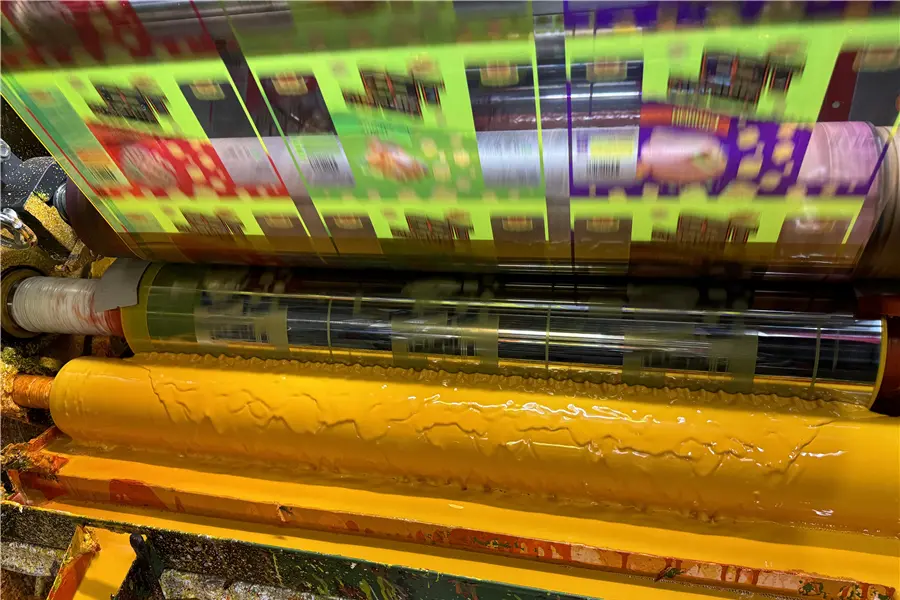
Rotogravure multi-color cylinder transfer using high-stability Japanese printing systems.
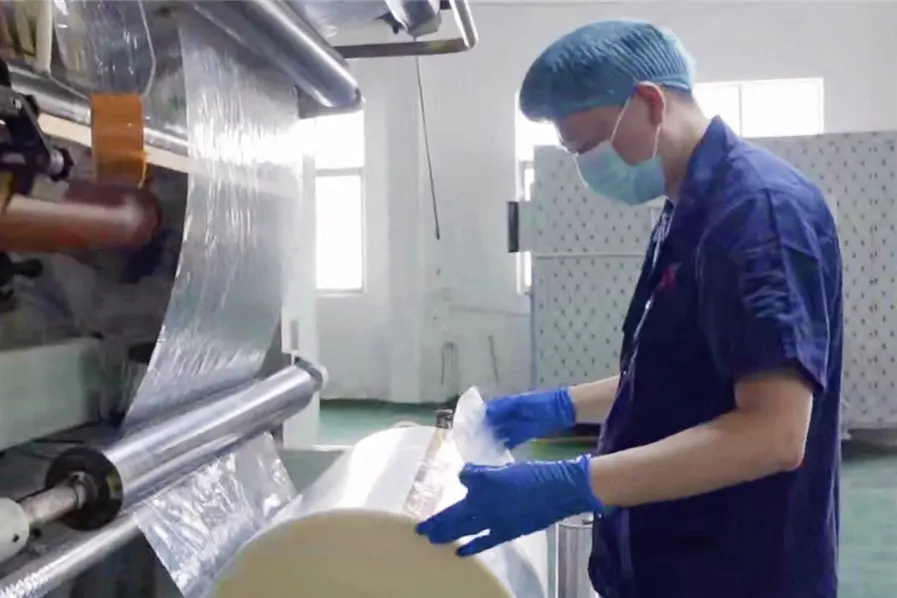
Dry or solvent-free lamination bonding multi-layer polymeric substrates together.
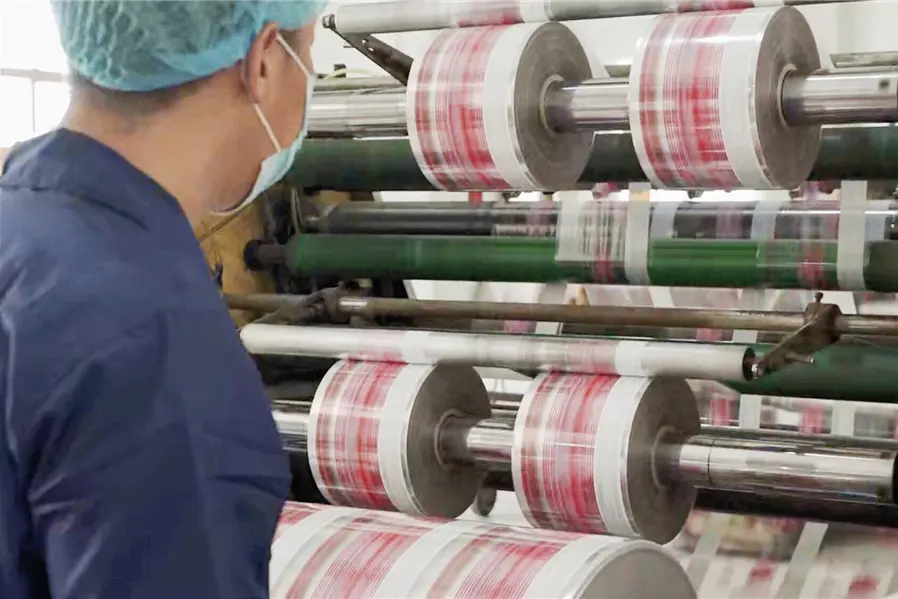
High-precision mechanical cutting of film webs into exact customer-specified roll widths.
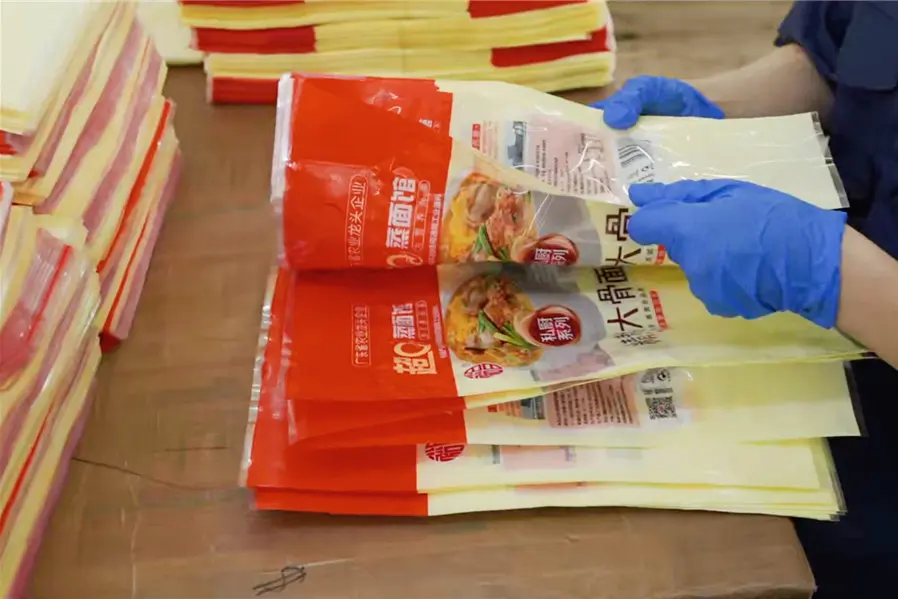
Thermosealing, gusset forming, and zipper applications for custom stand-up bags.
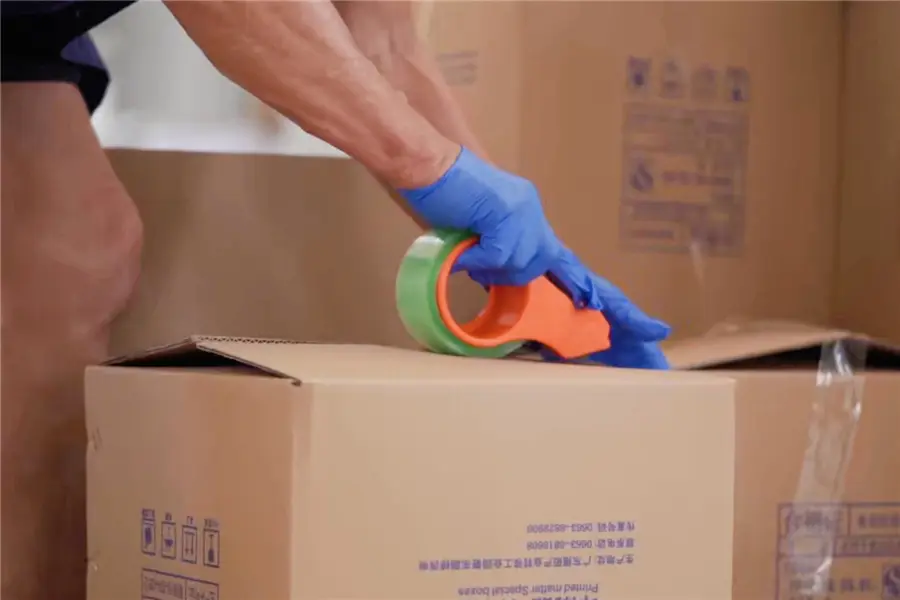
Securing the finished rolls/pouches in heavy-duty dust-proof inner bags and pallets for export.
Over Two Decades of Professional Plastics Fabrication and Advanced Packaging Customization
Jieyang Yuanzhong Printing Co., Ltd. is an established leader in the packaging printing industry. Founded in 2001 as a private enterprise and strategically situated in the Jiedong District of Jieyang City, Guangdong Province, China, the company has accumulated more than 20 years of robust printing and material lamination experience. Operating a state-of-the-art facility equipped with imported equipment, notably the Japan Komori fully automatic printing production lines, the company maintains a massive monthly capacity exceeding 240 tons of flexible packaging films and bags.
We specialize in sophisticated packaging decoration printing, multi-layer high-barrier lamination, and the automated production of plastic packaging bags. We understand that global enterprise buyers require strict compliance, zero material variance, and reliable delivery cycles. Our active export network proudly serves commercial brands across more than 30 countries worldwide. Our deep focus on quality control, environmental regulatory compliance, and tailor-made customizations has forged long-term supply partnerships with industry-leading global brands.
Global Sourcing Advantage: Leveraging proximity to major deepwater ports in Guangdong, Yuanzhong Printing offers optimized shipping logistics, reducing lead times to Europe, North America, and Southeast Asia while utilizing advanced dry lamination techniques that ensure strict VOC residue containment.
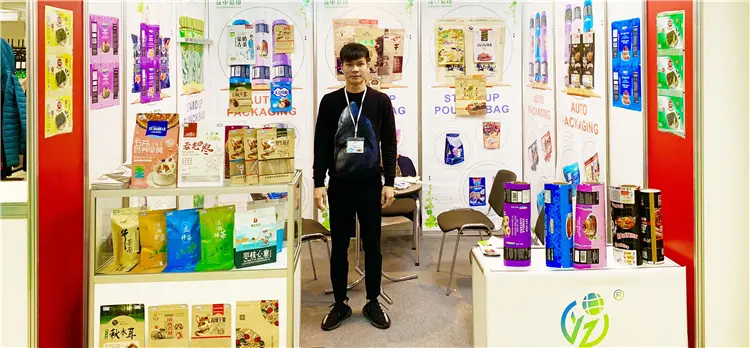
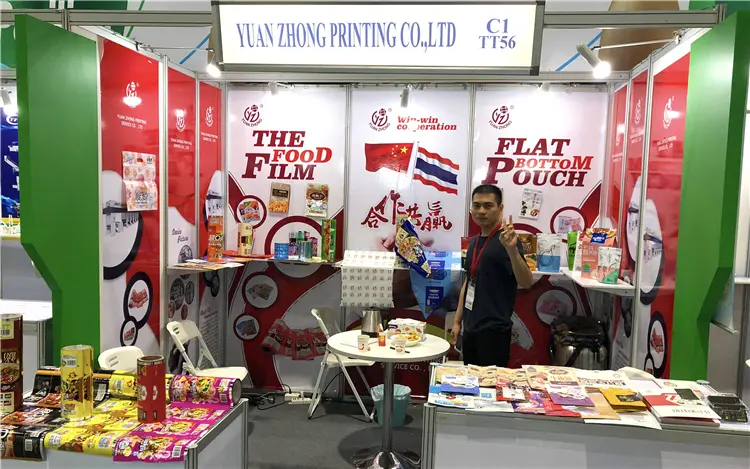
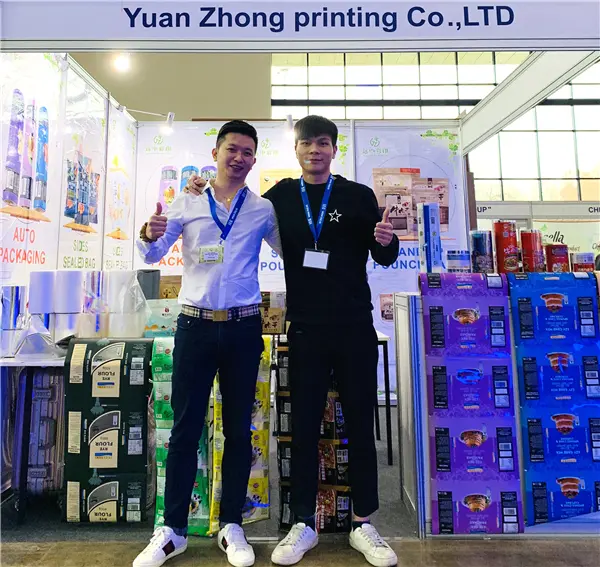
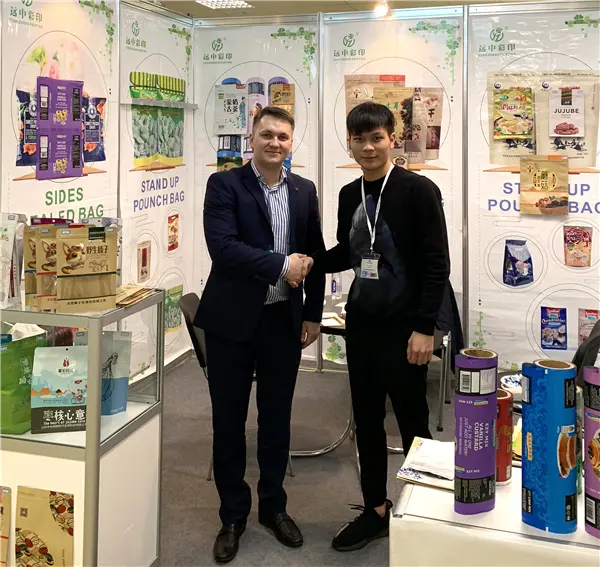
Exploring the World Through Exhibitions: A Journey Across More Than 10 Countries, showcasing our latest barrier technologies and flexible packaging architectures.
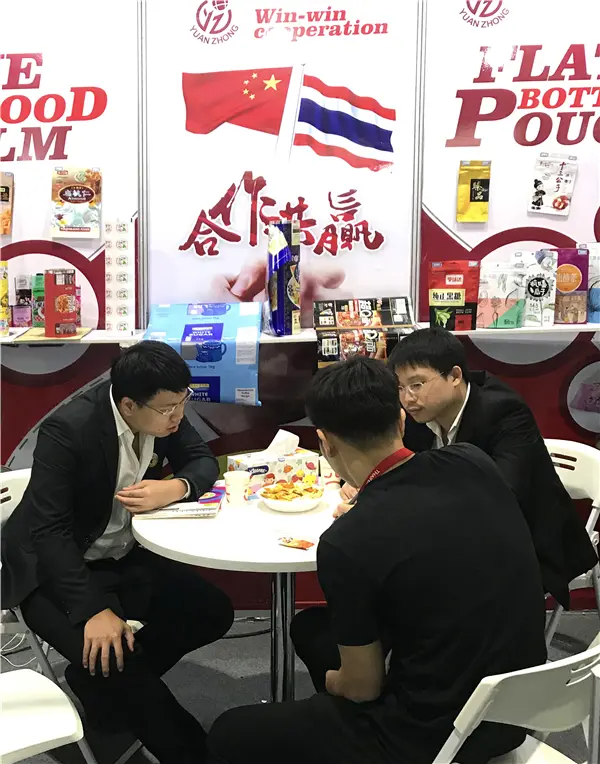
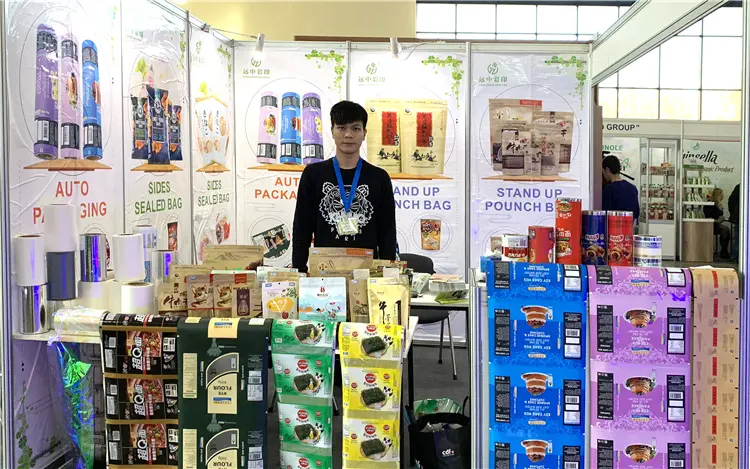
Cooperating with More Than 20 Brands: A Testament to Our Long-term Commitment to Industrial Excellence.



In-depth answers targeting key engineering and logistics issues for professional buyers.
High-performance structures designed to keep light, oxygen, and moisture out for sensitive dry foods and beverages.
 Yuanzhong Printing