Explore our engineering-grade roll films, high-barrier bags, and custom custom-laminated structural solutions.
Analyzing supply chain evolution, material barrier performance, and the shifts toward carbon-neutral flexible packaging.
The global flexible packaging market is undergoing its most radical transformation in decades. Valued at over USD 250 billion, the industry is transitioning from simple containment structures to smart, high-barrier, and highly recyclable systems. Factors such as food preservation efficiency, urban localized logistics, and stringent regulatory demands (like FDA, EU Circular Economy Directives, and packaging waste regulations) have forced brands to re-evaluate their polymer architectures.
In this landscape, the role of a Custom Package and Packaging Manufacturer goes beyond simple converting. Modern packages must optimize OTR (Oxygen Transmission Rate) and MVTR (Moisture Vapor Transmission Rate) to prevent lipid oxidation in pet foods, preserve aromatic oils in coffee, and secure long-term barrier properties in active dry powders. Today's manufacturing relies heavily on multi-layer co-extrusion and adhesive lamination of materials like BOPP, PET, VMPET, NYLON (PA), Aluminum Foil, and high-performance Cast Polyethylene (CPE) or Linear Low-Density Polyethylene (LLDPE).
A key focus area in current industrial research is the replacement of legacy multi-material laminates (e.g., PET/AL/PE) with recyclable mono-materials (e.g., Mono-PE or Mono-PP structures). This requires sophisticated raw material selection and precise tension controls during the laminating process to maintain functional barriers while satisfying municipal recycling infrastructures.
With the post-pandemic supply chains stabilizing, lead times, volatile resin pricing, and overseas shipping logistics continue to highlight the importance of choosing a robust manufacturing partner. Industrial suppliers must possess high throughput capabilities—such as high-speed rotogravure presses, dry laminators, and specialized slitting and bag-making machines—to mitigate operational risks and maintain competitive MOQ (Minimum Order Quantity) structures globally.
Key indicators shaping the custom packaging manufacturing sector heading into 2026:
A trusted leader in packaging decoration printing and plastic packaging bag processing since 2001.
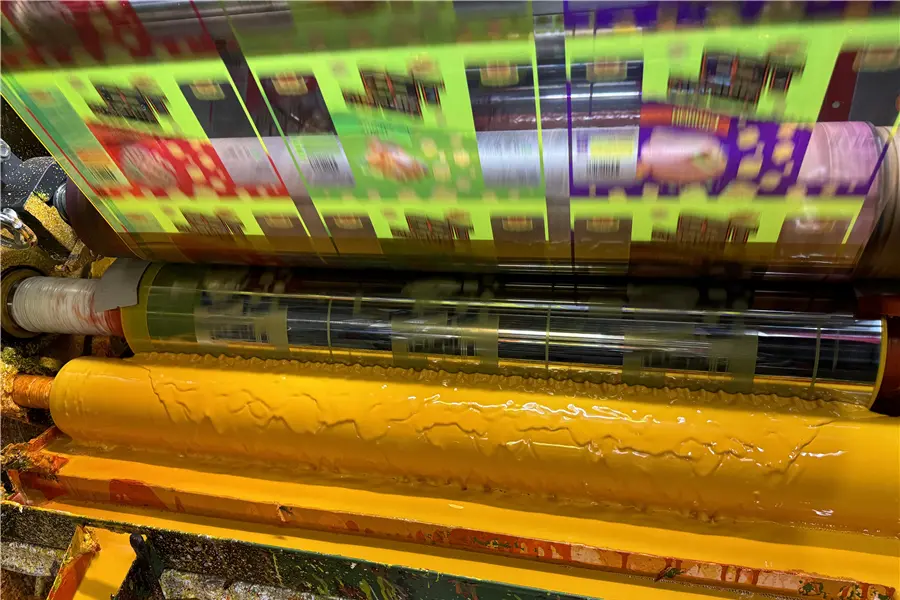
Established in 2001 in the Jiedong District of Jieyang City, Guangdong Province, Jieyang Yuanzhong Printing Co., Ltd. has grown to become a leader in the packaging printing industry. With more than 20 years of experience, we specialize in high-quality packaging decoration printing, as well as the production and processing of versatile plastic packaging bags and roll stocks.
Our production facilities utilize modern technology and imported machinery, including the Japan Komori fully automatic printing production lines. This technology, combined with our technical expertise, enables a monthly output of over 240 tons. This ensures that we can handle bulk orders for global partners while maintaining product consistency and reliability.
Customization is at the core of our business model. We recognize that every brand has unique barrier demands, dimensional specifications, and aesthetic requirements. Whether it involves designing custom layout profiles or choosing complex laminated films, our engineering team works with you from prototyping to commercial production.
Our active export network serves customers in more than 30 countries. We prioritize high standards at every stage of production to deliver reliable products. We invite you to explore our services for your next packaging project and experience the value of two decades of industry expertise.
High-precision rotogravure printing and multi-layer dry lamination processes ensure structural integrity and vibrant graphics.
High-speed rotogravure technology offers precise color matching, sharp text, and high registration accuracy.
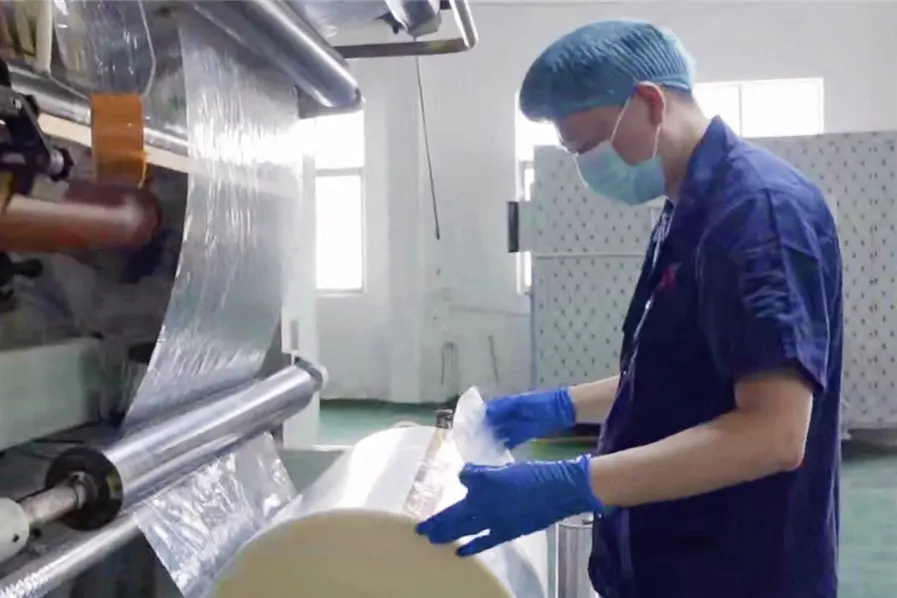
Dry and solvent-free lamination links multi-layer films together to achieve functional barrier protection.
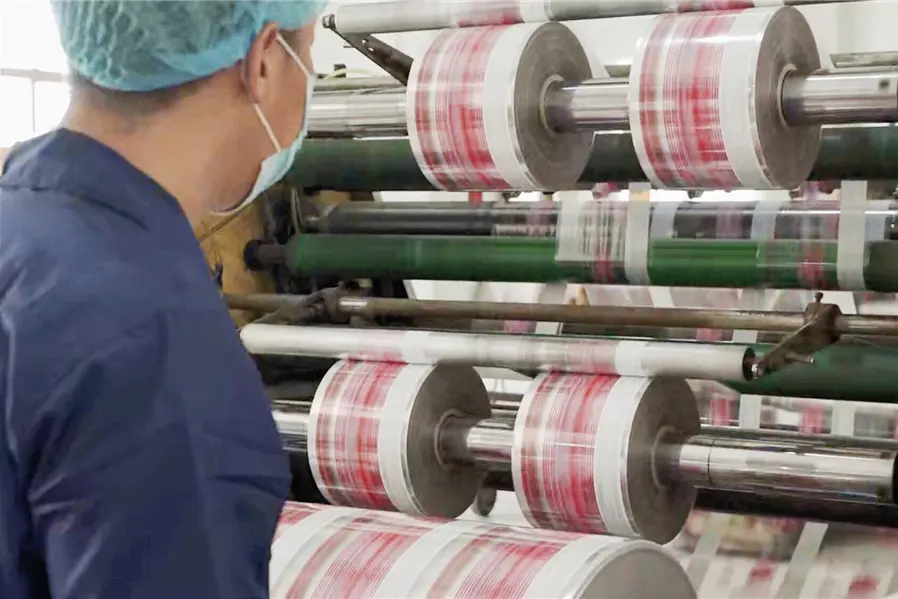
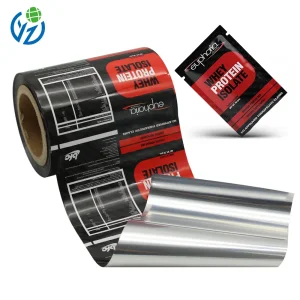
High-speed slitting machines cut wide laminated rolls into precise widths for automatic form-fill-seal lines.
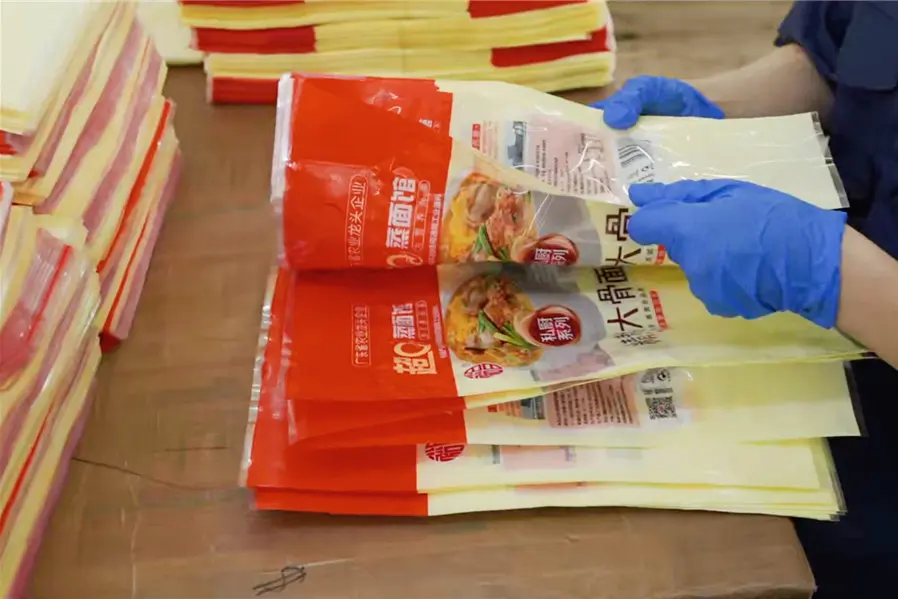
Pouch-forming equipment converts film into stand-up pouches, flat-bottom bags, doypacks, and three-side seal styles.
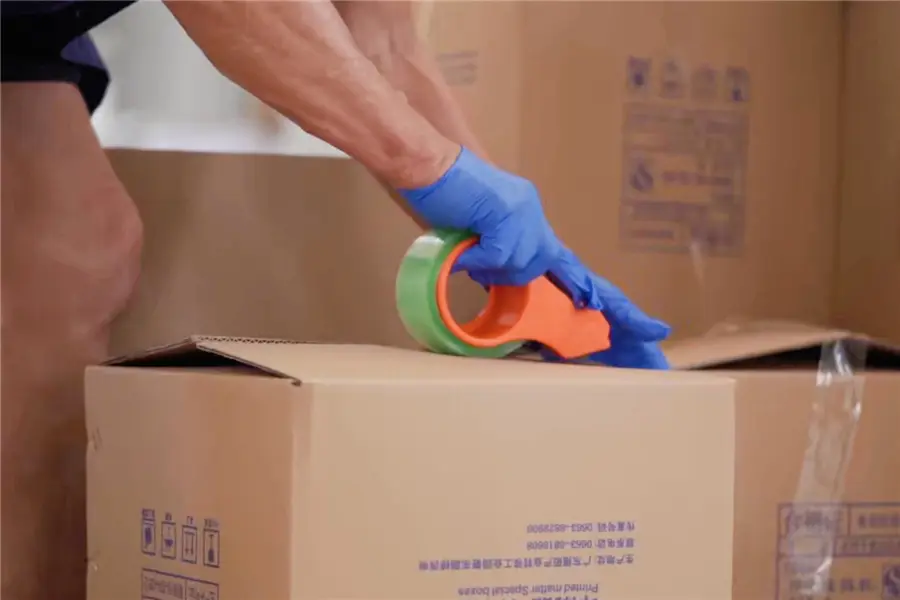
Finished bags are carefully inspected, packed in protective cartons, and palletized to prevent transit damage.
Technical Note: Rotogravure printing is highly regarded in the flexible packaging industry. Its thick ink layer, high saturation, long plate durability, and high running speeds make it ideal for long production runs that require consistent color matching across batches.
How our custom material formulations meet the technical requirements of different industries.
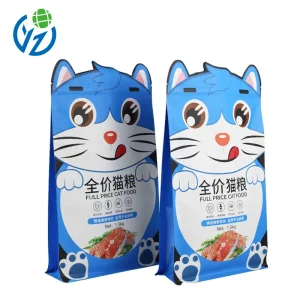
Requires strong puncture resistance and high grease barriers to prevent oil migration. We construct multi-layer films using PET, Nylon (PA), and specialized PE co-extrusions. Features like sliders, press-to-close zippers, and flat-bottom gussets help maintain product freshness.
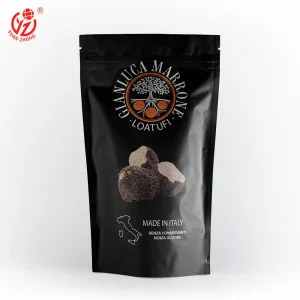
Protects sensitive items from light, oxygen, and moisture. Our foil-laminated barrier films block external contaminants. The addition of one-way degassing valves allows carbon dioxide release while preventing outside air from entering the bag.
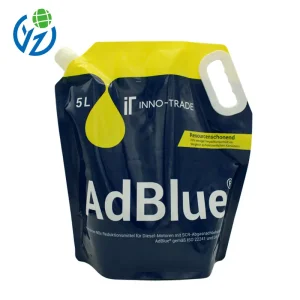
Engineered to prevent leaks during storage and transport. These structures are built with high-seal strength, drop-resistant laminates (NY/PE) capable of holding up to 5 liters. Ergonomic spouts make dispensing clean and straightforward.
Developing next-generation packaging systems for the global circular economy.
The future of flexible packaging is driven by two main goals: reducing carbon footprint and improving structural functionality. Our research and development efforts focus on several key initiatives designed to meet these objectives over the next decade.
Traditional high-barrier packaging often relies on mixed plastics (e.g., PET/PE or PET/BOPA/PE), which are difficult to process in standard recycling streams. We are engineering mono-material alternatives, such as oriented PE combined with high-barrier coatings. These provide comparable oxygen and moisture resistance while remaining recyclable within standard PE collection systems.
Modern packaging does more than contain products; it communicates. By incorporating high-definition QR codes, serialization, and RFID technology into the printing phase, we help brands improve supply chain tracking, combat counterfeiting, and provide interactive brand experiences directly from the shelf.
We are working to integrate bio-based polymers (such as PLA and PHA) and FSC-certified Kraft papers with biodegradable barrier films. These materials are designed to break down under specific industrial composting conditions, offering an alternative disposal route for food-contact packaging.
Connecting with clients and sharing packaging innovations at trade events in over 10 countries.
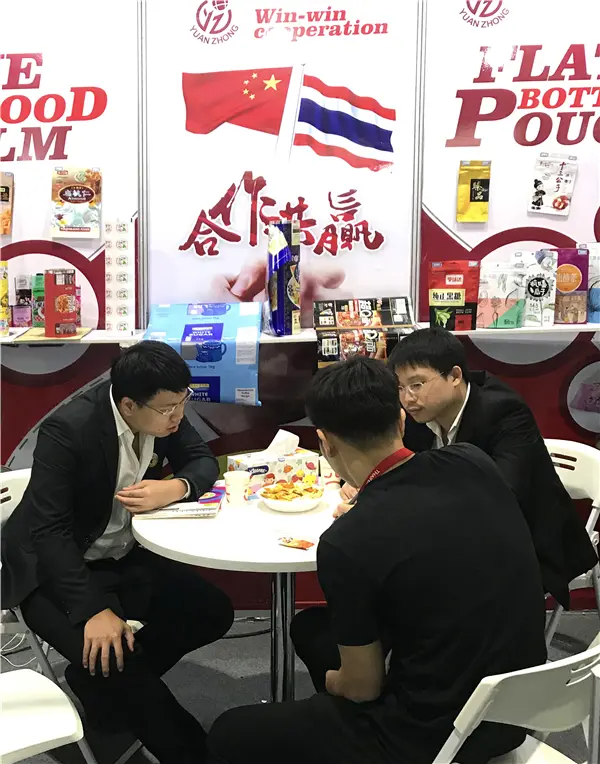
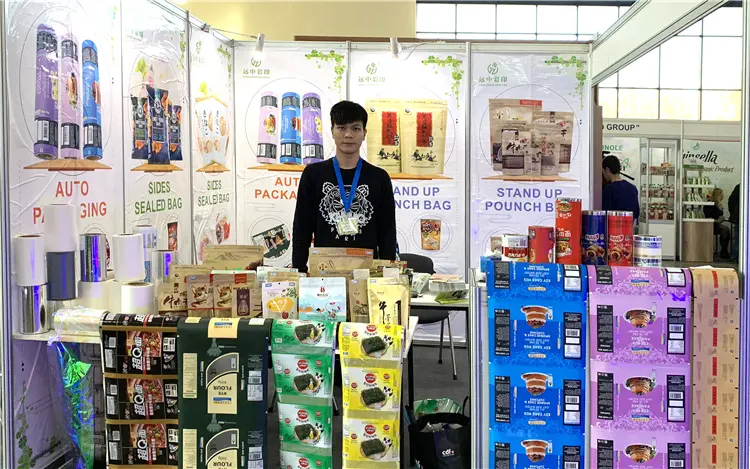
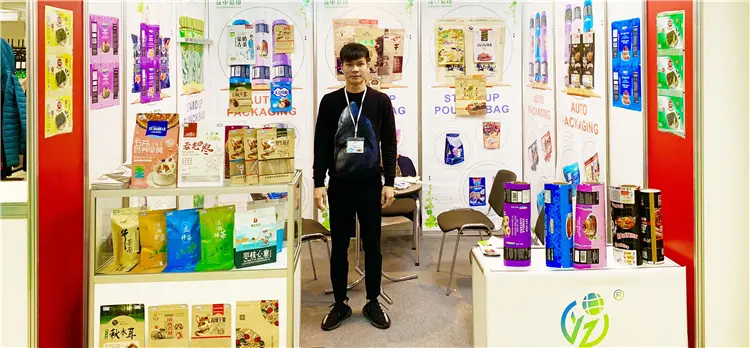
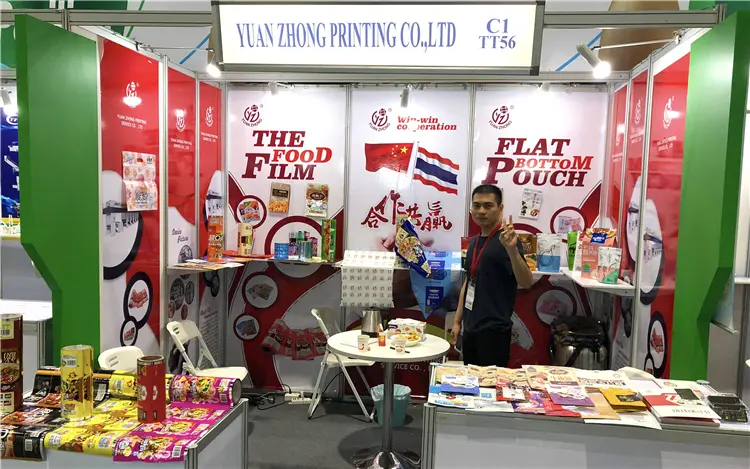
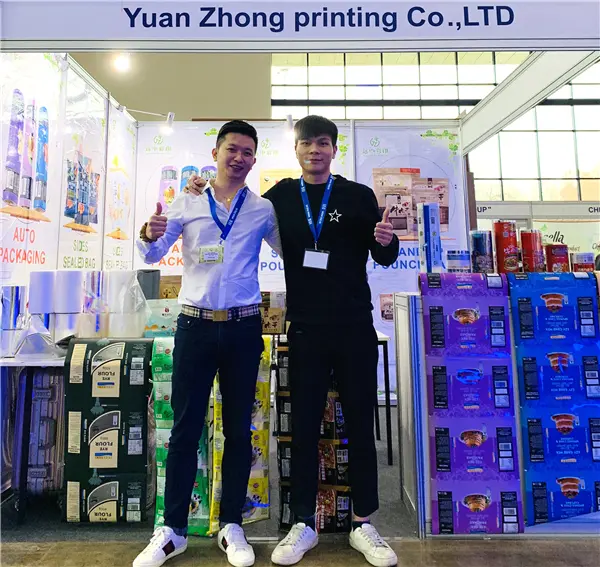
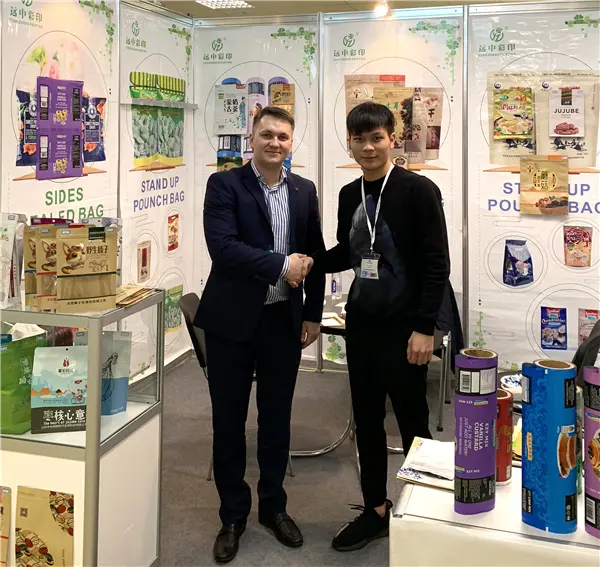
Providing custom packaging solutions for leading global brands.

Technical answers to common queries regarding custom packaging, materials, and production workflows.
Standard production lead times are between 15 to 25 working days after design sign-off and cylinder proof approval. This timeline covers printing plate engraving, rotogravure printing, dry lamination, curing, and pouch converting. Shipping transit times vary depending on the destination.
We customize film structures using specific barrier layers based on product requirements. For maximum barrier protection (OTR/MVTR near zero), we use Aluminum Foil (AL) or Metallized PET (VMPET). For applications requiring product visibility, we utilize EVOH or ALOX coatings, which keep the bag transparent while providing gas barriers.
Yes, our food-grade packaging materials are manufactured in compliance with international standards, including FDA and European food contact directives. We supply test certificates for the resins and films used in our laminated structures to ensure product safety.
Rotogravure printing uses engraved cylinders to transfer ink onto the film substrate. It is highly efficient for large production runs, offering excellent print quality and a low per-unit cost. Digital printing is suitable for short runs or rapid prototyping because it does not require cylinders, though it has higher unit costs for large volume orders.
Yes, we produce recyclable stand-up pouches using mono-material laminates (such as MDO-PE/PE structures). These packaging options are designed for standard recycling streams. We also process compostable structures and kraft paper laminates for brands looking for alternative materials.
For liquid packaging, like our 5L spouted doypacks, we use robust laminated structures containing Nylon (PA) to provide puncture resistance. We also use specialized low-temperature sealing LLDPE polymers to ensure strong hermetic seals. Each batch undergoes rigorous testing, including burst and drop tests, to prevent leaks.
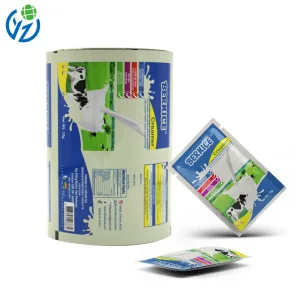
MOQs depend on the size and type of packaging. For roll stock film, the minimum order is typically 500 kg per design. For pre-formed stand-up pouches, the MOQ generally ranges from 10,000 to 20,000 pieces per size, depending on the dimensional specifications and printing requirements.
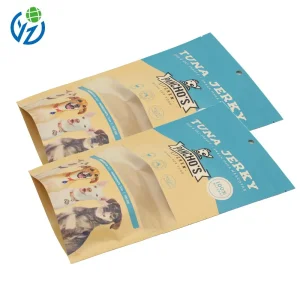
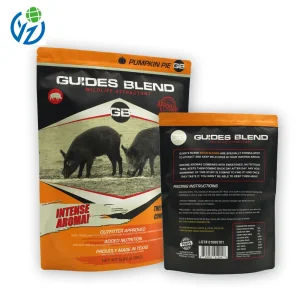
Pet food packaging requires barrier protection against grease, moisture, and light. We recommend a multi-layer structure like PET/AL/PE for premium shelf stability, or PET/NY/PE for packaging that requires high impact strength. Our engineering team will recommend a laminate formulation based on your product weight and shelf-life requirements.
Select specialized bag configurations, roll films, and customizable pouch structures designed for target applications.
 Yuanzhong Printing