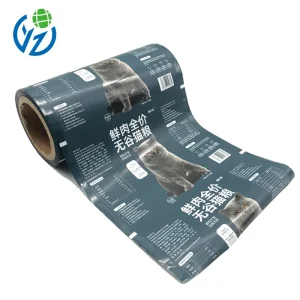
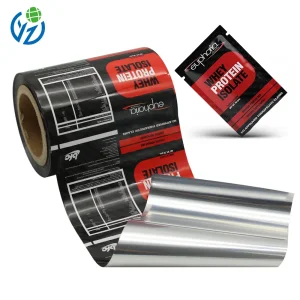
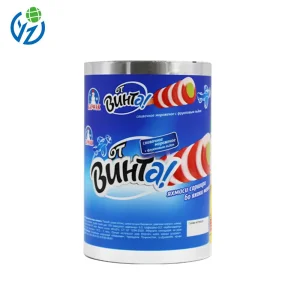
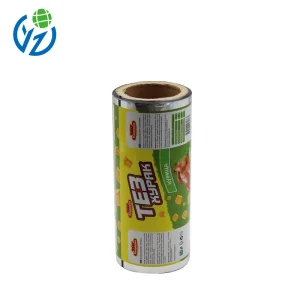
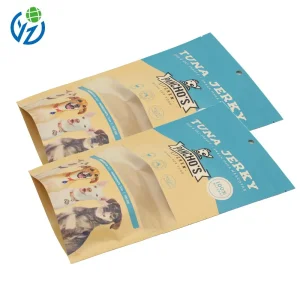
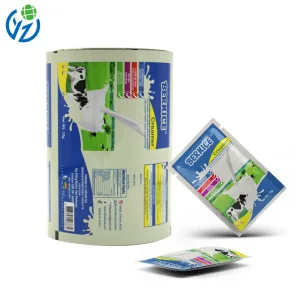
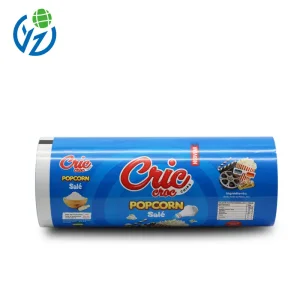
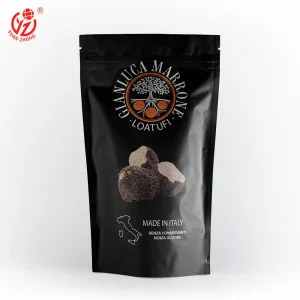
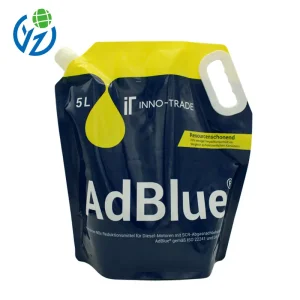
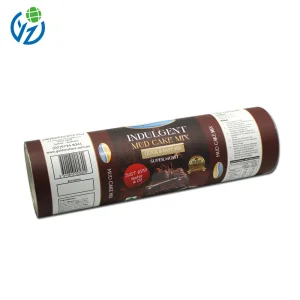
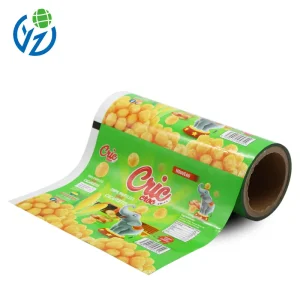
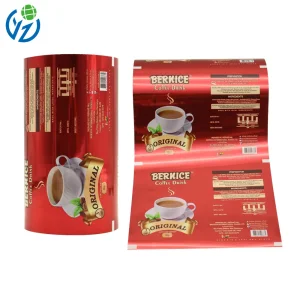
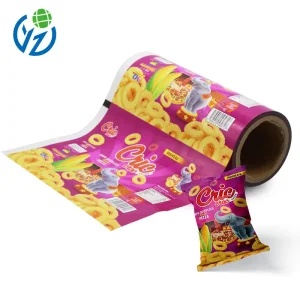
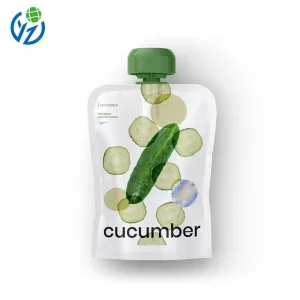
Engineered high-barrier films and eco-friendly custom laminations manufactured directly in our state-of-the-art facilities.
Jieyang Yuanzhong Printing Co., Ltd. stands as a premier leader in the global packaging printing industry. Established in 2001 and strategically located in the Jiedong District of Jieyang City, Guangdong Province, China, we boast over two decades of technical expertise. We dedicate our advanced manufacturing capabilities to serving diverse packaging needs with unmatched quality, integrity, and client satisfaction.
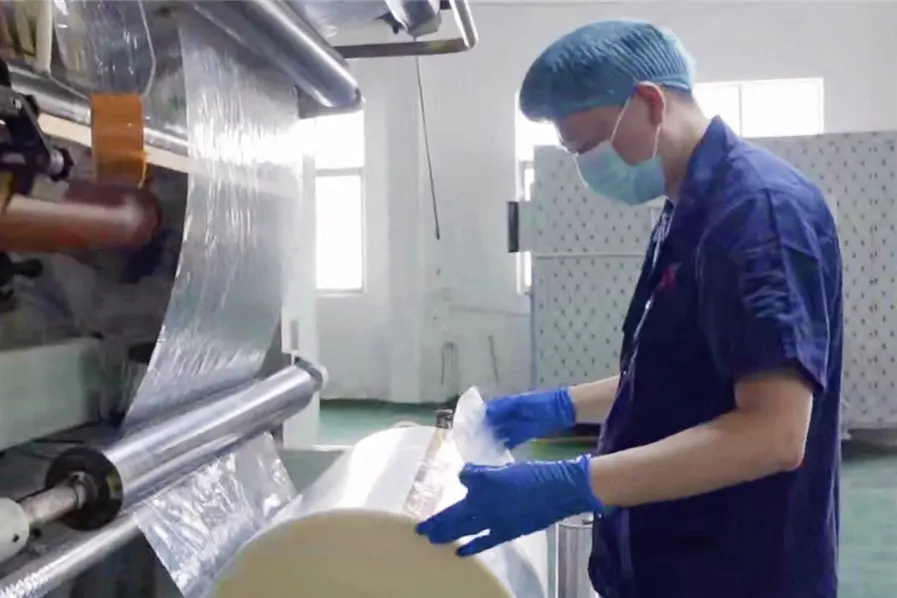
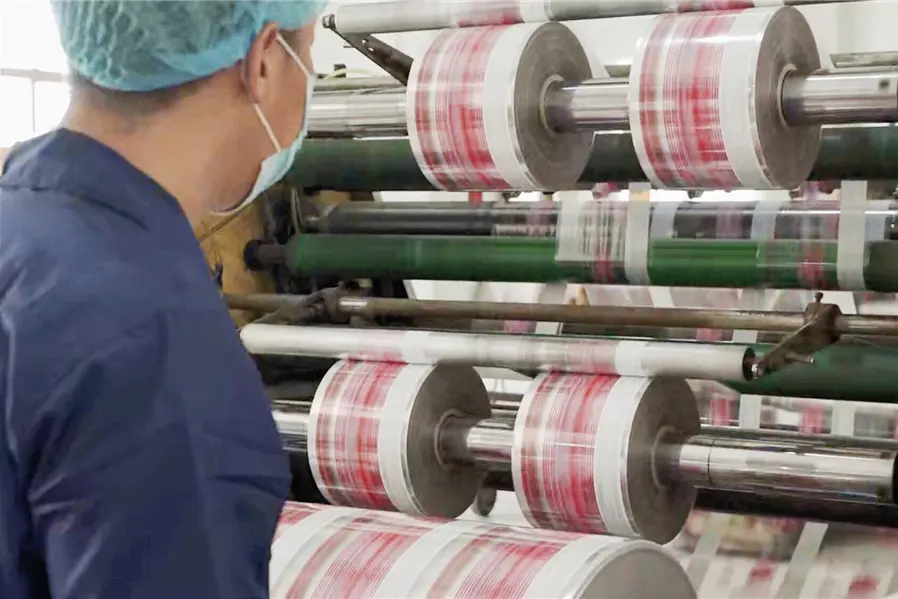
Yuanzhong Pack specializes in high-fidelity packaging decoration printing, as well as the specialized production and processing of plastic packaging bags. To maintain our reputation for premium output, we have built state-of-the-art facilities equipped with imported high-performance assets, including advanced Japan Komori fully automatic printing production lines.
With a massive monthly manufacturing volume exceeding 240 tons, we comfortably satisfy the high-volume demand of growing brands, global enterprises, and wholesale distributors. Our strong export network bridges barriers, seamlessly serving clients in over 30 countries globally with customized flexible packaging structures.
A professional whitepaper analyzing engineering standards, barrier chemistry, and supply-chain efficiency for global enterprises.
"In the specialty coffee sector, packaging design directly impacts flavor retention. Preserving volatile organic compounds (aromatic profiles) requires sophisticated gas barrier structures that prevent oxidation and moisture ingress over extended shelf cycles."
The global coffee industry has experienced a significant structural shift. As specialty coffee roasters, e-commerce brands, and instant coffee producers expand their footprint, the demand for high-performance flexible packaging continues to scale. Traditional rigid containers are increasingly replaced by flexible stand-up pouches (Doypacks), flat-bottom pouches, and side-gusset bags. This change is driven by their lower carbon footprint, reduced shipping weight, and excellent branding potential.
Modern coffee packaging must manage internal gas release while blocking external contaminants. Freshly roasted coffee releases significant volumes of carbon dioxide (CO2). If sealed in an airtight bag without ventilation, the gas will cause the package to swell and potentially rupture. Conversely, exposure to oxygen (O2) causes the essential oils and lipids in the beans to go rancid, degrading the flavor profile within days.
To solve this, modern pouch design integrates one-way degassing valves. These valves allow built-up CO2 to escape from the sealed bag without letting external oxygen enter. Combined with multi-layer laminate barriers, this technology preserves premium single-origin coffees for up to 12–18 months.
The performance of a coffee pouch depends on its multi-layer structure, which is engineered to meet specific barrier requirements:
Laminating aluminum foil or high-barrier VMPET blocks UV light, humidity, and oxygen transmission to preserve aroma.
Integrated degassing valves release internal CO2 pressure while preventing external oxygen from entering the bag.
Ergonomic pocket zippers, press-to-close tracks, and tin-ties support easy resealing and maintain product freshness after opening.
For international sourcing directors, partnering with experienced Chinese manufacturers like Jieyang Yuanzhong Printing Co., Ltd. offers clear cost and production advantages. China's flexible packaging supply chain features vertically integrated raw material networks, efficient tooling and plate-making services, and advanced, automated production machinery.
We manufacture in the Jiedong District of Jieyang City, utilizing local access to raw polymers, solvents, films, and valves. This cluster effect shortens manufacturing cycles, allowing us to source materials, print, laminate, and shape pouches in a single continuous workflow.
By combining Japanese precision technology—like our Komori printing lines—with local labor efficiencies and automated systems, we deliver cost savings to our clients without compromising on quality control. With a monthly capacity exceeding 240 tons, our factory can scale production rapidly to support large retail launches and peak seasonal demand.
Customized coffee pouches serve distinct functions across different retail and distribution channels:
The flexible packaging sector is moving quickly toward circular economy designs. Global regulations, such as the EU's Packaging and Packaging Waste Regulation (PPWR), are driving demand for mono-material laminates (typically pure PE or PP structures). These designs can be recycled in existing polymer recycling streams.
Another growing trend is compostable barrier films. Combining biodegradable paper shells with compostable PLA (Polylactic Acid) or PBS inner films allows brands to offer plastic-free packaging options. As valve technology evolves, manufacturers are also developing compostable degassing valves, ensuring the entire bag can degrade safely in industrial composting facilities.
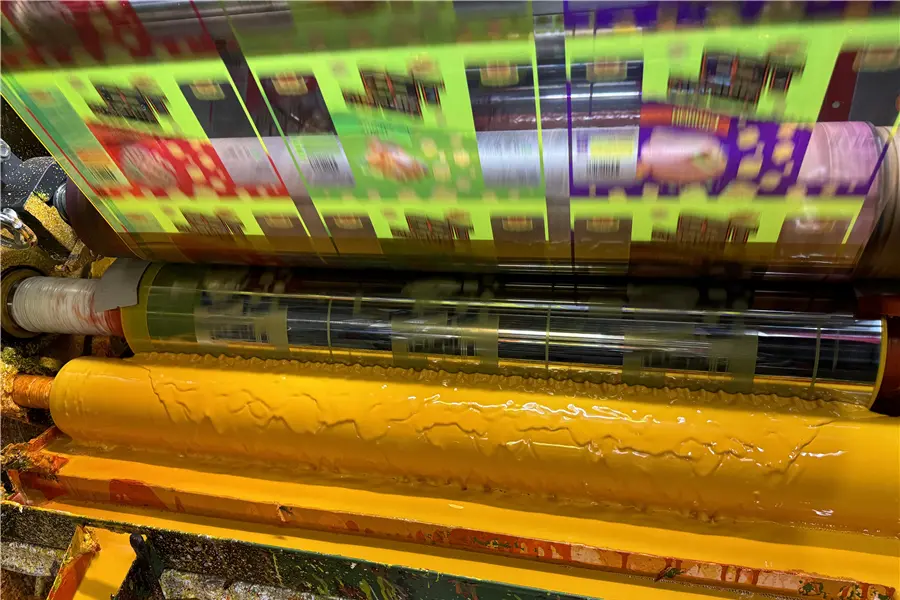
As a type of printing technology, gravure printing occupies an extremely important position in the field of printing and packaging due to its advantages such as thick ink layer, bright colors, high saturation, high plate durability, stable print quality, and fast printing speed.
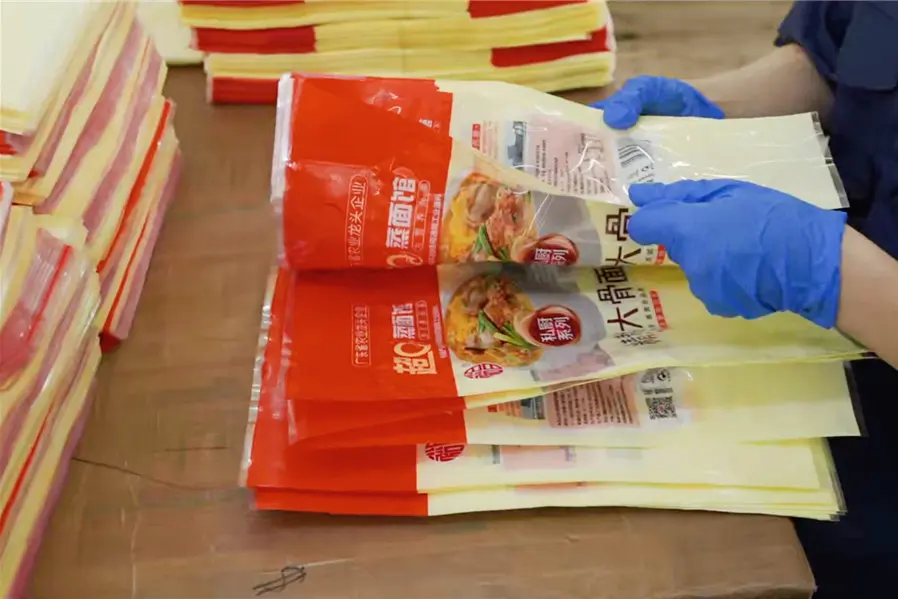
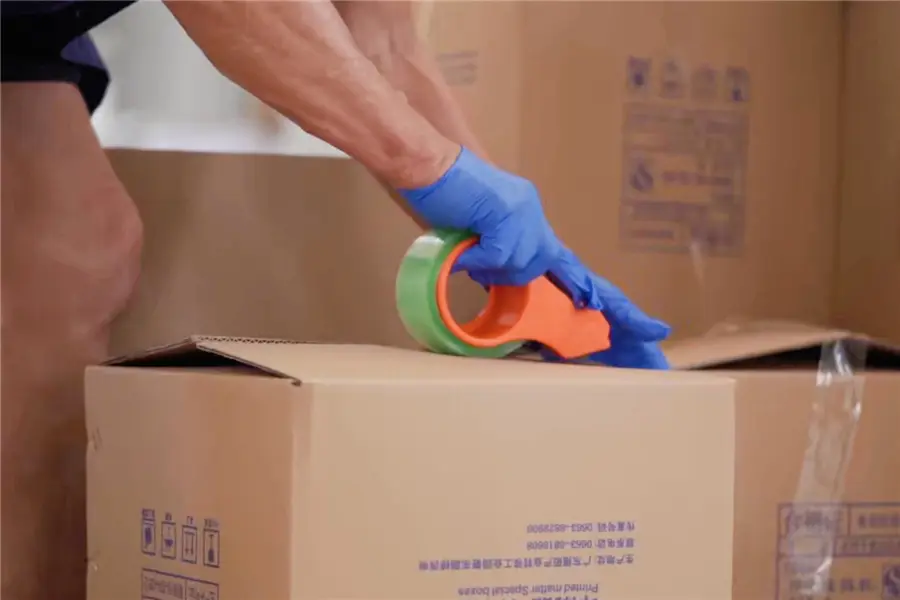
Exploring the World Through Exhibitions: A Journey Across More Than 10 Countries
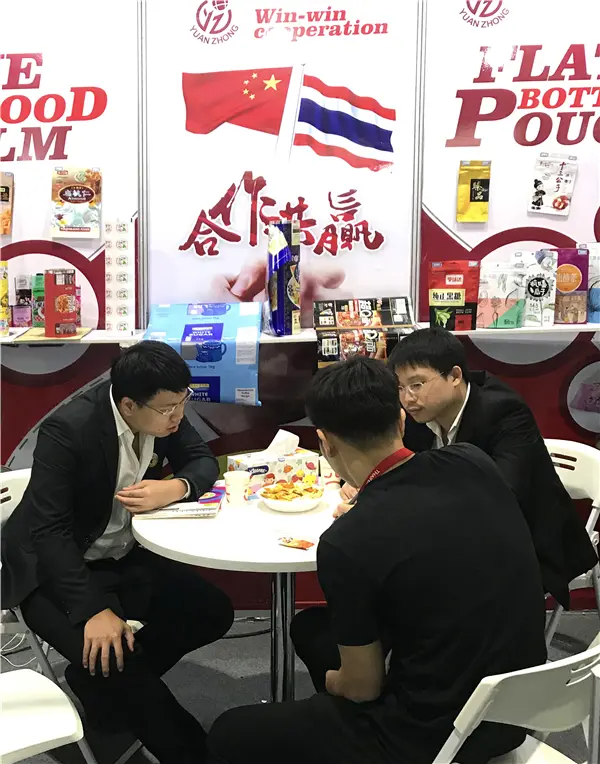
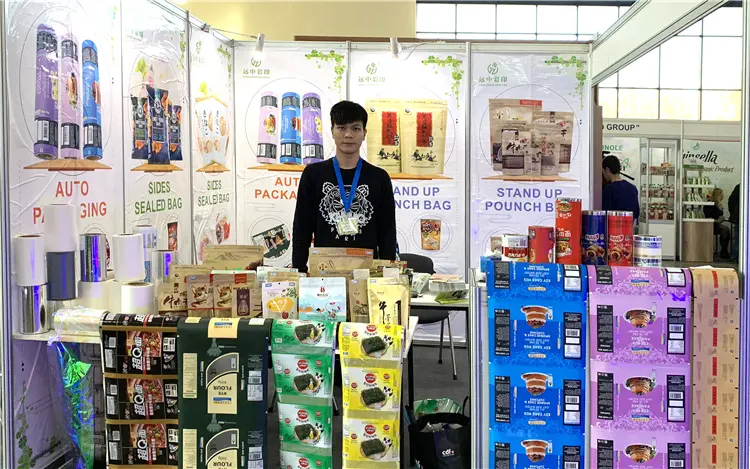
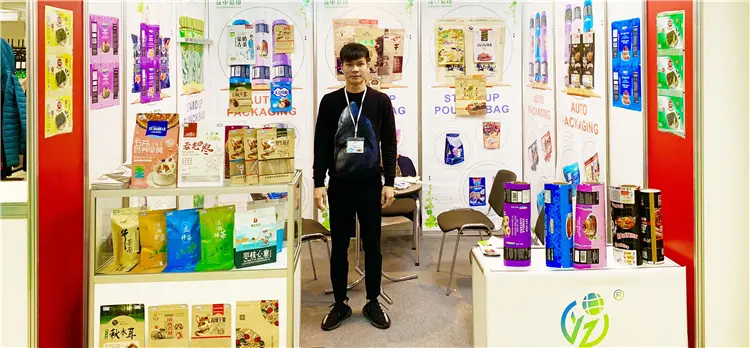
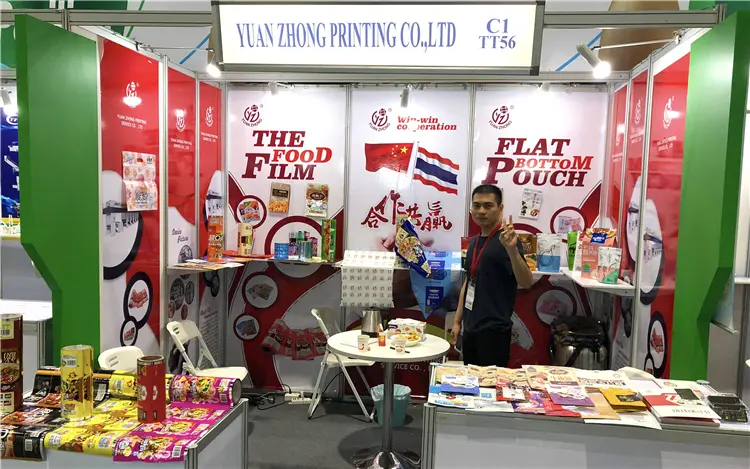
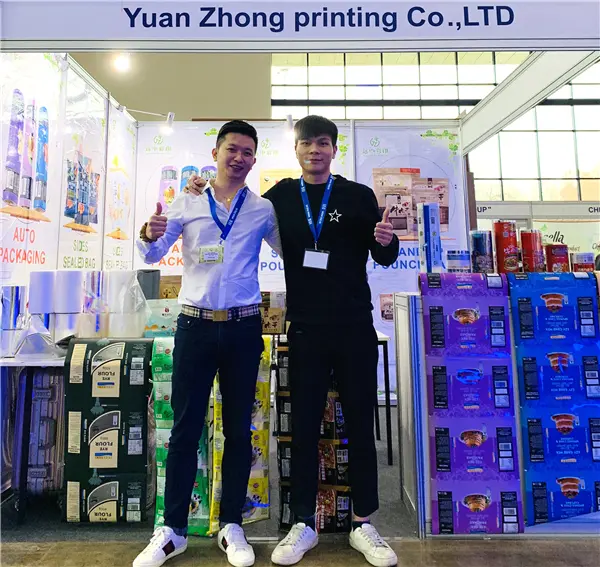
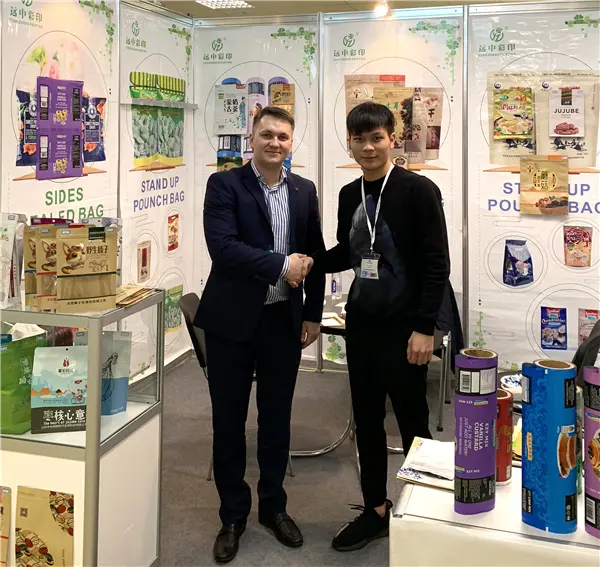
Cooperating with More Than 20 Brands: A Testament to Our Commitment to Excellence



Technical answers regarding materials, customizable specifications, order volumes, and shipping logistics.
Freshly roasted coffee beans release carbon dioxide (CO2). A one-way degassing valve allows this gas to escape from the sealed pouch, preventing the bag from swelling or bursting. At the same time, it blocks external oxygen from entering, protecting the beans from oxidation and preserving their aroma.
We typically use multi-layer laminate structures: an outer layer of PET, Kraft paper, or BOPP for print quality and strength; an intermediate layer of Aluminum Foil (AL) or VMPET for high barrier protection; and an inner layer of LLDPE for heat sealing. Custom structures, such as metal-free and recyclable options, are also available.
Gravure printing uses engraved cylinders to transfer ink, making it ideal for large-volume production. It provides deep ink laydown, vibrant colors, and precise detail. While setup costs are higher, the per-unit cost drops significantly for medium to large production runs compared to digital printing.
MOQs vary depending on the pouch design, dimensions, and material structure. Generally, for custom rotogravure printed pouches, the MOQ starts around 10,000 to 20,000 units per design. This volume is dictated by the minimum raw material runs required for efficient machine lamination and setup.
Yes, we manufacture eco-friendly options, including mono-material recyclable PE/PE laminates and biodegradable Kraft paper pouches. These structures are designed to meet international environmental regulations while maintaining high barrier performance.
We use imported production equipment, including our Japan Komori printing lines, which feature computerized registration and quality controls. We monitor key parameters throughout production, including bond strength, seal integrity, and barrier performance, to ensure consistent quality across all batches.
High-barrier structures and custom pouch formats engineered for global brands and retail applications.
 Yuanzhong Printing