Engineered high-barrier packaging direct from China's leading ISO-certified manufacturing facility
An authoritative analysis of flexible packaging engineering, compliance protocols, and manufacturing scaling
In the modern consumer packaged goods (CPG) and industrial fluid sectors, the transition from rigid packaging containers (such as PET bottles, glass jars, and metal cans) to high-performance, spouted stand-up pouches is accelerating. As a premier China Stand Up Pouch Spout Manufacturer, Jieyang Yuanzhong Printing Co., Ltd. is at the forefront of this architectural shift. Driven by requirements for carbon footprint reductions, e-commerce transport survival, and dynamic shelf-space efficiency, global brands are adopting flexible liquid laminate structures to enhance yield and lower lifecycle cost.
This technical document provides procurement executives, packaging engineers, and supply-chain directors with a detailed analysis of liquid stand-up pouch engineering. Through raw material optimization, precision rotogravure reproduction, state-of-the-art lamination, and automated spout insertion technology, modern factories are addressing critical operational requirements.
"The adoption of flexible packaging with fitments reduces raw material usage by up to 60% compared to rigid plastics, while decreasing distribution shipping emissions due to significantly nested shipping density prior to filling."
The containment of liquid, viscous, or oxygen-sensitive materials requires bespoke multilayer structures engineered to counter physical stressors. A typical liquid pouch requires a complex laminate designed to handle mechanical loads and chemical reactions.
| Barrier Type | Common Layer Structure | OTR (cc/m²/24hr) | WVTR (g/m²/24hr) | Primary Application |
|---|---|---|---|---|
| Ultra-High Barrier | PET / AL / NY / LLDPE | < 0.1 | < 0.1 | Retort food, active chemicals, highly volatile oils |
| High Barrier | PET / VMPET / NY / LLDPE | < 1.0 | < 0.5 | Juice concentrates, dynamic purees, baby foods |
| Medium Barrier | PET / NY / LLDPE | < 30 | < 1.5 | Liquid soap, fabric softeners, household detergents |
| Sustainable Mono-Material | MDO-PE / Barrier-PE / PE | < 2.0 | < 1.2 | Recyclable retail products, short-shelf-life fluids |
The weakest point of any flexible liquid packaging is the boundary layer where the rigid plastic spout is welded to the flexible film. To prevent leakages and ensure drop-test durability, Jieyang Yuanzhong Printing Co., Ltd. implements precision thermal sealing protocols.
Modern spouts feature molded horizontal rib profiles (welding rings) along their base. During high-frequency sealing, these ribs act as energy directors. They melt and fuse with the inner LLDPE liner of the pouch laminate. By applying precise temperature control, dwell time, and pressure, we eliminate micro-channeling. This ensures the hermetic integrity of the seal, preventing product leakage even under shipping pressure.
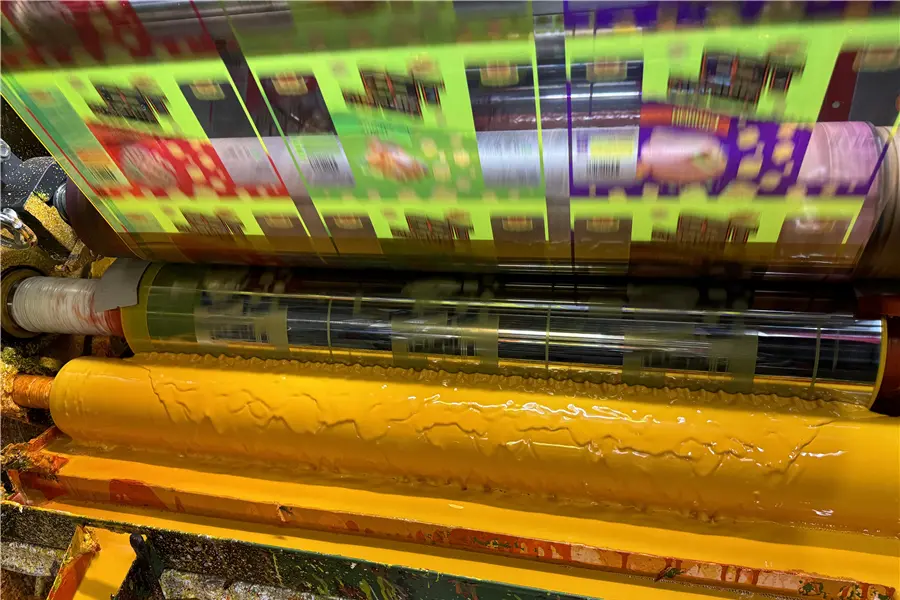
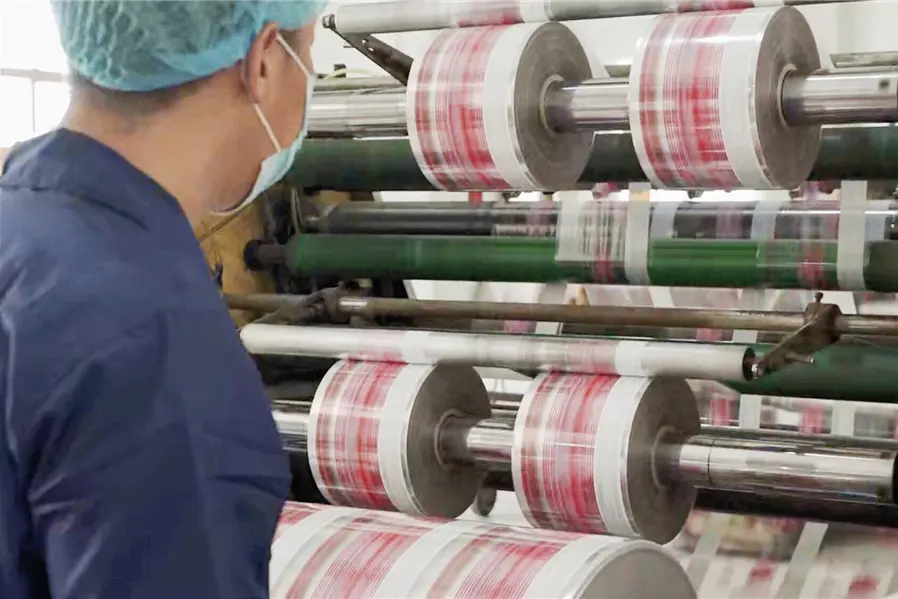
Our facility houses advanced manufacturing technology, including Japan Komori fully automatic printing production lines. Gravure printing provides the ink density, registration control, and high output speeds needed for large-scale production.
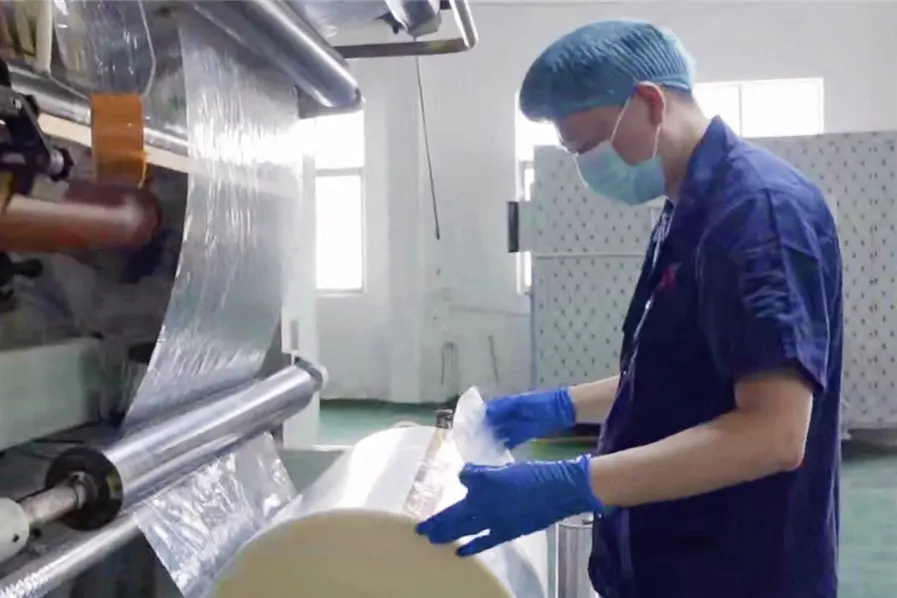
Our engineering roadmap integrates automated web-guiding systems, real-time print defect detection, and precise spout-insertion equipment. Automated in-line inspection systems verify that every spout is correctly placed, aligned, and sealed before packing.
Ensuring print registration, layer adhesion, and seal integrity through automated technology
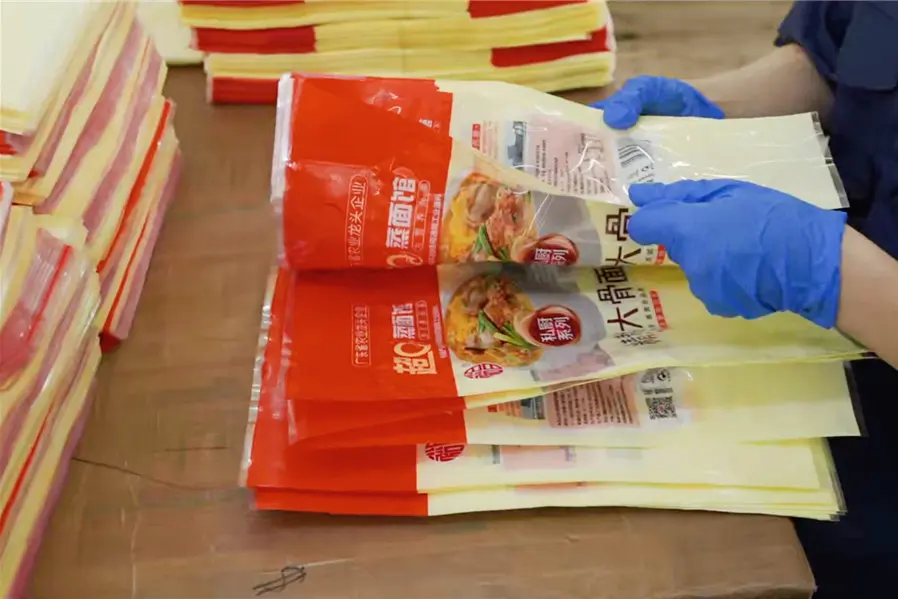
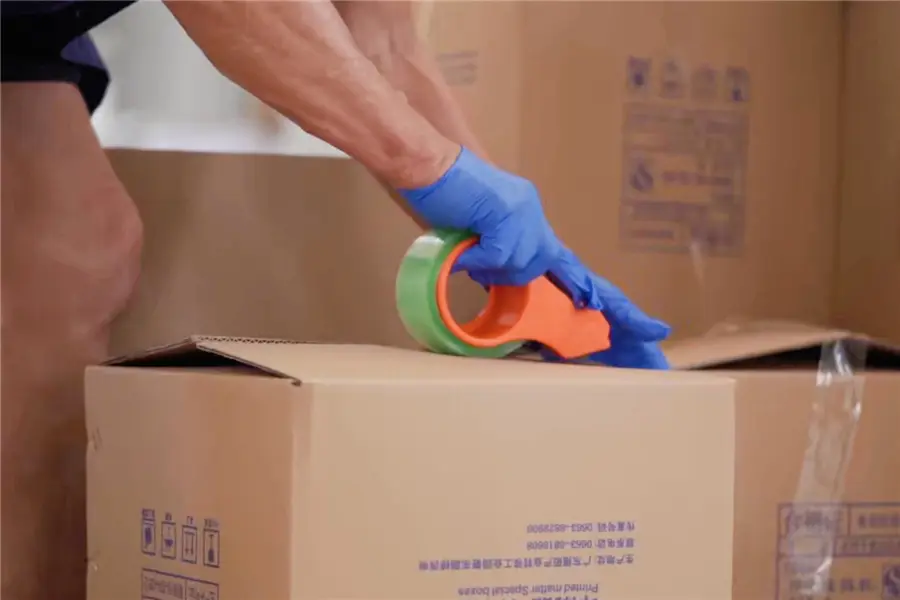
Flexible spouted pouches are customized for specific performance needs depending on the product, distribution chain, and filling conditions. Our technical team works with brand partners to match material properties to their application requirements:
Products like organic baby food, fruit purees, yogurt snacks, and energy gels require high-integrity barriers. High-oxygen-barrier films and hot-fill compatibility (up to 85°C–90°C) prevent contamination and extend shelf life without chemical preservatives. In addition, we offer child-safe, large-diameter caps to prevent choking hazards.
Refill packs for liquid hand soap, laundry detergent, fabric softeners, and hand sanitizers face challenges with chemical compatibility. Liquid chemicals can degrade standard sealant layers, leading to delamination. To address this, we use chemical-resistant, co-extruded barrier layers that resist degradation and maintain structural integrity.
For windshield washer fluids, engine oils, chemical additives, and industrial adhesives, packaging durability is key. Our structures feature high puncture resistance and burst-tested seals to withstand vibration and impact during transport.
With growing global focus on circular economies and strict regulatory rules (such as the EU Packaging and Packaging Waste Regulation), we are committed to sustainable material engineering.
We offer recyclable mono-material structures (such as PE-only or PP-only laminates) that provide necessary oxygen and moisture barrier performance while remaining fully compatible with modern municipal recycling systems. Our solvent-free lamination processes reduce Volatile Organic Compound (VOC) emissions, helping clients meet environmental compliance goals.
Showcasing high-barrier flexible packaging innovations across more than 10 countries
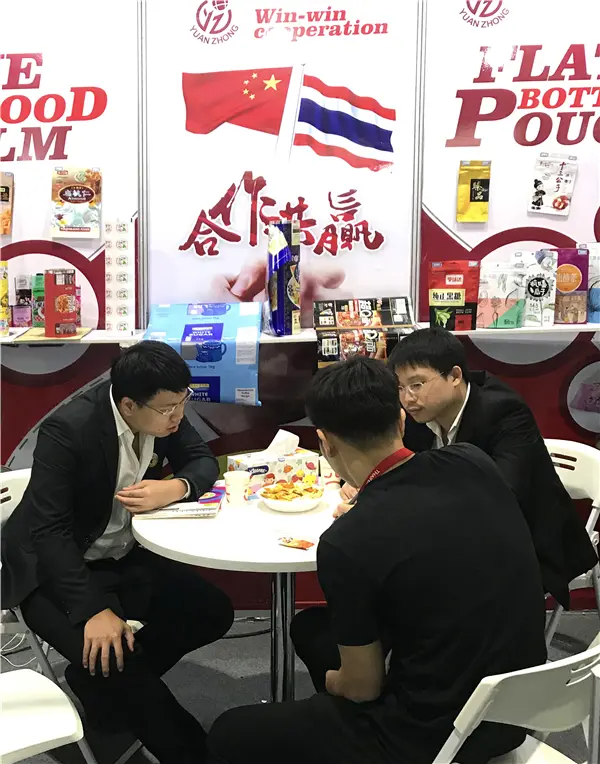
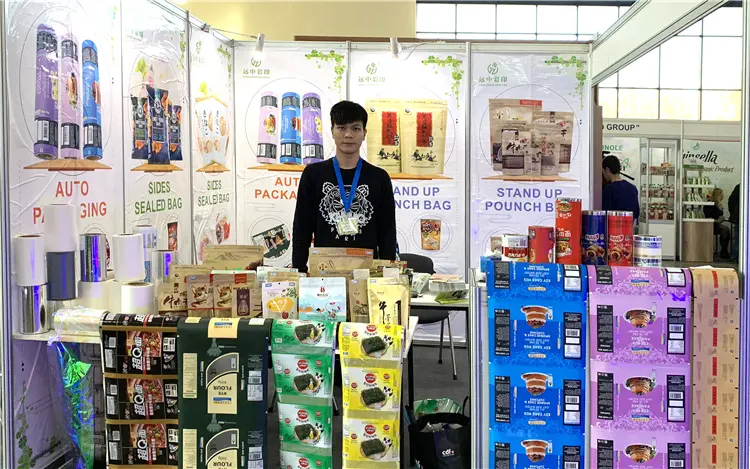
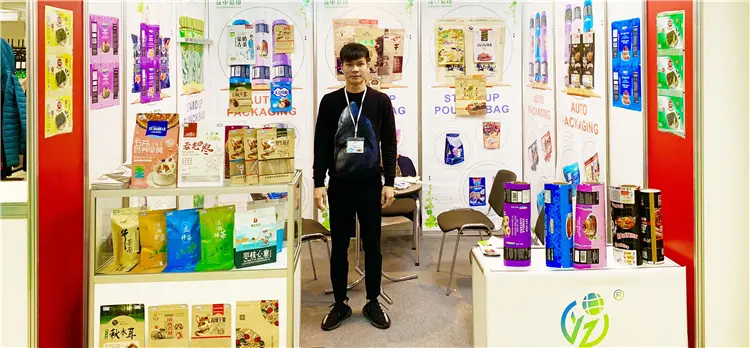
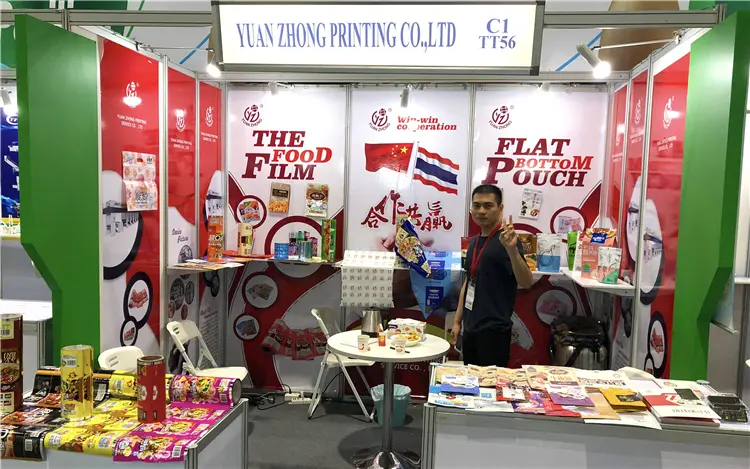
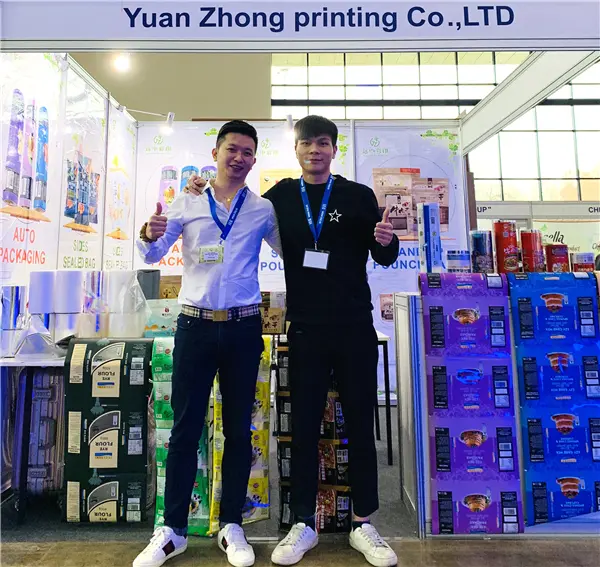
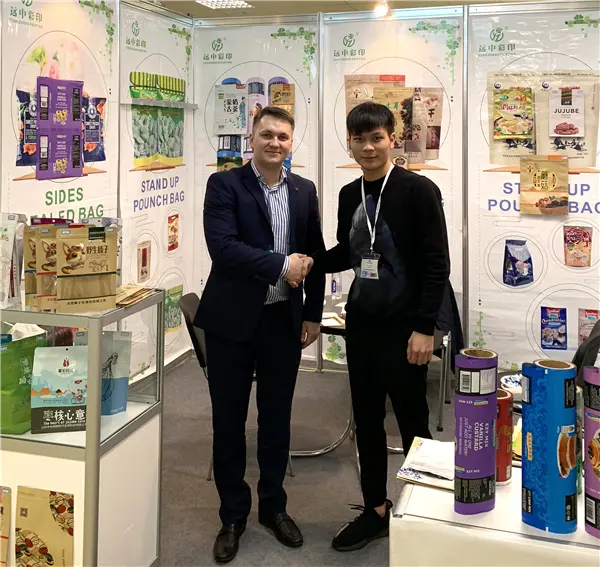
Providing high-barrier flexible packaging solutions for leading global brands






Professional insights on material specifications, customization capabilities, and logistics
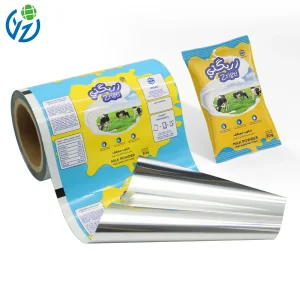
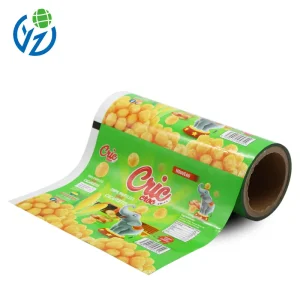
High-speed roll stocks, dry-mix barriers, and custom shaped pouches for global distributors
 Yuanzhong Printing