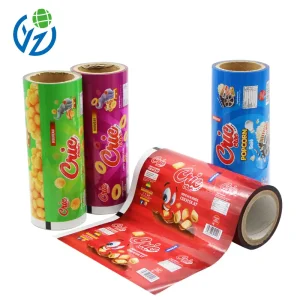
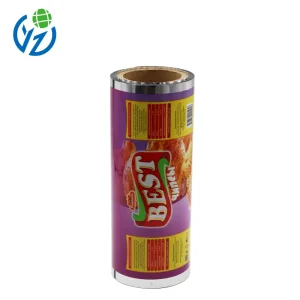
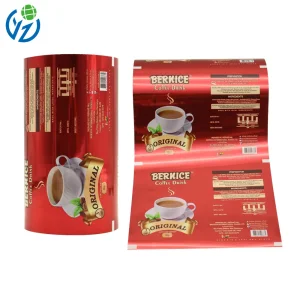
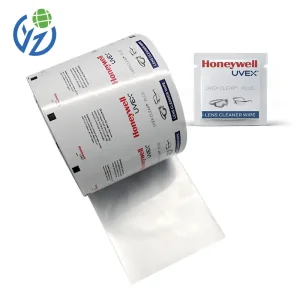
Engineered for high-barrier performance, mechanical durability, and optimal freshness.
The global food packaging landscape is undergoing a critical transition. Modern supply chains demand packaging materials that do not simply enclose food products, but actively preserve their chemical, physical, and sensory attributes. As a leading China plastic film manufacturer, we recognize that the primary function of packaging is to engineer a controlled micro-environment.
By integrating advanced raw material formulations, including linear low-density polyethylene (LLDPE), biaxially oriented polypropylene (BOPP), metallized polyester (VMPET), and ethylene vinyl alcohol (EVOH), we solve the industry’s most persistent shelf-life challenges. Our engineering focuses on minimizing Oxygen Transmission Rates (OTR) and Water Vapor Transmission Rates (WVTR), preventing oxidation, structural loss, and product spoilage.
With global regulations penalizing multi-material complex plastics, the industry is transitioning toward recyclable mono-material structures (such as PP/PP or PE/PE laminates) and biodegradable barrier PLA layers. We help global brands re-engineer their packaging lines to achieve sustainability without compromising barrier performance.
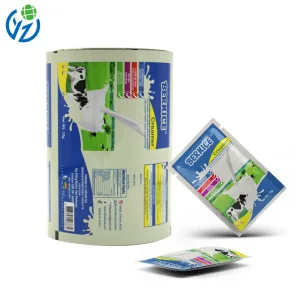
Modern packaging factories utilize ultra-high-speed Vertical Form-Fill-Seal (VFFS) and Horizontal Form-Fill-Seal (HFFS) equipment. Our films are produced with optimized Coefficient of Friction (COF) profiles, ensuring flawless tracking, high hot-tack strength, and wide heat-sealing window parameters.
Understanding structural configurations is key to matching user intent and product compatibility.
| Structure Matrix | OTR (cc/m²/24hr) | WVTR (g/m²/24hr) | Optimal Food & Industrial Applications | Key Physical Properties |
|---|---|---|---|---|
| PET / LLDPE | 50 - 80 | 3.0 - 5.0 | Fresh food, standard snacks, powder packaging | Excellent transparency, mechanical gloss, puncture resistance. |
| PET / VMPET / LLDPE | 1.5 - 2.5 | 0.5 - 1.0 | Coffee rolls, milk powders, dehydrated foods | High metallic barrier against light oxidation and flavor loss. |
| BOPP / VMCPP | 25 - 45 | 1.5 - 2.5 | Puffed snacks, chips, light biscuits | Excellent crisp-retention, exceptional hot tack, high cost-efficiency. |
| PET / AL / LLDPE | < 0.1 | < 0.1 | Long shelf-life liquids, medical cotton pads, pet foods | True hermetic metal foil barrier, complete light exclusion. |
| Mono-PP (MOPP / Cast PP) | 30 - 60 | 2.0 - 3.5 | Eco-conscious brands, dry bakery, dry snacks | 100% recyclable mono-material structure aligning with EU directives. |
Established in 2001, Jieyang Yuanzhong Printing Co., Ltd. has stood at the forefront of the flexible packaging manufacturing sector for over two decades. Situated strategically in the Jiedong District of Jieyang City, Guangdong Province, China, our company represents a perfect synergy of advanced manufacturing capabilities, raw material mastery, and client-centric customized solutions.
We specialized in high-definition packaging decoration printing, laminated plastic packaging rolls, and custom pre-formed pouch conversion. To maintain our position as a premier factory, we continually invest in state-of-the-art infrastructure. Our production floor houses advanced imported systems, headlined by our Japan Komori fully automatic printing production lines. This level of technology enables us to comfortably achieve a monthly output exceeding 240 metric tons, satisfying the rigorous delivery windows of multi-national food producers.
We export customizable food packaging structures to over 30 countries. Our expert R&D and engineering teams collaborate directly with packaging engineers worldwide to customize barrier materials, dimensions, and visual finishes that align perfectly with local market needs.
Our commitment to precision: We utilize advanced gravure printing technology, offering high ink density, vibrant color saturation, exceptional plate durability, and stable print quality at rapid speeds.
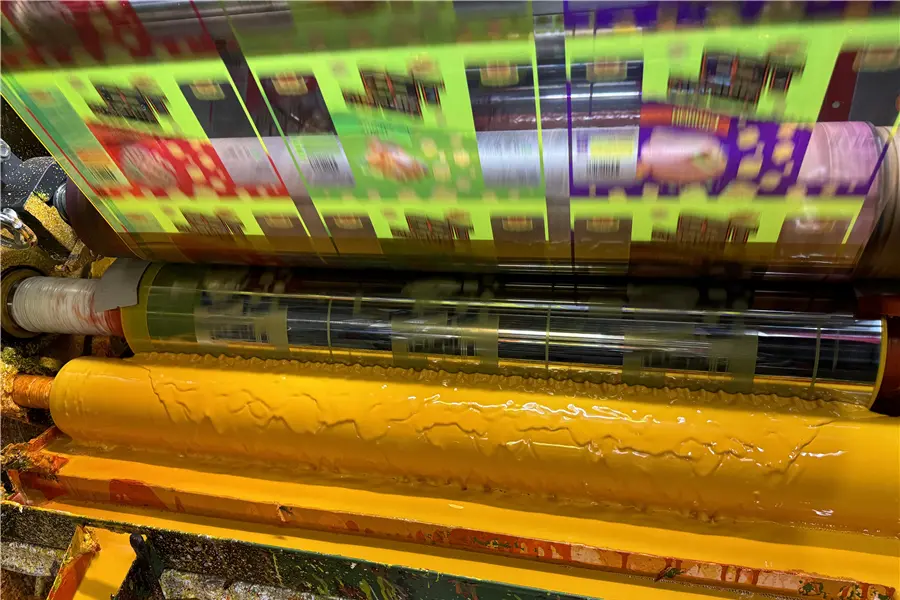
Multi-color high-definition gravure ink transfer
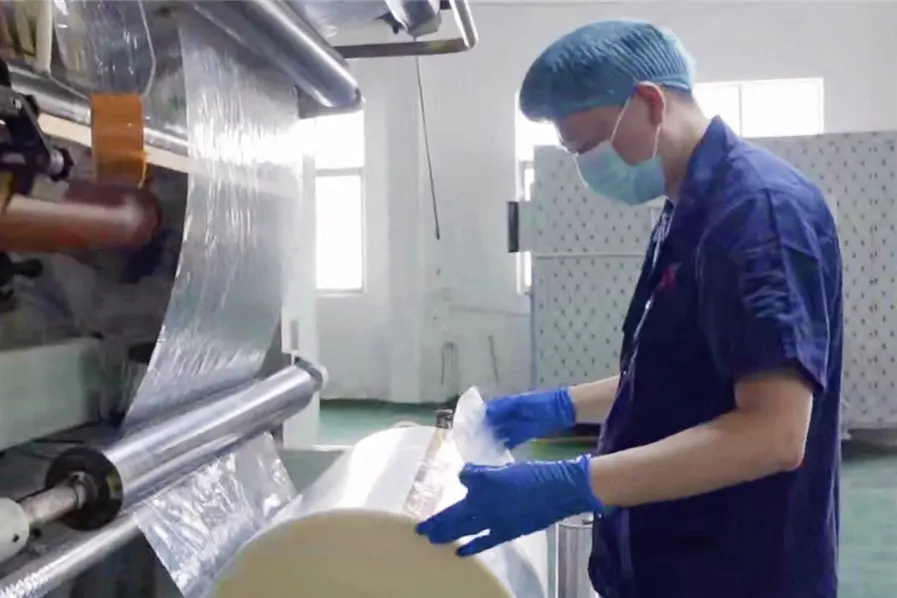
Solvent-free dry lamination of film layers
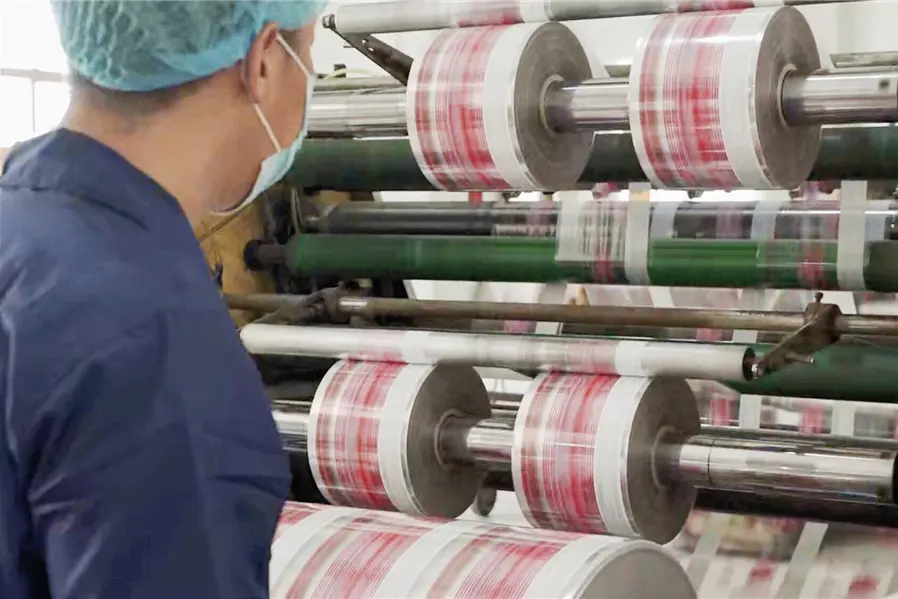
Precision roll slitting to requested width specs
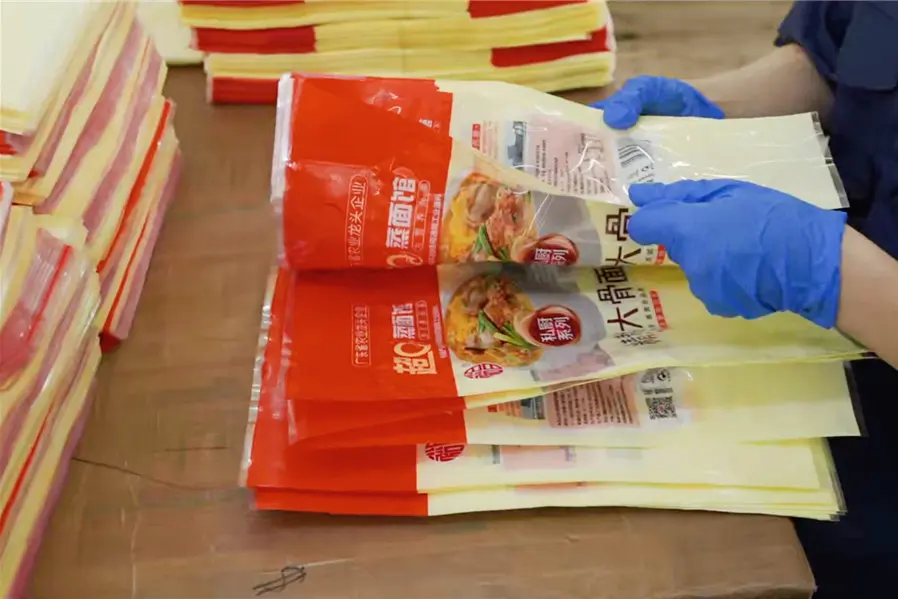
Thermal sealing and pre-formed pouch conversion
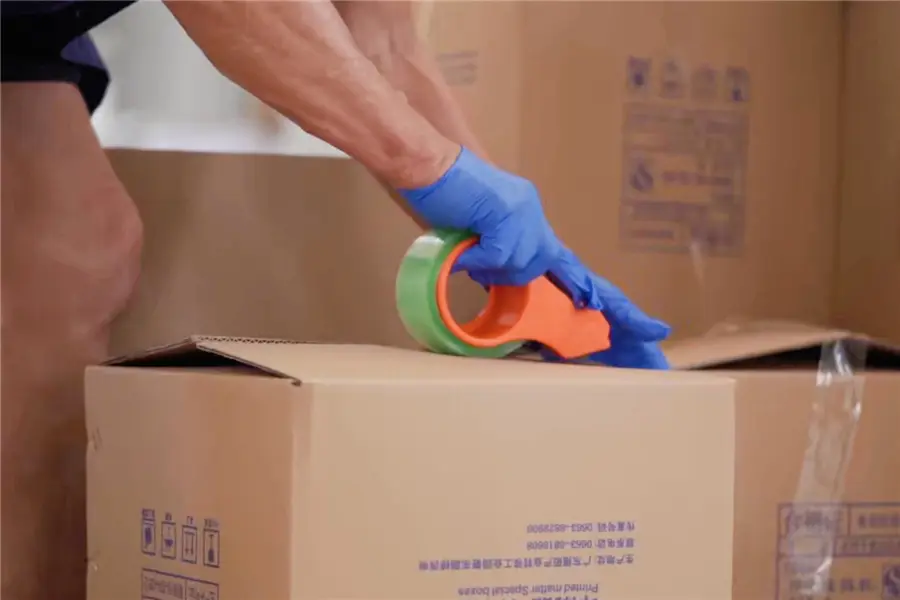
Secure shipping protection & quality check passing
Providing specialized materials designed to perform under high stress and maintain absolute product safety.
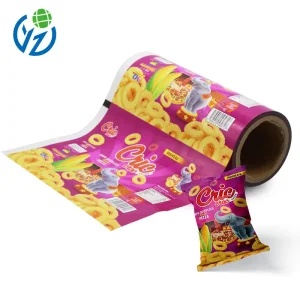
Puffed foods and snacks require specific nitrogen gas-flushing properties to prevent physical crushing and oil rancidity. Our high-slip BOPP/VMCPP structures offer exceptional seal-through-contamination capabilities, maintaining high pressure and protecting delicate products during long-distance shipping.
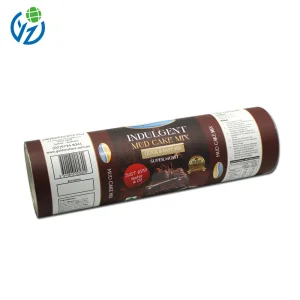
Coffee beans continuously release CO₂ while remaining highly sensitive to oxygen and moisture ingress. Our tri-layer foil laminates (PET/AL/PE and PET/VMPET/PE) are built to integrate with one-way degassing valves, maintaining roasted profiles, preventing flavor escape, and extending shelf stability for up to 24 months.
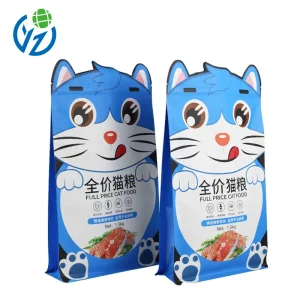
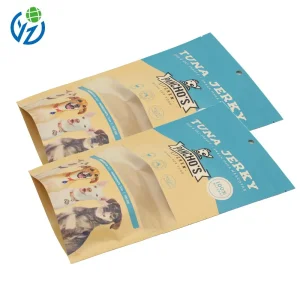
Large volume pet foods demand superior puncture resistance and high load-bearing properties. We use heavy-duty multi-layer co-extruded structures equipped with ergonomic sliders, press-to-close zippers, or flat-bottom geometries to deliver excellent display capability and consumer convenience.
Packaging alcohol disinfection pads requires specialized chemical resistance. Standard plastics suffer polymer degradation when exposed to high alcohol concentrations. Our engineered composite films utilize specialized chemical-resistant resin layers, preventing chemical leakage and keeping contents sterile.
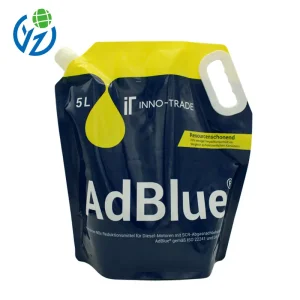
From liquid condiments to institutional 5L refill packs, maintaining sealing integrity along spouted areas is critical. Our proprietary blends of metallocene-catalyzed LLDPE offer superior drop-test performance, seal strength, and flex-crack resistance to ensure zero product leakage.
Our food packaging processes undergo rigorous raw material testing. Every manufacturing batch is fully traceable back to its base resin component. Our factory aligns with food contact regulations, including FDA and EU 10/2011 standards, providing clean laboratory certification with every shipment.
Navigating global regulatory landscapes requires a manufacturer with strict compliance protocols. When sourcing from China, food manufacturers must guarantee that food-contact materials do not migrate harmful elements into food products.
Our materials utilize virgin plastic resins sourced from certified chemical suppliers (ExxonMobil, Dow, Sinopec). Chemical migration limits, heavy metal fractions, and volatile organic compound (VOC) tests are regularly monitored via accredited third-party laboratories.
In addition to raw material safety, we guarantee strict control of post-printing environments. Advanced drying systems remove residual solvents from our gravure processes, ensuring dry, odorless output that aligns with global hygiene expectations.
The next decade of food packaging revolves around reduction, recyclability, and intelligent barrier performance. Our R&D efforts focus on several advancements:
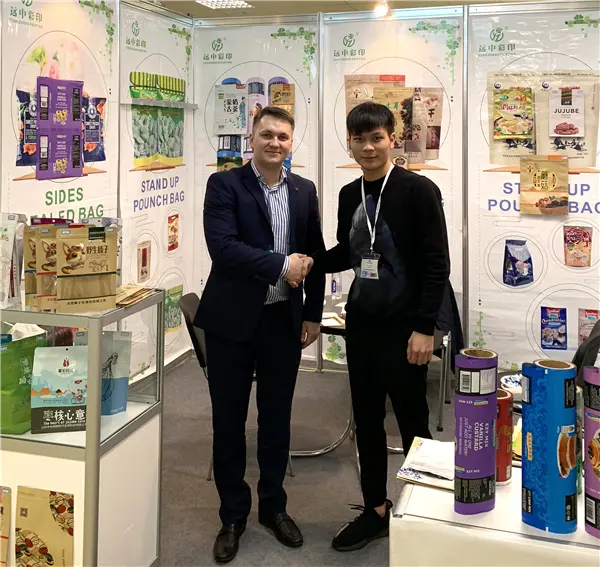
Connecting with clients globally and serving as a trusted partner for industry-leading brands.
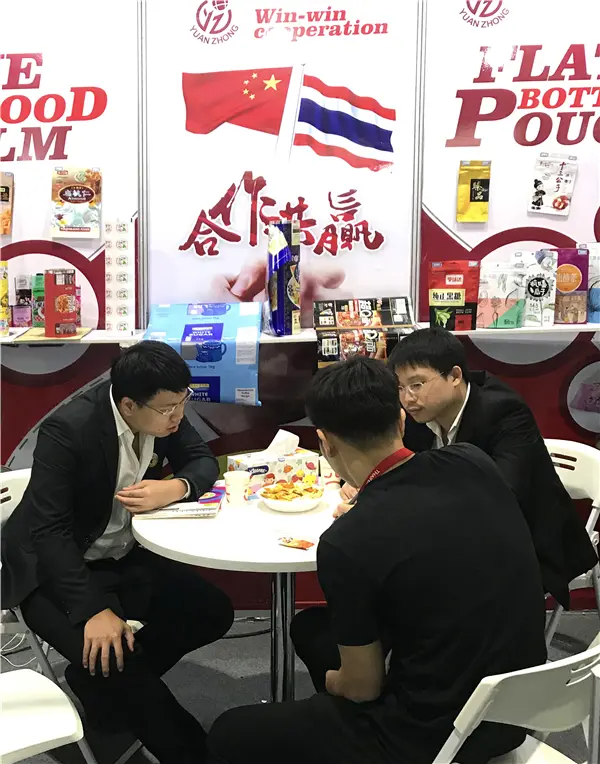
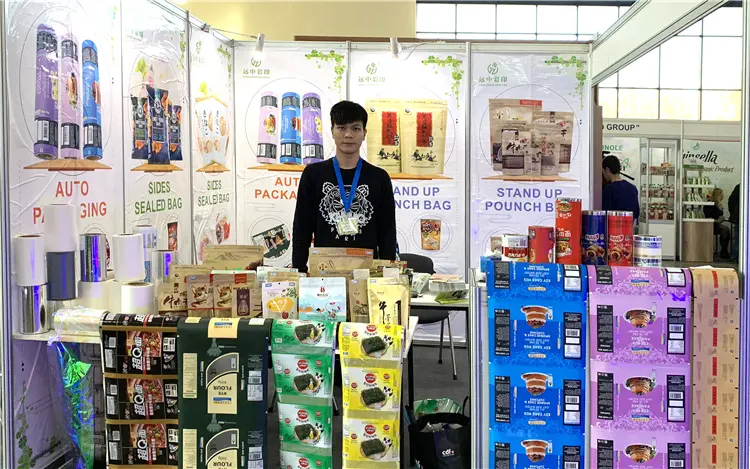
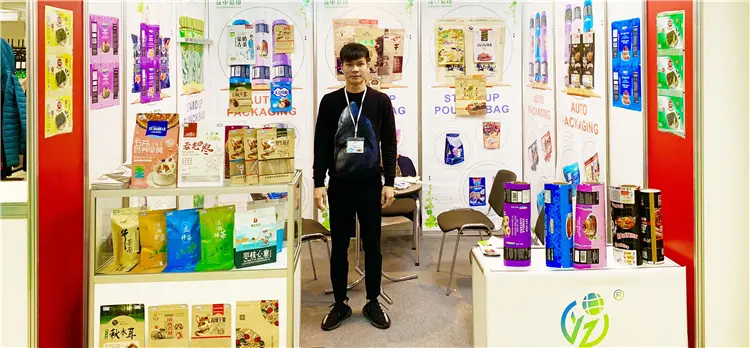
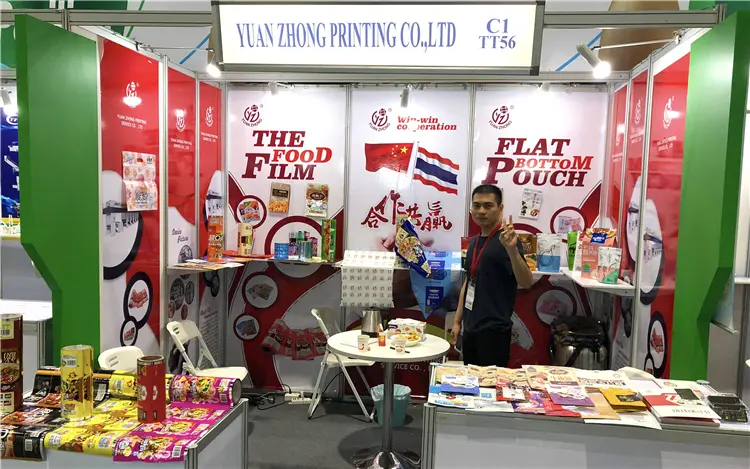
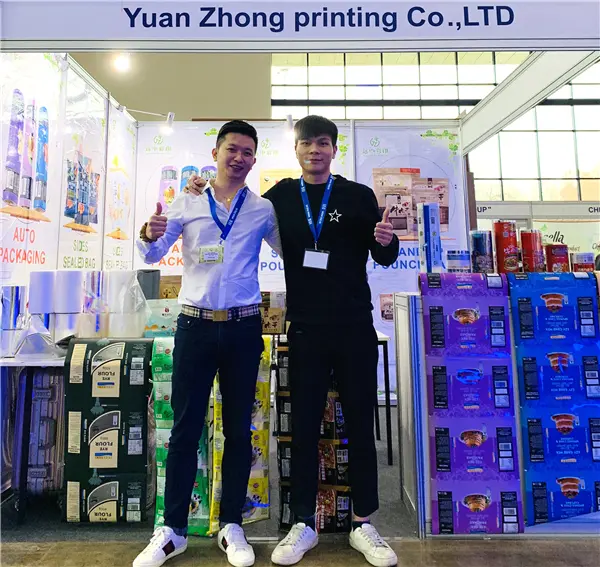




Addressing critical engineering questions from procurement heads, packaging quality managers, and R&D coordinators.
Explore our specialized range of high-barrier materials customized for global food brands.
 Yuanzhong Printing