Engineered for absolute freshness preservation, shelf stability, and compatibility with high-speed automated packaging machinery.
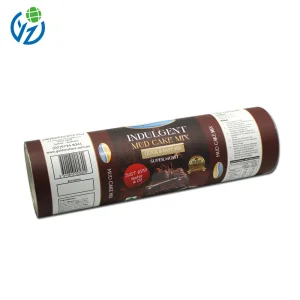
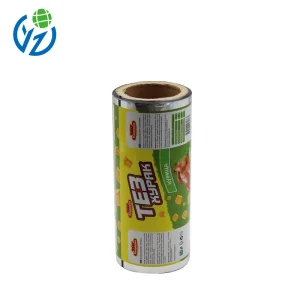
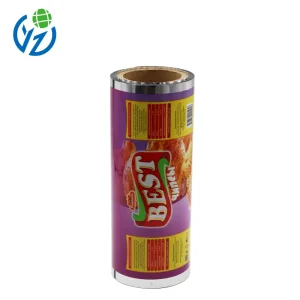
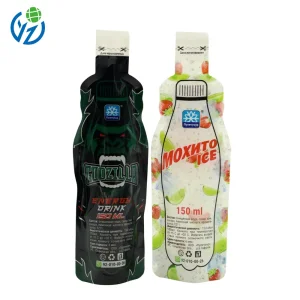
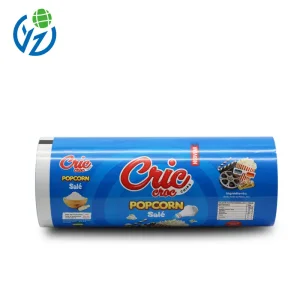
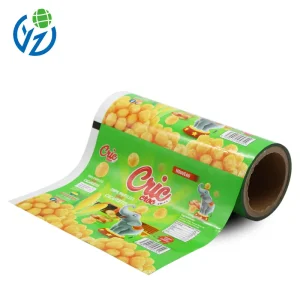
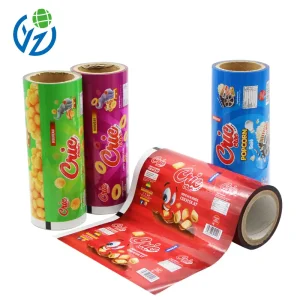
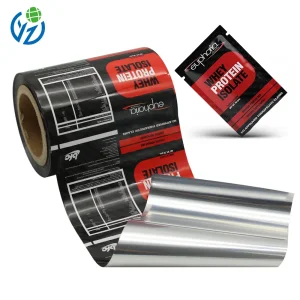
The global packaging dynamic is shifting rapidly towards high-performance, cost-efficient, and regulatory-compliant material conversions. Within the ASEAN region, Malaysia has emerged as a premier distribution hub, driven by its robust petrochemical infrastructure, central geographic positioning, and surging domestic sectors in food processing, semiconductors, and consumer goods. However, the domestic packaging manufacturing capacity in Malaysia often faces capacity constraints, raw material price fluctuations, and specialized printing limitations.
This is where the alliance between China plastic bag manufacturers and Malaysian enterprises becomes mission-critical. China's sophisticated industrial capabilities—evidenced by economies of scale, extensive R&D in barrier films, and cutting-edge machinery (such as Japan Komori fully automatic lines)—fill the structural supply gap in Malaysia. By leveraging the Regional Comprehensive Economic Partnership (RCEP), businesses in Malaysia can source high-spec laminate structures directly from advanced facilities in Guangdong, bypassing traditional tariff barriers and enjoying unparalleled lead times.
From pet foods needing gas flushing to micro-electronic components requiring electrostatic discharge (ESD) shielding, industrial buyers in Kuala Lumpur, Penang, and Johor Bahru are demanding specialized composite packaging. Partnering with a vertically integrated Chinese manufacturer offers the flexibility of bespoke material engineering (BOPP, PET, AL, NY, PE laminates) to survive the hot, humid equatorial climate of Malaysia, ensuring product shelf life is extended from months to years.
A vanguard in the packaging and printing industry. Established in 2001 in Jiedong District, Jieyang City, Guangdong Province, we are built on over two decades of engineering excellence, delivering high-spec custom flexible packaging across the globe.
Our facilities are equipped with state-of-the-art machinery including Japan Komori fully automatic printing production lines. This technology ensures micron-level precision, rich color rendering, and fast processing speeds.
Every layer of film we manufacture undergoes strict mechanical and organoleptic testing. We implement strict clean-room production protocols, compliant with international food safety requirements.
Exporting to over 30 countries globally. We understand localized regulatory standards, import compliance, and logistics optimization for prompt delivery to Southeast Asian manufacturing corridors.
Rotogravure printing stands as the gold standard for high-volume barrier packaging. By utilizing heavy ink laydowns, precision registration, and multi-ply curing, we guarantee visual vibrance and structural barrier integrity.
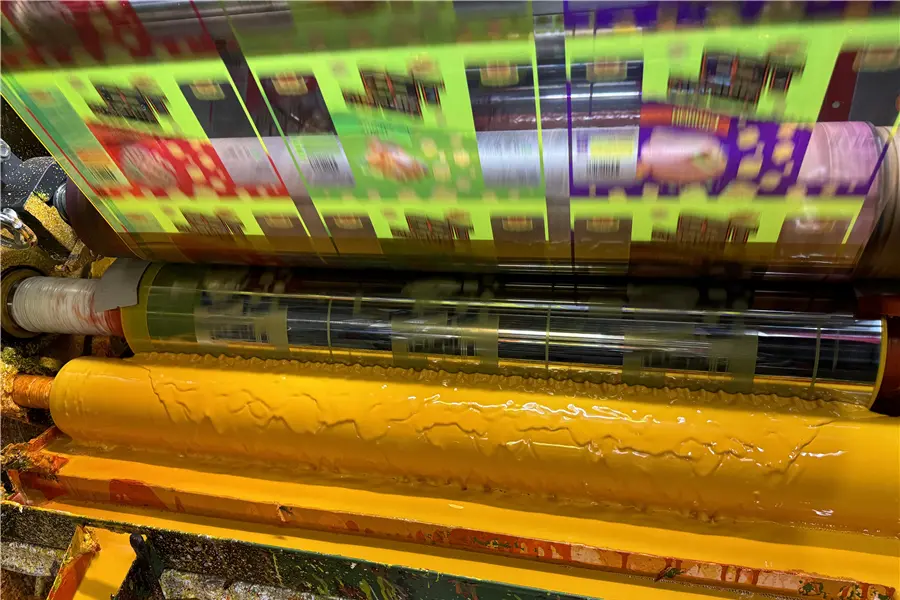
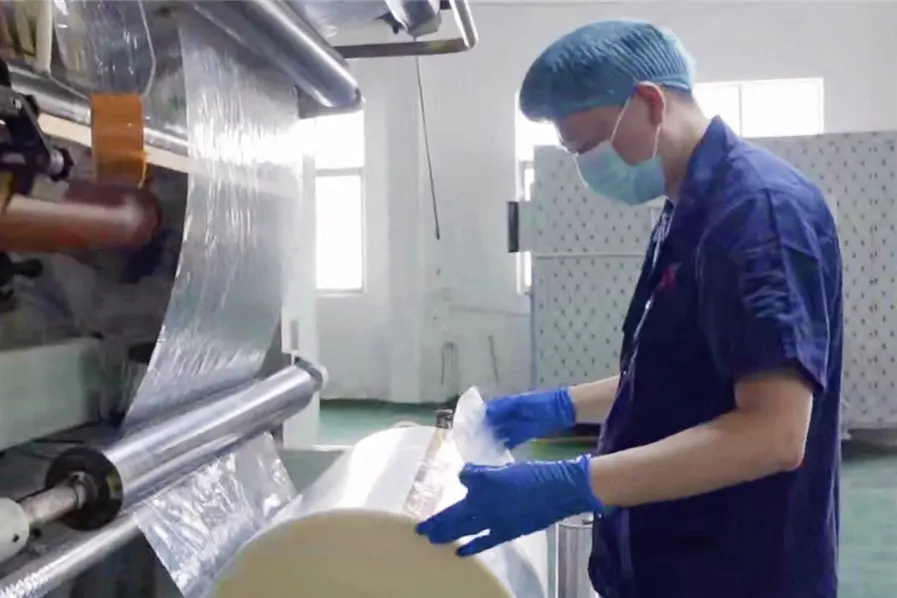
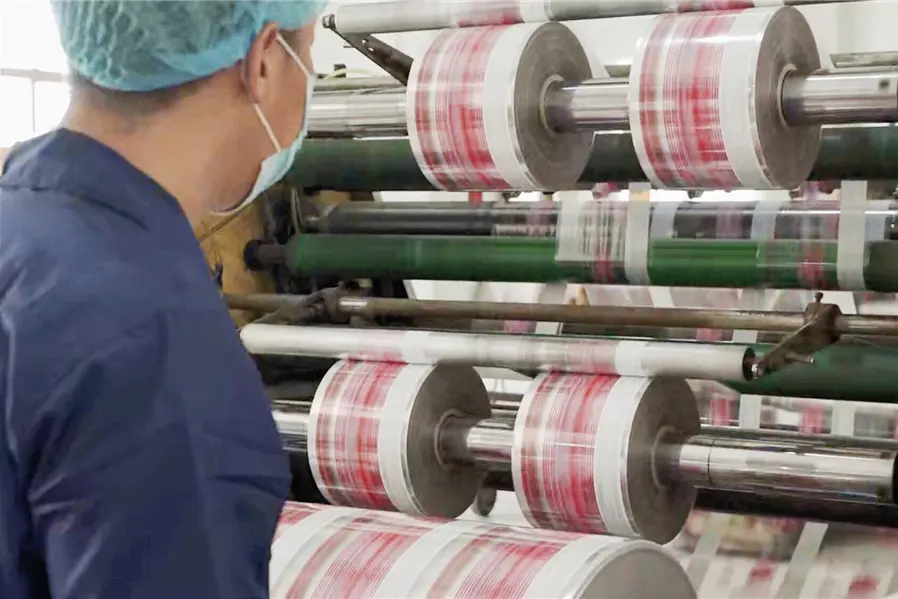
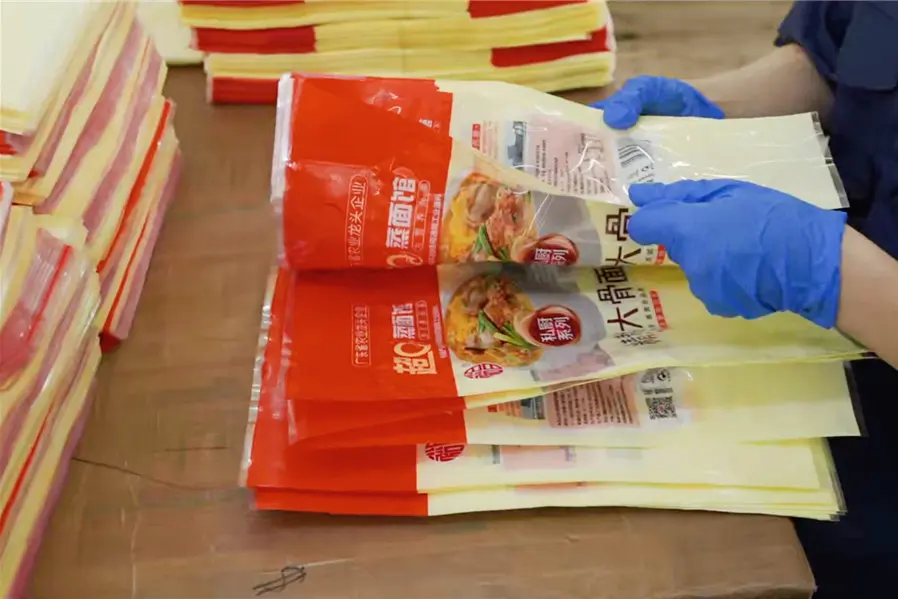
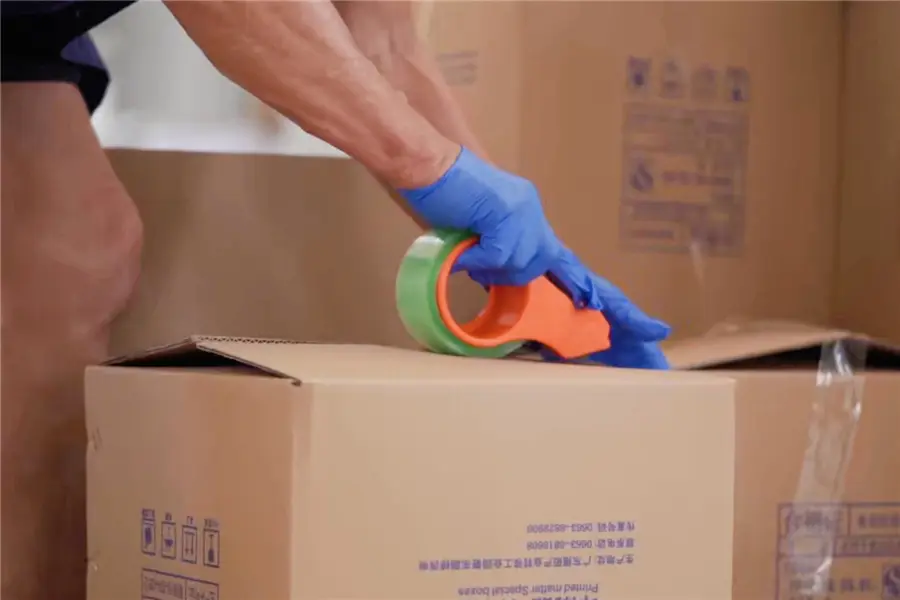
Rotogravure printing uses direct transfer of ink via engraved copper cylinders. When coupled with our solventless composite lamination machines, we bond multiple substrates—such as biaxially oriented polypropylene (BOPP) for print clarity, aluminum foil (AL) or metallized polyester (VMPET) for absolute light/gas barriers, and cast polypropylene (CPP) or linear low-density polyethylene (LLDPE) for low-temperature heat sealing. This creates a multi-layered matrix designed to keep moisture out and nitrogen flush inside, crucial for maintaining product crispness in humid climates.
Every industry demands custom barrier combinations. Here is how our manufacturing setups directly service niche markets in Malaysia and beyond.
Compliance with JAKIM Halal guidelines requires non-animal fat lubricants in film extrusion and solventless adhesives. Our certified food-grade structures provide hermetic seals for powdered cake mixes, dry spices, and local pre-cooked pastes, retaining rich aromas while preventing rancidity.
Penang's massive electronics cluster requires specialized metallized packaging to shield IC boards from static discharge and humidity damage during transit. Our multi-ply composite films deliver precise surface resistivity control and mechanical puncture resistance.
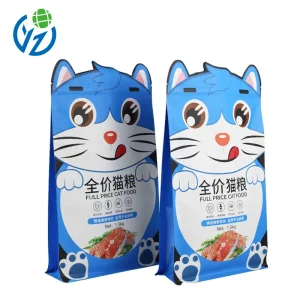
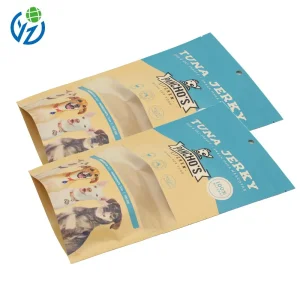
Pet food contains active fats that oxidize easily. Our flat-bottom zipper pouches utilize high-barrier co-extruded nylon (PA) and aluminum foil to seal out oxygen. The robust flat bottom structure stands upright on retail shelves, matching global aesthetic standards.
Aligning with global mandates on plastic circularity, eco-design, and carbon reduction, we are updating our technological layouts.
Traditional multi-material laminates are difficult to recycle. We are transitioning clients to high-barrier mono-material PE pouches that can enter standard recycling streams without compromising barrier life.
Developing PLA (polylactic acid) and PBAT-based laminated bags. Ideal for organic foods and coffee pouches, breaking down naturally under industrial composting setups within 180 days.
Integrating automated optical inspection (AOI) inline on our printing and slitting machines. It identifies and flags micro-pinholes, printing registration issues, and air bubbles in real-time.
Eliminating volatile organic compounds (VOCs) from the bonding stage. This ensures zero solvent retention in the packaging, guaranteeing no off-flavors migrate into your food products.
Exploring the World Through Exhibitions: A Journey Across More Than 10 Countries, building global relationships and proving our E-E-A-T credentials in person.
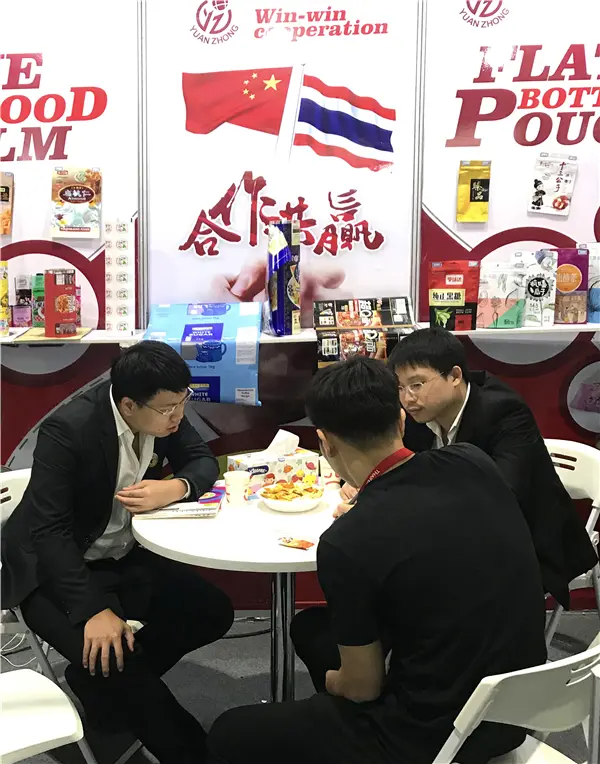
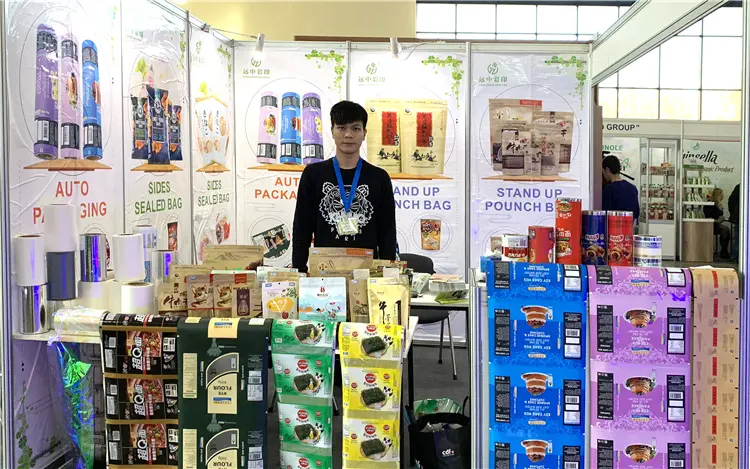
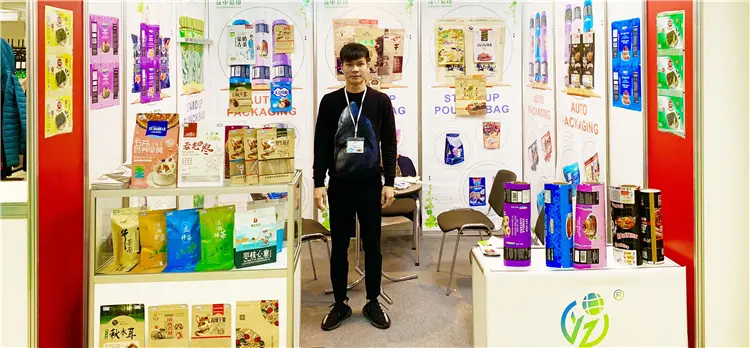
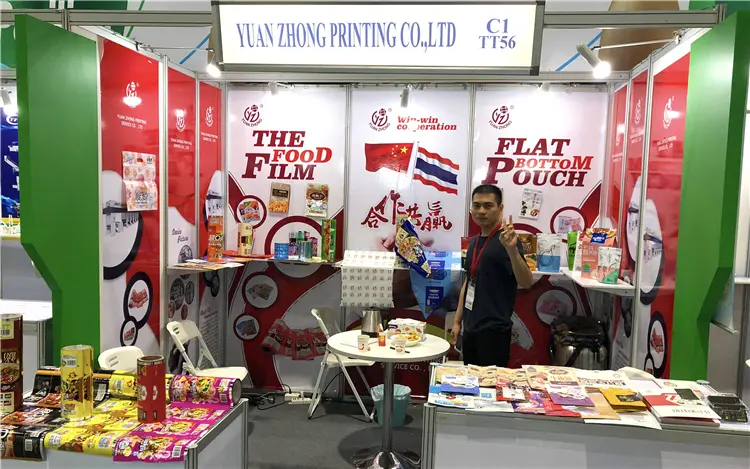
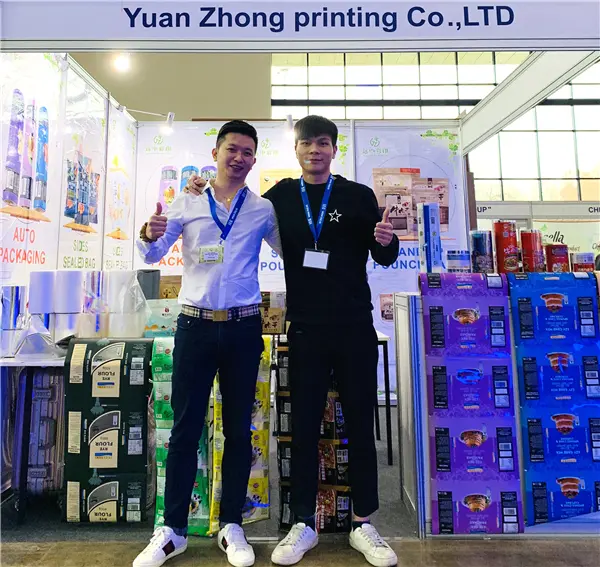
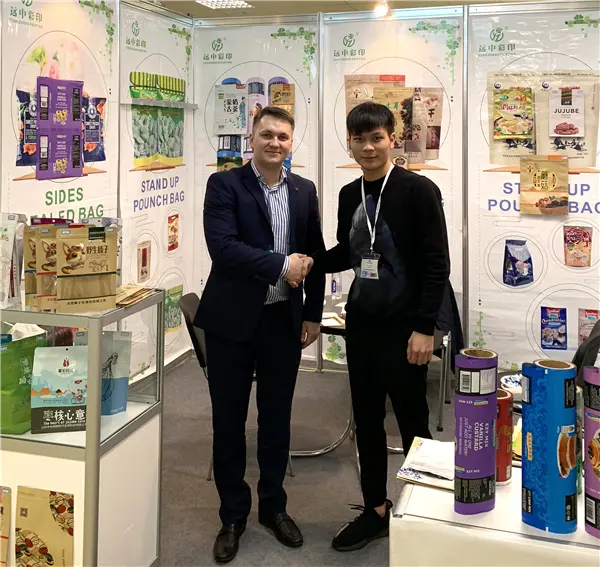
Cooperating with More Than 20 Brands: A Testament to Our Commitment to Excellence and Consistent Quality Standards.






Technical and logistical insights for procurement managers and production engineers importing to Malaysia and global markets.
While Malaysia has local film converters, partnering with an advanced China manufacturer like Jieyang Yuanzhong provides access to superior equipment (like Japan Komori printing lines), broader raw material options, lower overhead costs, and more competitive multi-layered barrier lamination configurations. Additionally, the RCEP tariff agreements reduce trade barriers, allowing for cost-effective imports directly to Malaysian ports.
We employ strictly monitored food-grade production protocols. Our raw materials—including PE, PET, CPP, and lamination adhesives—are certified food-safe. The printing process uses non-toxic, low-migration inks, and we conduct strict testing for solvent retention, ensuring our packaging is safe for confectionery, protein powder, snacks, and pet food.
The typical production timeline is 15 to 20 days post-design approval and cylinder engraving. Shipping via sea from Shenzhen or Guangzhou ports to Port Klang or Penang port takes approximately 7 to 12 days, resulting in a total lead time of about 4 weeks. Air freight options are available for urgent product launches.
Yes. We specialize in high-barrier composites. We utilize metallized PET (VMPET), pure aluminum foil (AL), or specialized co-extruded Nylon (PA) barrier films. These structures reduce the Moisture Vapor Transmission Rate (MVTR) and Oxygen Transmission Rate (OTR) close to zero, preventing crisp food from going soggy and preventing dry powders from clumping in tropical climates.
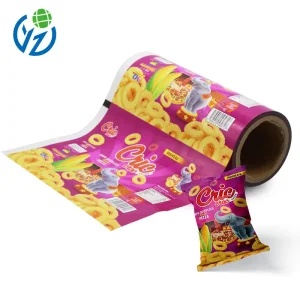
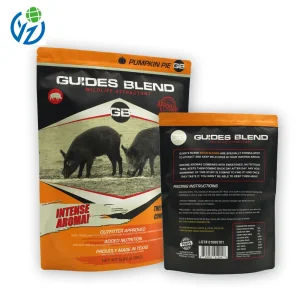
Explore our extended portfolio of customizable formats, designed to enhance branding and protect product shelf-life.
 Yuanzhong Printing