China Packing Roll Manufacturers & Factories

The Ultimate Engineering Guide to High-Barrier Rollstock Packaging, Global Supply Chain Advantages, and Advanced Custom Gravure Manufacturing Solutions.

Industry Whitepaper

The Global Industrial Dynamics of Packing Roll Technology

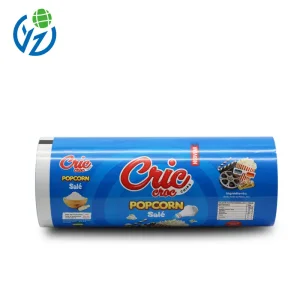
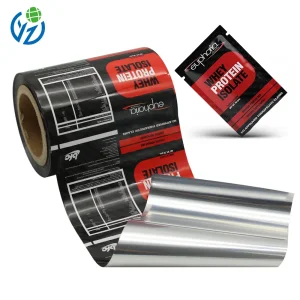
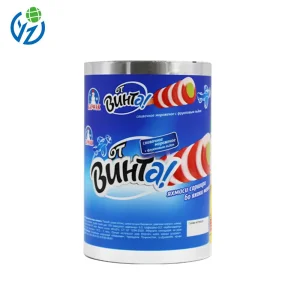
Flexible packaging film rolls (commonly known as packing rolls or rollstock) represent the backbone of the modern consumer packaged goods (CPG), pharmaceutical, and chemical industries. Unlike premade bags, rollstock is designed for automated Vertical Form-Fill-Seal (VFFS) and Horizontal Form-Fill-Seal (HFFS) packaging machinery. This configuration minimizes manual handling, dramatically increases output speed, and lowers per-unit transport costs by optimizing storage density.

Globally, the demand for flexible packing rolls is experiencing a significant shift toward multi-layer co-extrusion and composite lamination. Industrial end-users are moving away from simple single-layer structures to advanced multi-material composites that incorporate precise barrier functions. High-performance polymers, aluminum foil cores, and vacuum-metallized layers are utilized to isolate products from moisture, oxygen, light, and contaminants.

Key Market Insight: High-speed automated production lines require packing rolls with a highly consistent Coefficient of Friction (COF). Variations in film thickness or dynamic friction can result in line jams, structural failures, and inadequate hermetic seals, illustrating the need for high-end raw materials and precision calibration.

Material Science and Barrier Engineering

Achieving optimal shelf-life extensions for foods, beverages, and hygiene products requires precise control over oxygen and water vapor transmission rates (OTR and WVTR). Specialized packing rolls typically combine several layers, each serving a unique mechanical or physical purpose:

  • Outer Layer (Print Web): Usually PET, BOPP, or Kraft paper, selected for printability, thermal resistance during sealing, and tensile strength.
  • Barrier Layer: Aluminum Foil, VMPET (metallized polyester), or EVOH, designed to prevent gas permeation.
  • Inner Sealant Layer: LLDPE or CPP, chosen for low-temperature heat-sealing, mechanical durability, and chemical compatibility with the product inside.
Technical Specifications

Standard material configurations for global distribution networks include:

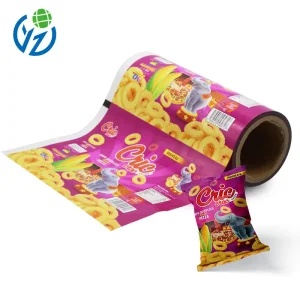
  • BOPP/VMCPP: Economical, high clarity, light-moisture barrier. Excellent for snack food packaging.
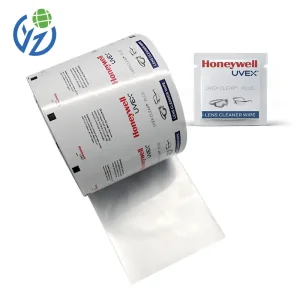
  • PET/AL/PE: Exceptional moisture, gas, and light protection. Standard for medical wipes, milk powder, and high-fat foods.
  • PET/NY/PE: High puncture resistance, suitable for frozen products or vacuum packing.

China’s Advanced Packing Roll Supply Chain

Understanding the cost structures, technological scale, and raw material integration that drive industrial supply efficiency.

Upstream Material Clustering

China's packaging clusters sit adjacent to major polymer production zones, ensuring constant access to domestic and imported resins. This minimizes raw material transport times and reduces raw material cost fluctuations.

Advanced Printing & Lamination

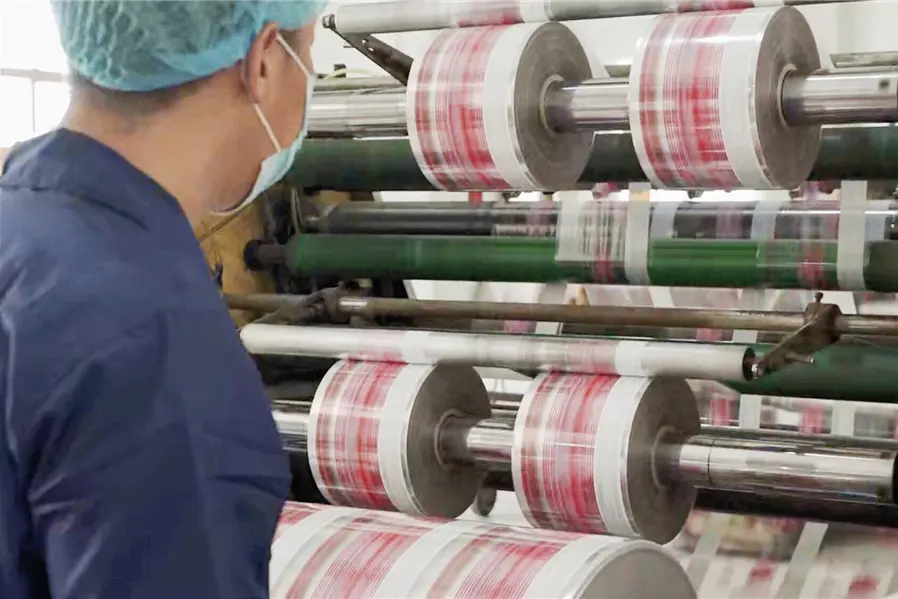
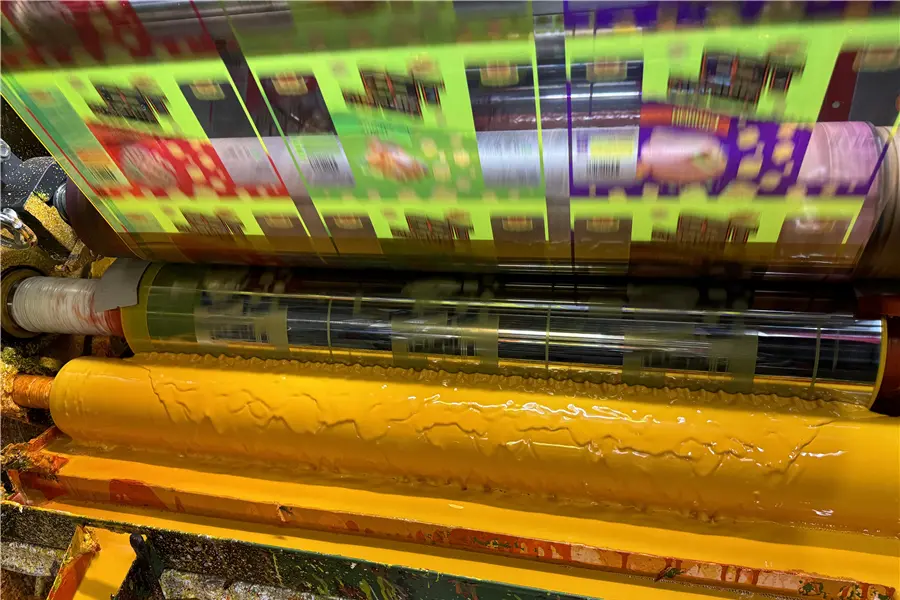
Modern Chinese factories utilize computerized high-speed rotogravure presses (up to 400m/min) and solvent-free lamination lines. This setup delivers high color accuracy, reduces residual solvents, and ensures compliance with FDA and EU regulations.

Agile Technical Customization

With highly integrated engineering divisions, manufacturers can rapidly adjust compound formulations, seal strength, and sliding coefficients to fit client-specific packaging equipment.

20+
Years of Industry Experience
240T+
Monthly Production Capacity
30+
Global Export Markets
100%
FDA Food-Grade Compliance

Corporate Profile: Jieyang Yuanzhong Printing Co., Ltd.

Providing established structural packaging solutions with over two decades of custom manufacturing expertise.

Jieyang Yuanzhong Printing Co., Ltd. is a specialized enterprise in the flexible packaging printing industry. Established in 2001 and situated in the Jiedong District of Jieyang City, Guangdong Province, our facility covers the entire product cycle from design prepress to high-speed laminating, curing, and slitting.

With more than 20 years of printing experience, we deliver packaging decorations and multi-layered bags that align with precise commercial requirements. Our operations feature advanced production equipment, including fully automatic printing lines (such as Japanese Komori offset/gravure combinations), capable of reaching a monthly output exceeding 240 tons. This ensures we can support high-volume runs with stable quality and lead times.

Our commitment to customization is a core differentiator. We design packaging to match targeted barrier requirements, sealing styles, and visual profiles. Our international distribution network serves buyers in over 30 countries, ensuring smooth customs processing and technical support.

Why Choose Yuanzhong Pack?

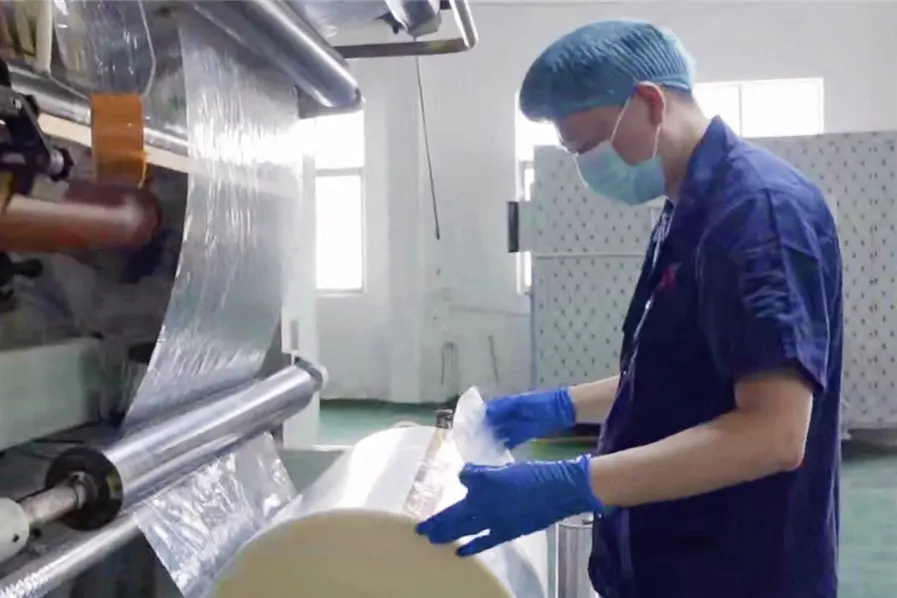
  • Modernized dust-free composite cleanrooms.
  • Advanced Japanese Komori fully automatic systems.
  • Stringent inspection of OTR, WVTR, and residual solvents.
  • 20+ years of technical manufacturing experience.

The Advanced Rotogravure Production Process

High-speed rotogravure printing offers significant advantages in packaging printing, including high ink density, vibrant colors, stable runs, and durability.

Gravure Printing Process

1. Printing

Dry Composite Lamination

2. Composite

Precision Film Slitting

3. Slitting

Automated Bag Making

4. Bagging

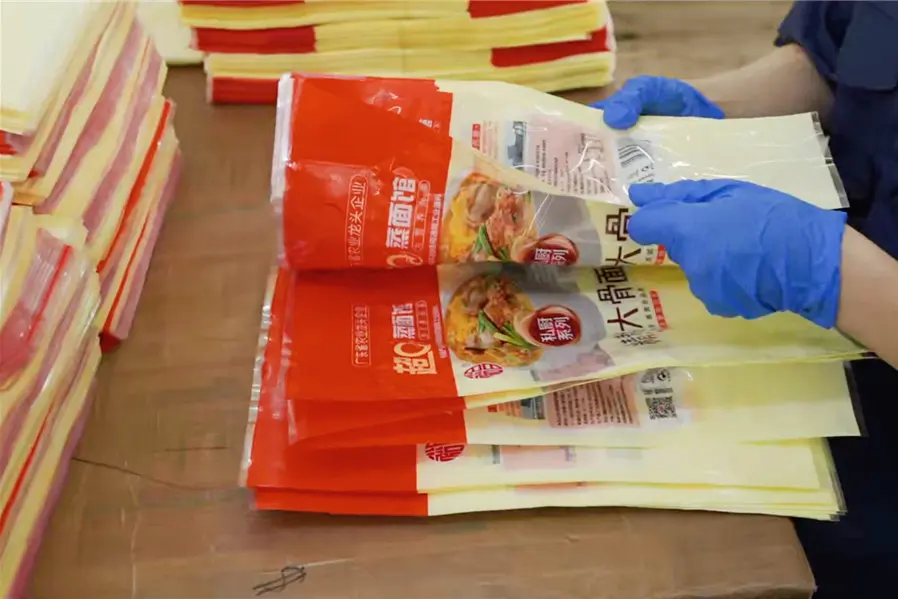
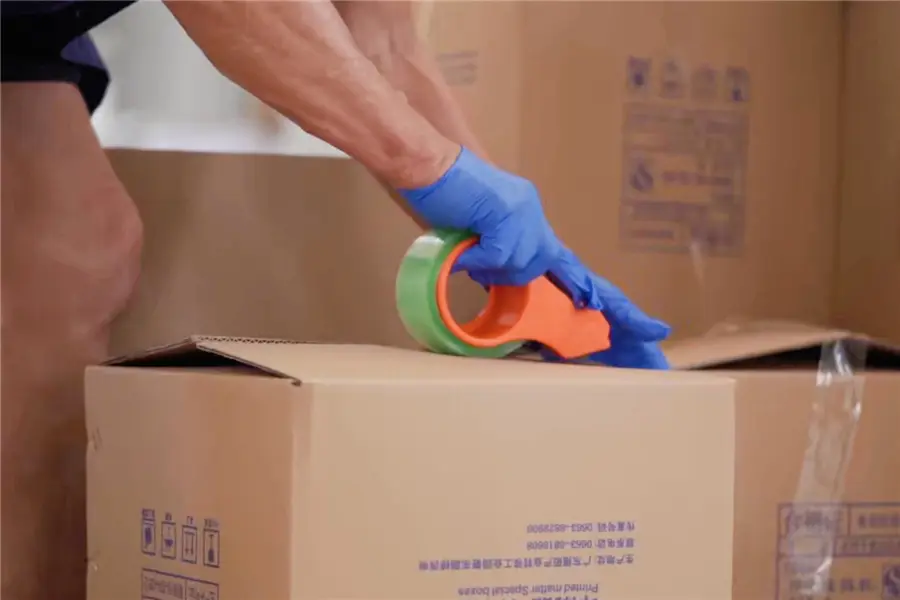
Final Quality Check & Packing

5. Packing

B2B Sourcing: Materials & Structural Specifications

Compare standard engineering profiles to find the right configuration for your filling machinery and shelf-life targets.

Material Structure Ideal Application Key Performance Properties Average Thickness Range
BOPP / VMPET / LLDPE Snack Food, Potato Chips, Biscuits Excellent moisture barrier, cost-efficient, high-gloss metallized finish. 60 – 90 Microns
PET / AL / LLDPE Coffee Bags, Protein Powder, Spices Absolute barrier protection against oxygen, UV light, and moisture. Preserves aroma. 80 – 120 Microns
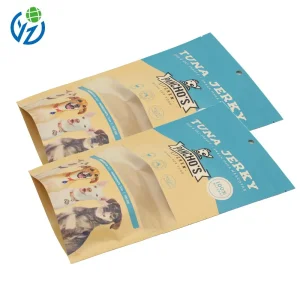
PET / NY / LLDPE Liquid Pouches, Frozen Foods, Pet Food High puncture resistance, mechanical durability, burst-proof seal. 90 – 140 Microns
Kraft Paper / VMPET / PE Organic Coffee, Tea, Premium Dry Goods Organic texture appearance with modern oxygen and vapor barrier features. 120 – 160 Microns
BOPP / CPP Bakery Products, Fresh Vegetables Excellent optical clarity, high breathability, stable coefficient of friction. 40 – 60 Microns

Localized Industry Applications & Emerging Trends

How flexible packaging rolls adapt to shifting regulatory compliance and technical demands.

1. High-Speed Food & Beverage Packaging

Snack and food packaging lines depend on stable web tension and consistent heat-seal properties. Standard films run on horizontal flow-wrappers to pack chocolate, cookies, and chips. The interior layer must melt quickly during sealing cycles without burning through the outer carrier layer, maintaining air tightness to keep products fresh.

2. Medical & Medical-Device Packaging

For items like medical alcohol prep pads, disinfectant wipes, and surgical tools, the packaging film must resist chemical corrosion from aggressive liquids (such as 75% isopropyl alcohol). This requires chemical-resistant co-polymers that prevent evaporation and maintain structural integrity during storage.

3. The Drive for Recyclability: Mono-Material Structures

As global circular economy regulations tighten (particularly in the EU and North America), the flexible packaging sector is adopting mono-material structures. Traditionally, laminates of different polymers (e.g., PET bonded to PE) were difficult to recycle. Modern developments enable mono-PE and mono-PP high-barrier laminates, which incorporate thin, vacuum-deposited silicon oxide coatings to deliver high barrier performance while remaining fully recyclable.

Future Outlook

Recent data points to key growth drivers in the industry:

  • Bio-Based Resin Blends: PLA and starch-derived films are gaining ground in non-food applications.
  • Intelligent Packaging Integration: Printing RFID, NFC, and serialized anti-counterfeit QR codes directly onto the rollstock web during high-speed runs.

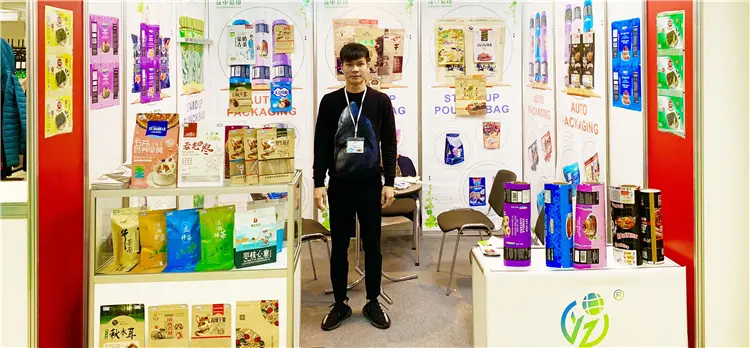
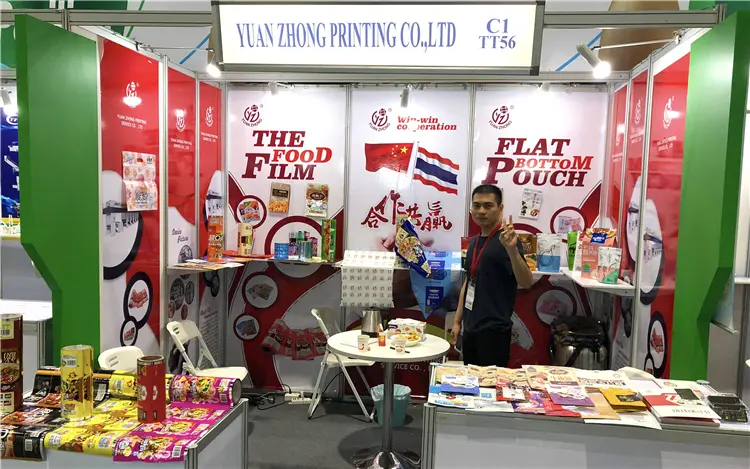
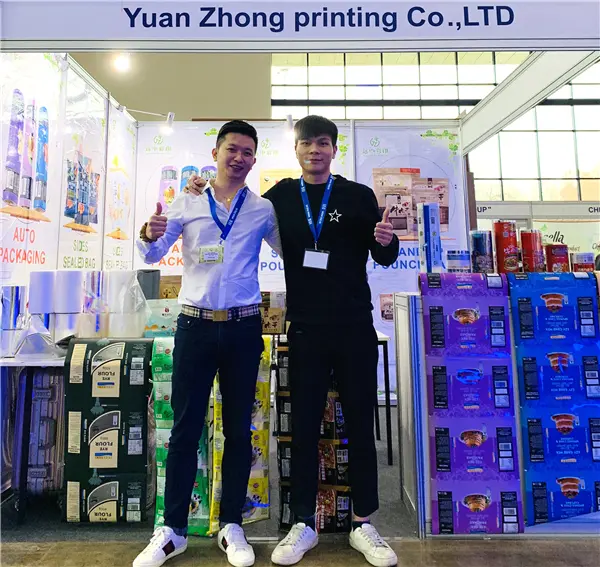
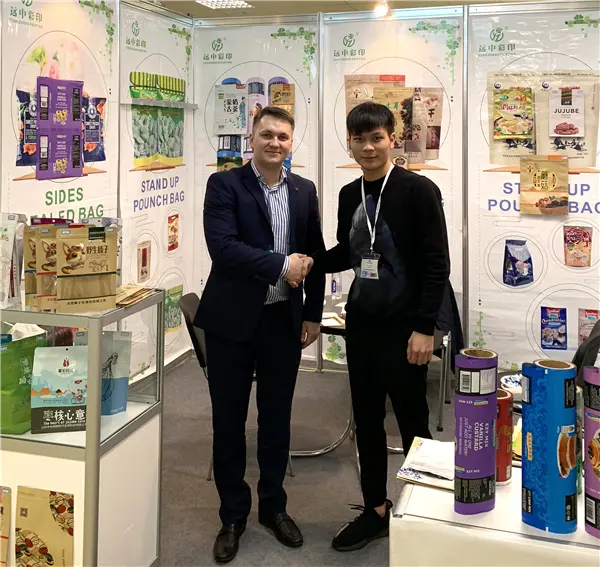
International Footprint & Collaborative Ecosystem

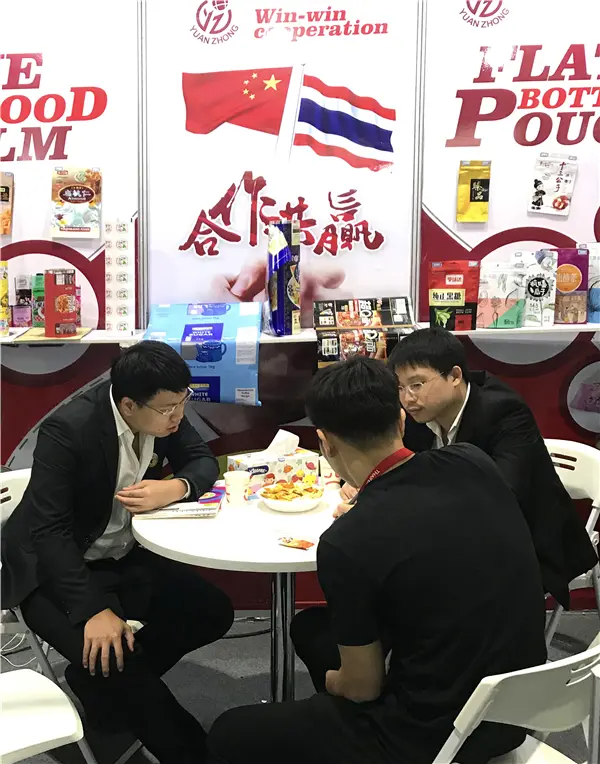
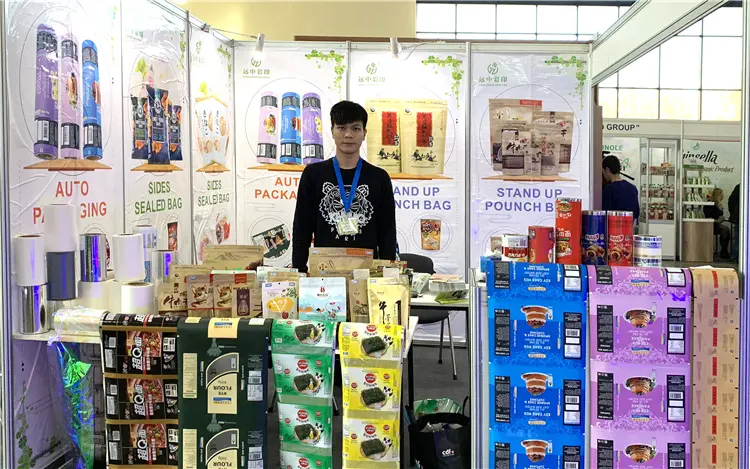
Exhibiting worldwide and collaborating with partners across more than 30 countries.

Yuanzhong Global Exhibition Booth 1

International Exhibition Showcase

Yuanzhong Global Exhibition Booth 2

Packaging Expo Interactions

Yuanzhong Global Exhibition Booth 3

Global Buyer Technical Exchange

Yuanzhong Global Exhibition Booth 4

Structural Design Demonstrations

Yuanzhong Global Exhibition Booth 5

B2B Partnership Discussions

Yuanzhong Global Exhibition Booth 6

Innovations in Multi-Layer Packaging

Cooperating Brands

Partnering with over 20 global brands to deliver customized, high-quality packaging.

B2B Procurement: Frequently Asked Questions

Addressing technical questions regarding material verification, cylinder setup costs, and international freight operations.

What is the typical Minimum Order Quantity (MOQ) for custom packing rolls?
For custom printed packing rolls, MOQs are calculated by weight or length rather than individual pouches, generally starting at 500 kg per design variation. This is because high-speed rotogravure machines require set-up rolls of raw materials to stabilize the print registry. Smaller test batches can be run using digital printing setups, though these carry higher unit costs.
How are copper cylinder charges (gravure tooling costs) calculated?
Tooling is calculated per color. Rotogravure printing requires one physical copper plate cylinder for each color in your design (pantones + CMYK + base white). The price depends on the width of your rollstock. This is a one-time tooling charge; cylinders are stored in temperature-controlled rooms for future production runs.
How do you guarantee solvent residue levels and food safety compliance?
We use FDA-approved resins, food-grade solvent-free polyurethane laminating adhesives, and low-retention inks. Post-lamination, the composite rolls undergo curing in a heated chamber (40°C - 50°C) for 48 to 72 hours. This process volatilizes remaining solvents, ensuring odor-free, non-toxic, and FDA-compliant results.
What is the standard production and shipping timeline?
After artwork approval and cylinder manufacturing, initial printing, lamination, and curing take approximately 15 to 20 business days. Transit times vary depending on the destination port, typically ranging from 12 days (West Coast US / Southeast Asia) to 35 days (Western Europe).