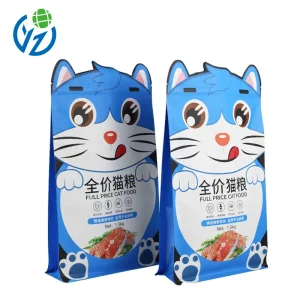
Engineered for absolute freshness preservation, puncture resistance, and food-grade compliance, sourcing directly from audited Chinese manufacturing facilities.
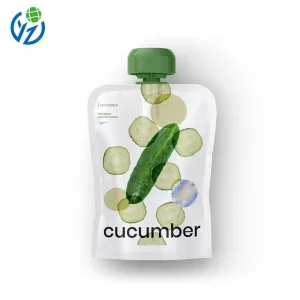
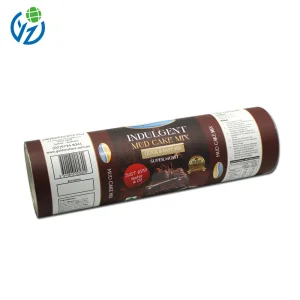
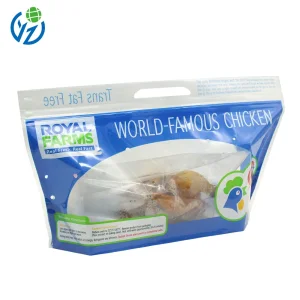
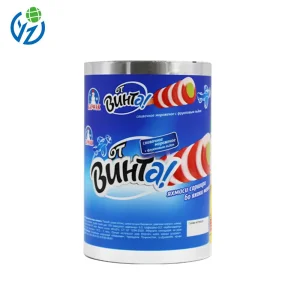
Rooted in over two decades of technical expertise, driving precision, capacity, and innovation in plastic barrier packaging.
Jieyang Yuanzhong Printing Co., Ltd. is an undisputed pioneer and leader in the flexible packaging printing industry. Established in 2001 as a private enterprise, our high-technology facility is strategically situated in the Jiedong District of Jieyang City, Guangdong Province, China. Spanning over two decades of production and technical innovation, we specialize in high-end packaging decoration printing and complex, multi-layer composite plastic packaging bag fabrication.
Our commitment to manufacturing excellence is anchored by a vast array of high-precision equipment. Notably, we utilize imported production assets, including the renowned Japan Komori fully automatic printing production lines. This machinery enables us to process bulk orders with remarkable consistency, maintaining a monthly output capacity exceeding 240 metric tons, while satisfying the strict requirements of a rapidly growing global client portfolio.
In the highly competitive consumer packaged goods (CPG) sector, customization is not merely an option—it is a core business necessity. We excel at providing highly tailored, functional packaging designs utilizing various plastic films such as PET, VMPET, AL, PE, BOPP, and CPP. Whether you require bespoke stand-up pouches with child-resistant zippers or high-barrier roll stock films for high-speed automated vertical form-fill-seal (VFFS) systems, our engineering team executes your exact material specifications.
Through our robust global export logistics network, our packaging products are integrated into supply chains across more than 30 countries. We provide compliance support, custom customs clearance documentation, and strict testing protocols to guarantee our film laminates conform to international environmental and health safety regulations, establishing a rock-solid foundation of global reliability.
An authoritative overview of how flexible formats are replacing rigid substrates to optimize logistics, carbon footprints, and product longevity.
The global packaging economy is undergoing a massive structural transformation. Brands are shifting away from rigid containers (glass jars, heavy plastic bottles, tin cans) toward flexible pouches. This migration is fueled by the pursuit of material minimization and freight cost optimization. A flexible stand-up pouch requires up to 70% less plastic than a rigid bottle of equivalent volume, which translates into a significant reduction in greenhouse gas emissions during manufacturing and distribution.
Furthermore, flexible barrier films are designed with multiple engineered layers. By combining PET (polyethylene terephthalate) for structural strength, Aluminium foil or VMPET (vacuum-metallized PET) for light and oxygen barriers, and PE (polyethylene) for hermetic sealability, packaging engineers can construct ultra-thin barriers that protect sensitive organic molecules from degradation.
In food logistics, shelf-life integrity is a critical metric. The penetration of moisture, oxygen, and UV light can rapidly spoil lipid-heavy foods, dairy products, bakery mixes, and pet food kibble. High-barrier flexible laminates address this challenge by delivering exceptionally low Oxygen Transmission Rates (OTR) and Water Vapor Transmission Rates (WVTR).
China has positioned itself as the leading exporter of these high-performance materials. Advanced extrusion techniques, solvent-free dry laminators, and high-speed analytical testing labs in China allow factories to maintain global food-grade certification (including FDA, EC 1935/2004, and ISO 22000), making Chinese suppliers the primary sourcing choice for international food giants.
Why leading multinational enterprises choose Southern China's advanced packaging cluster for high-volume custom production.
Sourcing packaging roll film and customized pouches from China offers competitive advantages that extend far beyond raw labor costs. The primary driver of efficiency is the unmatched density of the regional industrial supply chain. In Guangdong Province, a factory like Jieyang Yuanzhong Printing Co., Ltd. operates within an integrated ecosystem where raw polymer resins, specialty barrier additives, gravure cylinder engraving services, and logistics hubs are situated within a 100-kilometer radius.
This geographic concentration minimizes lead times for custom tooling and material sourcing. A process that might take six to eight weeks in Western markets—such as manufacturing custom-engraved copper gravure plates for 10-color photorealistic packaging designs—can be completed in China in under 7 to 10 working days. Additionally, Chinese manufacturers have made massive capital investments in high-speed, automated slitting, composite lamination, and bag-making equipment. Automated optical inspection systems (AOI) scan printed rolls at speeds of up to 400 meters per minute, instantly flagging minor color deviations or microscopic physical defects. This ensures consistent quality across production runs of millions of impressions.
Moreover, the integration of solvent-free lamination technology in Chinese factories has significantly reduced volatile organic compound (VOC) emissions, aligning production with modern environmental directives. By using food-grade, multi-component polyurethane adhesives without organic solvents, factories eliminate chemical odors inside the pouches, ensuring that delicate food products (like baby foods, protein powders, and cake mixes) retain their natural aroma and flavor profile without risk of chemical migration.
How different industrial sectors deploy specialized material compositions to solve functional, structural, and shelf-life challenges.
Challenge: Retaining taste profiles, preventing caking due to moisture, and avoiding rancidity from lipid oxidation.
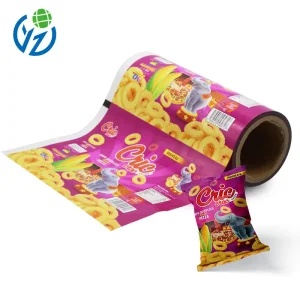
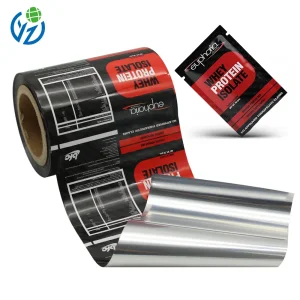
Configuration: PET / VMPET / PE or BOPP / AL / PE. For cake mixes and protein powders, anti-static inner PE films are applied to prevent fine particles from sticking to the seal area, which ensures airtight seal integrity on high-speed vertical filling lines.
Challenge: Excellent oil/fat barrier properties to prevent grease leakage, high puncture resistance against sharp kibble, and robust zippers for repeated opening.
Configuration: PET / AL / Nylon / PE or PET / VMPET / PE. The integration of Oriented Nylon (BOPA) provides high mechanical strength to survive dropped boxes and rough shipping conditions, while integrated press-to-close zippers maintain freshness after opening.
Challenge: Absolute drop-impact resistance, burst prevention, and clean, oxygen-free filling processes for shelf-stable juices or purees.
Configuration: PET / NY / PE or PET / AL / NY / PE. Thick, food-grade polyethylene seal layers are combined with high-grade PP spouts, which are hermetically welded via precise thermal sealing parameters to prevent leaks.
Challenge: Complete chemical resistance to harsh active ingredients (like 70% Isopropyl Alcohol) and maintaining sterile environments.
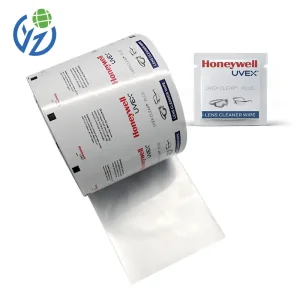
Configuration: Paper / PE / AL / Surlyn or PET / AL / PE. Specialized Surlyn or copolymer sealants prevent the evaporation of volatile alcohol molecules, ensuring that products like sterile disinfection cotton pads remain fully moist and active throughout their shelf life.
How Chinese factories are innovating to meet strict international environmental standards and supply-chain digitization requirements.
Traditional multi-layer films are difficult to recycle because separating bonded layers of PET, Aluminium, and PE is technically complex. To solve this, Yuanzhong and leading Chinese R&D labs have developed mono-material laminates, primarily utilizing BOPE (Biaxially Oriented Polyethylene) laminated to standard PE. This delivers a single-polymer structure that can be directly processed through standard retail recycling streams, significantly reducing municipal plastic waste.
Modern consumers require absolute transparency. Using ultra-high-resolution gravure and digital hybrid presses, factories can print unique, variable QR codes on individual packs. This enables complete product traceability from the processing plant to the kitchen, protecting brands against counterfeits while offering interactive marketing opportunities.
A look inside our facility showing how raw materials are converted into high-precision packaging through five distinct stages.
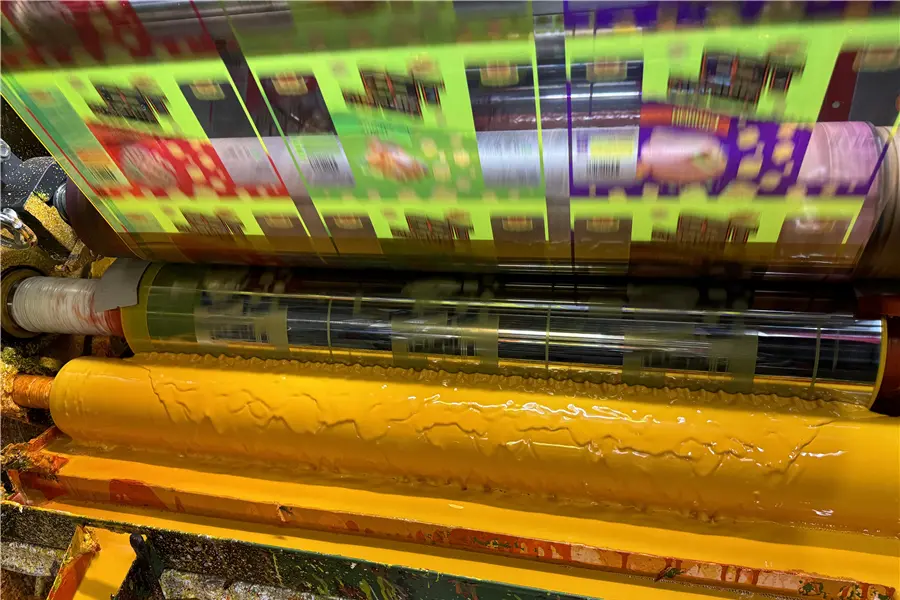
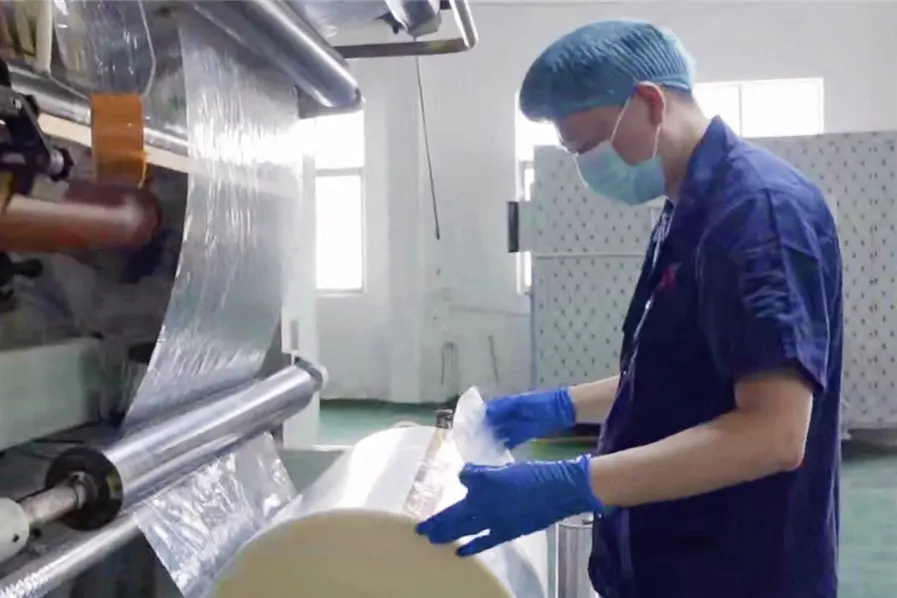
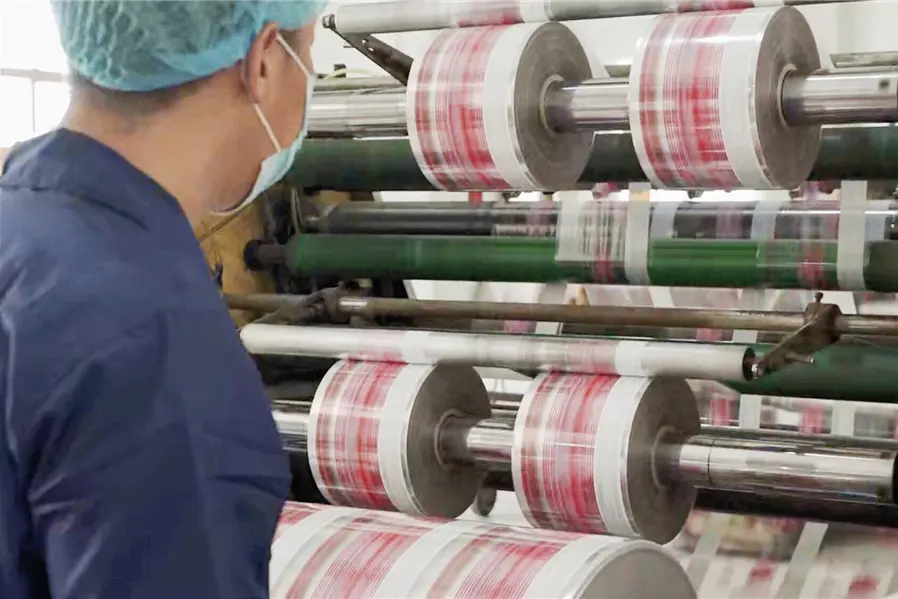
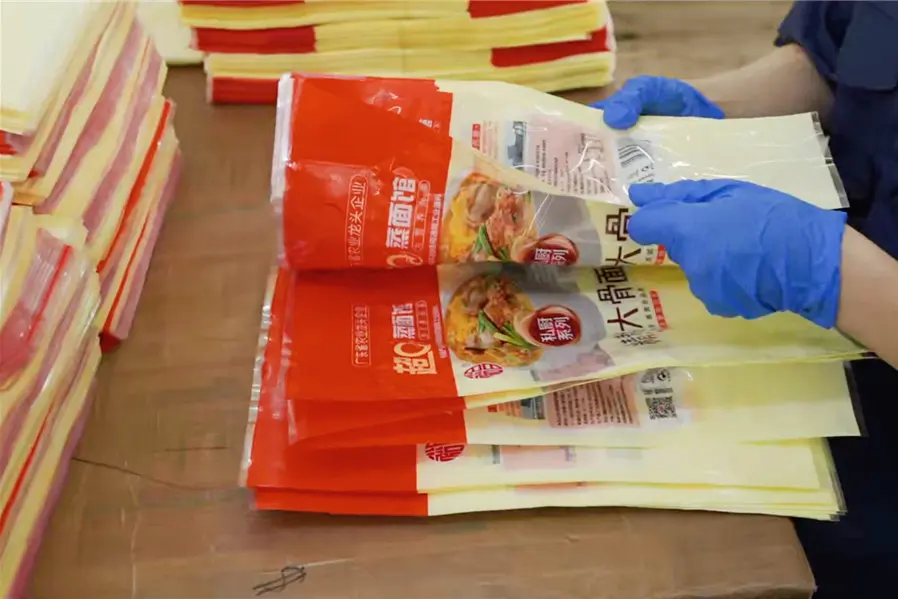
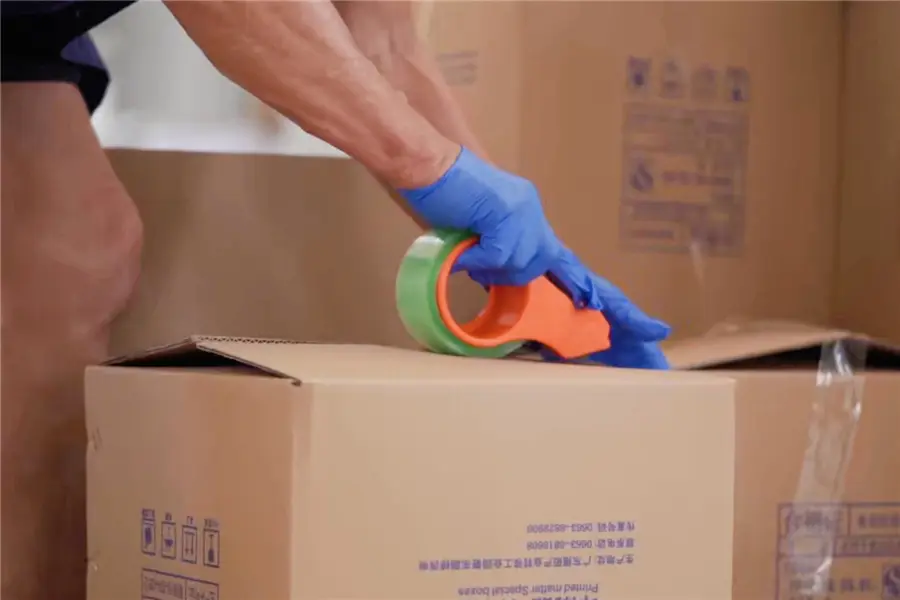
Our gravure printing technology occupies an extremely important position in the global printing and packaging field. By utilizing deeply etched steel cylinders, gravure printing excels in delivering a thick ink laydown, vibrant color saturation, exceptional graphic contrast, and outstanding plate durability. The process runs at high speeds while maintaining stable color output across print runs of hundreds of thousands of meters.
Following high-speed printing, the composite step bonds the barrier films using solvent-free dry laminators. Tension-controlled slitting machines then cut the master rolls into precise widths for delivery as roll stock, or route them to our bagging division. Here, automated heat-sealing lines form specialized pouches (including stand-up pouches, flat-bottom bags, and spout pouches) before final QC inspection and packaging.
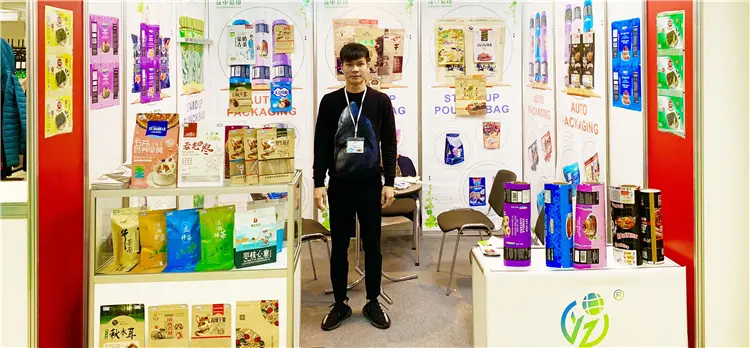
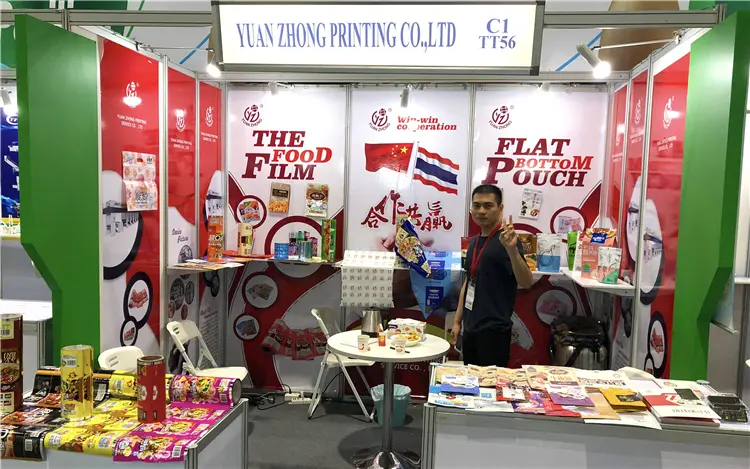
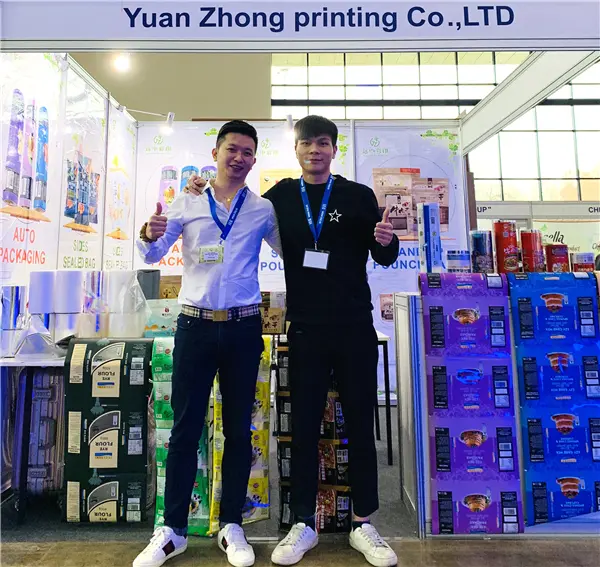
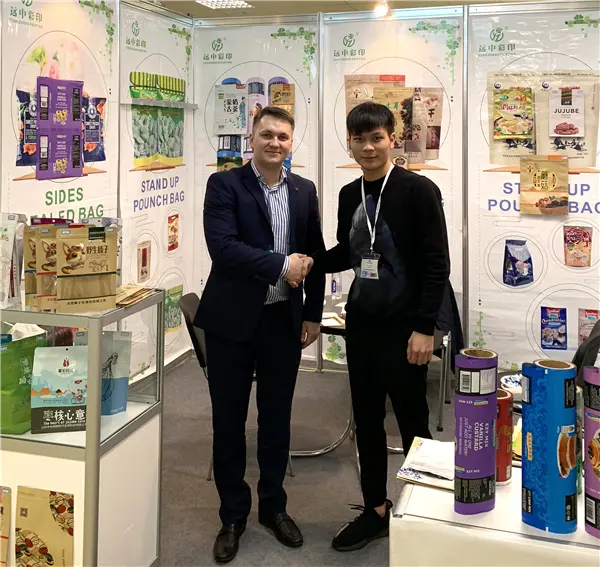
Exploring the World Through Exhibitions: A Journey Across More Than 10 Countries, Cooperating with Over 20 Trusted Brands globally.
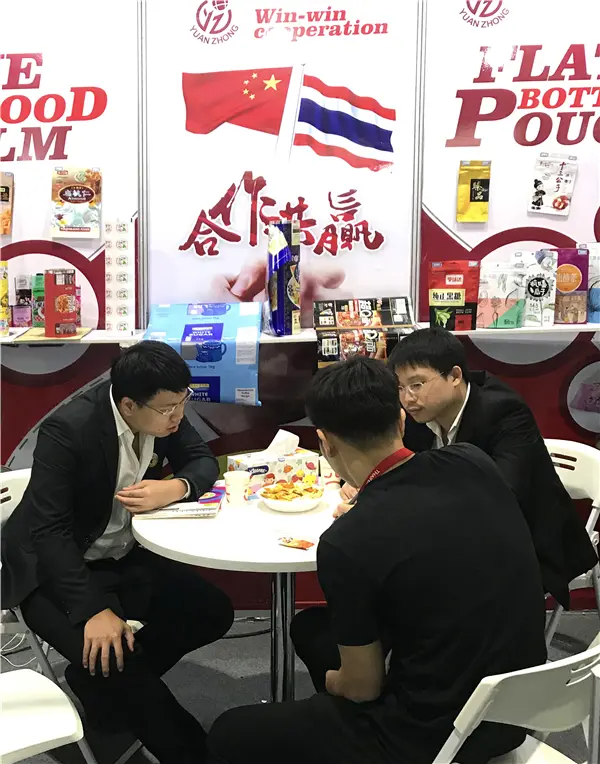
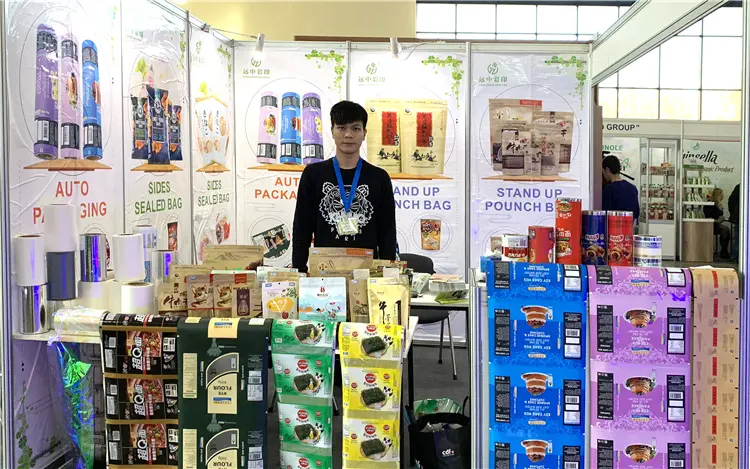



Everything you need to know about barrier layers, printing parameters, certifications, and international logistics.
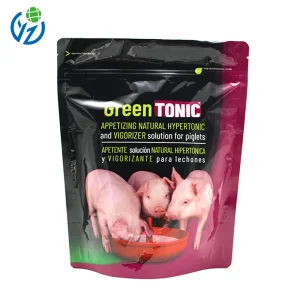
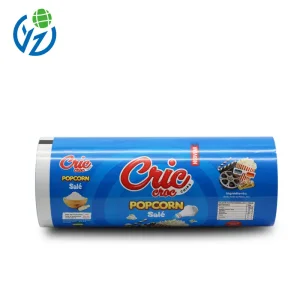
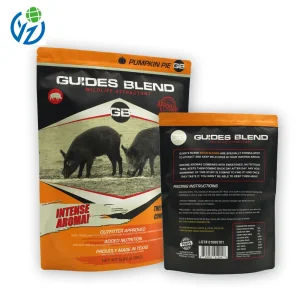
Explore our full line of flexible packaging options, including stand-up pouches, custom-printed roll stock, and specialized barrier films.
 Yuanzhong Printing