Premium, food-grade materials customized to secure product freshness, prolong shelf life, and maximize shelf visibility.
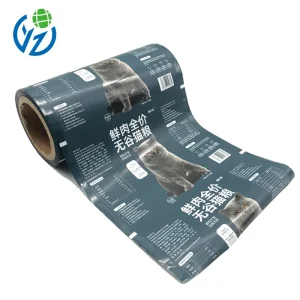
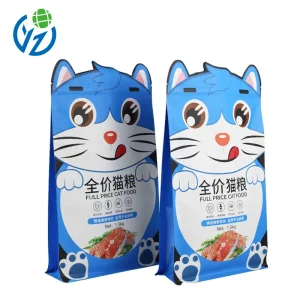
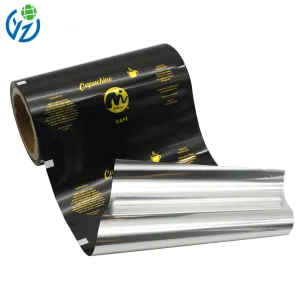
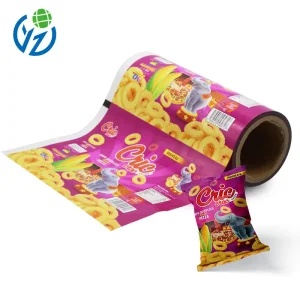
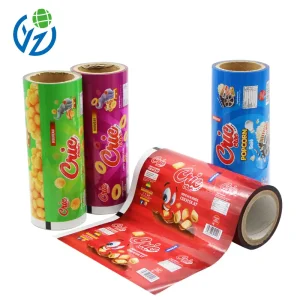
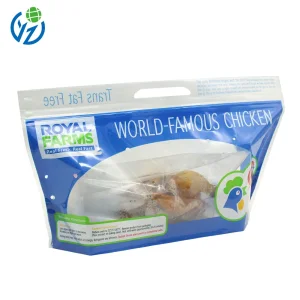
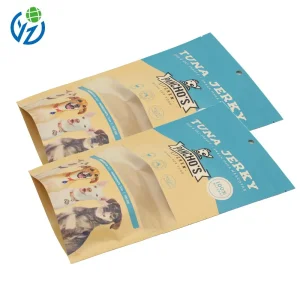
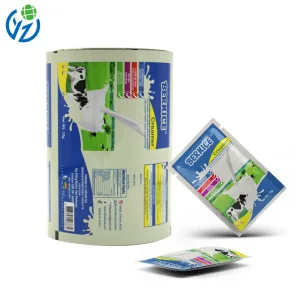
The shift from rigid formats to lightweight, performance-driven flexible composite layers is reshaping global business strategies.
Global brands are prioritizing transition pathways to mono-material laminates (like all-PE structures) and compostable barriers. In Europe and North America, plastic taxes and EPR (Extended Producer Responsibility) schemes dictate packaging structures, pushing manufacturers to invest in advanced, recyclable EVOH co-extrusions.
Flexible stand-up pouches occupy up to 90% less volume than empty rigid plastic bottles before filling, directly reducing shipping greenhouse gases. Integrating high-performance polymer layers enables minimized film thickness (down-gauging) without sacrificing load capacity or mechanical resilience.
Oxygen scavengers, anti-microbial coatings, and interactive QR-code layouts for real-time trace tracking are transforming packages into digital touchpoints. This elevates safety assurance for sensitive foods, animal nutrition, and pharmaceutical-grade powders.
Over Two Decades of Professional Excellence in High-Precision Flexible Packaging and Industrial Printing Solutions.
Established in 2001 and situated within the Jiedong District of Jieyang City, Guangdong Province, Jieyang Yuanzhong Printing Co., Ltd. has expanded from a local workshop into a technologically advanced private enterprise. Backed by more than 20 years of focus, we produce and process premium-grade plastic packaging bags, printed composite roll films, and high-barrier structures for global enterprises.
Our state-of-the-art facility features imported production assets, including the acclaimed Japan Komori fully automatic printing production lines. This technology combined with domestic high-speed laminating lines lets us reach a stable monthly output exceeding 240 tons. Our export networks comfortably serve B2B buyers across more than 30 countries worldwide.
We approach manufacturing with a quality-first focus. We understand that your custom print design, layer selection, and seal durability are critical to your brand's market standing. That is why our team controls every step, starting from raw resin selection to post-print curing and bag configuration, verifying that every shipment meets the highest food safety and structural standards.
Our facility employs high-precision gravure printing technology, ensuring vivid colors, exceptional ink densities, and durable bonds for complex multi-layer films.
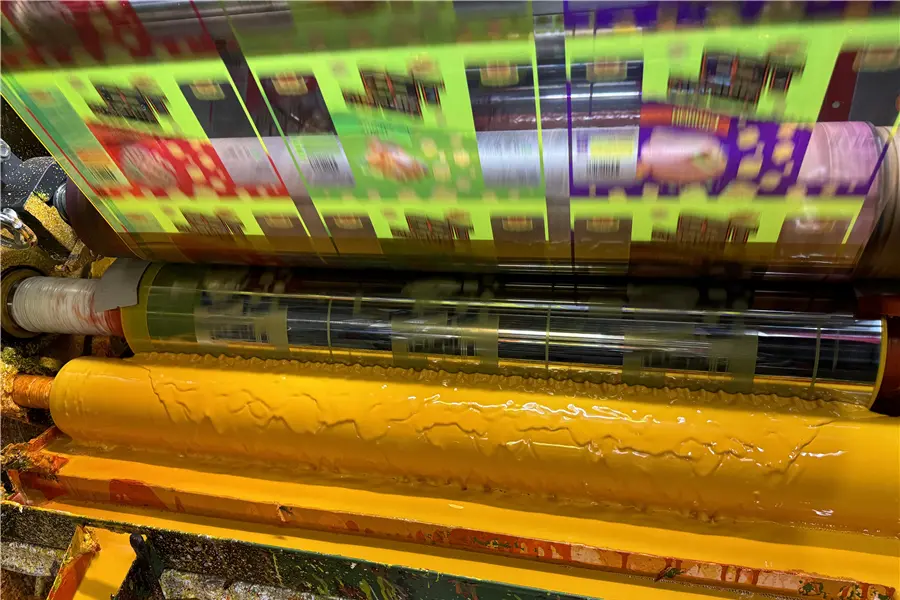
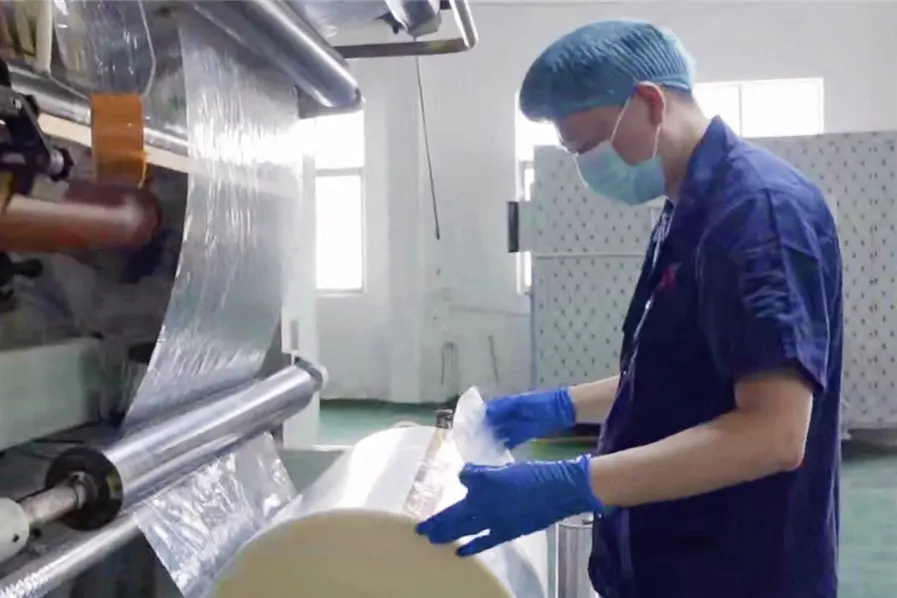
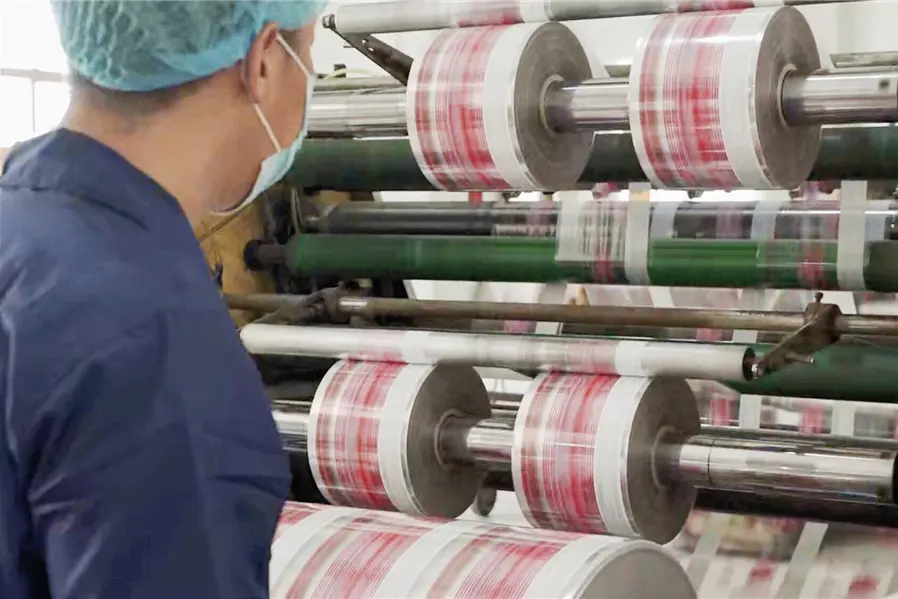
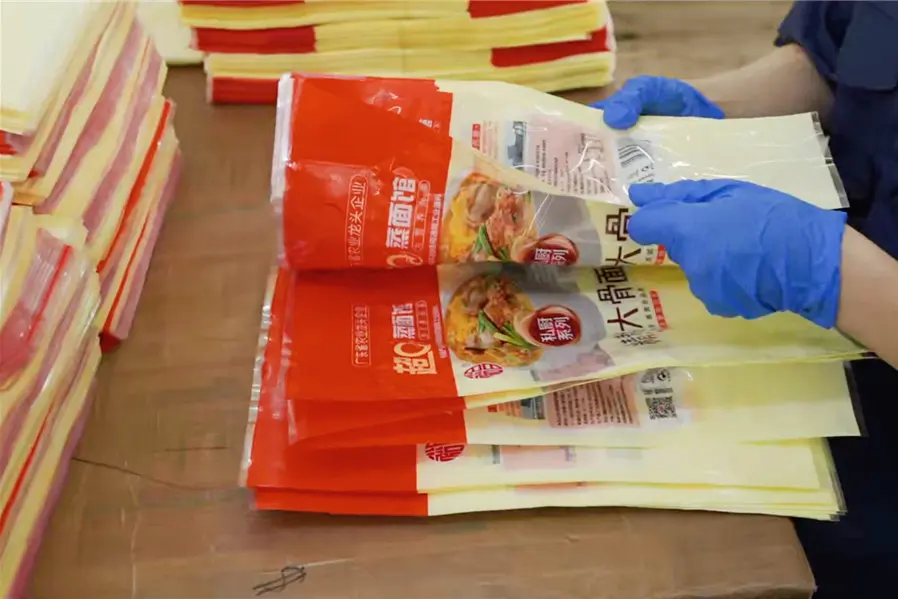
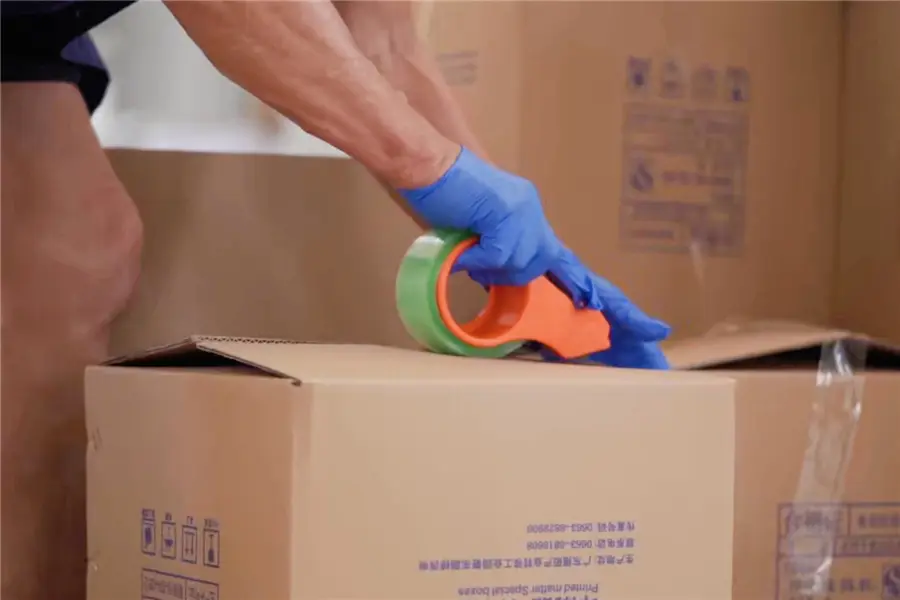
Our engineering roadmap matches custom plastic and kraft paper structures to specific Oxygen and Water Vapor Transmission Rate (OTR / WVTR) requirements.
| Film Layer Formulation | Primary Properties | Common Applications | OTR & WVTR Ranges |
|---|---|---|---|
| PET / PE | Good gloss, high mechanical strength, dependable heat-seal strength | Snack bags, pet food, dry ingredient packing | OTR: < 50 | WVTR: < 8.0 |
| PET / AL / PE | Maximum gas protection, blocks light completely, maintains aroma | Powdered milk, organic coffee, highly sensitive nutrients | OTR: < 0.1 | WVTR: < 0.1 |
| BOPP / VMCPP | Cost-effective metallic finish, provides light barrier, good moisture control | Potato chips, puffed grain snacks, lightweight cookies | OTR: < 150 | WVTR: < 2.5 |
| PET / EVOH / LLDPE | Recyclable alternative to aluminum foil, see-through window barrier | Transparent pet food, organic foods, dry nuts | OTR: < 1.5 | WVTR: < 3.0 |
| Kraft Paper / VMPET / PE | Natural texture appearance, puncture resistant, robust barrier layer | Premium whole bean coffee, bath salts, organic teas | OTR: < 1.0 | WVTR: < 0.8 |
We reduce volatile organic compounds (VOCs) by utilizing solventless adhesives during the lamination phase. This process eliminates chemical odors, ensuring food packaging stays completely neutral and sensory-safe.
To assist brands aiming for zero-waste targets, we manufacture fully recyclable mono-polymer laminates. By matching the orientation of standard PE films, we replicate the rigidity of typical multi-material bags.
When bagging fine materials like ground coffee, milk powder, or proteins, static can interfere with thermal sealing. We apply specialized additives to keep bag neck areas clean, preventing leak paths.
How our customized flexible packaging structures are deployed to meet specific regional markets and strict food safety regulations.
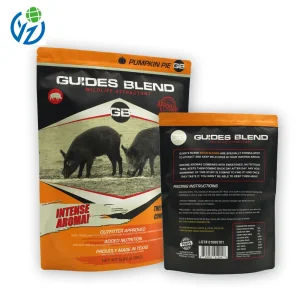
Large flat-bottom pouches must support weights between 5kg and 20kg. We design these with puncture-resistant nylon layers (PA) and durable press-to-close zippers to prevent oxidation and keep pet food fresh.
Fresh coffee emits carbon dioxide, which can build pressure. We integrate one-way degassing valves and multi-layer aluminum foils to release gas safely while preventing outside oxygen from spoiling the beans.
Potato chips and puffed crackers are prone to crushing and humidity damage. We produce specialized co-extruded films designed for nitrogen gas flushing, ensuring product freshness and physical protection.
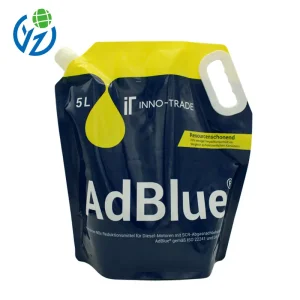
Spouted stand-up pouches and larger 5-liter Doypacks replace heavy rigid plastic bottles. We subject these pouches to pressure testing to ensure seal reliability for liquid products like juices, purées, and sauces.
How Jieyang Yuanzhong leverages local manufacturing networks, raw material access, and direct maritime shipping options to keep global deliveries consistent.
Our close relationships with local petrochemical refiners and specialized resin suppliers guarantee a steady access to raw materials, including PET, BOPP, EVOH, and LLDPE. This buffer network shields B2B buyers from global pricing swings and feedstock shortages.
We integrate printing, lamination, and bag-making into a unified manufacturing pipeline. Using automated defects detectors, web tension systems, and drying tunnels, we minimize scrap rates and lower production costs.
Our plant in Jieyang City, Guangdong, places us near major deep-water ports like Shenzhen, Guangzhou, and Shantou. This location gives us access to frequent container departures, lowering overland freight costs and shortening shipping times.
Exploring the World Through Exhibitions: A Journey Across More Than 10 Countries, Cooperating with More Than 20 Brands.
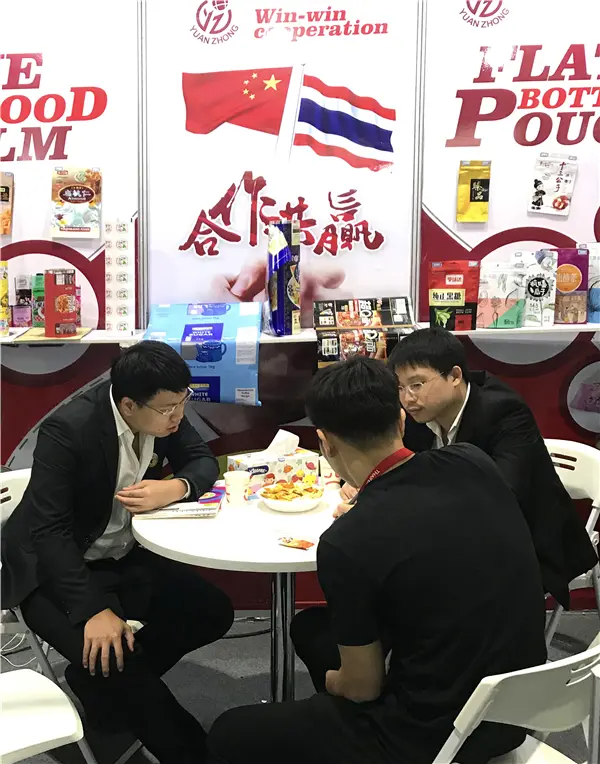
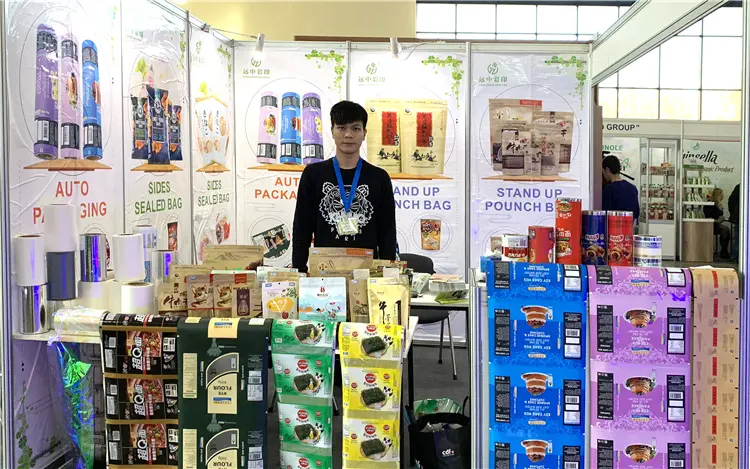
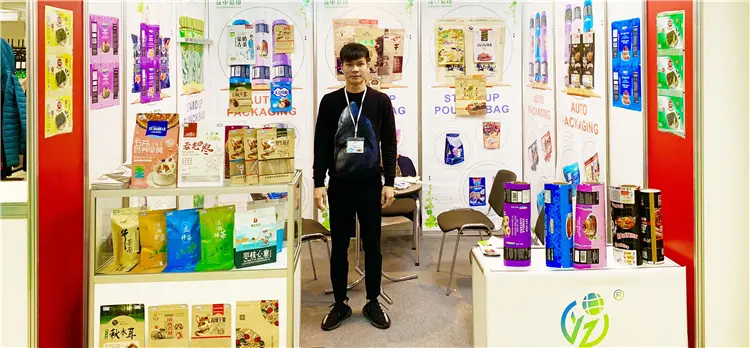
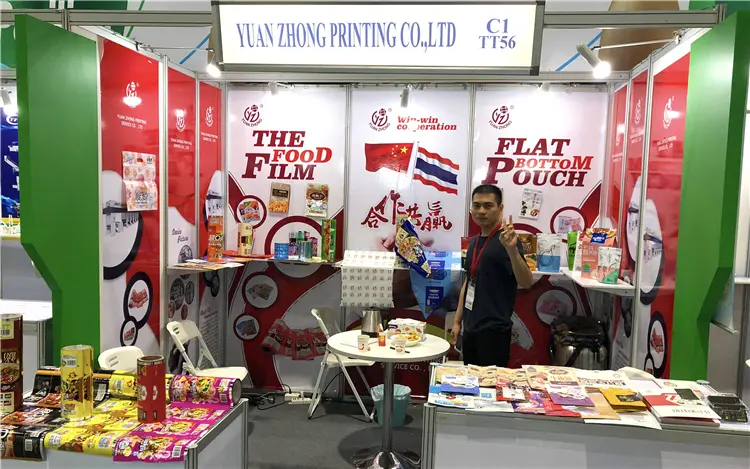
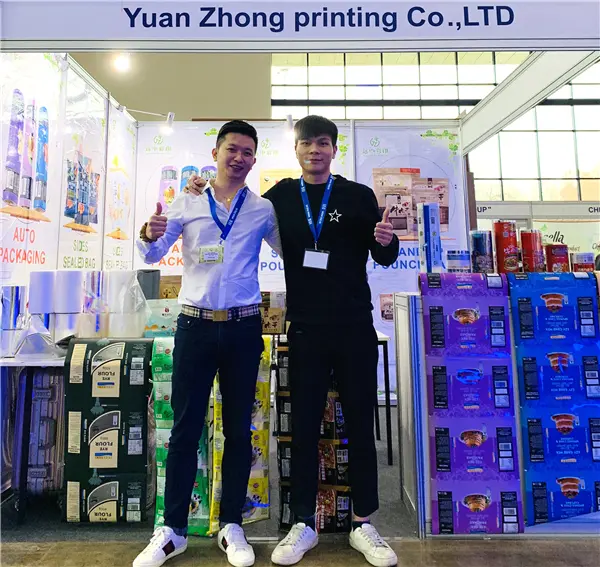
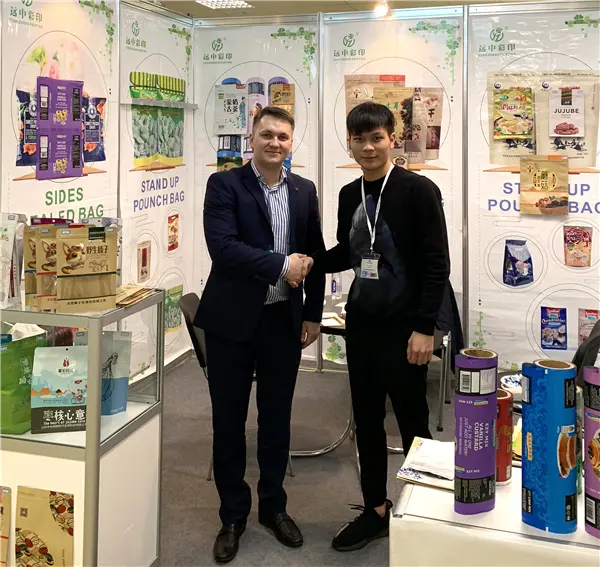


Answers to common technical, regulatory, and logistics questions from professional purchasers and packaging engineers.
We use only 100% virgin polymer resins (like PET, LLDPE, PP) and FDA-approved food-grade kraft paper. Our production processes adhere strictly to ISO guidelines, and our finished bags comply with key safety standards, including FDA regulations and EU Directive 10/2011, ensuring they are safe for direct food contact.
Because gravure printing uses dedicated cylinder setup lines, MOQs typically range from 10,000 to 20,000 bags per size/design, depending on the pouch dimensions and configuration. For roll stock film, our MOQ is generally determined by weight, starting around 500 kg per run.
Our usual factory production lead time is 18 to 22 days. This includes manufacturing the gravure cylinders, high-speed multi-pass printing, dry lamination, curing, slitting, and final bag forming. Sea freight transit times vary by destination, typically taking 14 days to Southeast Asia and 30 to 40 days to North America and Europe.
Yes. We engineer specialized retort and vacuum packaging structures. By combining oriented polyamide (BOPA/nylon) and modified cast polypropylene (RCPP) films, our packaging can withstand high cooking temperatures up to 121°C during autoclaving and retort sterilization.
Gravure printing requires one physical copper plate cylinder for each color used in the design. Cylinder fees are charged once on the initial order, and the plates are kept in our facility for your future runs. We cover the cost of maintaining these cylinders, and they do not need to be paid for again unless the bag layout is modified.
Our raw materials, inks, and production procedures comply with FDA regulations for food contact plastics, and we hold SGS and TÜV testing reports for European Union food contact safety (Regulation EC No 1935/2004). The plant also uses ISO 9001 and ISO 22000 quality systems.
Yes, we offer two main eco-friendly options. Our FSC-certified kraft stand-up pouches provide a natural finish and use thin interior plastic barriers to minimize total plastic content. Alternatively, we supply mono-material PE/PE structures that are fully recyclable within existing waste collections.
We perform regular inspections at each stage of manufacturing. In-line electronic scanners check for printing alignment and defects, while lab technicians verify lamination bond strengths and heat-seal durability. We also use gas chromatography to measure residual solvent levels and execute pressure-testing protocols to ensure our bags are leak-free.
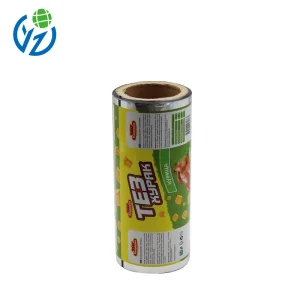
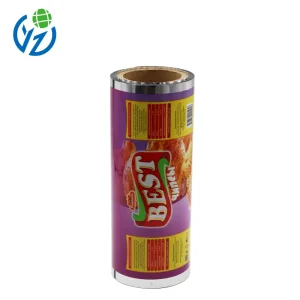
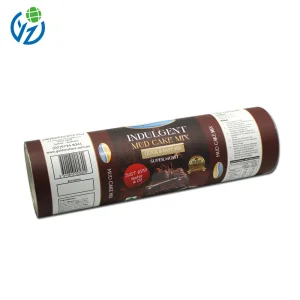
Engineered barrier materials and custom shapes designed to meet strict packaging specifications.
 Yuanzhong Printing