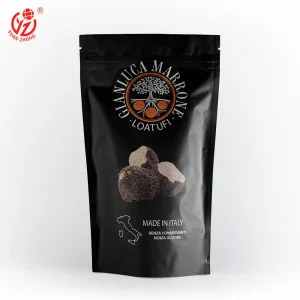
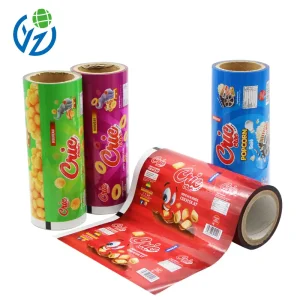
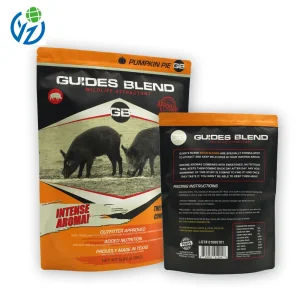
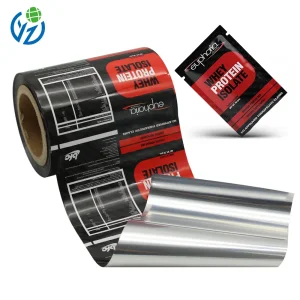
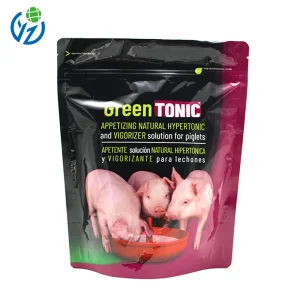
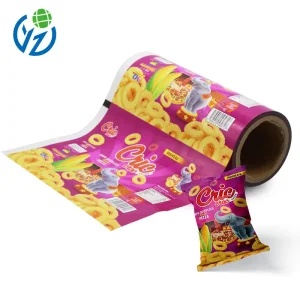
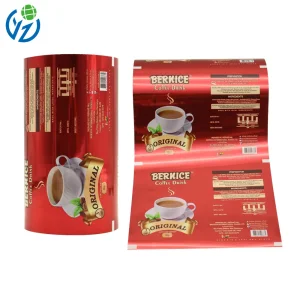
Engineered barrier laminations, custom stand-up designs, and reliable roll film configurations for modern brands.
Established in 2001 in Jiedong District, Jieyang City, Guangdong Province, Jieyang Yuanzhong Printing Co., Ltd. has developed into a preeminent force within China's flexible packaging industry. With over two decades of dedicated manufacturing experience, we specialize in high-end packaging decoration printing and precision custom food pouch production.
Our modern plant features state-of-the-art facilities, including imported Japan Komori fully automatic printing production lines. These systems allow us to hit a massive monthly production capacity of over 240 tons of premium flexible packaging films and pouches, assuring reliable supply chains for brands globally.
Through robust engineering and raw material science, we build complex barrier films tailored to preserve product freshness, enhance shelf presence, and secure compliance with rigorous global food safety standards. We operate across a strong global export network, servicing brands in more than 30 countries.
Fully automated line registration and control systems ensure color fidelity, rich saturation, and consistent performance run-after-run.
Strict cleanroom processing environments. We comply fully with FDA, EU, and international food contact compliance guidelines.
Custom materials, tailored sizes, high-barrier laminates, matte/gloss finishes, and custom closures matching your specifications.
How technical innovations and environmental shifts are reshaping the requirements for modern flexible packaging.
Global regulations are steering brands away from standard multi-layer mixed plastic films toward recyclable monomaterial structures like PE/PE or PP/PP. These maintain strict barrier properties while integrating seamlessly into circular economy recycling systems.
Brands now seek transparent high-barrier films utilizing AlOx (Aluminum Oxide) or SiOx (Silicon Oxide) coatings. These provide superior protection against moisture and oxygen while allowing consumers to view the product contents inside.
Advanced spouted systems, laser-scored easy-tear lines, and press-to-close zippers are standard requirements. Modern food pouches act as functional consumer items that preserve freshness post-opening.
In the context of modern food supply chains, packaging is no longer simply a container—it is a critical preservation technology. Oxygen Transmission Rates (OTR) and Water Vapor Transmission Rates (WVTR) are engineered down to decimals of a milliliter/gram per square meter per day. This mechanical precision ensures that sensitive products, such as protein powders and infant nutrition, maintain active ingredients without chemical degradation over extended distribution lifecycles.
Furthermore, active packaging technologies, including oxygen scavengers and ethylene absorbers integrated directly into the polymer blend, are beginning to gain traction. These technologies actively slow down organic degradation, providing an invaluable "insurance policy" for long-distance international shipping and varying climatic storage conditions.
How Jieyang Yuanzhong Printing leverages digital integration to deliver cost-effective, high-performing flexible packaging.
Procuring custom packaging from China requires more than low unit costs. Global enterprise buyers require operational transparency, regulatory compliance, and bulletproof logistical handling. Jieyang Yuanzhong Printing addresses these needs by combining raw material scale with intelligent factory processing.
By using Japanese Komori gravure lines, we achieve highly stable printing runs that reduce material waste by up to 15% compared to legacy setups. This technology translates directly to cost savings for our clients while lowering the overall environmental footprint of each production run.
Our localization advantages in Guangdong Province connect us directly to premium raw polymer suppliers, adhesive manufacturers, and major international shipping ports. This proximity reduces overland transit time and guarantees fast shipping container turnaround times for overseas deliveries.
High-resolution optical cameras inspect 100% of the moving web, flagging ink defects, pinholes, or lamination voids instantly during production.
Each batch of raw materials undergoes incoming quality controls (IQC) for purity, thickness, and tension profile prior to extrusion or printing.
Our workflow combines gravure printing technology with advanced laminating, slitting, and pouch conversion processes.
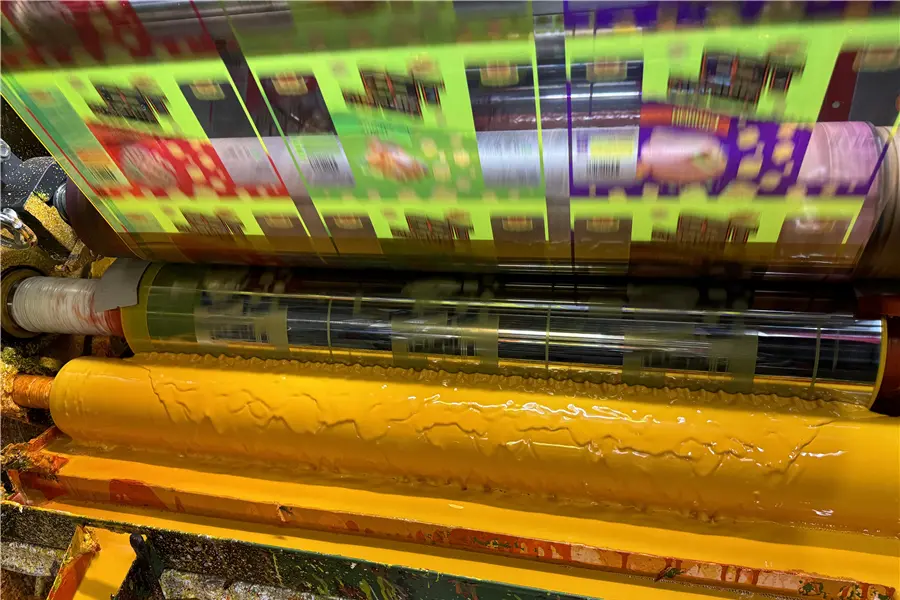
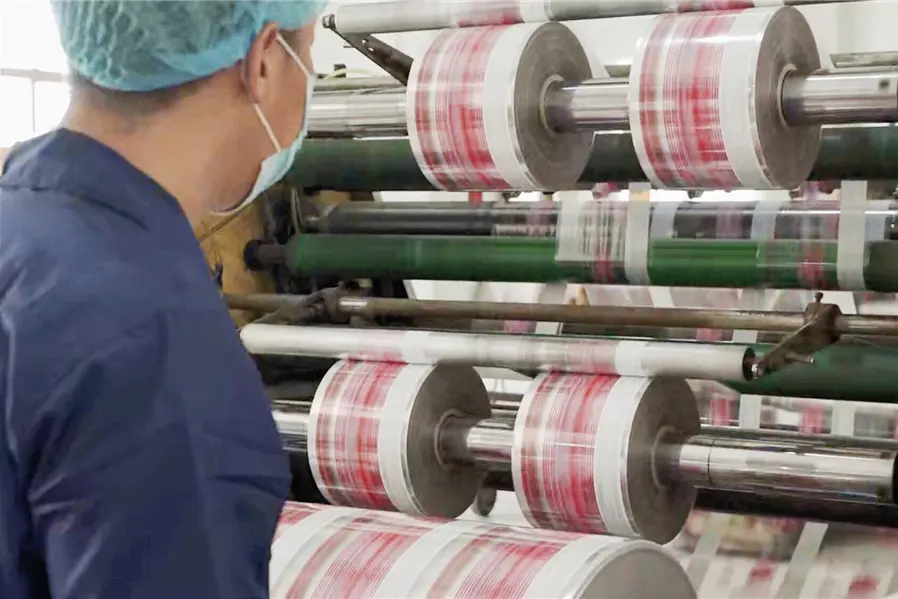
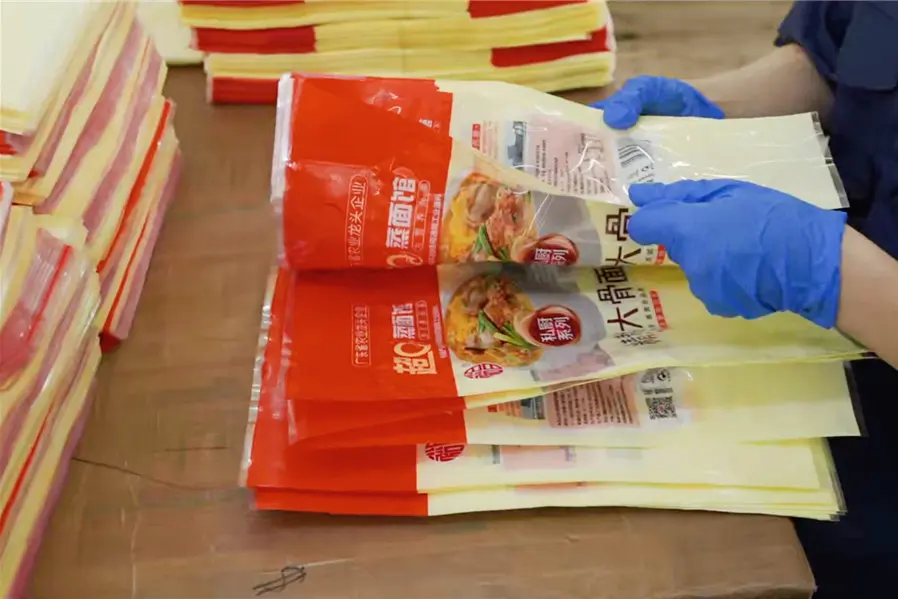
1. Printing Stage: Leveraging our Japan Komori lines, gravure printing stands as our primary method. This technology offers distinct production advantages: thick ink laydown, deep color saturation, high printing plate durability, and stable high-speed outputs. We achieve exact registration for complex graphic layouts across millions of impressions.
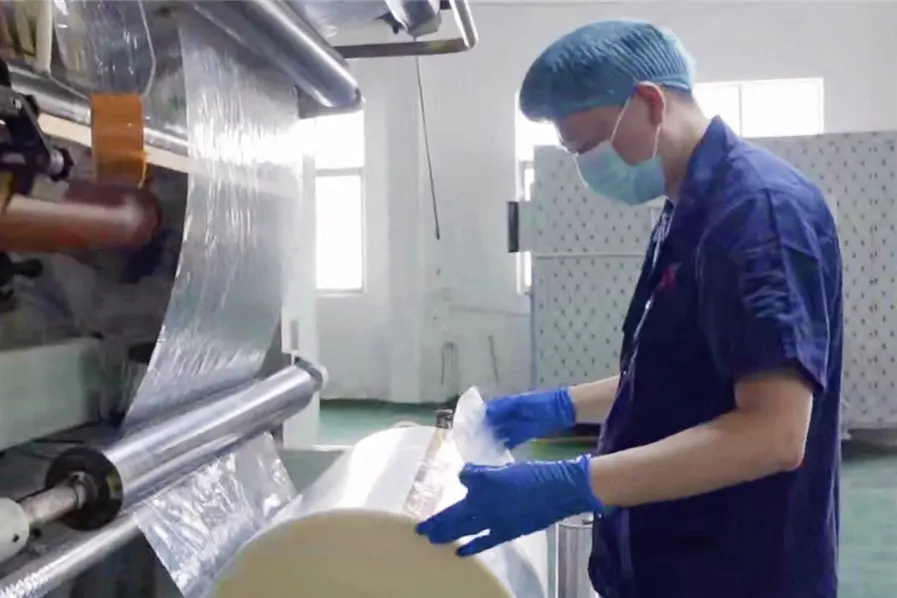
2. Composite (Lamination) Stage: Multiple film layers (such as PET, VMPET, NY, PE, CPP, or AL foil) are bonded using solvent-free adhesives. This ensures zero solvent retention, eliminating odor migration and preserving the purity of delicate foodstuffs like chocolates, coffees, or infant milk formulas.
3. Slitting Stage: The laminated master rolls are cut to width using computer-guided circular knives. Digital sensors maintain tension control across the web width, ensuring straight side-walls for roll stock destined for automated form-fill-seal (FFS) machinery.
4. Bagging (Pouch Conversion) Stage: The slitted film is converted into custom pouch structures. Heat-sealing bars apply calculated pressure, dwell time, and temperature to form hermetic seams. Zippers, spouts, or tear notches are integrated at this phase.
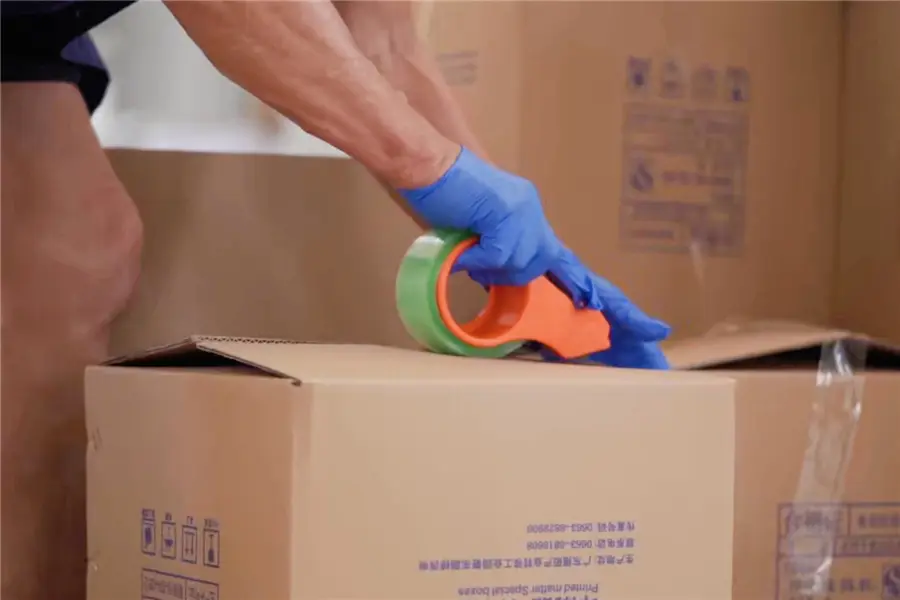
5. Packing Stage: The finished pouches are packaged in protective outer cartons and palletized. Moisture-resistant liners and edge protectors shield the cargo from sea-freight humidity and rough handling during international transit.
Engineered packaging configurations tailored for specific food sectors and environmental stresses.
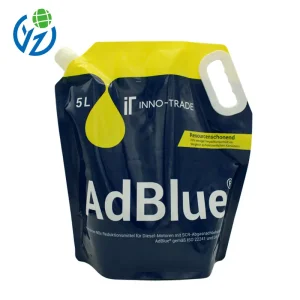
Designed for heavy volumes (up to 5L Doypacks with spouts). These configurations use heavy-gauge Nylon/PE structures to resist puncture and drop impacts, replacing rigid plastic jugs. Commonly used for institutional juices, liquid eggs, condiments, and oils.
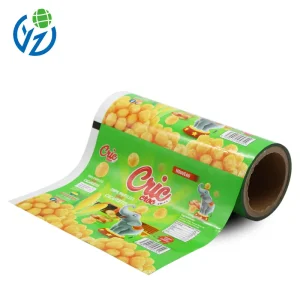
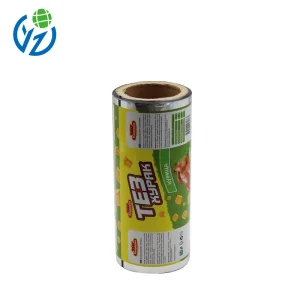
Snacks require high nitrogen gas retention to prevent staling and breakage. Our VMPET/BOPP laminations offer excellent moisture barriers, preserving crispness and freshness for potato chips, popcorn, and extruded snacks.
Equipped with one-way degassing valves and oil-resistant inner layers (Met-PET/PE). These prevent organic oils from bleeding through the film while letting CO2 gases vent safely without letting external oxygen enter the pouch.
We actively showcase our flexible packaging solutions at international trade shows across more than 10 countries.
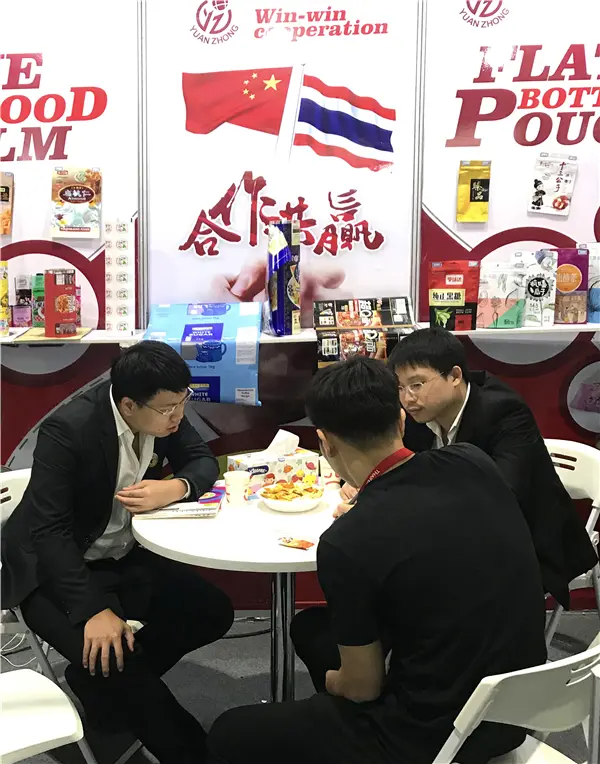
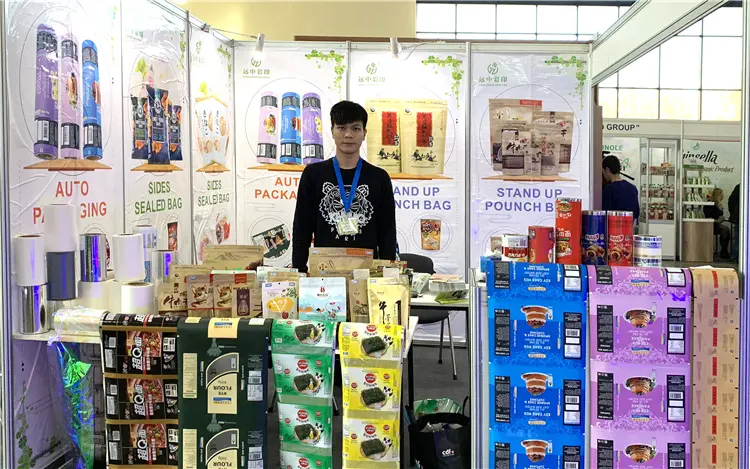
International Fair
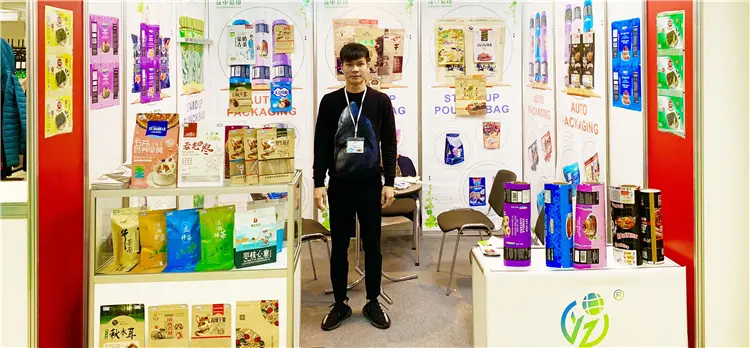
Product Display
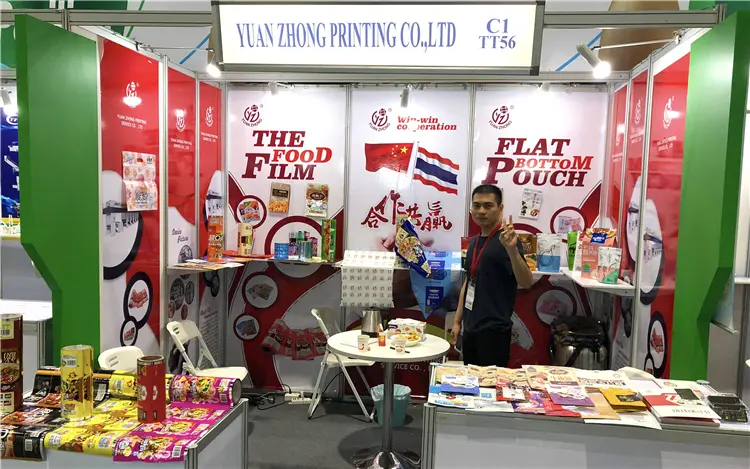
Packaging Expo
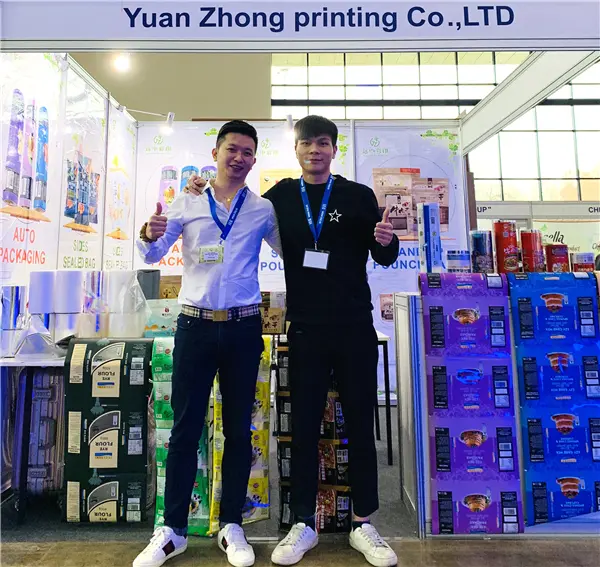
Global Show
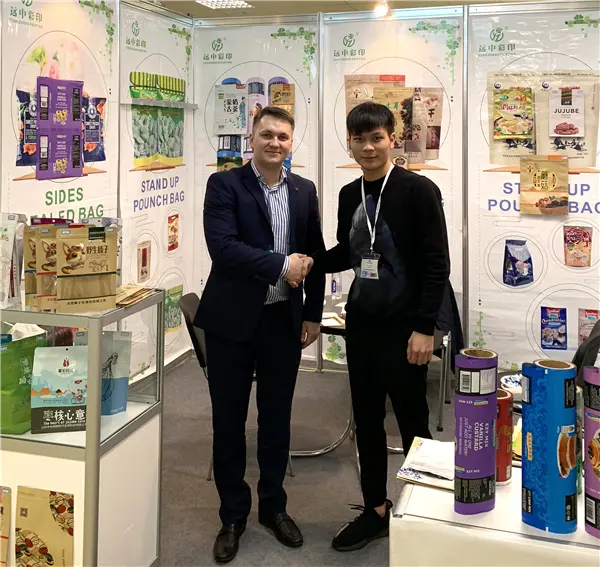
Exhibition Booth
A testament to our commitment to excellence, partnering with over 20 global brands to deliver customized quality.


Clear, direct information addressing common technical questions raised by quality assurance and procurement managers.
Explore our liquid packaging systems, metallic snack films, and custom coffee rolls.
 Yuanzhong Printing