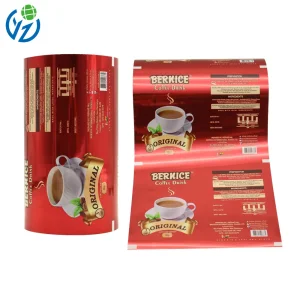
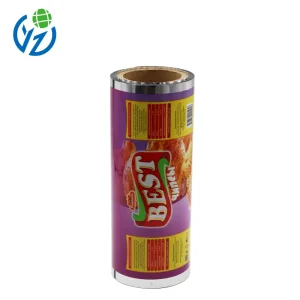
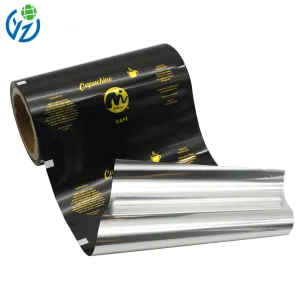
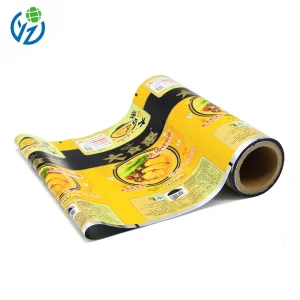
Explore our core selection of high-barrier, custom-printed, and food-safe flexible packaging roll stock and pre-made pouches direct from our certified Chinese factory.
Beyond simple wraps: how the modern industry defines food packaging through chemical barriers, structural safety, environmental footprints, and brand communication.
Historically, food packaging meant basic isolation from environmental dirt and dust. However, in the modern Global Supply Chain 4.0 ecosystem, the *meaning* of food packaging encompasses a highly complex web of biological, chemical, and physical attributes. It is the primary vehicle preventing lipid oxidation, moisture gain, and microbiological spoilage.
For high-value assets like custom coffee, milk powder, or specialized pet foods, packaging serves as a critical shield. Specialized barrier layers, such as metallized PET (VMPET) or pure aluminum foil (AL), act as absolute barriers against oxygen and light, maintaining molecular composition and sensory characteristics over extended shelf lives.
A typical high-barrier composition features an outer PET layer (providing structural stiffness and high-definition gravure printability), an intermediate AL or VMPET layer (acting as the ultimate physical shield), and an inner linear low-density polyethylene (LLDPE) sealant layer engineered for high-integrity heat sealing at varied thermal parameters.
Modern sustainability dictates that food packaging should minimize environmental toxicity while preserving maximum durability. Biodegradable coatings, recyclable mono-material PP structures, and post-consumer recycled (PCR) content represent the future trajectory of ecological packaging solutions.
For international supply chain managers, importing packaging from China requires stringent compliance protocols. Global markets demand conformance to regulations such as the United States FDA Title 21 CFR (for food contact substances), European Union EC 1935/2004 framework, and China's own GB 9685 national hygienic standard.
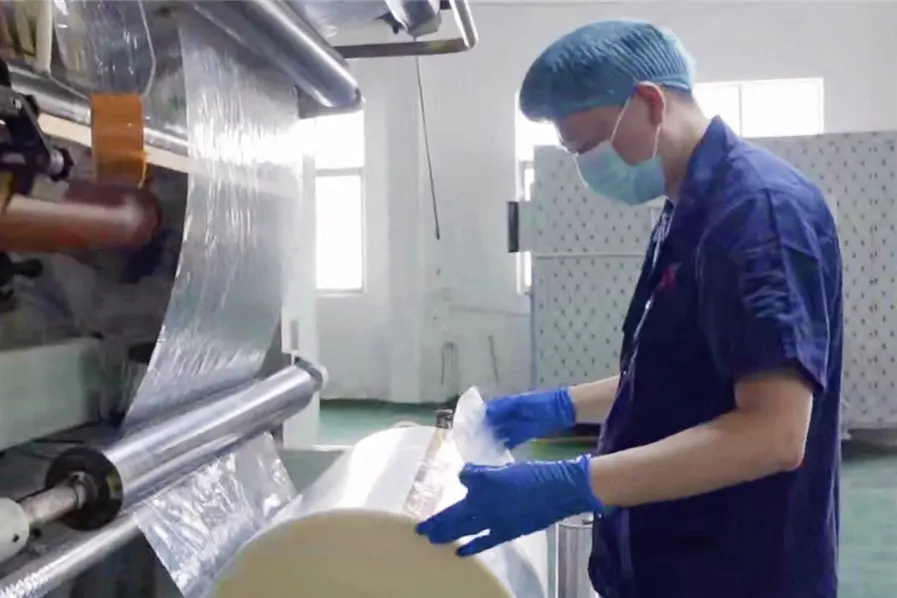
Yuanzhong Printing strictly regulates plasticizer migration rates, heavy metals limit control, and solvent residue mitigation. By utilising solvent-free composite machines and premium food-grade inks, we guarantee that all food-contact laminates are completely odor-free and pose zero chemical migration hazards.
- Total Specific Migration Limits (SML) verification.
- Sensory evaluation for flavor retention.
- High-speed seal strength and puncture resistance diagnostics.
- Material traceability metrics from raw granule to finished rolls.
A legacy of precision engineering, advanced Japanese print machinery, and international supply chain resilience since 2001.
Established in 2001 in Jiedong District, Jieyang City, Guangdong Province, Jieyang Yuanzhong Printing Co., Ltd. has evolved into a powerhouse of flexible packaging manufacturing. With over two decades of dedicated R&D and manufacturing expertise, we represent the vanguard of Chinese industrial print packaging.
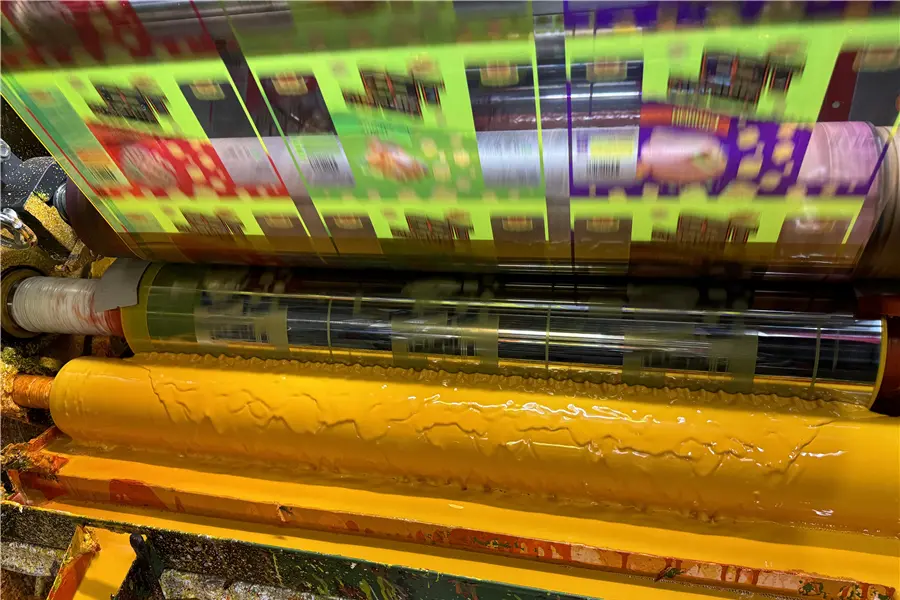
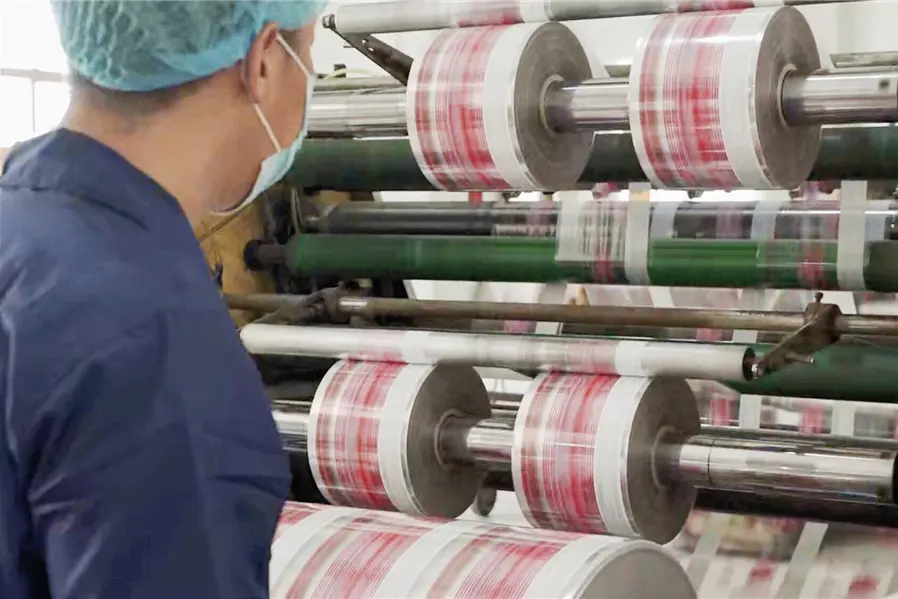
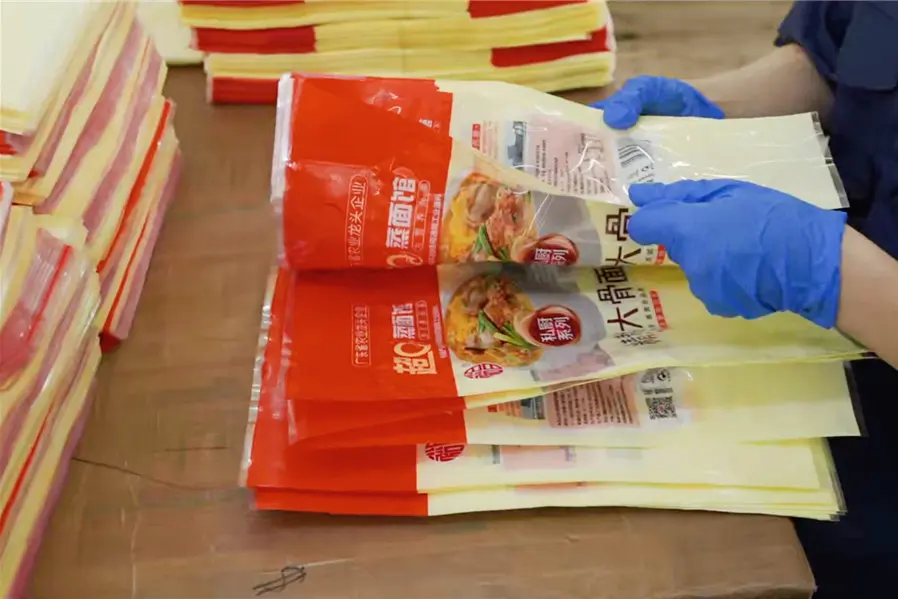
Our core capabilities range from packaging decoration printing to the micro-precision manufacturing of complex laminated plastic food bags. Our production infrastructure leverages fully automated Japanese Komori printing lines, allowing us to manage large production runs with exact chromatic consistency. With an aggregate monthly output capacity exceeding 240 metric tons, we satisfy demand across more than 30 countries.
Our operation integrates computerized quality control centers. Optical defect detection scanners scan the printing lines in real-time to detect color shifting or mechanical print errors at speeds of up to 300 meters per minute.
High-speed gravure printing provides high ink layer density, excellent gloss, rich color transitions, high mechanical stability, and rapid turnaround times.
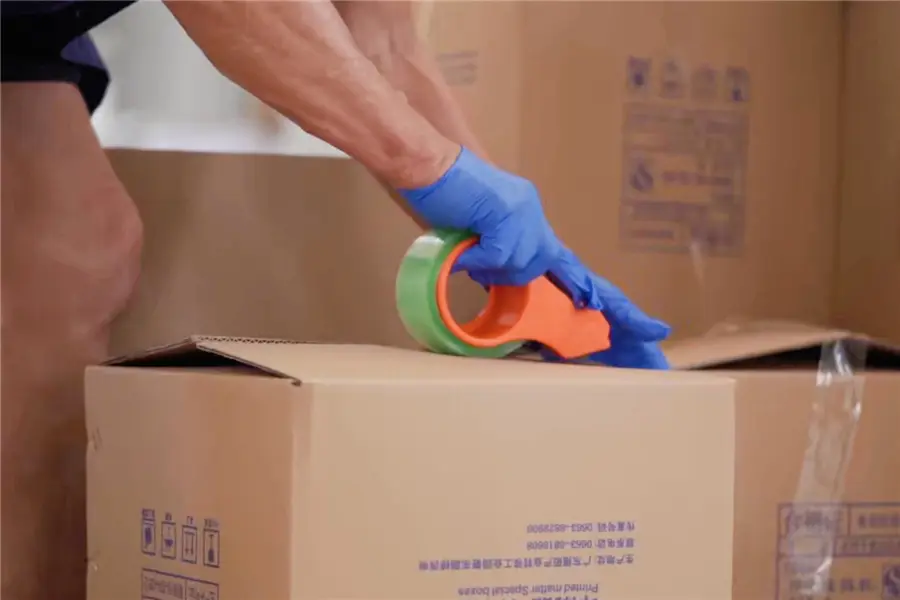
Different product lines require distinct packaging engineering to maximize product freshness and brand differentiation.
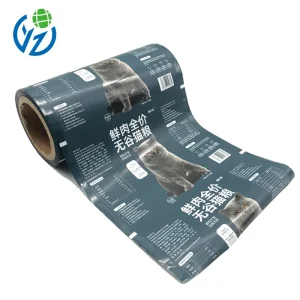
Pet foods feature high lipid concentrations, meaning they require advanced oxygen barrier performance to prevent oils from spoiling. Pouches must also resist punctures and tears during transport. Our solutions combine heavy-gauge PET, Nylon (BOPA), and reinforced LLDPE to prevent tears and ensure puncture resistance during shipping.
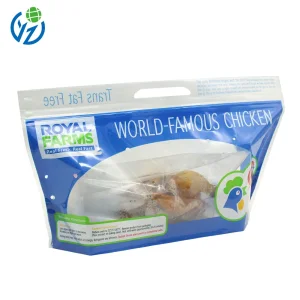
Raw and frozen poultry require packaging with high shrink properties, high puncture resistance, and oxygen protection to extend shelf life. Our customized turkey packaging bags withstand freezing temperatures, maintaining their flexible integrity and protecting against freezer burn.
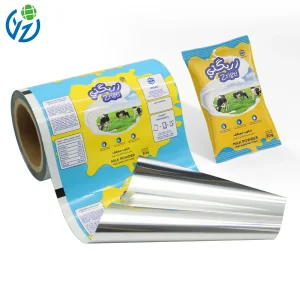
Powdered products are highly sensitive to oxygen and humidity. Our specialized barrier foils feature advanced multi-layer laminates with high seal integrity to prevent air leaks and keep powders dry and fresh.
Freshly roasted coffee produces carbon dioxide gas, which can cause packaging to swell or burst. We integrate one-way degassing valves that release build-up gas without letting outside oxygen enter the bag. This preserves fresh volatile oils and prevents oxidation.
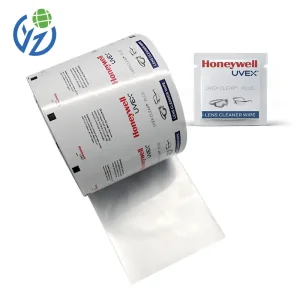
Our medical sterile packaging foils are designed for sterilization autoclaves. The packaging prevents microbes from entering the bag, keeping medical tools and sterilization pads clean and sterile until they are used.
Exploring the World Through Exhibitions: A Journey Across More Than 10 Countries to connect with international partners.
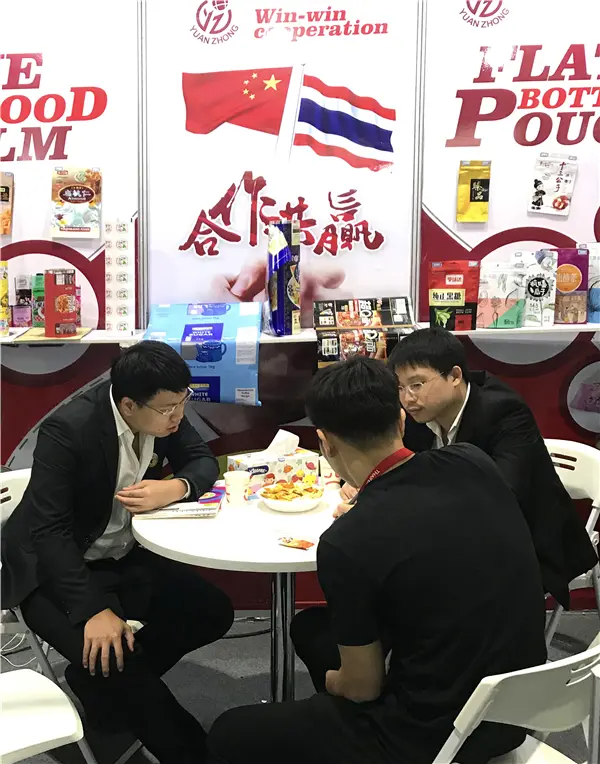
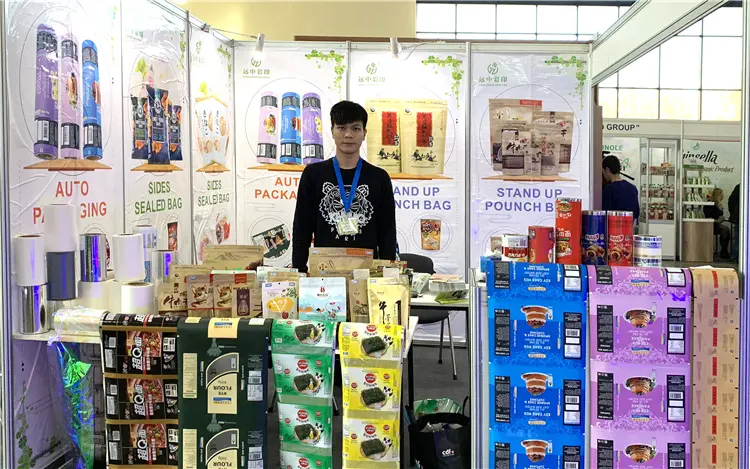
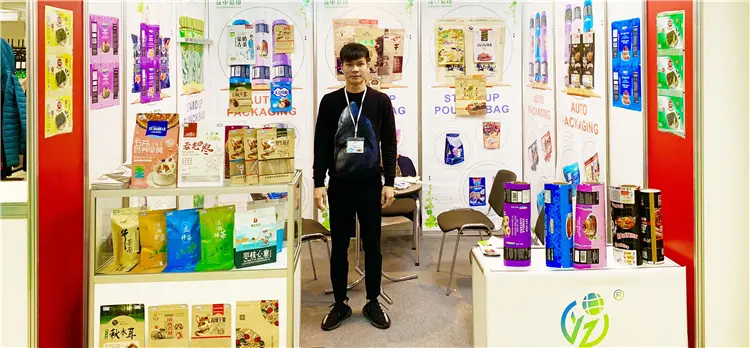
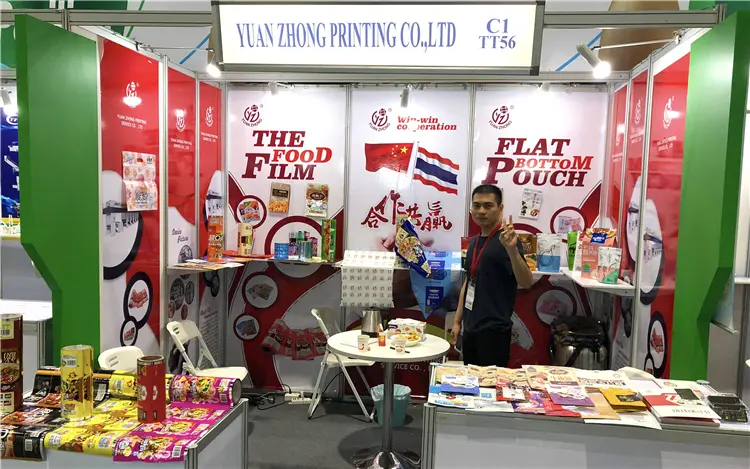
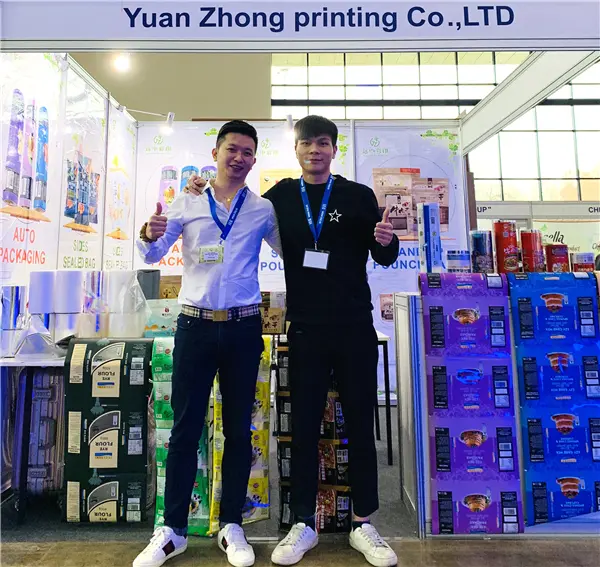
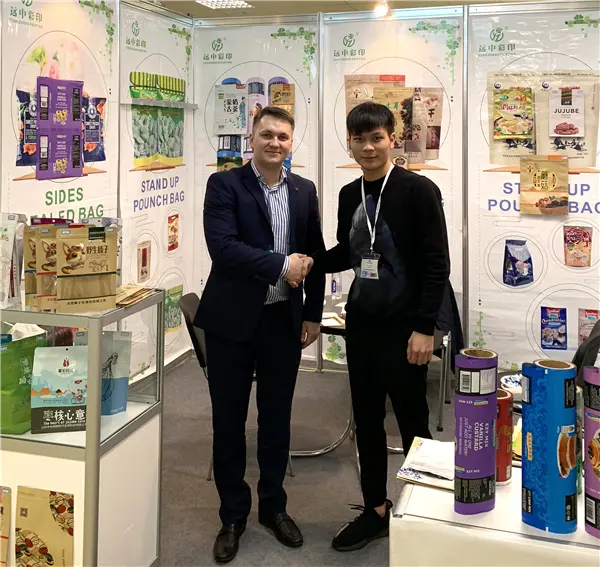
Cooperating with More Than 20 Brands: A Testament to Our Commitment to Excellence.




Get technical insights directly from our engineering team on flexible packaging production, materials, and international standards.
We purchase all raw polymer films and aluminum raw materials from verified suppliers who provide trace documentation. Additionally, we run regular gas chromatography tests in our factory labs to check for residual solvents. Our production processes conform to international standards, including FDA 21 CFR regulations and the European Union’s EC 1935/2004 directives.
Pure Aluminum Foil (AL) offers an absolute barrier against light, gas, and moisture, making it ideal for high-sensitivity products like infant milk powder. VMPET is a cost-effective alternative with good barrier properties, but is not an absolute block. VMPET also offers greater mechanical flex crack resistance.
Gravure printing uses engraved cylinders to transfer ink, producing rich colors, high resolution, and sharp text. It is ideal for long runs because the cylinders are highly durable. Flexo printing uses flexible relief plates, which is more cost-effective for short production runs but can offer slightly less color depth.
Our standard production MOQ for roll stock typically ranges from 500 kg to 1,000 kg per design, depending on the film structure. Pre-made bags range from 10,000 to 50,000 pieces. Once plate engraving is complete, standard lead times are 15-20 days, depending on order size and structure complexity.
Explore our range of high-performance packaging options, including coffee pouches, snack films, and custom pet food packaging.
 Yuanzhong Printing