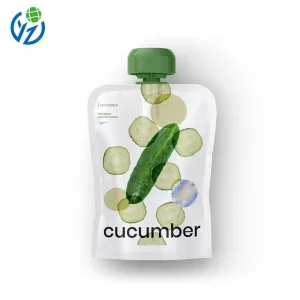
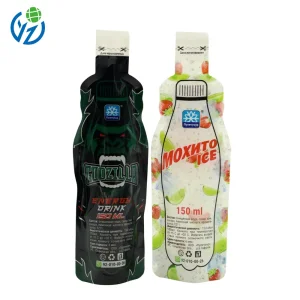
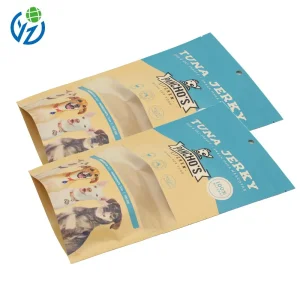
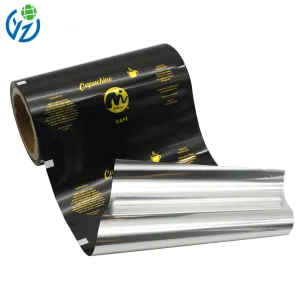
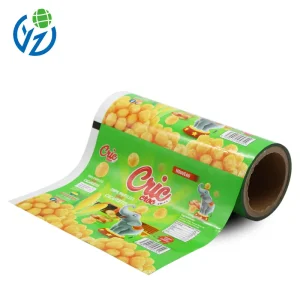
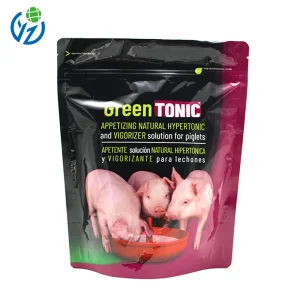
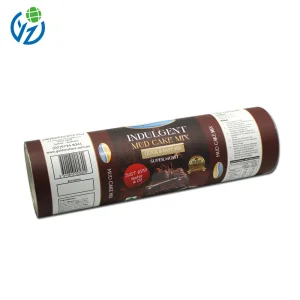
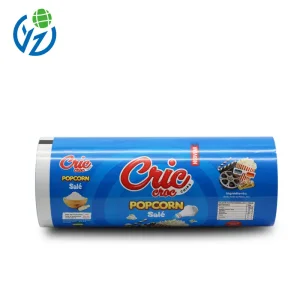
Explore custom FDA-approved flexible barrier materials designed for maximum shelf life, high-speed automated packaging, and distinct brand shelf presentation.
The global food packaging sector is undergoing a rapid transition driven by consumer demand for convenience, extended shelf-life, and strict international environmental standards. In modern food manufacturing, packaging is no longer just a passive container. It plays an active role in food safety, product freshness, smart logistics, and brand communication.
China has emerged as a central hub for food packaging and printing, combining advanced printing technology with highly integrated raw material supply chains. As global manufacturers move toward sustainable alternatives like mono-material laminates, compostable coatings, and high-barrier recyclables, Chinese factories are leading this transition. They are upgrading their production methods to meet global standards such as FDA, BRC, and ISO.
Modern food preservation relies on barrier technology to prevent oxidation and moisture loss. Using polymer science, manufacturers create multi-layer film laminations (such as PET, AL, NY, and PE) that protect products from oxygen and moisture. This process extends shelf life without needing chemical preservatives.
Technological convergence is also shaping the industry. The integration of high-resolution gravure printing with electronic registration control ensures that design graphics, nutritional panels, and security QR codes are printed with sharp detail. This level of quality is essential for brands competing in crowded retail markets, where packaging design influences consumer purchasing decisions.
Established in 2001 in the Jiedong District of Jieyang City, Guangdong Province, Jieyang Yuanzhong Printing Co., Ltd. has grown over two decades to become a leading private enterprise in the packaging printing sector. The company specializes in decorative packaging printing and custom plastic packaging bags, offering end-to-end production solutions for global food brands.
Equipped with advanced imported production systems, including Japan Komori fully automatic printing lines, Yuanzhong maintains an impressive monthly output exceeding 240 tons. The factory specializes in custom structural and aesthetic packaging designs, tailoring products to meet the unique material and shape requirements of its clients.
Years of Industry Expertise
Monthly Production Capacity
Export Countries & Regions
Global Brands Partnered
Selecting the right material structure is critical for maintaining product quality in food packaging. Packaging must withstand mechanical stress during transportation, resist light and temperature changes, and control gas migration. The table below outlines common material combinations used in modern food packaging:
| Structure | Key Characteristics | Common Applications |
|---|---|---|
| PET / PE | High clarity, strong tensile strength, cost-effective moisture barrier. | Standard snack bags, dry food packaging, simple ziplock pouches. |
| PET / AL / PE | Exceptional protection against light, oxygen, and water vapor. Prolongs shelf life. | Coffee pouches, powder mixes, long shelf-life items. |
| Kraft / PLA or NK | Compostable and biodegradable barrier films. Natural aesthetic. | Eco-conscious food brands, organic dry products. |
| BOPA / PE (Nylon) | Excellent puncture resistance, highly flexible, reliable low-temperature performance. | Frozen foods, vacuum packaging, heavy pet treats. |
Beyond simple lamination, manufacturers must closely manage environmental factors to prevent chemical migration and maintain the physical stability of the packaging. Modern processing uses solvent-free laminators, which run at high speeds without leaving volatile organic compounds (VOCs) behind. This technique ensures that the final packaging is completely food-safe and odor-free, meeting international regulatory standards.
Our plant operates a structured five-stage workflow, utilizing advanced gravure and high-precision converting machinery to ensure consistent packaging performance.
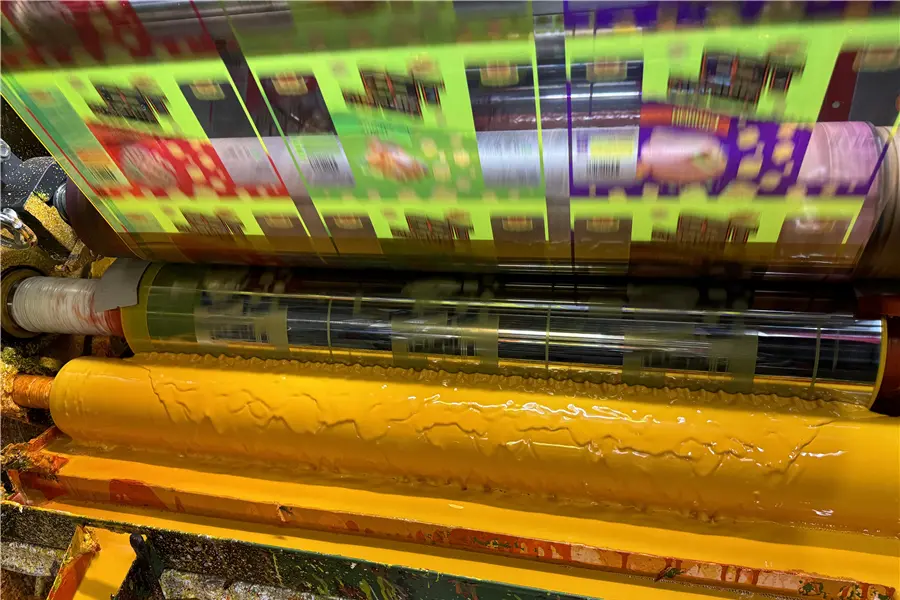
High-definition gravure printing offers excellent color saturation and high plate durability.
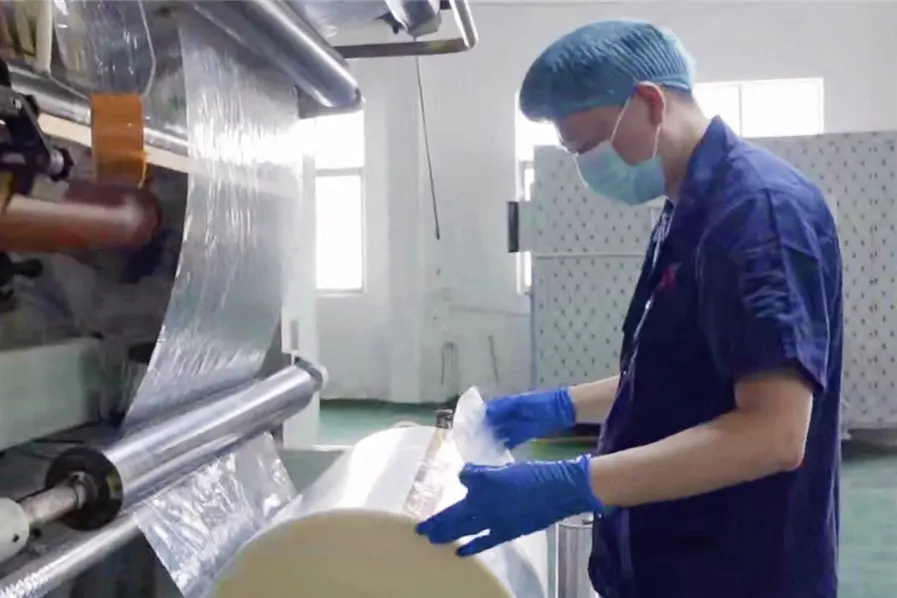
Solventless lamination bonds multiple functional layers without solvent emissions.
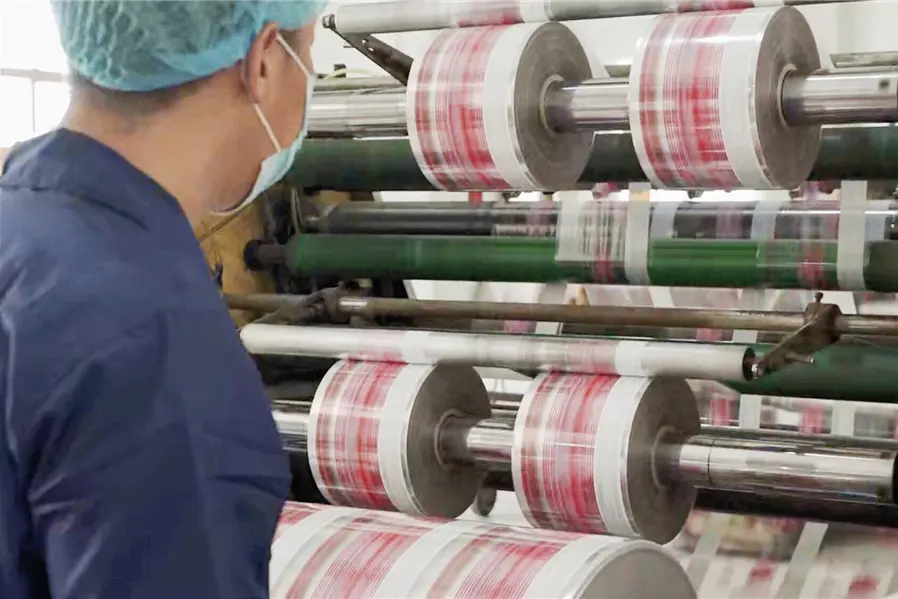
Precision slitting cuts wide laminated rolls to exact dimensions for automatic filling lines.
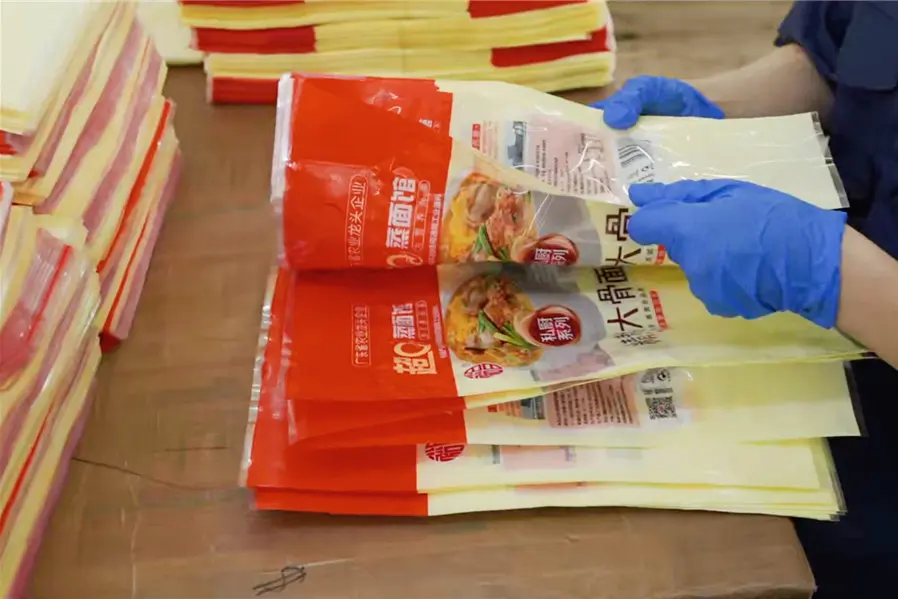
Automated pouch-making machines form custom shapes and add zippers or spouts.
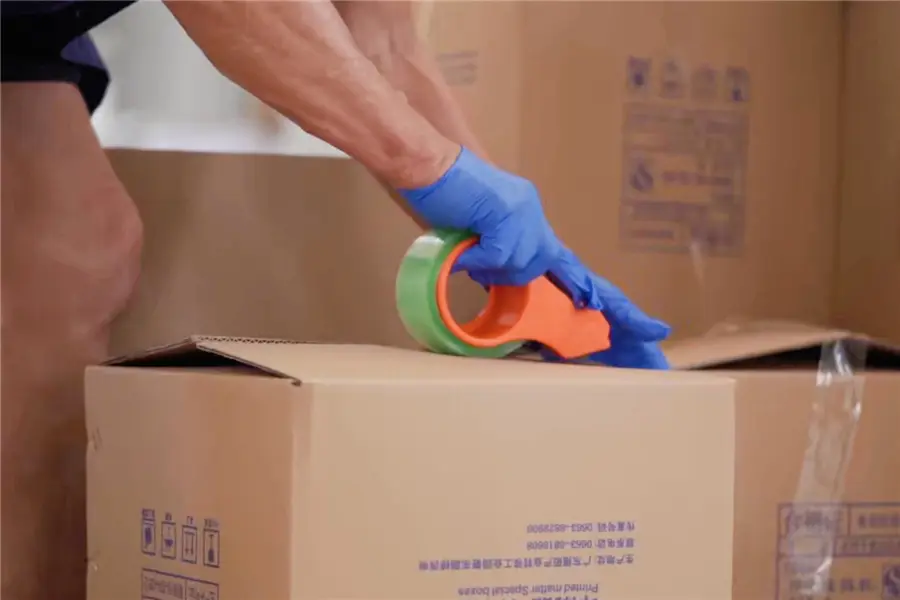
Thorough quality checks and dynamic packing prepare goods for international shipping.
Sustainable packaging design is increasingly guided by strict environmental policies, such as the EU's Packaging and Packaging Waste Regulation (PPWR) and US state-level EPR regulations. Historically, recycling multi-layer flexible packaging was difficult because of the challenges in separating different plastic layers. Today, research is focused on developing mono-material films, primarily PP or PE, that offer reliable protection while remaining fully recyclable.
Achieving barrier performance in mono-materials requires advanced surface treatment technology. Applying ultra-thin coatings of Aluminum Oxide (Al2O3) or Silicon Oxide (SiOx) to PE or PP films creates a clear, strong barrier against gas and moisture. This allows brands to transition away from traditional, non-recyclable multi-material structures while maintaining the necessary shelf-life for their products.
Additionally, bio-based and compostable polymers like Polylactic Acid (PLA) and polyhydroxyalkanoates (PHA) are finding applications in niche markets. These materials degrade naturally in industrial composting facilities, helping to reduce plastic waste in areas with established organic waste collection systems.
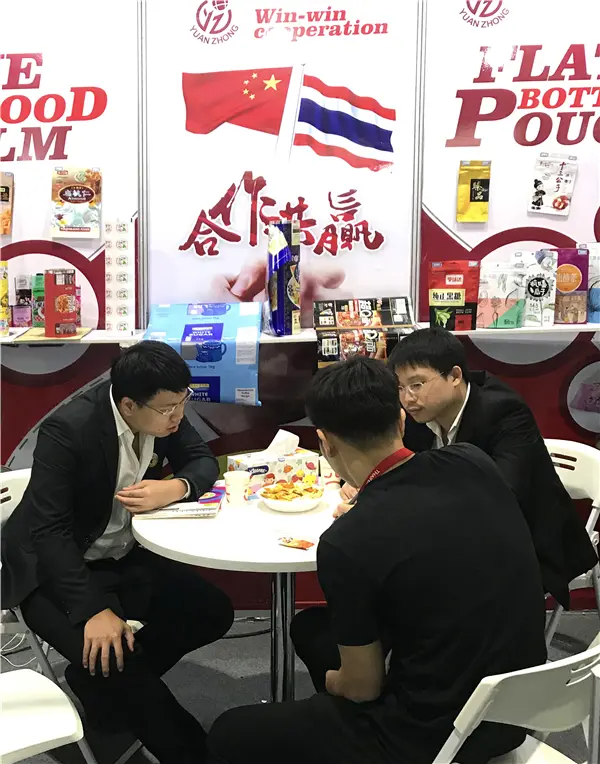
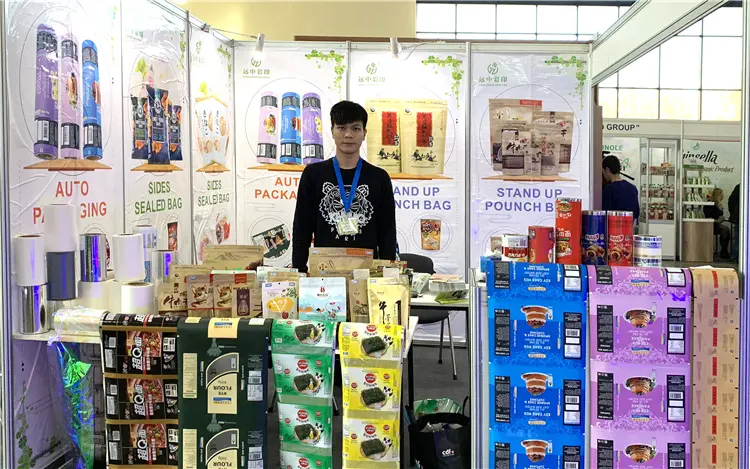
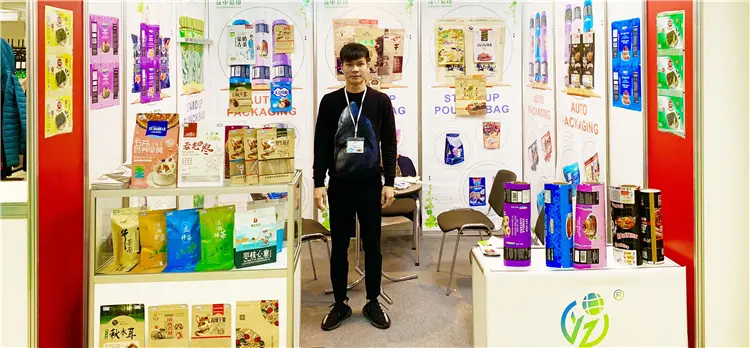
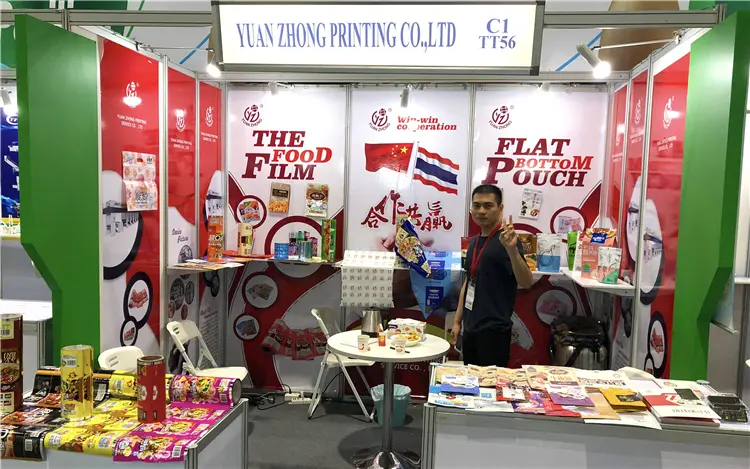
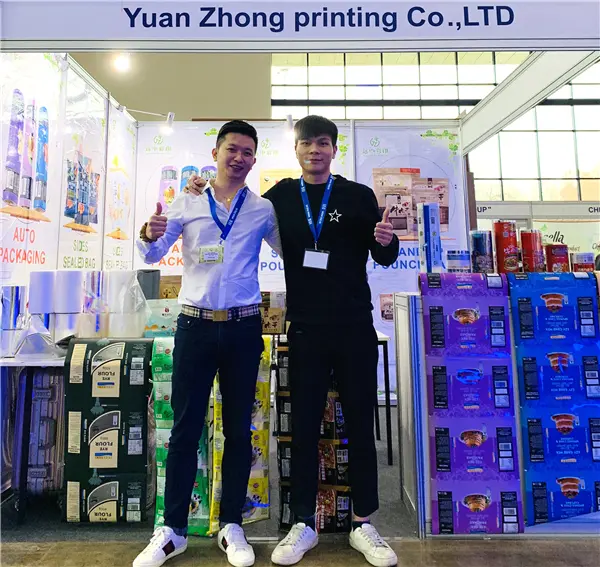
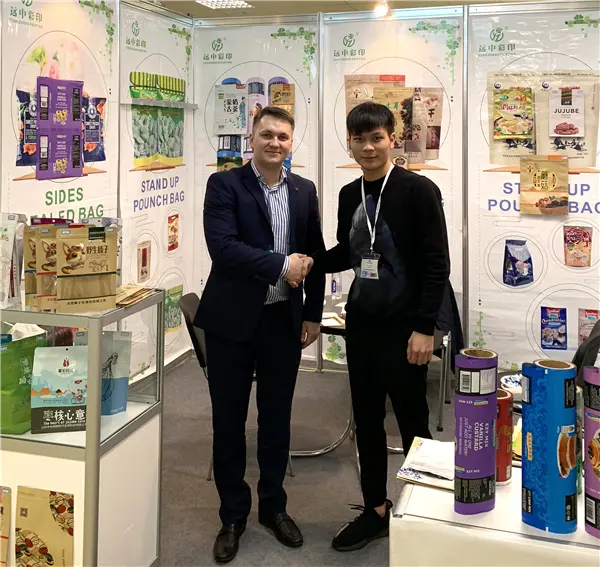
Demonstrating our commitment to international partnerships and showing our packaging solutions at major exhibitions worldwide.
Food-contact packaging must comply with strict global safety regulations to prevent chemical transfer. Agencies like the FDA in the United States and EFSA in Europe set strict limits on the migration of substances like plasticizers, residual solvents, and heavy metals.
To maintain safety and quality, manufacturers implement comprehensive testing programs at each stage of production. These measures include:
Selecting certified raw material suppliers is a core component of this quality control system. Working with trusted international polymer manufacturers ensures that all plastic resins, inks, and adhesives are food-contact safe and free from SVHCs (Substances of Very High Concern).
Working closely with over 20 global brands to deliver reliable, high-performance packaging solutions.


Direct answers from our senior application engineers on material science, compliance, and custom ordering logistics.
Every production batch undergoes formal testing, including Oxygen Transmission Rate (OTR) and Water Vapor Transmission Rate (WVTR) measurements using ASTM standards. We perform gas chromatography to check for residual solvents, ensuring all packaging meets EU and FDA regulatory standards.
Gravure printing offers high image resolution, sharp color registration, and excellent consistency over large production runs. It is the preferred choice for detailed product labels, long runs, and packaging that requires durable, high-density ink coverage.
We use high-performance solvent-free lamination systems. This process uses reactive polyurethane adhesives that do not require organic solvents for dilution. This eliminates solvent emissions, removes the risk of residual solvents, and ensures odor-free packaging.
Yes. Our custom roll films are manufactured with controlled coefficients of friction (COF) and dynamic thermal seal ranges. This ensures smooth operation on modern vertical form-fill-seal (VFFS) and horizontal form-fill-seal (HFFS) packaging machines.
We offer recyclable mono-material structures (such as all-PE laminations), bio-based films, and compostable Kraft-based pouches. These options can be customized with high-barrier coatings to protect your products while supporting environmental goals.
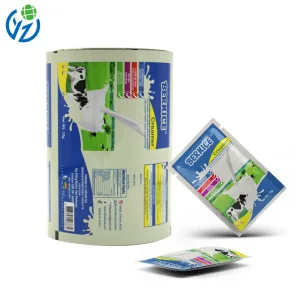
Explore our specialized range of high-barrier rollstocks, child-resistant features, and custom films designed for automated production lines.
 Yuanzhong Printing