High-integrity barriers engineered to preserve product freshness, ensure transport durability, and maximize shelf-appeal.
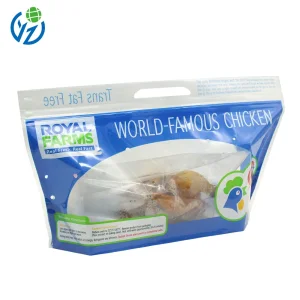
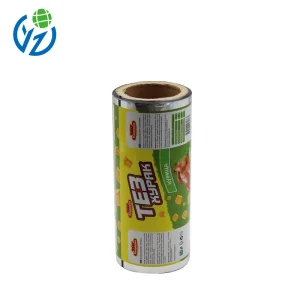
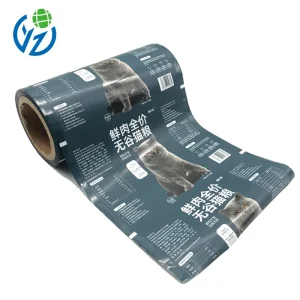
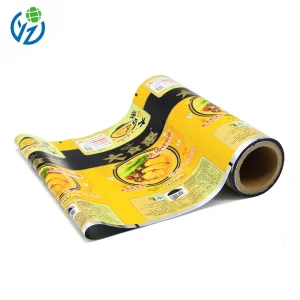
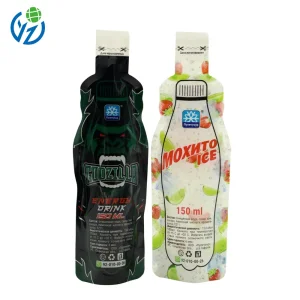
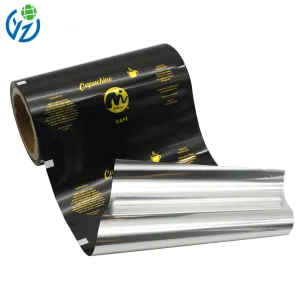
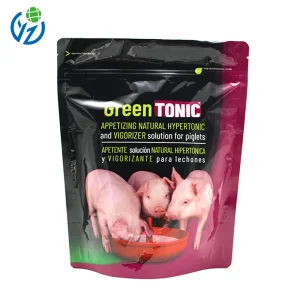
In today's hyper-competitive consumer goods markets, flexible film and barrier packaging serve as the critical interface between product preservation, logistical optimization, and brand identity.
As global purchasing groups seek reliable, large-scale supply partners, Jieyang Yuanzhong Printing Co., Ltd. stands as a premier private manufacturing enterprise in Guangdong Province. Established in 2001, we offer custom plastic and aluminum laminated configurations designed to solve oxygen, moisture, and mechanical stress vulnerabilities.
Flexible film development requires strict material science coordination. Through multi-layer blown co-extrusion and advanced gravure lamination, our facility outputs over 240 tons monthly. We transform complex polymer resins into high-performing barriers, satisfying clients across 30+ countries.
Modern packaging managers face pressure to reduce carbon footprints, maintain food-contact compliance, and lower per-unit costs. Standard converters often struggle with raw material variations.
Our ISO-standard floor plan integrates precision machinery to ensure thickness uniformity, crisp print registration, and high bond strengths.
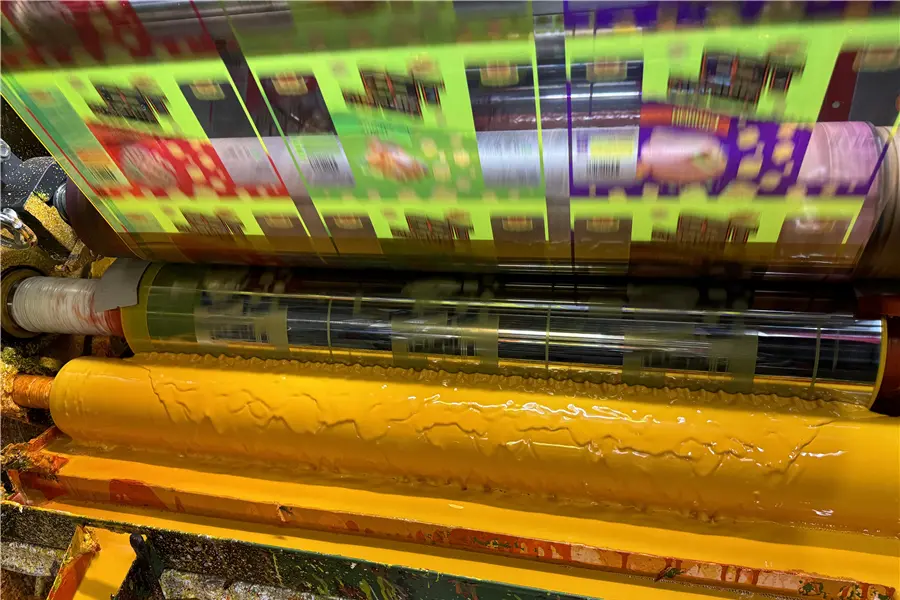
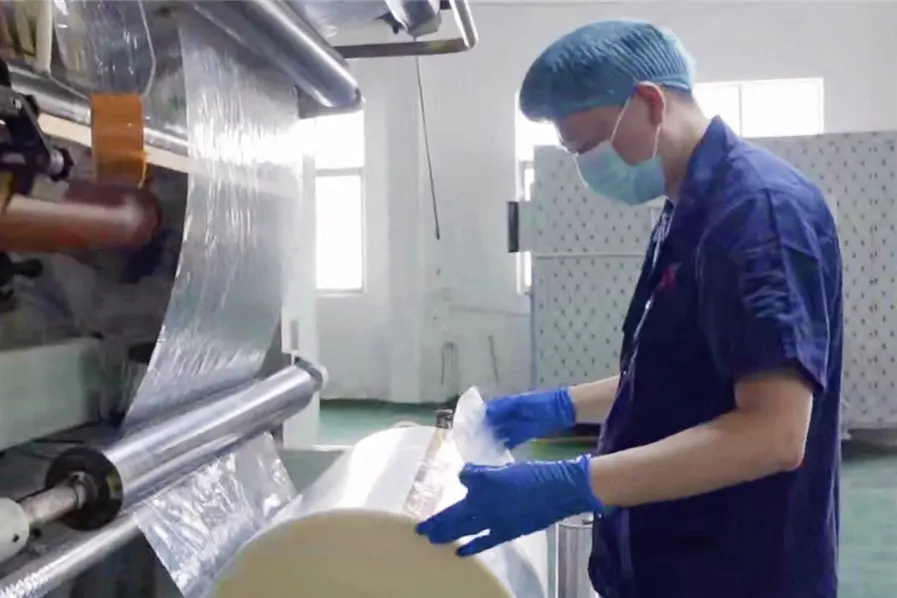
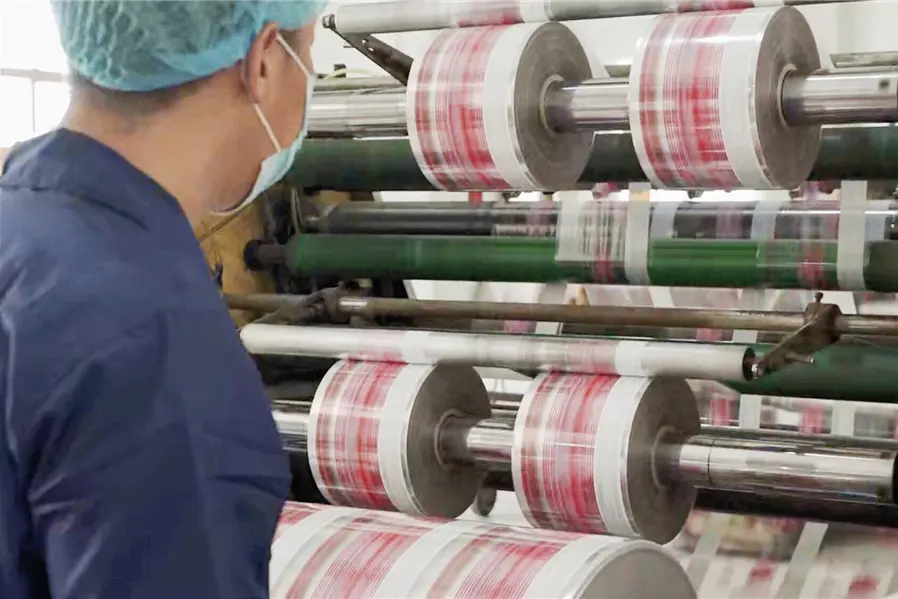
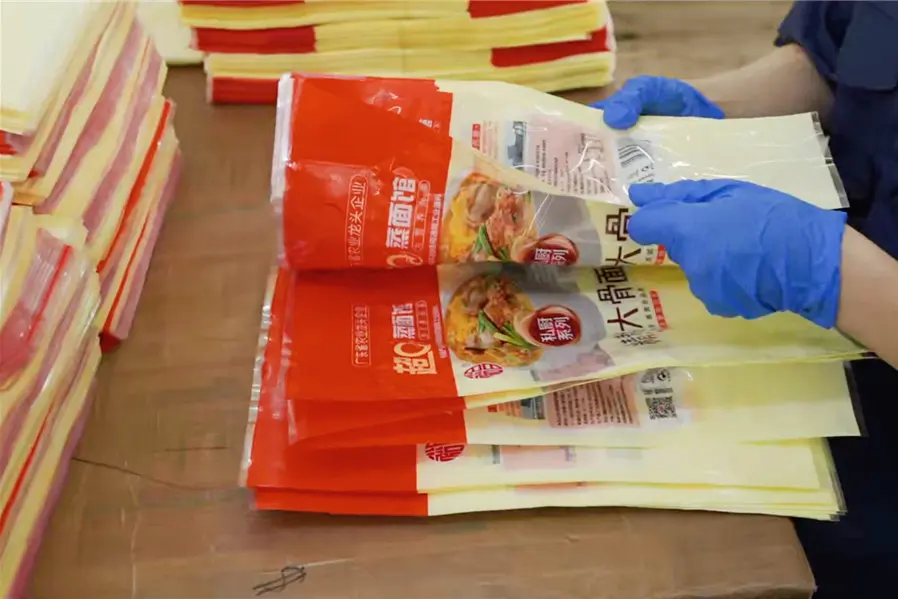
Gravure printing deposits a thick layer of ink into engraved cylinder cells, delivering rich color density, vibrance, and clean small-text readability that flexographic alternatives struggles to replicate.
By using adhesive formulations cured via heated laminators, we bond multi-ply webs (such as PET/AL/PE) without trapping solvent residuals. This process prevents off-gassing and taste contamination.
Heavy chromed steel cylinders maintain design details over production runs of millions of meters. This makes rotogravure the most cost-effective method for high-volume flexible film brands.
The concentration of film extruders, chemical resin producers, cylinder engravers, and ocean logistics hubs in South China provides significant structural efficiencies. Jieyang Yuanzhong operates within this ecosystem to lower procurement times and manage cost volatility.
We secure high-grade resins—such as linear low-density polyethylene (LLDPE), oriented polyamide (OPA/Nylon), and premium thin-gauge foils—from top-tier refiners. This vertical integration keeps material sourcing consistent and helps prevent delamination failures.
Additionally, Shenzhen and Guangzhou deepwater ports are located nearby. This proximity enables fast container loading, reducing transshipment times for international sea routes to North America, Europe, and Australia.
| Material Layer | Primary Benefit | Thickness Range |
|---|---|---|
| PET (Polyester) | External print web, thermal stability | 12µm - 15µm |
| BOPA (Nylon) | Puncture resistance, flex-crack block | 15µm - 25µm |
| AL (Aluminum) | Zero OTR/WVTR absolute barrier properties | 6.3µm - 9µm |
| LLDPE | Heat-seal layer, food-grade contact | 30µm - 120µm |
We customize laminate materials to withstand different sterilization temperatures, filling speeds, and distribution conditions.
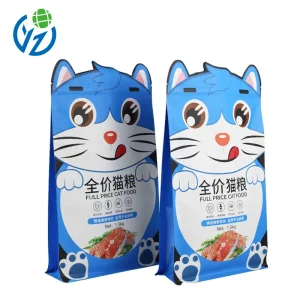
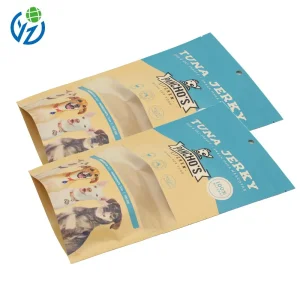
Pet food contains high concentrations of lipids and proteins, making it vulnerable to rancidity when exposed to oxygen and moisture.
We manufacture flat-bottomed zippered bags and film rolls using PET/AL/PE and PET/VMPET/PE laminates. These structures block UV light, protect against punctures from kibble, and lock in aroma.
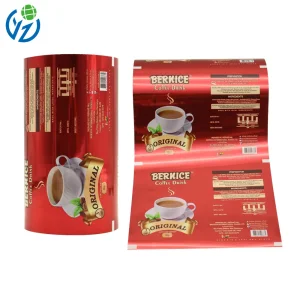
Freshly roasted coffee releases carbon dioxide while being highly sensitive to oxygen exposure.
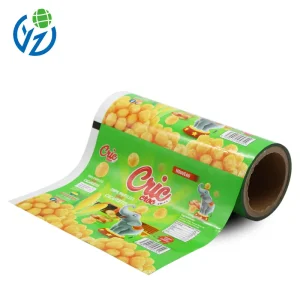
Our coffee rolls support one-way degassing valves. Our snack films, like the potato chip range, feature high-barrier metallized films that preserve crunch and prevent oil oxidation.
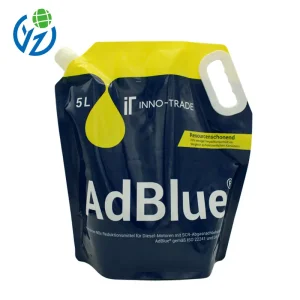
Heavy-duty liquid packaging requires durable seals to prevent leakage during drops and vibration.
Using high-bonding co-polymer resins, we manufacture large-format spouted pouches (up to 5L) that resist drops, seal securely, and function as rigid bottle alternatives.
To ensure compliance with FDA CFR 21 (Food Contact Substances) and European Union Regulation (EC) No 1935/2004, our internal quality control team tests every production batch. We utilize Gas Chromatography (GC) to monitor solvent residues, keeping ethyl acetate and toluene levels well below international regulatory limits.
We run puncture test fixtures, seal strength testers, and optical densitometers. This ensures our film barrier layers perform reliably during filling, shipping, and shelf life.
Global regulations are pushing for a circular economy, prompting brands to transition toward sustainable packaging formats.
Our journey across more than 10 countries allows us to understand localized customer preferences and regulatory frameworks.
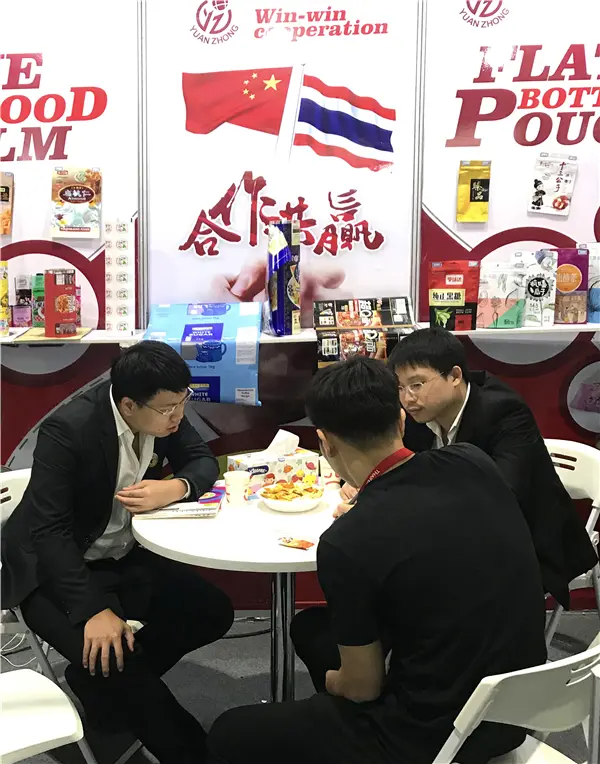
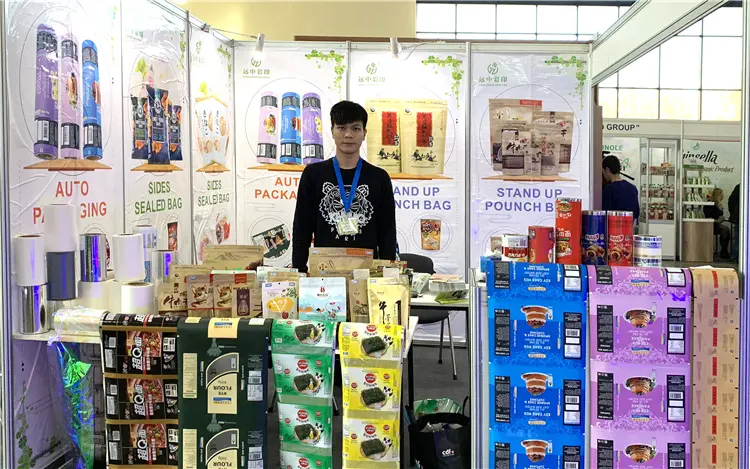
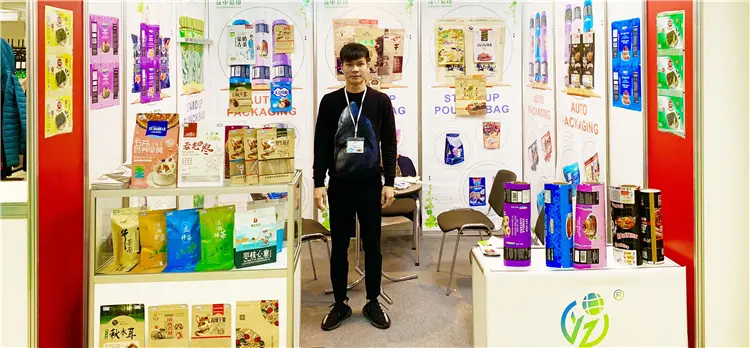
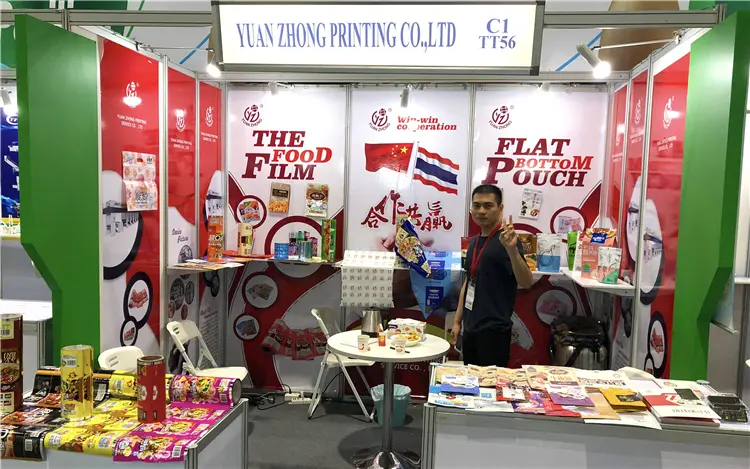
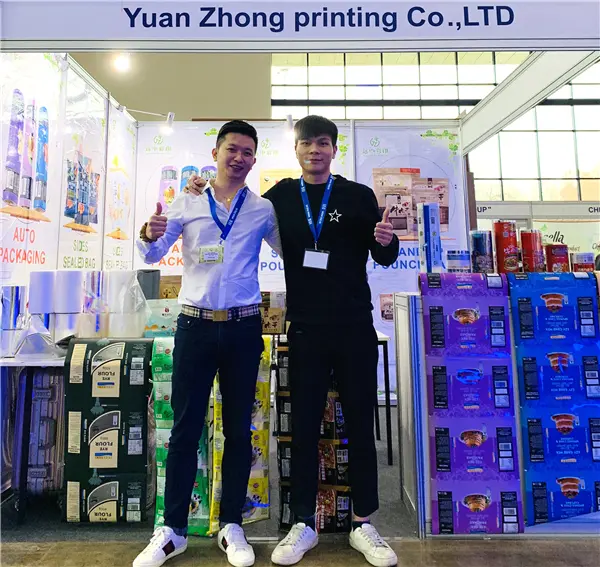
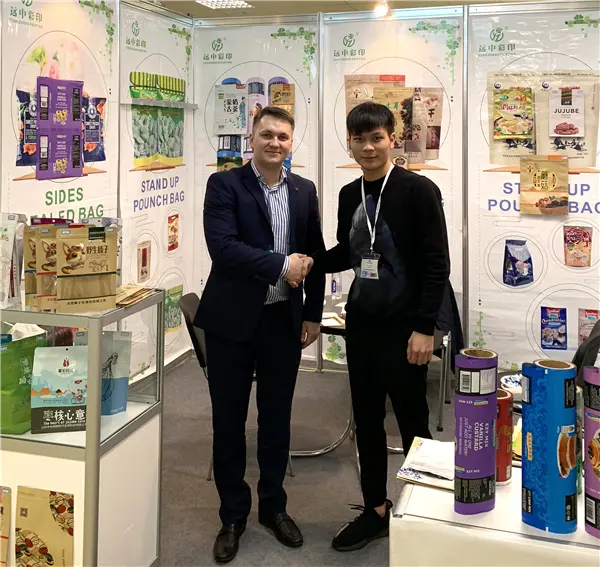
Providing packaging solutions to more than 20 global brands—a testament to our commitment to quality.



Technical details, order minimums, and shipping questions for global packaging buyers.
For unprinted or simple co-extruded films, our MOQ typically starts at 500 kg. For custom-printed rotogravure film packaging rolls, the minimum order is determined by the size and layout of the print design—generally equivalent to 10,000–20,000 meters of web material. For custom premade stand-up pouches or flat-bottom bags, our MOQ ranges from 10,000 to 30,000 pieces per design, depending on the dimensional layout and zipper configuration.
Delamination occurs when individual layers peel apart, which is usually caused by low-quality bonding resins or poor curing. We address this by using dry solvent-free laminating machines that apply exact heating, nip-roller pressures, and adhesive coatings. After laminating, the rolls go to temperature-controlled curing rooms for 48–72 hours to complete the polymer link cross-linking. We also test bond strength (expressed in N/15mm) on every batch before slitting.
Creating steel base plates, engraving copper layers, and applying chrome finishes for gravure cylinder sets takes about 7 to 10 days from final artwork approval. Once the cylinders are ready, the initial production run—which includes printing, laminating, curing, slitting, and pouch conversion—typically takes 15 to 20 days. Repeat orders that reuse the same cylinders can often ship within 10 to 12 days.
Yes. We engineer high-temperature retort laminates using special inks, cast polypropylene (CPP) sealants, and polyurethane adhesives. These structures can withstand retort sterilization temperatures of 121°C for up to 45 minutes without seal failure, layer separation, or loss of barrier properties.
Pure aluminum foil (AL, typically 7µm or 9µm thick) provides a complete barrier with an OTR near 0 cc/m²/24hr. Metallized polyester (VMPET) uses a thin vacuum-deposited aluminum layer on PET film. VMPET is more flexible and resistant to flex-cracking, but has an OTR range of 0.5 to 1.5 cc/m²/24hr. AL is best for long shelf-life items, while VMPET works well for fast-moving snack goods.
We require vector artwork files in Adobe Illustrator (.AI), PDF, or EPS formats. Text elements must be outlined to prevent font discrepancies, and colors should be designated using Pantone Matching System (PMS) codes to ensure accurate matching on the press.
We use gas chromatography (GC) to inspect solvent residues. Samples from cured film rolls are heated in sealed vials to vaporize residual solvents. The gas is injected into the chromatograph, which measures the concentration of compounds like ethyl acetate. We maintain total residual levels below 10 mg/m² to prevent odor or flavor contamination in packaged food.
Custom flexible formats engineered for high-speed automated packaging lines and robust environmental protection.
 Yuanzhong Printing