Plastic baggies are essential tools for consumers and businesses alike. In 2026, their importance will only grow, driven by trends in sustainability and convenience. According to a report from Grand View Research, the global plastic bag market was valued at over $20 billion in 2020 and is expected to expand significantly. This demand reflects a shift towards practical packaging solutions.
Users value plastic baggies for their versatility. They are widely used for food storage, travel organization, and product packaging. The food industry particularly relies on them for safe and hygienic storage. However, there is a growing concern regarding their environmental impact. Reports indicate that up to 1 trillion plastic bags are used annually. This statistic prompts reflection on the balance between convenience and sustainability.
Innovation in biodegradable materials presents a potential solution to these issues. Companies are exploring eco-friendly alternatives that retain the benefits of traditional plastic baggies. Nevertheless, challenges remain, particularly in terms of cost and performance. As global consumers advocate for greener options, the future of plastic baggies will likely include a blend of convenience and environmental responsibility.
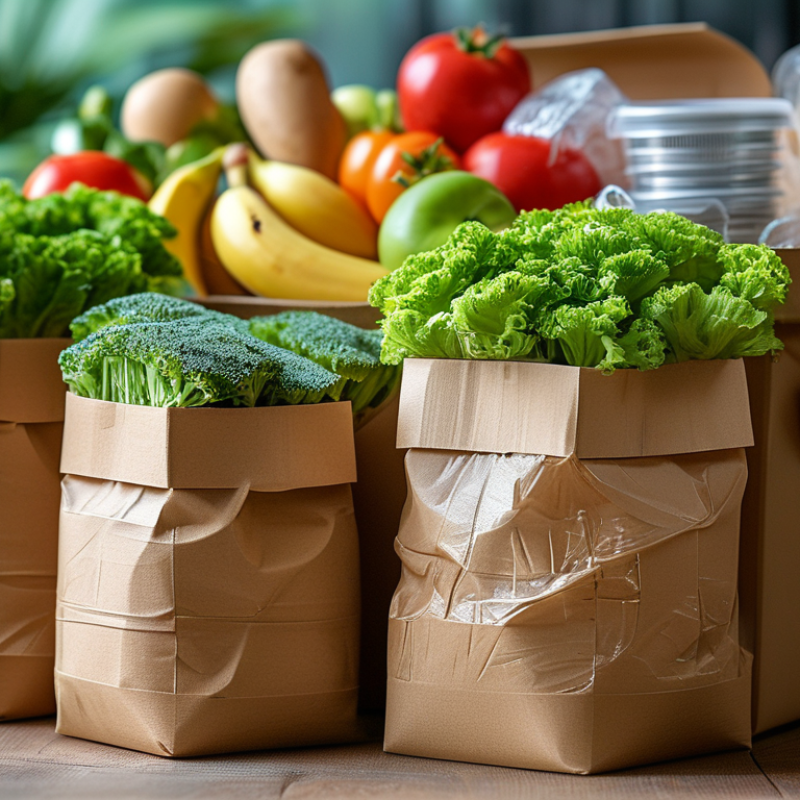
As global markets evolve, plastic baggies are gaining traction for their versatility and practicality. In 2026, reports indicate a projected increase of 7.5% in demand among buyers in various sectors. Retail, food packaging, and personal use lead this growth. The multifunctionality of plastic baggies makes them essential for organization and storage.
In the food industry, consumer preferences are shifting towards sustainable packaging. A survey revealed that 60% of consumers prefer recyclable options. This trend indicates the need for manufacturers to adapt. Innovation in materials used for baggies could cater to this demand, promoting eco-friendly alternatives.
Buyers should keep an eye on the latest packaging technologies. Investing in smarter, more biodegradable materials can improve brand image and attract eco-conscious customers. It’s important to consider that quality control is critical. Not all suppliers may meet the same standards, leading to potential challenges in supply chains. Understanding this landscape is essential for making informed purchasing decisions.
The use of plastic baggies has gained attention for their environmental impact. In 2026, an estimated 200 million tons of plastic waste could be generated globally. A substantial portion of this waste comes from single-use plastic products, including baggies. Research indicates that only 9% of plastic waste is recycled effectively. Many baggies end up in landfills or oceans, harming wildlife and ecosystems.
Sustainability concerns prompt a shift towards eco-friendly alternatives. Biodegradable baggies made from plant-based materials are gaining traction. These alternatives can reduce environmental footprints, offering a promising solution. However, the higher cost of production poses a challenge for widespread adoption. Consumers must weigh convenience against environmental consequences.
Despite advancements, the journey towards sustainability is complex. Awareness of plastic baggie usage is growing, but habits take time to change. Ongoing education and innovation are needed to encourage responsible usage. Achieving a balance between functionality and environmental responsibility remains a daunting task in the journey to a sustainable future.
Plastic baggies are becoming increasingly innovative across various industries. In the culinary world, chefs use them to sous vide meats and vegetables. This method locks in flavors and retains moisture, revolutionizing meal preparation. Additionally, food storage is simplified. They ensure freshness and prevent contamination, which is crucial for health and safety.
In healthcare, plastic baggies serve essential roles. They are used to organize medical supplies. This helps maintain cleanliness and easy access in emergency situations. Pharmacists also utilize them for medication packaging. Each bag is labeled clearly for patient safety. However, the reliance on plastic raises questions about sustainability.
The craft industry finds unique uses as well. Artists store small materials like beads and paints in baggies. This aids organization and minimizes waste. However, the frequent disposal of used bags can contribute to environmental concerns. Reflecting on these practices can lead to more sustainable choices in material use. As we explore new applications, it is crucial to address these issues responsibly.
As we move into 2026, the demand for plastic baggies continues to grow significantly. A recent report from the Global Plastic Packaging Association indicates that consumer preference for versatile and reusable packaging solutions is on the rise. Many consumers value the practicality of plastic baggies for food storage and organization. Market analysis suggests a projected increase in demand by approximately 8% annually.
The shift toward eco-friendliness is notable as well. While plastic baggies are convenient, many buyers are conscious about environmental impacts. A survey revealed that 60% of consumers prefer biodegradable options. Brands are urged to innovate and align their products with sustainability goals. However, not everyone can afford premium eco-friendly products. Thus, balancing price and sustainability remains a challenge in consumer preferences.
Durability and functionality are also key factors. Consumers seek baggies that can withstand freezer temperatures and prevent leaks. This demand emphasizes the need for manufacturers to improve product quality. Reports suggest that plastic baggy sales may plateau if quality concerns are not addressed. The landscape of consumer preferences is continually evolving, urging the industry to adapt.
The plastic baggy, often seen as a simple storage solution, is set to evolve dramatically by 2026. Innovations in materials are paving the way for more durable and environmentally friendly options. Advanced biodegradability technologies will enable plastic baggies to break down more effectively, reducing their ecological footprint. New designs will focus on functionality, with resealable features becoming a standard.
Users will appreciate added functionalities, such as moisture barriers and customized sizes. These features will enhance storage capabilities for various goods, from food to personal items. Future trends suggest a shift towards transparent designs that improve visibility and accessibility. Additionally, consumers might take notice of smart baggies embedded with sensors, providing information on contents or freshness.
Remember, a plastic bag is not just for carrying items. Consider multi-use possibilities. Reusing your baggies can help minimize waste. Reflect on how you can contribute to a sustainable future by choosing better storage solutions. Accept that not every design will fit perfectly into your lifestyle. Experimenting with different styles may reveal what best suits your needs.
| Use Case | Material Type | Environmental Impact | Market Growth (%) | Technological Advancements |
|---|---|---|---|---|
| Food Storage | Biodegradable Plastic | Reduced landfill waste | 7% | Enhanced sealing technology |
| Organization and Storage | Recycled Plastic | Promotes recycling | 10% | Smart labeling systems |
| Travel Accessories | PVC-Free Plastic | Less toxic emissions | 5% | Durability enhancements |
| Medical Use | Sterilization-Compatible Plastic | Safe for health | 12% | Improved sterilization methods |
| Creative Packaging | Customizable Plastic | Supports eco-friendly marketing | 8% | Interactive design features |
: The demand for plastic baggies is expected to grow by 7.5%, especially in retail and food packaging.
Consumers increasingly prefer recyclable packaging, with a survey indicating 60% favoring sustainable options.
Buyers need to watch for quality control as not all suppliers meet the same standards.
Chefs use them for sous vide cooking, which locks in flavors and keeps food fresh.
They organize medical supplies and package medications, though sustainability issues are a concern.
Artists use them to store small materials, but frequent disposal raises environmental concerns.
Innovations will include better biodegradability, resealable features, and customizable sizes for various goods.
Reusing baggies can minimize waste, and choosing multifunctional options can contribute to a sustainable future.
Expect moisture barriers, transparent designs for visibility, and smart baggies with embedded sensors.
Examining usage can help identify better storage solutions and promote more sustainable practices.
In 2026, plastic baggies are expected to play a significant role in various industries, driven by evolving trends and consumer preferences. The overview highlights a growing demand for sustainable solutions, prompting manufacturers to focus on environmentally friendly materials and designs. As awareness of environmental impact rises, consumers are increasingly seeking baggies that reduce plastic waste and promote recycling.
Innovative applications of plastic baggies are emerging across sectors such as food storage, organization, and travel. This versatility is met with a market shift towards convenience and functionality, leading to enhanced designs that cater to modern needs. Future developments may include advancements in biodegradability and smart features, further aligning plastic baggies with sustainability goals while meeting consumer demands for efficiency and practicality.

Yuanzhong Printing