Choosing Plastic Wrapper Packaging for global shipping is not simply a question of price. The wrapper must protect products through loading, handling, vibration, humidity, temperature changes, and long storage periods. A thin film may reduce material use, yet it can tear beside a sharp carton edge. A heavier structure may offer protection, but increase freight weight and disposal concerns. No selection is perfect.
Dr. Jay Singh, a recognized packaging engineering professor and industry researcher, states, “Packaging is a system, not a single material.” That principle deserves attention. The right choice depends on product sensitivity, package dimensions, shipping distance, pallet design, and warehouse conditions. Stretch film may stabilize pallets. Shrink film may provide a close outer layer. Barrier films can help protect moisture-sensitive goods. Each option has limits.
Begin with real shipping evidence, not attractive specifications. Test puncture resistance, seal strength, compression performance, and film recovery after wrapping. Examine corners, seams, and exposed surfaces. Small failures become expensive overseas. In one practical trial, a wrapper survived warehouse handling but weakened after humid storage. That result changed the material decision.
Global shipping also requires careful supplier verification, consistent film thickness, traceable production, and clear recycling information. Claims about sustainability should be supported by credible data. “Eco-friendly” alone proves little. Packaging teams should review local waste systems and customer requirements before final approval. A reliable Plastic Wrapper Packaging strategy protects the product without creating avoidable material use. It may require compromise. That is the honest part.
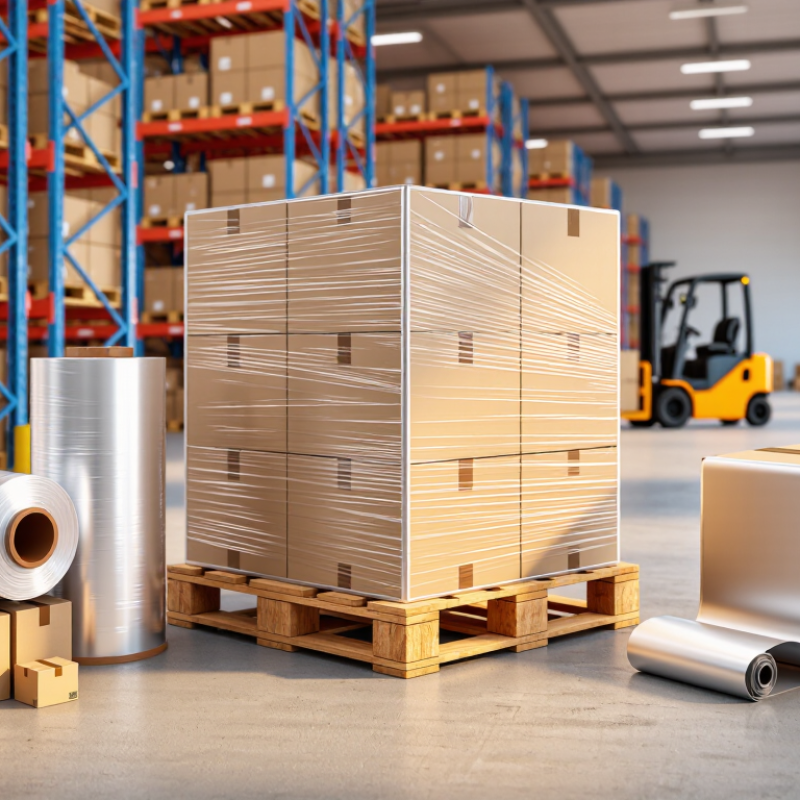
How to Choose Plastic Wrapper Packaging for Global Shipping?
Define Shipping Requirements and Product Protection Goals
Before choosing plastic wrapper packaging, define the shipment as a real journey, not a warehouse task. Record product weight, dimensions, surface sensitivity, stacking pattern, and expected transit time. Then map the route, including truck vibration, port handling, container humidity, and temperature changes. These details determine whether the film needs stretch, puncture resistance, moisture control, or additional cushioning. Guesswork is expensive.
Set clear protection goals for the product itself. A clean carton may need dust protection, while a fragile load may need edge guards and internal separation. Decide whether the wrapper must prevent shifting, abrasion, moisture exposure, or minor impact damage. For example, tightly wrapped cartons should remain aligned after repeated movement. Do not treat thickness as protection. Thicker film can still fail when applied unevenly or sealed poorly.
Run a small packing trial before approving a full shipment. Check loose corners, torn areas, trapped moisture, and unstable layers after simulated handling. Inspect the product, too. A wrapper that looks secure may create pressure marks on polished surfaces. That detail is easy to miss. One practical improvement is adjusting tension by product zone instead of using one setting everywhere. The first test may be imperfect. Good packaging decisions often begin with visible problems.
| Packaging Option | Typical Film Structure | Recommended Thickness | Suitable Shipping Conditions | Protection Goals | Key Performance Data | Recommended Product Types | Important Selection Considerations | Priority Level |
|---|---|---|---|---|---|---|---|---|
| Stretch Film Overwrap | Linear low-density polyethylene (LLDPE), usually single-layer or co-extruded multilayer film | 17–30 micrometres | Unitized pallets, cartons, and grouped products transported by truck, rail, or sea | Load stabilization, dust protection, moisture shielding, and prevention of carton displacement | Typical elongation: approximately 100%–300%; performance depends on resin grade, pre-stretch, and application method | Cartons, bundled consumer goods, spare parts, and palletized shipments | Use sufficient containment force without compressing fragile products. Test for puncture and tear resistance at pallet corners. | High |
| Shrink Film | Polyolefin or polyethylene film designed to contract when exposed to controlled heat | 40–100 micrometres | Indoor packing lines and shipments requiring a tight, tamper-evident outer wrap | Product grouping, surface protection, tamper evidence, and reduced exposure to dust and splash water | Typical shrinkage is approximately 5%–60%, depending on film type, direction, and processing temperature | Retail multipacks, cartons, trays, and regularly shaped products | Confirm that the product can tolerate heat. Uneven shapes may require perforation or a different film design to prevent trapped air. | Medium |
| Polyethylene Shipping Bag | Low-density polyethylene (LDPE) or co-extruded polyethylene with a peel-and-seal or permanent adhesive closure | 50–120 micrometres | Parcel networks, air freight, and mixed-mode international delivery | Protection from dirt, light moisture, abrasion, and casual opening during handling | Commonly available with tear resistance, seal strength, and puncture resistance specified by the converter | Soft goods, garments, printed materials, non-sharp accessories, and flexible products | Specify internal dimensions, closure strength, seam quality, and a tamper-evident feature when chain-of-custody protection is required. | High |
| Bubble-Lined Plastic Mailer | Outer polyethylene film laminated to air-cell cushioning material | Outer film commonly 50–100 micrometres; cushioning layer commonly 2–5 millimetres | Parcel delivery where low weight and moderate impact protection are important | Surface protection, scratch prevention, and cushioning against minor drops and vibration | Protection depends on bubble diameter, air retention, laminate strength, and closure design; not suitable for heavy compression loads | Small electronics accessories, books, cosmetics containers, and lightweight irregular items | Use an inner sealable bag for powders or liquids. Validate cushioning after compression, because air cells can lose performance under repeated loading. | High |
| Foam-Lined Polyethylene Wrap | Polyethylene film bonded to closed-cell polyethylene foam | Film commonly 40–80 micrometres; foam commonly 1–6 millimetres | Long-distance transport involving vibration, repeated handling, or moderate impact risk | Scratch prevention, vibration damping, edge protection, and separation between finished surfaces | Closed-cell foam provides cushioning and limited moisture resistance; performance varies with foam density and thickness | Finished metal parts, coated surfaces, glass components, furniture panels, and precision accessories | Choose foam thickness according to product mass and fragility. Avoid excessive compression that permanently reduces cushioning capacity. | High |
| Barrier Laminate Pouch | Polyethylene sealant layer combined with a barrier layer such as polyethylene terephthalate, metallized film, or polyamide | 80–160 micrometres total laminate thickness | Sea freight, tropical routes, long storage periods, and high-humidity environments | Moisture control, oxygen reduction, odor retention, light protection, and contamination prevention | Barrier performance should be specified using oxygen transmission rate and water vapor transmission rate at defined test conditions | Moisture-sensitive powders, industrial components, food-contact products where permitted, and corrosion-sensitive parts | Barrier values are strongly affected by temperature and humidity. Add desiccant or corrosion protection when the product risk assessment requires it. | High |
| Antistatic or Conductive Bag | Polyethylene film formulated with antistatic additives or a conductive multilayer structure | 50–100 micrometres | Air, sea, and ground transport of electrostatic-sensitive components | Electrostatic discharge control, dust reduction, and basic moisture and abrasion protection | Surface resistance and shielding performance must be confirmed against the applicable product and handling requirements | Electronic assemblies, circuit boards, sensors, and static-sensitive replacement parts | Antistatic protection is not the same as electromagnetic shielding. Select a shielding structure when electromagnetic interference protection is required. | High |
| Heavy-Duty Polyethylene Cover | High-strength low-density or linear low-density polyethylene, often reinforced or gusseted | 100–250 micrometres | Outdoor staging, open-top crates, oversized cargo, and shipments exposed to rain or dust | Water splash protection, dust control, abrasion resistance, and coverage of large or irregular loads | Strength depends on film gauge, reinforcement, seam construction, and fastening method; it is not automatically waterproof under immersion | Machinery, construction components, furniture, industrial assemblies, and oversized equipment | Provide drainage or venting where condensation may occur. Secure the cover without creating concentrated stress points or wind-related tearing. | High |
| Perforated Polyethylene Film | Polyethylene film with controlled microperforations or larger ventilation holes | 30–100 micrometres | Shipments where ventilation is needed to reduce condensation or allow air circulation | Light dust protection, bundling, and reduced moisture accumulation caused by trapped humidity | Protection level depends on perforation size, open area, film thickness, and exposure conditions | Plants, breathable textiles, products packed warm, and items requiring controlled ventilation | Perforations reduce liquid-water and vapor barriers. Do not use this option when full moisture or contamination protection is required. | Medium |
| Recyclable Mono-Polyethylene Wrapper | Primarily polyethylene structure designed to avoid incompatible polymer layers where recycling infrastructure permits | 50–150 micrometres | General parcel and pallet shipments where flexible-plastic collection is available | Basic moisture, dust, abrasion, and grouping protection with a simplified material structure | Barrier, seal strength, and puncture performance depend on the specific mono-material design; recyclability depends on local systems and format acceptance | Soft goods, grouped cartons, non-sharp products, and secondary protective wrapping | Verify local recycling acceptance, label requirements, inks, adhesives, and contamination limits before making a recyclability claim. | Medium |
Linear low-density polyethylene stretches well around uneven pallets. It helps hold cartons tightly during road or sea transport. Corners still need protection.
Low-density polyethylene adapts well to irregular shapes. It feels soft and handles gentle contours. However, concentrated pressure may tear it.
High-density polyethylene provides more stiffness and puncture resistance. It suits rough edges and heavier outer protection. Cold conditions may cause splitting.
No. Clear film supports quick inspection. Opaque film can better protect light-sensitive contents. The product’s needs should guide the choice.
Lightweight goods may need 50–80 microns. Dense or irregular products often require thicker film. Thickness alone does not guarantee safety.
Wrap a loaded carton and press the film against a sharp edge. Test stacking, vibration, and temperature changes. Check it after cold exposure.
Heat sealing suits clean, consistent edges. Adhesive flaps work well for small manual shipments. Clips support temporary bundling but may catch during handling.
Measure the product after adding cushioning and corner guards. Leave enough material for closure. Oversized film may fold, trap moisture, and waste material.
Keep the closure on a flat surface, away from corners. Pull gently across each seal. Appearance alone can mislead you.
Weak corner protection often causes more failures than thin film. This is a useful observation, not a universal rule. Humidity, weight, equipment, and distance can change the result.
Choosing the right Plastic Wrapper Packaging for global shipping begins with clearly defining the product’s protection needs and the conditions it will face during transit. Consider whether the item requires resistance to moisture, dust, punctures, stretching, or impact, then compare suitable plastic materials according to their strength, flexibility, clarity, and sealing performance. The wrapper’s size and thickness should provide a secure fit without unnecessary material use, while the closure method should keep the package sealed throughout handling and transportation.
Climate, shipping distance, storage environments, and local packaging requirements should also guide the selection. Packaging may need to withstand heat, cold, humidity, or repeated handling, so testing is important before large-scale use. Finally, evaluate recyclability, material efficiency, total cost, production consistency, and supplier reliability. A dependable supplier should provide stable quality, clear specifications, responsive communication, and the capacity to meet delivery schedules. Balancing protection, sustainability, and operational practicality helps create packaging that performs reliably across international supply chains.

 Yuanzhong Printing