In recent years, the demand for eco-friendly Food Packaging Bags has surged. As consumers become more conscious of their environmental impact, businesses are seeking sustainable solutions. The food industry faces unique challenges in balancing convenience and sustainability.
Food Packaging Bags are essential for preserving freshness and preventing spoilage. However, traditional packaging often relies on plastics that harm ecosystems. Innovative companies are now developing biodegradable and compostable options. These new solutions can significantly reduce waste.
As we look toward 2026, it’s clear that the landscape of food packaging will evolve. Yet, the transition is not without hurdles. Many products still fall short of sustainability claims, leading to consumer skepticism. Brands must enhance transparency and demonstrate their commitment to environmental responsibility. In this exploration, we will identify the best Food Packaging Bags that embody these sustainable principles.
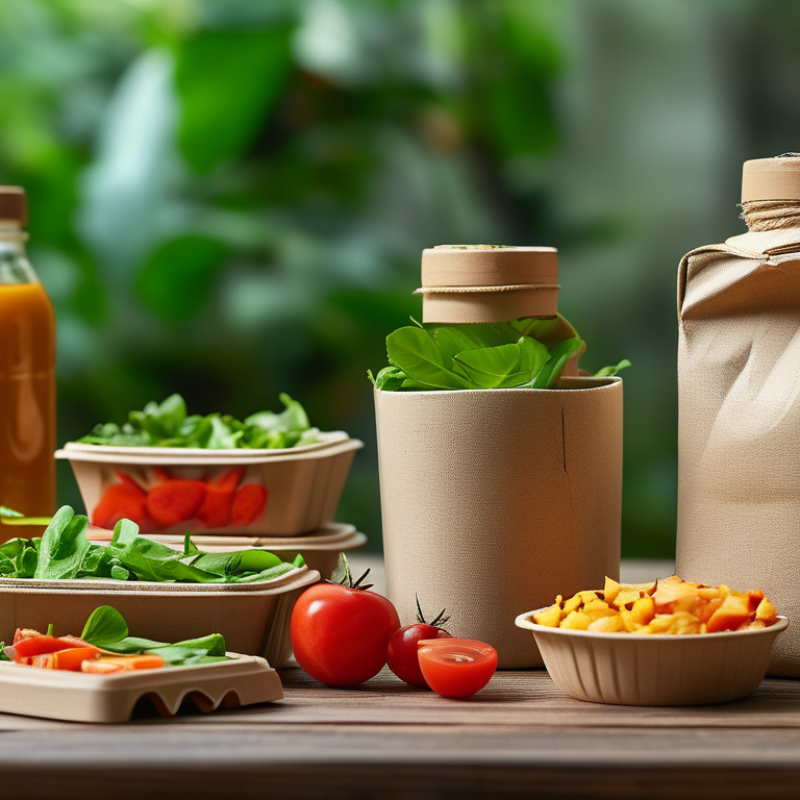
2026 Trends in Sustainable Food Packaging: An Overview of Innovations
The focus on sustainable food packaging has intensified in recent years. Innovations are emerging to meet the demand for eco-friendly materials. Biodegradable plastics are gaining attention. These materials can break down naturally, reducing environmental impact. Many companies are experimenting with plant-based alternatives. These shifts aim to replace harmful traditional plastics in food packaging.
Recyclability remains a major trend in 2026. Many businesses are investing in designs that are easy to recycle. Clear labeling is essential. Consumers must understand how to dispose of packaging correctly. However, the recycling infrastructure is not yet fully developed in many regions. This creates challenges for achieving true sustainability.
Additionally, compostable packaging is making strides. This type of packaging can enrich soil when disposed of correctly. Yet, there remains confusion about composting protocols. Not all consumers know how to compost properly. Ongoing education is crucial.
Sustainable packaging offers exciting possibilities, but the journey is ongoing and complex.
Materials Matter: Biodegradable and Compostable Packaging Solutions
The shift towards sustainable food packaging is essential, as traditional plastics harm our planet. Biodegradable and compostable materials emerge as viable solutions in this context. These materials break down naturally, reducing waste and benefiting the ecosystem. Options like plant-based plastics or paper alternatives contribute to a healthier environment. However, not all biodegradable options perform equally. It's vital to assess their specific conditions for degradation.
Implementing sustainable packaging involves understanding trade-offs. While biodegradable bags may seem like a straightforward solution, their disposal can be tricky. Many require industrial composting facilities to break down effectively. Home composting, often assumed to be sufficient, may not always achieve the desired results. Awareness of these limitations is crucial for consumers.
Investing in sustainable packaging means embracing change. It may lead to a higher cost or shifts in product aesthetics. This transformation prompts reflection on our consumption patterns. Are we ready to prioritize sustainability over convenience? With every choice, we contribute to a larger narrative. The challenge lies in making informed decisions that genuinely support a sustainable future.
Consumer Preferences: The Shift Towards Eco-Friendly Food Packaging
The consumer shift towards eco-friendly food packaging is reshaping the industry. A recent study found that 73% of consumers prefer sustainable packaging. This statistic highlights a growing awareness of environmental issues. As people become more eco-conscious, brands are adjusting their packaging strategies.
Biodegradable materials and recyclable options are gaining traction. Reports indicate that the global green packaging market is expected to reach $500 billion by 2027. This indicates a strong demand for innovative materials. However, the challenge lies in balancing sustainability with cost-effectiveness. Many brands struggle with this trade-off, often prioritizing one over the other.
Moreover, packaging aesthetics matter. Consumers are drawn to visually appealing designs, prompting brands to rethink their strategies. There is a fine line between functionality and sustainability. Brands must create packaging that not only looks good but also aligns with eco-friendly principles. This complexity adds another layer to consumer preferences.
The path to fully sustainable packaging requires continuous reflection and adjustment.
Regulatory Landscape: Policies Affecting Sustainable Packaging Choices
The regulatory landscape surrounding sustainable food packaging is continuously evolving. Governments worldwide are implementing stricter policies to encourage eco-friendly practices. This shift prioritizes reducing plastic waste and promoting recyclable materials. Companies must stay ahead of these changes to ensure compliance and sustainability. The challenge lies in balancing regulations with consumer demand for convenience and variety.
Businesses face scrutiny over their packaging choices. Transparency is essential in showcasing sustainable practices. Engaging with local regulations helps identify opportunities for improvement. For instance, understanding regional recycling facilities can guide packaging design more effectively. Being proactive can enhance brand reputation and consumer loyalty.
When considering sustainable packaging options, focus on materials that align with regulatory standards. Ensure that any claimed sustainability features are authentically supported by your sourcing and production methods. Engaging with environmental consultants can provide insights into best practices while navigating complex regulations. Adopting a trial and error approach may yield innovative solutions. Remember, every step toward sustainability counts, even if it feels small.
Industry Case Studies: Success Stories in Sustainable Food Packaging
As the demand for sustainable solutions increases, the food packaging industry is evolving. Companies worldwide are innovating to reduce their environmental footprint. One notable case is a small local business that switched from plastic to compostable bags. Customers responded positively, and sales increased due to a focus on eco-friendly practices. This shift not only benefited the environment but also enhanced brand loyalty.
In another example, a major chain began using plant-based films for their packaged snacks. This decision was met with skepticism initially. However, through transparency and consumer education, the chain successfully communicated the benefits. They reported a decrease in plastic waste and an increase in customer engagement. Still, challenges remain. Some consumers are reluctant to change their purchasing habits, preferring familiar packaging. Addressing these concerns requires ongoing dialogue and education. Understanding consumer behavior is key to encouraging widespread adoption of sustainable packaging solutions.
FAQS
: Consumers are increasingly favoring eco-friendly food packaging. Around 73% prefer sustainable options.
Biodegradable and recyclable materials are becoming more popular. Many brands are exploring innovative options.
Brands struggle to balance sustainability and cost. They often prioritize one aspect over the other.
Visually appealing designs attract consumers. Brands are rethinking their strategies to improve packaging aesthetics.
Governments are enforcing stricter policies. These policies aim to reduce plastic waste and promote recycling.
Companies need to be transparent about their practices. Engaging with local laws can improve packaging design.
Authenticity is key. Ensure that sustainability claims are backed by genuine sourcing and production methods.
A trial and error approach may lead to innovative solutions. Small steps towards sustainability are valuable.
Balancing regulations with consumer demand for convenience can be difficult. Brands must find ways to meet both needs.
Consultants can provide insights into best practices. They help navigate complex regulations more effectively.
Conclusion
The article "2026 Best Food Packaging Bags for Sustainable Solutions?" explores the emerging trends in sustainable food packaging, highlighting innovations and practices shaping the industry. It discusses various biodegradable and compostable packaging materials designed to minimize environmental impact and cater to the growing consumer demand for eco-friendly options. As consumer preferences pivot towards sustainability, brands are increasingly adopting food packaging bags that reflect these values.
Additionally, the article examines the regulatory landscape that influences sustainable packaging choices, emphasizing the importance of compliance with evolving policies. Through industry case studies, it showcases successful implementations of sustainable food packaging, illustrating the potential for positive change. Ultimately, the insights provided underscore the vital role of food packaging bags in creating a more sustainable future for the food industry.

 Yuanzhong Printing