Global buyers rarely judge a pouch by appearance alone. They examine protection, sealing, labeling, transport, and end-of-life options. Pouch Packing has become a practical response to these demands because flexible formats can reduce material use and shipping weight. However, lighter does not automatically mean better.
The Flexible Packaging Association reported approximately $39 billion in U.S. flexible packaging sales in 2022. Smithers’ report, The Future of Global Flexible Packaging to 2028, also identifies recyclability, downgauging, and barrier performance as major market priorities. These findings matter when comparing suppliers across regions. A pouch that survives a humid warehouse may still fail during ocean transport. A strong film may still create recycling concerns. Small details matter.
This guide presents ten Pouch Packing tips for global buyers. It considers product compatibility, oxygen and moisture barriers, zipper quality, seal strength, filling accuracy, artwork, and shipment testing. It also addresses documentation, responsible material choices, and communication with manufacturers. Buyers should request technical data, migration statements, test results, and clear production tolerances. ISO-based testing can improve confidence, but certificates alone cannot replace sample evaluation.
A practical test helps.
Fill sample pouches with the real product. Store them under expected conditions. Check leaks, wrinkles, odor transfer, and opening performance. Record the results. Then question the assumptions.
No supplier gets every decision right. Buyers may also overlook pallet efficiency or local recycling systems. That is why reliable sourcing requires evidence, not attractive samples. These recommendations aim to make pouch selection more consistent, measurable, and suitable for lawful international trade.
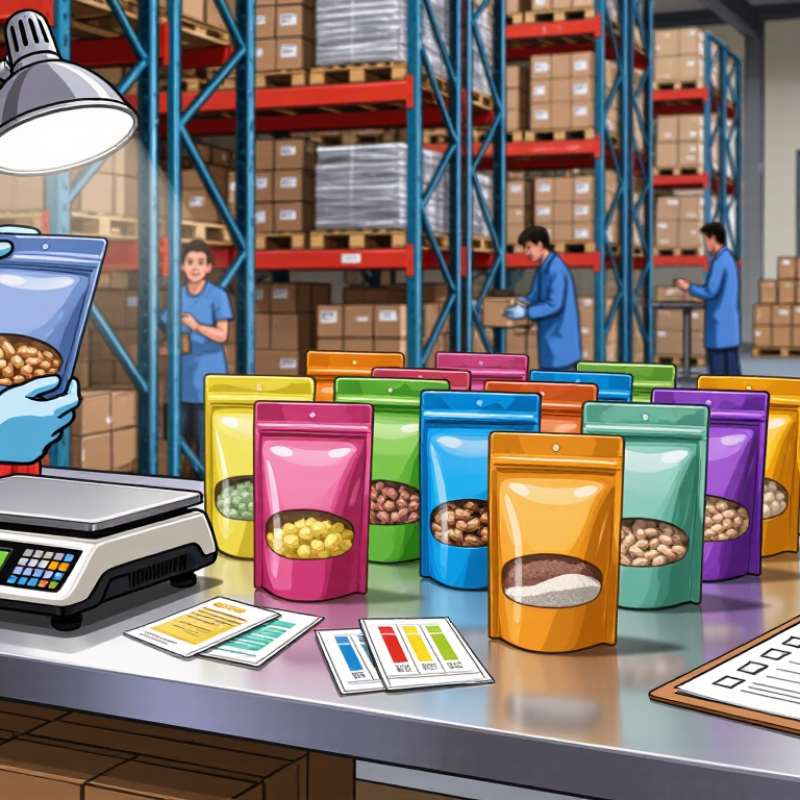
A reliable pouch project starts with clear product requirements, not attractive artwork. Define the product’s weight, shape, moisture level, filling temperature, and expected shelf life. Powder, liquid, and sharp-edged products create different stresses. A small sample test can reveal more than a long specification sheet.
Write the performance goals in measurable terms. Set targets for seal strength, puncture resistance, oxygen protection, moisture protection, and opening force. Consider transport conditions, including stacking pressure, vibration, humidity, and temperature changes. If the pouch includes a zipper or tear notch, test it repeatedly with real users. Easy opening matters, but accidental leakage matters more. Keep the target practical.
I have seen teams choose material thickness before checking filling equipment. That approach caused wrinkles and weak seals. A better process matches the pouch structure with the machine, product, and distribution route. Request technical data, test reports, and production samples from qualified suppliers. Verify whether the materials suit the intended product and destination requirements. Do not rely on appearance alone.
Some requirements remain uncertain at the beginning. Record those assumptions. Test them early. If the product contains oil, fine powder, or abrasive particles, repeat seal tests after filling. Review failed samples honestly. A pouch that performs well in the laboratory may behave differently after several weeks in a warehouse. Allow room for adjustment before placing a large order.
Match the material to the product, shipping route, and required shelf life. High-barrier films reduce oxygen, moisture, and light exposure. More layers may make recycling harder. Test before approval. Check seal strength, drop resistance, and barrier performance. A glossy sample proves little.
Stand-up pouches suit products needing shelf visibility and easy placement. Flat pouches reduce shipping volume for single-use portions. Flat-bottom pouches offer better stability but may use more material. Fill test units with the real product. Measure leakage, balance, and leftover contents. A narrow pouch can empty badly.
Choose closures according to usage habits and product thickness. Zippers support repeated opening. Tear notches suit quick consumption. Spouts help control liquid flow but add sealing points. Pre-made pouches may simplify filling. Rollstock can improve speed and customization. Check equipment compatibility early.
Request current material declarations, migration reports, batch records, and traceability procedures. Documents must match the exact pouch structure. A similar sample is not enough. Check food-contact materials, inks, adhesives, and sealants. Keep the paperwork linked to each production batch. Complete-looking files can still miss local requirements.
Review required languages, ingredients, allergens, nutrition information, quantity, origin, and date markings. Some markets require importer details or recycling instructions. Check barcode readability and mandatory warnings. One label may not work everywhere. Translation errors can delay clearance. Leave time for another review.
Request several production-lot samples instead of one showroom pouch. Measure film thickness, dimensions, zipper alignment, print position, and seal appearance. Compare samples under identical conditions. Record every measurement. Small differences matter. Polished presentations can hide production variation.
Test the finished pouch with the intended product. Oils, powders, moisture, and sharp edges behave differently. Run filling trials at actual speed. Test drops, compression, vibration, heat, and humidity. Inspect contaminated seals and tiny leaks. Raw test data matters more than a certificate alone.
Sampling reduces risk but cannot detect every rare defect. Use a documented acceptance plan with clear inspection limits. Require corrective actions when failures appear. A reliable supplier explains the cause and retests when necessary. Retain samples from each batch. No system is perfect.
Successful Pouch Packing begins with clearly defined product requirements and performance goals. Buyers should consider the product’s weight, texture, shelf life, filling process, and expected storage conditions before selecting suitable materials, barrier structures, closures, and pouch formats. The right combination can improve protection, usability, presentation, and operational efficiency while reducing avoidable packaging issues.
Global purchasing also requires careful attention to compliance, labeling, food-safety expectations, and market-specific requirements. Buyers should assess suppliers through samples, technical documentation, testing, factory communication, and consistent quality-control procedures. Cost planning should include material prices, tooling, minimum order quantities, production lead times, freight, duties, and possible currency or shipping risks. By comparing suppliers systematically and validating pouch performance before full production, buyers can make informed decisions and build a more reliable, cost-effective packaging program for different markets.

 Yuanzhong Printing